South Korean Politics: A Deep Dive into Power, Policy, and Public Opinion
The political landscape of South Korea is a dynamic and often contentious arena, shaped by a complex interplay of historical legacies, economic pressures, and evolving societal values. At its core lies a presidential republic system, established in 1948, which has seen periods of authoritarian rule interspersed with robust democratic transitions. The President, directly elected for a single five-year term, serves as both head of state and head of government, wielding significant executive power. This concentration of authority, while intended to ensure decisive leadership, has also been a source of criticism and calls for reform, particularly in light of past abuses of power. The National Assembly, a unicameral legislature, is responsible for lawmaking and oversight, comprised of 300 members, with 253 elected from single-member districts and 47 elected through proportional representation. The judiciary, headed by the Supreme Court, operates independently, tasked with interpreting laws and ensuring constitutional adherence.
Key players and parties dominate the political discourse. Historically, the political spectrum has been broadly divided, though the lines have blurred and realigned over time. The conservative camp, often represented by parties such as the People Power Party (PPP), typically emphasizes national security, economic growth through market liberalization, and a strong alliance with the United States. Conversely, the progressive or liberal camp, historically associated with parties like the Democratic Party of Korea (DPK), tends to advocate for greater social welfare, inter-Korean reconciliation, and a more independent foreign policy. However, these broad categorizations often mask internal divisions and shifting alliances. The rise of new political movements and independent candidates, particularly among younger generations disillusioned with the established political order, adds further complexity to this dynamic. The influence of powerful economic conglomerates, known as chaebols, also casts a long shadow, with their close ties to political elites and their significant impact on policy decisions being a perpetual subject of debate.
Major policy areas consistently at the forefront of South Korean political debate include economic policy, inter-Korean relations, social welfare, and foreign policy. Economically, the nation grapples with maintaining its export-driven growth model in a changing global environment. Issues such as rising household debt, youth unemployment, and widening income inequality are pressing concerns for policymakers. Debates rage over the role of government intervention versus free-market principles in addressing these challenges. The ongoing competition and occasional tensions with North Korea remain a defining feature of South Korean foreign and security policy. While the ultimate goal of unification or improved relations persists, the approach to achieving it varies significantly between political factions. Progressive governments have generally favored engagement and dialogue, while conservative administrations have leaned towards a firmer stance and sanctions. This fundamental divergence shapes diplomatic efforts, military readiness, and public perception.
Social welfare provisions, though expanding, are continually scrutinized. The aging population, a demographic challenge shared with many developed nations, places increasing strain on pension and healthcare systems. Debates surrounding the adequacy of these systems, the fairness of their funding, and the need for expanded support for families and the elderly are prominent. Foreign policy is inextricably linked to the nation’s security environment and economic interests. The alliance with the United States remains the bedrock of South Korean defense strategy, but discussions persist regarding its scope and the potential for increased defense burden-sharing. Relations with China, a crucial trading partner, and Japan, a historical and contemporary neighbor with its own set of complexities, are also central to foreign policy deliberations.
The electoral process itself is a crucial element of South Korean politics. Presidential elections, held every five years, and legislative elections, held every four years, are highly anticipated and often characterized by intense campaigning, substantial media coverage, and significant public engagement. Voter turnout, while variable, often reflects the perceived stakes of an election. The system of direct presidential election, while democratic, has led to a focus on charismatic leaders and can sometimes bypass the deliberative processes of the legislature. The proportional representation component of legislative elections is designed to ensure broader representation of different political viewpoints, but the dynamics of party competition and coalition building remain critical for legislative success.
Historical context is indispensable for understanding contemporary South Korean politics. The legacy of Japanese colonial rule (1910-1945), the Korean War (1950-1953), and decades of authoritarian governments have profoundly shaped national identity, political culture, and societal aspirations. The rapid economic development achieved under a succession of military-backed governments, often referred to as the "Miracle on the Han River," brought prosperity but at the cost of democratic freedoms for a significant period. The democratic transition in the late 1980s marked a watershed moment, ushering in an era of greater political openness and citizen participation. However, the scars of past authoritarianism, including human rights abuses and social divisions, continue to influence contemporary political discourse and calls for accountability.
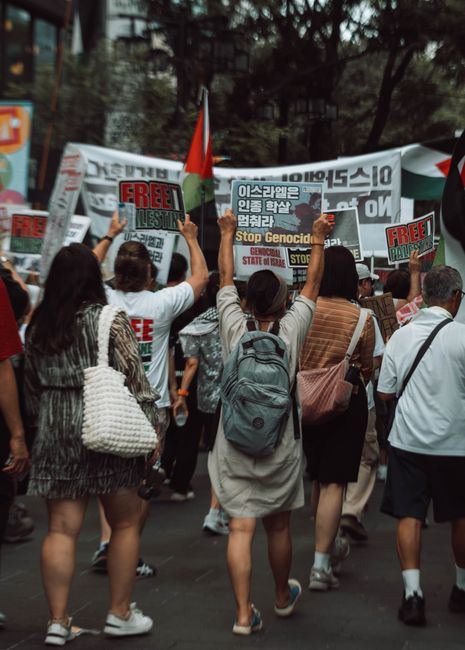
The influence of civil society organizations (CSOs) and social movements is a growing factor in South Korean politics. From environmental advocacy groups to labor unions and feminist organizations, these entities play a crucial role in raising public awareness, lobbying policymakers, and holding both government and corporations accountable. The "candlelight protests" that led to the impeachment of President Park Geun-hye in 2017 are a testament to the power of mobilized civil society in shaping political outcomes. These movements often bring new perspectives and demands to the political arena, challenging established norms and pushing for greater social justice and environmental sustainability.
Media plays a pivotal role in shaping public opinion and influencing political discourse. South Korea boasts a vibrant and diverse media landscape, with major newspapers, broadcast networks, and a burgeoning digital media sector. However, concerns about media bias, the spread of misinformation, and the potential for political interference are persistent. The proliferation of social media has further complicated the media environment, providing platforms for direct citizen engagement but also creating echo chambers and facilitating the rapid dissemination of unverified information. Understanding the interplay between media, public opinion, and political decision-making is crucial for grasping the nuances of South Korean politics.
Regional dynamics also exert a significant influence. While Seoul is the political and economic heart of the nation, regional disparities in economic development, infrastructure, and political representation are notable. Political parties often have regional strongholds, and campaign strategies frequently target specific geographic areas. The ongoing efforts to decentralize power and promote balanced regional development are important policy considerations that often intersect with political maneuvering and electoral calculations.
The judiciary’s role in South Korean politics is multifaceted. While it is designed to be an independent arbiter of law, the judiciary has also been a site of political contestation, particularly in high-profile cases involving political leaders or significant social issues. Debates surrounding judicial independence, the fairness of judicial appointments, and the potential for political influence on judicial decisions are recurrent themes. The Constitutional Court, in particular, plays a vital role in reviewing the constitutionality of laws and actions taken by the executive and legislative branches, acting as a crucial check on governmental power.
The concept of "neoliberalism" has been a significant analytical framework for understanding economic policy shifts in South Korea, particularly since the Asian Financial Crisis of 1997-1998. The subsequent implementation of structural reforms, often advocated by international financial institutions, led to increased market liberalization, privatization, and deregulation. While these policies are credited by some with stabilizing the economy, they have also been criticized for exacerbating income inequality and weakening labor protections. Debates surrounding the social costs and benefits of such economic policies continue to be a central feature of political discourse.
The increasing assertiveness of South Korea on the global stage, driven by its economic prowess and cultural influence (the "Korean Wave"), also has political implications. The nation is actively seeking to expand its role in international organizations and contribute to global governance. This growing international profile necessitates navigating complex geopolitical relationships and balancing competing interests. Discussions about South Korea’s future strategic direction, its role in regional security, and its contribution to global challenges are increasingly prominent in political debates.
Finally, understanding the generational divide is becoming increasingly important in South Korean politics. Younger generations, having grown up in a democratic and prosperous South Korea, often hold different political priorities and perspectives than older generations. Issues such as social equality, environmental protection, and the future of inter-Korean relations are frequently viewed through distinct lenses. Political parties are increasingly recognizing the need to engage with and appeal to younger voters, leading to shifts in policy platforms and campaign strategies. The evolving aspirations and concerns of different age groups will undoubtedly continue to shape the trajectory of South Korean politics in the years to come.
