South Korean Politics: A Multifaceted Landscape of Democracy, Ideology, and Geopolitical Influence
South Korean politics operates within a robust democratic framework, characterized by a presidential system with a single five-year term for the head of state. The unicameral National Assembly holds legislative power, comprising 300 seats elected through a mixed system of single-member districts and proportional representation. This structure fosters a dynamic interplay between executive and legislative branches, often leading to periods of both cooperation and intense political maneuvering. The dominant political parties have historically been the conservative People Power Party (PPP) and the liberal Democratic Party of Korea (DPK), though smaller parties and shifting alliances contribute to the complex electoral landscape. Key policy debates revolve around economic development, social welfare, inter-Korean relations, and foreign policy, particularly concerning the United States and China. The judiciary, independent and respected, plays a crucial role in constitutional interpretation and the resolution of political disputes, with the Constitutional Court holding significant authority. Public engagement in politics is high, fueled by a free and active press and a vibrant civil society.
The historical trajectory of South Korean politics is deeply intertwined with its rapid economic development and its unique geopolitical position. Emerging from the Korean War and decades of authoritarian rule, the nation underwent a significant democratization process in the late 1980s. This transition laid the foundation for the competitive multiparty system that exists today. The legacy of authoritarianism, however, continues to subtly influence political discourse and societal attitudes, with debates often touching upon the balance between national security and individual liberties. Economic policies have consistently been a central theme, with a strong emphasis on export-oriented growth and technological innovation. While this approach has yielded remarkable economic success, it has also generated debates surrounding income inequality, labor rights, and the influence of powerful conglomerates (chaebols). Social issues, such as an aging population, low birth rates, gender equality, and regional disparities, are increasingly prominent in the political agenda, reflecting the evolving societal values and challenges of a developed nation.
Ideologically, South Korean political parties generally fall along a liberal-conservative spectrum, though nuances and internal factions complicate these categorizations. The People Power Party (PPP) typically champions policies focused on free-market principles, deregulation, a strong national defense, and a robust alliance with the United States. Its base often includes older generations, those in higher income brackets, and residents of more conservative regions. The Democratic Party of Korea (DPK), conversely, generally advocates for social welfare programs, income redistribution, labor protections, and a more nuanced approach to inter-Korean relations, often emphasizing dialogue and engagement. Its supporters tend to be younger voters, urban dwellers, and those who prioritize social justice. Beyond these two major parties, smaller parties like the Justice Party (often representing progressive and labor interests) and the People’s Party (sometimes forming a centrist or splinter conservative bloc) contribute to the diversity of the political spectrum. The interplay between these ideological currents shapes policy debates and electoral outcomes, with a constant negotiation of priorities and approaches to governance.
Geopolitics profoundly shapes South Korean politics, a nation situated in a region of significant strategic importance. Its relationship with North Korea remains a paramount concern, dictating significant aspects of its foreign and defense policies. Successive governments have grappled with the challenge of maintaining peace and stability on the peninsula, oscillating between hardline deterrence and engagement-oriented diplomacy. The unwavering alliance with the United States serves as a cornerstone of South Korea’s national security strategy, providing a security umbrella and fostering close military and economic ties. Simultaneously, South Korea navigates a complex relationship with China, its largest trading partner and a significant regional power. Balancing these competing interests – maintaining a strong alliance with the US while managing economic interdependence with China – presents a persistent diplomatic challenge. Furthermore, Japan, with whom South Korea shares a complicated historical relationship, also features prominently in foreign policy discussions, particularly regarding historical grievances and regional security cooperation. The dynamics of these relationships directly influence domestic political discourse, with different factions often advocating for distinct approaches to managing these external pressures.
Economic policy in South Korea is a constant area of political debate, driven by the nation’s remarkable transformation into a global economic powerhouse. The export-driven growth model, characterized by significant government support for key industries and the rise of chaebols, has been instrumental in its success. However, this model has also led to persistent concerns about wealth concentration, income inequality, and the precariousness of labor rights. Political parties engage in vigorous debates over the appropriate level of government intervention in the economy, the regulation of financial markets, and the future of its industrial structure. Proposals for strengthening social safety nets, investing in renewable energy, and fostering innovation in emerging sectors are central to electoral platforms. The role of chaebols, large family-controlled conglomerates, is also a recurring theme, with discussions about corporate governance, fair competition, and their social responsibility. Debates surrounding the minimum wage, labor union rights, and the future of work in an era of automation and artificial intelligence are increasingly prominent, reflecting the evolving needs of the South Korean workforce and society.
Social issues have gained significant traction in South Korean politics, mirroring the nation’s advanced societal development and evolving values. The rapidly aging population and the world’s lowest birth rate present a significant demographic challenge, prompting policy discussions on retirement security, healthcare reform, and measures to encourage higher birth rates. Gender equality remains a contentious issue, with ongoing debates about closing the gender pay gap, combating gender-based violence, and increasing women’s representation in leadership positions. The influence of a strong feminist movement and counter-movements has amplified these discussions, making them central to political platforms. Regional disparities in economic development and access to resources also fuel political debate, with various regions advocating for increased investment and attention from the central government. Urbanization trends and the concentration of economic and political power in the Seoul metropolitan area contribute to these tensions. Furthermore, issues of social mobility, educational reform, and the mental health of its citizens are increasingly recognized as critical areas requiring policy intervention.
The electoral system and party dynamics are central to understanding South Korean politics. The presidential system, with its single five-year term, creates a strong incentive for presidents to implement their agendas efficiently, but also limits their ability to seek re-election, leading to a focus on legacy-building during their tenure. The National Assembly, elected through a mixed member proportional representation system, aims to balance direct representation with party proportionality, though it can lead to coalition governments and periods of legislative gridlock. The dominance of the People Power Party and the Democratic Party of Korea has created a largely bipolar political landscape, though the influence of smaller parties and the potential for factionalism within the major parties contribute to a dynamic and sometimes unpredictable electoral environment. Voter turnout is generally high, reflecting a deeply engaged citizenry. Media plays a critical role in shaping public opinion and scrutinizing political actors, with a diverse and often fiercely independent press landscape. The role of social media in disseminating information and mobilizing voters has become increasingly significant, influencing campaign strategies and the nature of political discourse.
The judiciary’s role in South Korean politics is crucial for maintaining the rule of law and the balance of power. The Supreme Court stands as the highest court for ordinary legal matters, while the Constitutional Court possesses the unique authority to review the constitutionality of laws, impeach public officials, and rule on the dissolution of political parties. This empowers the judiciary to act as a significant check on the executive and legislative branches. Landmark rulings by these courts have shaped fundamental rights, social policies, and the interpretation of the constitution, often reflecting and guiding societal shifts. Public trust in the judiciary, while generally high, can fluctuate depending on the nature of politically charged cases. The independence of judges is a vital principle, and any perceived threats to this independence are met with significant public concern and political debate. The judiciary’s ability to uphold due process and protect individual liberties is seen as fundamental to the health of South Korean democracy.
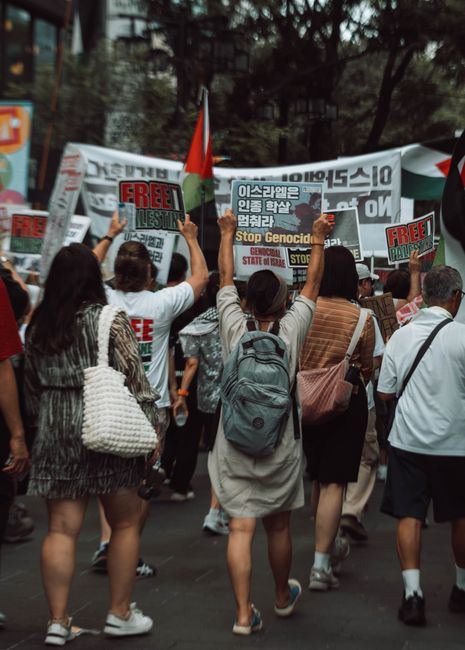
The influence of civil society organizations (CSOs) on South Korean politics is substantial and has grown considerably since democratization. These organizations span a wide spectrum, from environmental and human rights groups to labor unions, women’s advocacy groups, and consumer protection associations. CSOs actively engage in advocacy, lobbying, public awareness campaigns, and legal challenges to influence policy decisions and hold government and corporations accountable. They often serve as crucial watchdogs, bringing critical issues to the public’s attention and mobilizing public opinion. Their ability to mobilize citizens and exert pressure on political actors has made them an indispensable part of the democratic process. The relationship between CSOs and political parties can be complex, with some parties actively seeking to collaborate with CSOs, while others may view them as adversarial. Nonetheless, the vibrant and active CSO landscape is a testament to the participatory nature of South Korean democracy and a significant force in shaping its political evolution.
South Korea’s geopolitical situation, particularly its relationship with North Korea, continues to be a defining element of its political landscape. The persistent threat of military confrontation and the ongoing nuclear proliferation concerns necessitate a robust defense posture and a constant reassessment of inter-Korean policy. The approach to North Korea often becomes a key differentiator between the major political parties, with conservatives generally favoring a firmer stance and greater reliance on deterrence, while liberals often advocate for a more engagement-oriented approach aimed at de-escalation and eventual reunification. The presence of U.S. troops on South Korean soil, a legacy of the Korean War, underscores the deep military alliance and its significant implications for national sovereignty and foreign policy. The balancing act between maintaining this alliance and navigating its own regional interests, particularly concerning China, remains a central challenge for South Korean leaders. Regional security dynamics, including the rise of China and the complex relationship with Japan, further complicate this geopolitical calculus, constantly influencing domestic political debates on defense spending, diplomatic strategies, and alliance management.
The future trajectory of South Korean politics will undoubtedly be shaped by its ability to address evolving domestic challenges and navigate its complex international environment. Issues such as economic restructuring in the face of global shifts, the societal implications of a rapidly aging and increasingly diverse population, and the ongoing quest for lasting peace on the Korean peninsula will continue to be central to political discourse. The dynamic interplay between its established democratic institutions, its vibrant civil society, and its strategic geopolitical positioning will determine its path forward. The ability of its political leaders to foster consensus, implement effective policies, and maintain public trust will be critical in navigating these multifaceted challenges and ensuring continued stability and prosperity.
