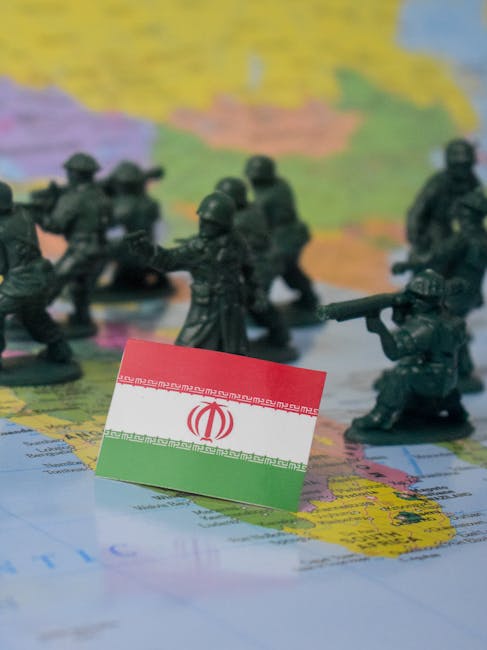
The intricate nexus of military power and political maneuvering, often categorized as military politics, represents a fundamental driver of statecraft, international relations, and societal development. This domain encompasses the study of how military institutions influence, are influenced by, and interact with the political structures and processes of a state and the global arena. It delves into the roles of armed forces in domestic governance, their involvement in foreign policy decision-making, the strategic allocation of resources for defense, the dynamics of civil-military relations, and the ideological underpinnings that shape military doctrines and deployment. Understanding military politics is crucial for comprehending the causes of war, the maintenance of peace, the nature of authoritarianism and democracy, and the efficacy of national security strategies.
At its core, military politics examines the fundamental relationship between the state’s coercive apparatus – its military – and its political leadership. This relationship is not static but a dynamic equilibrium, often characterized by tension and negotiation. In democratic societies, the principle of civilian supremacy over the military is paramount. This means that elected officials hold ultimate authority over military policy, deployment, and the use of force. The military, in turn, is expected to be apolitical, serving the state and its legally constituted government regardless of political affiliation. However, achieving and maintaining this balance is a continuous process, influenced by factors such as military professionalism, transparency, legislative oversight, and the public’s engagement with defense issues. The composition of military leadership, their training, and the historical experiences of a nation’s armed forces can all contribute to their willingness and capacity to operate within the bounds of civilian control. Conversely, in authoritarian regimes, the military often plays a more direct and overt role in political power, sometimes acting as kingmakers, enforcers of ideology, or even as the ultimate arbiters of political succession. The intertwining of military and political elites, the absence of robust checks and balances, and the suppression of dissent can lead to a militarized state where military interests heavily dictate policy.
The influence of military politics extends significantly into foreign policy formulation and execution. National security objectives are inextricably linked to military capabilities and strategic considerations. Decisions regarding alliances, diplomatic engagement, international interventions, and the development of military technologies are all shaped by political calculations about power, threat perception, and national interests, as interpreted and presented by both civilian and military leaders. Military leaders often provide critical input on the feasibility and potential consequences of foreign policy options, influencing the calculus of risk and reward for political decision-makers. The arms trade, security assistance, and military-to-military cooperation are all manifestations of military politics on the international stage, used as tools to advance diplomatic objectives, project power, and secure strategic advantages. Furthermore, the concept of deterrence, a cornerstone of international security, is a product of military politics, involving the development of credible military capabilities designed to dissuade potential adversaries from initiating conflict. This involves not only the possession of weapons but also the communication of intent and resolve, a complex interplay of military signaling and political diplomacy.
Resource allocation for defense is another critical dimension of military politics. The defense budget represents a significant portion of national expenditure, and decisions about its size and distribution are inherently political. This process involves intense lobbying by military branches, defense contractors, and interest groups, as well as debates within legislative bodies and among the public about the necessity and efficiency of military spending. Political leaders must balance competing demands for resources, weighing defense needs against social programs, infrastructure development, and economic priorities. The concept of the military-industrial complex, as popularized by President Eisenhower, highlights the symbiotic relationship between the military establishment, defense industries, and political actors, which can exert considerable influence on defense spending and procurement decisions, often irrespective of actual security threats. This can lead to the development and acquisition of advanced weaponry that may not be strategically necessary but serves economic or political interests.
Civil-military relations, a subfield within military politics, specifically examines the interactions and power dynamics between the armed forces and the civilian government and society. This encompasses issues of recruitment, training, morale, military professionalism, and the role of the military in times of peace and crisis. A healthy civil-military relationship is characterized by mutual respect, clear lines of authority, and a shared understanding of the military’s role in a democratic society. Conversely, strained civil-military relations can arise from political interference in military affairs, the politicization of the armed forces, or a perception by the military that its contributions are not valued or understood by civilian leadership. In some contexts, the military may feel compelled to intervene in politics to protect its institutional interests or to address what it perceives as critical threats to national stability. This can lead to coups d’état, military juntas, or a creeping militarization of civilian institutions.
The ideological underpinnings of military politics are also profound. Military doctrines, strategic thinking, and the very ethos of armed forces are often shaped by prevailing political ideologies, national narratives, and historical experiences. Whether a state embraces a liberal democratic ideology, a nationalist fervor, or a socialist vision, these beliefs will invariably influence how its military is structured, trained, and employed. For instance, a nation with a history of colonial oppression might develop a military doctrine focused on defensive capabilities and preventing external intervention, while a nation with expansionist ambitions might prioritize offensive power projection and territorial control. Furthermore, the "reasons for war" are deeply embedded in military politics, with justifications ranging from self-defense and the protection of national interests to the promotion of democracy, humanitarian intervention, or ideological expansion. The rhetoric used by political leaders to mobilize public support for military action is a crucial component of military politics, shaping public perception of threats and the necessity of war.
The advent of new technologies and the evolving nature of warfare have introduced new complexities to military politics. Cyber warfare, artificial intelligence, and autonomous weapons systems raise novel questions about command and control, accountability, and the very definition of military engagement. These advancements necessitate continuous adaptation of legal frameworks, ethical considerations, and political oversight mechanisms. The increasing privatization of military functions, through the use of private military companies (PMCs) and private security contractors (PSCs), also blurs the lines of accountability and can introduce new dynamics into civil-military relations and the control of force. The decision to deploy PMCs for certain tasks, such as logistics, training, or even direct combat support, is a political one with significant implications for transparency, oversight, and the potential for mission creep.
In conclusion, military politics is a multifaceted and enduring field of study that grapples with the fundamental relationship between armed power and political authority. Its influence permeates domestic governance, foreign policy, resource allocation, and the very identity of nations. A comprehensive understanding of this domain is essential for analyzing global security dynamics, the intricacies of state behavior, and the ongoing quest for peace and stability in a world shaped by the constant interplay of military might and political will. The continuous evolution of geopolitical landscapes, technological advancements, and societal values ensures that military politics will remain a critical and dynamic area of inquiry for the foreseeable future.
