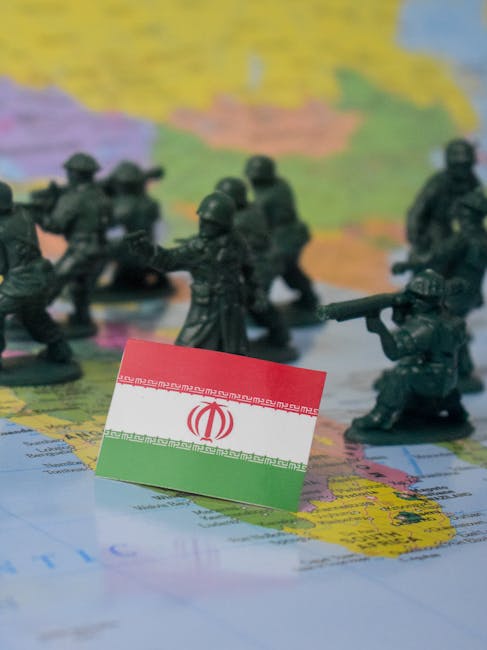
Military Politics: Navigating the Interplay of Armed Forces and Governance
Military politics encompasses the complex and often fraught relationship between a nation’s armed forces and its political leadership, institutions, and societal structures. It delves into how military power is acquired, maintained, deployed, and ultimately controlled, as well as how political decisions influence military strategy, doctrine, and operational execution. This dynamic is not monolithic; it varies significantly across different political systems, historical periods, and cultural contexts. At its core, military politics grapples with fundamental questions of civilian control, the role of the military in domestic and international affairs, the allocation of resources to defense, and the influence of military interests on policy-making. Understanding this interplay is crucial for comprehending national security, geopolitical stability, and the functioning of government itself.
The historical evolution of military politics reveals a continuous struggle for dominance and influence. In pre-modern societies, military leaders often held significant political power, their authority derived directly from their martial prowess and the loyalty of their troops. Dynastic succession, personal charisma, and battlefield success were frequently pathways to political leadership, blurring the lines between military command and state governance. The rise of standing armies, professionalized military establishments, and the development of more sophisticated state apparatuses gradually introduced greater complexity. Civilian institutions, such as legislatures and executive branches, began to assert greater oversight, leading to debates about the appropriate balance of power. The Enlightenment and subsequent democratic revolutions championed the principle of civilian supremacy, arguing that the military, as an instrument of the state, must remain subordinate to elected representatives. However, the potential for military intervention in politics, particularly during periods of instability, civil unrest, or perceived national crisis, has remained a persistent feature of political landscapes worldwide. This historical trajectory highlights the ongoing tension between the military’s inherent power and the imperative of democratic accountability.
Civilian control of the military is a cornerstone principle in democratic societies, aiming to ensure that armed forces serve the public interest and are accountable to elected officials. This principle is enshrined in constitutions, legal frameworks, and established norms of governance. It manifests in various mechanisms, including legislative oversight of defense budgets, the appointment of civilian secretaries of defense, and the clear chain of command that places military leaders under the authority of civilian executives. The rationale behind civilian control is multifaceted. It prevents the military from becoming an independent political actor that could pursue its own agenda, potentially at the expense of democratic values or societal well-being. It also ensures that decisions regarding the use of force are made by those who are democratically elected and therefore represent the will of the people. Moreover, civilian leadership is ideally positioned to integrate military considerations into broader foreign policy and national interests, preventing a narrow, militaristic perspective from dominating strategic thinking. However, the practical implementation of civilian control can be challenging. Military expertise is specialized and often perceived as indispensable, potentially granting military advisors significant informal influence. The perception of imminent threats or national emergencies can also create pressure for greater reliance on military judgment, potentially eroding civilian oversight. Maintaining effective civilian control requires constant vigilance, robust institutional checks and balances, and a commitment to transparency and public accountability.
The military’s role in foreign policy formulation and execution is a critical aspect of military politics. Armed forces are not merely implementers of policy; their capabilities, strategic assessments, and operational experiences profoundly shape the options available to policymakers. Military leaders often provide crucial intelligence, threat assessments, and recommendations on the use of force, diplomatic initiatives, and alliances. The balance of power, the nature of emerging threats, and the availability of military solutions can heavily influence a nation’s foreign policy posture. For instance, a nation with a powerful navy might be more inclined to pursue maritime-centric foreign policies, while a country with a strong land army might prioritize continental security. Furthermore, the military’s institutional interests – its budget, technological advancements, and global presence – can also exert influence on foreign policy decisions. This influence can be constructive, ensuring that policy is grounded in realistic military capabilities, or it can be problematic, leading to a disproportionate focus on military solutions to complex geopolitical challenges. The interplay between military advice and political decision-making requires a delicate balance, ensuring that strategic objectives are aligned with national interests and that military means are commensurate with political ends. Effective foreign policy requires integrating military considerations into a broader diplomatic, economic, and humanitarian framework.
Resource allocation to defense is a perpetual point of contention within military politics. Defense budgets represent a significant portion of national expenditures, and decisions about how much to spend, on what to spend it, and for what purposes are inherently political. These decisions are influenced by a complex web of factors, including perceived security threats, geopolitical rivalries, technological developments, domestic economic conditions, and the lobbying efforts of defense contractors and military establishments. Military politics involves intense debates about the optimal level of defense spending, the trade-offs between military investment and social programs, and the prioritization of different branches of service or types of weaponry. The "military-industrial complex," a term coined by President Eisenhower, highlights the symbiotic relationship between the military, defense industries, and political decision-makers, which can create pressure for continued high levels of defense spending, regardless of actual security needs. Moreover, the strategic implications of resource allocation are profound. Investment in certain military capabilities can signal intent to potential adversaries, shape alliances, and influence the balance of power. Conversely, underinvestment can leave a nation vulnerable and limit its foreign policy options. Navigating these resource allocation challenges requires careful analysis, transparent decision-making, and a commitment to prioritizing national security needs within broader fiscal and societal constraints.
The influence of military interests on domestic politics can be substantial, extending beyond defense budgets and foreign policy. Military institutions, by their very nature, are powerful organizations with significant resources, personnel, and a vested interest in their own continued relevance and prosperity. This can translate into lobbying efforts, public relations campaigns, and the cultivation of relationships with political leaders and influential groups. Veterans’ organizations, for instance, can wield considerable political influence, advocating for the interests of former service members. The "revolving door" phenomenon, where individuals move between senior military positions and roles in the defense industry or government, can further entrench military interests within the political system. This influence can manifest in various ways, from shaping legislation related to military benefits and healthcare to influencing public discourse on national security issues. While military service members are trained to be apolitical, the institutional interests of the armed forces themselves can become a significant factor in the domestic political landscape. Maintaining a healthy separation between the military as an institution and its direct influence on civilian political processes is crucial for preserving democratic principles.
The impact of military politics on international relations is profound and far-reaching. The military capabilities and doctrines of nations directly shape the international security environment. Arms races, military interventions, and the formation of alliances are all manifestations of military politics at the global level. The way nations project military power, engage in conflict, and participate in international security regimes has a direct impact on regional stability, global security, and the adherence to international law. Military politics also influences international norms and institutions. For example, the development of norms against the use of certain weapons, or the establishment of international peacekeeping operations, are often influenced by the military capabilities and political will of powerful states. Furthermore, the internal military politics of a nation can have significant external consequences. A more militaristic regime might be more prone to aggressive foreign policy, while a nation with strong civilian control over its military might be more predictable and inclined towards diplomatic solutions. Understanding the military politics of different states is therefore essential for comprehending global power dynamics, anticipating potential conflicts, and fostering international cooperation. The pursuit of peace and security often hinges on navigating the complex and often unpredictable currents of military politics on both national and international stages.
