The Evolving Landscape of the Food Industry: Trends, Technologies, and Tomorrow’s Plate
The food industry, a colossal and ever-transforming sector, underpins global economies and daily human sustenance. Its intricate web encompasses agriculture, processing, manufacturing, distribution, retail, and foodservice. Beyond its fundamental role, it’s a dynamic arena shaped by consumer demands, technological advancements, regulatory shifts, and environmental concerns. Understanding the multifaceted nature of this industry is crucial for stakeholders, from small farmers to multinational corporations, navigating its complexities and anticipating future trajectories. This article delves into the core components, key trends, driving forces, and emerging technologies that are redefining what and how we eat.
I. The Pillars of the Food Industry: A Functional Breakdown
The food industry’s vastness can be dissected into several interconnected segments, each with its own unique challenges and opportunities.
A. Agriculture and Primary Production: This foundational stage involves the cultivation of crops and the raising of livestock. It’s the genesis of all food products. Key sub-sectors include:
- Crop Production: Cereals (wheat, rice, corn), fruits, vegetables, oilseeds, and specialty crops. This segment is heavily influenced by weather, soil conditions, pest management, and increasingly, sustainable farming practices.
- Livestock and Animal Husbandry: Meat (beef, poultry, pork), dairy, eggs, and aquaculture. This area faces scrutiny regarding animal welfare, environmental impact (e.g., methane emissions), and the sourcing of feed.
- Fisheries and Aquaculture: Harvesting wild fish stocks and farming aquatic organisms. This sector is vital for protein but grapples with overfishing, pollution, and habitat degradation.
B. Food Processing and Manufacturing: Transforming raw agricultural products into edible and shelf-stable goods. This segment adds value and creates the diverse range of products consumers find in stores and restaurants.
- Primary Processing: Cleaning, sorting, milling, and basic preparation of raw materials.
- Secondary Processing: Creating finished products through cooking, baking, canning, freezing, fermentation, and the addition of ingredients like preservatives, flavorings, and colorants.
- Food Ingredients: Production of specialized components like sweeteners, fats, emulsifiers, and texturizers used in manufacturing.
C. Food Distribution and Logistics: The critical link connecting producers to consumers. This involves warehousing, transportation, and supply chain management to ensure freshness, safety, and timely delivery.
- Wholesale and Warehousing: Storage facilities that hold large quantities of food products.
- Transportation: Refrigerated trucks, cargo ships, and railcars to move goods across various distances.
- Cold Chain Management: Maintaining specific temperature ranges throughout the supply chain to prevent spoilage and maintain product quality, especially for perishable goods.
D. Food Retail: Bringing food products directly to consumers.
- Supermarkets and Grocery Stores: The dominant channel, offering a wide variety of packaged and fresh foods.
- Specialty Food Stores: Focusing on niche products like organic, gourmet, or ethnic foods.
- Convenience Stores: Offering ready-to-eat meals and snacks.
- Online Grocery Platforms: Rapidly growing, offering delivery and click-and-collect services.
E. Foodservice (Hospitality): Preparing and serving food outside the home.
- Restaurants: Full-service dining, fast-casual, and fast-food establishments.
- Catering: Providing food for events and special occasions.
- Institutional Foodservice: Supplying food for schools, hospitals, and corporate cafeterias.
- Food Trucks and Mobile Vendors: Increasingly popular, offering diverse culinary experiences.
II. Dominant Trends Shaping the Food Industry
The food industry is not static; it’s a dynamic ecosystem constantly responding to evolving consumer preferences and external pressures.
A. Health and Wellness Consciousness: A persistent and growing trend, consumers are increasingly prioritizing foods that contribute to their well-being.
- Nutraceuticals and Functional Foods: Products fortified with vitamins, minerals, probiotics, or other bioactive compounds believed to offer health benefits beyond basic nutrition. Examples include probiotic yogurts, omega-3 enriched eggs, and plant-based protein drinks.
- Free-From Movement: Demand for products free from common allergens (gluten, dairy, nuts), artificial ingredients, and added sugars. This drives innovation in alternative formulations and ingredient sourcing.
- Plant-Based Diets: The rise of vegan, vegetarian, and flexitarian lifestyles has spurred massive growth in plant-based meat alternatives, dairy substitutes, and other vegan products. This trend is driven by health, ethical, and environmental concerns.
- Clean Labeling: Consumers are scrutinizing ingredient lists, seeking transparency and opting for products with fewer, more recognizable ingredients. This pressures manufacturers to reformulate products and simplify their sourcing.
B. Sustainability and Ethical Sourcing: Environmental and social responsibility are no longer niche concerns but core considerations for consumers and businesses alike.
- Reduced Food Waste: Initiatives focusing on minimizing waste at all stages of the supply chain, from farm to fork. This includes smart packaging, improved inventory management, and consumer education.
- Sustainable Agriculture: Practices that minimize environmental impact, such as regenerative agriculture, organic farming, reduced pesticide use, and water conservation.
- Ethical Animal Welfare: Growing consumer demand for ethically raised livestock, with improved living conditions and humane slaughter practices.
- Sustainable Packaging: A shift away from single-use plastics towards recyclable, compostable, or biodegradable packaging solutions.
- Local and Traceable Sourcing: Consumers want to know where their food comes from, supporting local economies and demanding greater transparency in supply chains.
C. Convenience and On-the-Go Consumption: Modern lifestyles necessitate food solutions that fit busy schedules.
- Ready-to-Eat (RTE) and Ready-to-Cook (RTC) Meals: Pre-prepared or partially cooked meals that require minimal effort from the consumer.
- Meal Kits and Subscription Services: Delivering pre-portioned ingredients and recipes directly to consumers’ homes, offering convenience and culinary exploration.
- Snacking Culture: The proliferation of healthy and convenient snack options to replace traditional meals.
- Delivery and Takeaway: The explosive growth of food delivery platforms has fundamentally altered the foodservice landscape, enabling consumers to access a wide range of culinary options from home.
D. Personalization and Customization: Consumers expect tailored experiences, and this extends to their food choices.
- Personalized Nutrition: Utilizing data from wearables, genetic testing, and dietary preferences to offer customized meal plans and supplement recommendations.
- Customizable Food Products: Allowing consumers to build their own meals or select specific ingredients and preparation methods, particularly in fast-casual and online food ordering.
E. Global Flavors and Culinary Exploration: Consumers are increasingly adventurous, seeking authentic and diverse culinary experiences.
- Fusion Cuisine: Blending ingredients and techniques from different culinary traditions.
- Ethnic and Regional Specialties: Growing demand for authentic dishes from around the world.
- Spicy and Bold Flavors: A trend towards more intense and diverse flavor profiles.
III. Technologies Revolutionizing the Food Industry
Innovation is the lifeblood of progress, and technology is playing a transformative role across the entire food value chain.
A. Artificial Intelligence (AI) and Machine Learning (ML):
- Demand Forecasting: AI algorithms can analyze historical sales data, market trends, and external factors to predict consumer demand with greater accuracy, optimizing inventory and reducing waste.
- Personalized Recommendations: AI powers recommendation engines on e-commerce platforms and in apps, suggesting food products and recipes based on individual preferences and dietary needs.
- Process Optimization: ML can be used to fine-tune food manufacturing processes, identify inefficiencies, and predict equipment failures, leading to improved yield and reduced downtime.
- Quality Control: AI-powered visual inspection systems can detect defects in food products with greater speed and precision than human inspectors.
B. Blockchain Technology:
- Supply Chain Traceability: Blockchain provides an immutable and transparent ledger of transactions, allowing for end-to-end tracking of food products from farm to fork. This enhances food safety by enabling rapid identification of contamination sources and builds consumer trust through verifiable provenance.
- Fraud Prevention: The decentralized nature of blockchain makes it difficult to tamper with records, helping to prevent counterfeiting and mislabeling of food products.
C. Automation and Robotics:
- Farm Automation: Drones for crop monitoring, robotic harvesters, and automated irrigation systems are increasing efficiency and reducing labor costs in agriculture.
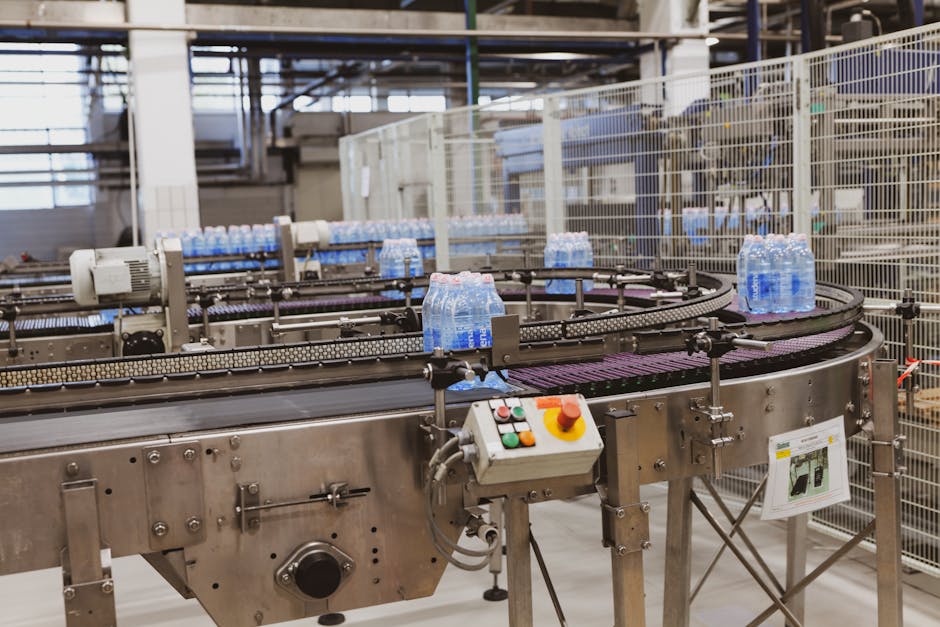
- Food Processing Automation: Robots are being employed for tasks such as sorting, packaging, and assembly in food manufacturing plants, improving consistency and speed.
- Kitchen Automation: Robotic arms are being tested and deployed in commercial kitchens for tasks like food preparation, cooking, and plating, particularly in the foodservice sector.
D. Biotechnology and Food Science:
- Alternative Proteins: Advancements in cellular agriculture (lab-grown meat) and precision fermentation are creating new sources of protein with potentially lower environmental footprints.
- Gene Editing (CRISPR): Used to develop crops with enhanced nutritional value, disease resistance, and improved yields.
- Edible Insects: A sustainable and protein-rich food source gaining traction in certain markets.
- 3D Food Printing: Enables the creation of customized food shapes, textures, and nutritional compositions, with potential applications in personalized nutrition and space exploration.
E. Internet of Things (IoT) and Sensors:
- Smart Farming: Sensors collect data on soil moisture, temperature, and nutrient levels, allowing for precise application of water and fertilizers.
- Cold Chain Monitoring: IoT sensors track temperature and humidity throughout the supply chain, alerting stakeholders to deviations that could compromise food safety.
- Inventory Management: Smart shelves and sensors can monitor stock levels in retail environments, automating reordering and reducing stockouts.
F. Data Analytics and Big Data:
- Consumer Insights: Analyzing vast amounts of data from social media, purchase history, and surveys provides deep insights into consumer preferences, behaviors, and emerging trends.
- Market Analysis: Identifying market gaps, competitive landscapes, and opportunities for new product development.
- Operational Efficiency: Analyzing production and sales data to optimize supply chains, reduce costs, and improve profitability.
IV. Challenges and Opportunities in the Modern Food Industry
Despite its resilience and innovation, the food industry faces significant hurdles.
A. Challenges:
- Food Safety and Security: Maintaining high standards of food safety to prevent outbreaks of foodborne illnesses and ensuring a stable and accessible food supply for a growing global population.
- Climate Change and Environmental Degradation: The agricultural sector is highly vulnerable to climate change impacts like extreme weather, water scarcity, and pest outbreaks, necessitating adaptation and mitigation strategies.
- Supply Chain Volatility: Geopolitical events, pandemics, and natural disasters can disrupt global supply chains, leading to price fluctuations and shortages.
- Labor Shortages: Many sectors within the food industry, particularly agriculture and foodservice, face ongoing challenges in attracting and retaining skilled labor.
- Regulatory Compliance: Navigating complex and evolving food safety regulations, labeling requirements, and import/export restrictions across different regions.
- Consumer Trust and Transparency: Rebuilding and maintaining consumer trust in the food system, especially concerning processed foods, GMOs, and the ethical treatment of animals.
B. Opportunities:
- Emerging Markets: Growing middle classes in developing countries present significant opportunities for expansion and the introduction of new food products and services.
- Innovation in Sustainable Solutions: The demand for sustainable food production and consumption creates fertile ground for companies developing eco-friendly packaging, plant-based alternatives, and waste reduction technologies.
- Personalized Nutrition Market: The increasing focus on individual health and wellness opens doors for businesses offering tailored dietary advice, customized food products, and functional ingredients.
- Technological Integration: Companies that embrace and effectively implement new technologies like AI, blockchain, and automation will gain a competitive edge in efficiency, transparency, and product quality.
- Circular Economy Models: Developing business models that minimize waste and maximize resource utilization throughout the food value chain.
- Direct-to-Consumer (DTC) Models: Leveraging e-commerce and digital platforms to connect directly with consumers, bypassing traditional intermediaries and building stronger brand loyalty.
V. The Future of Food: A Glimpse Ahead
The food industry’s trajectory is one of continuous evolution. We can anticipate a future characterized by:
- Hyper-Personalized Nutrition: Food designed not just for taste and convenience, but for individual genetic makeup, gut microbiome, and specific health goals.
- Decentralized Food Production: Increased adoption of urban farming, vertical farms, and localized production methods to reduce transportation costs and environmental impact.
- The Rise of Alternative Proteins: Plant-based and cultivated meats becoming mainstream, challenging traditional animal agriculture.
- Data-Driven Food Systems: AI and Big Data optimizing every aspect of the food chain, from predicting crop yields to personalizing consumer diets.
- Enhanced Food Safety and Transparency: Blockchain and advanced sensing technologies providing unprecedented visibility into food provenance and safety.
- A Stronger Emphasis on Food as Medicine: A deeper integration of nutritional science into healthcare and preventative wellness.
- The Blurring Lines Between Food and Technology: Smart appliances, AI-powered recipe generators, and even edible electronics could become commonplace.
The food industry stands at a critical juncture, poised to address some of the world’s most pressing challenges, from food security and environmental sustainability to public health. Navigating this complex landscape requires adaptability, a commitment to innovation, and a deep understanding of the forces shaping what and how we will eat tomorrow.
