Category: Middle East Conflicts 2
The multifaceted and enduring nature of Middle East conflicts necessitates a continuous and in-depth examination. This category, “Middle East Conflicts 2,” encompasses a range of ongoing disputes, historical grievances, and emerging flashpoints that continue to shape the geopolitical landscape of the region. Unlike a singular, isolated event, these conflicts are characterized by intricate webs of interconnectedness, where proxy wars, sectarian divisions, and economic pressures intertwine to perpetuate cycles of instability. Understanding these contemporary conflicts requires a granular approach, dissecting the motivations of various state and non-state actors, the role of external powers, and the profound humanitarian consequences. From the lingering fallout of the Syrian Civil War and the ongoing struggle in Yemen to the persistent tensions surrounding the Israeli-Palestinian conflict and the evolving dynamics within Iran, this analytical framework provides a platform for dissecting the complex realities of Middle Eastern instability. The region’s strategic importance, fueled by vast energy reserves and crucial trade routes, further elevates the stakes of these ongoing disputes, making their resolution a global imperative.
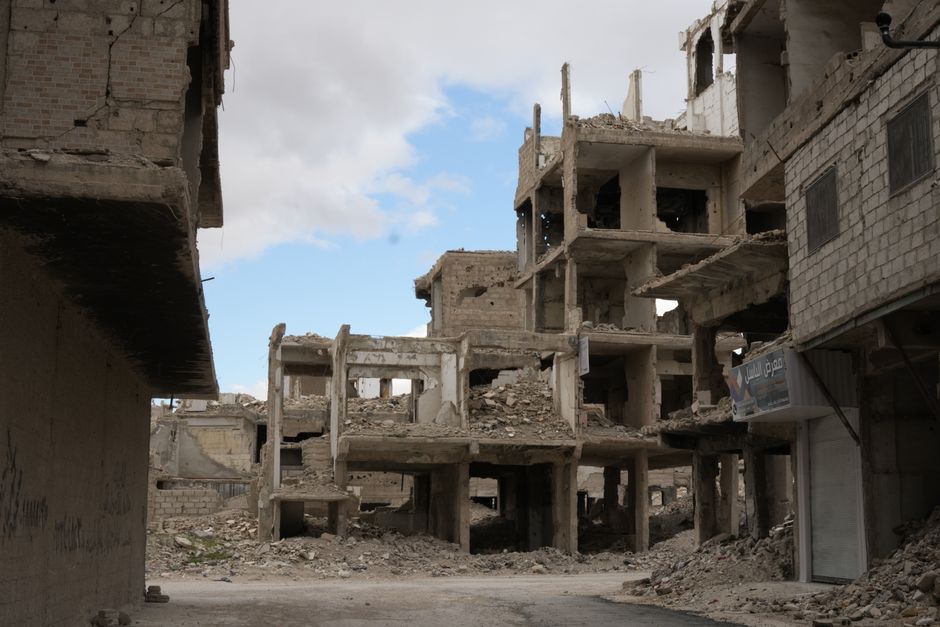
The Syrian Civil War, initiated in 2011 as a series of protests against the authoritarian rule of Bashar al-Assad, has evolved into a devastating protracted conflict involving a multitude of domestic and international actors. The initial uprising, fueled by the Arab Spring’s wave of dissent, quickly escalated from peaceful demonstrations to armed rebellion as the government responded with brutal force. This fragmentation of opposition forces, coupled with the emergence of extremist groups like the Islamic State of Iraq and Syria (ISIS), transformed the conflict into a multi-front war. Key factions include the Syrian regime, supported by Russia and Iran, and a fragmented opposition comprising moderate rebels, Islamist groups, and Kurdish forces, the latter often receiving support from the United States and its allies. The involvement of regional powers such as Turkey, Saudi Arabia, and Qatar has further complicated the situation, each backing different factions and pursuing their own strategic interests. The humanitarian toll has been catastrophic, with hundreds of thousands killed, millions displaced internally and externally, and widespread destruction of infrastructure. International efforts to broker a lasting peace have been stymied by deep-seated divisions among global powers and the irreconcilable demands of the warring parties. The current phase of the conflict is characterized by a de facto partition of the country, with the Assad regime controlling significant swaths of territory, while opposition groups hold sway in other areas, and Turkish-backed forces and Syrian Democratic Forces (SDF) control distinct zones. The long-term implications for Syria’s sovereignty, reconstruction, and the fate of its displaced population remain profoundly uncertain.
The Yemeni Civil War represents another critical and deeply consequential conflict within the Middle East’s fractured landscape. This conflict, which escalated significantly in 2015, pits the Houthi movement, an Iran-aligned Zaydi Shia group, against the internationally recognized government of President Abd Rabbuh Mansur Hadi, supported by a Saudi-led coalition. The Houthis, who seized control of the capital, Sana’a, in late 2014 and early 2015, argue they are fighting against corruption and foreign interference. The Saudi-led coalition intervened with the stated aim of restoring Hadi’s government and pushing back perceived Iranian influence. The war has devolved into a complex proxy conflict, with Iran allegedly providing support to the Houthis, and the United States, the United Kingdom, and France backing the Saudi-led coalition through arms sales and logistical support. The humanitarian crisis in Yemen is one of the worst globally, with widespread famine, disease outbreaks, and a collapsed healthcare system. Millions face starvation, and the ongoing conflict has destroyed critical infrastructure, including food production and distribution networks. The war has also witnessed the rise of various extremist groups, further fragmenting the conflict and complicating any potential resolution. Despite numerous ceasefire attempts and UN-led peace initiatives, a sustainable political settlement remains elusive. The economic devastation, coupled with immense human suffering, underscores the devastating consequences of this protracted civil war.
The Israeli-Palestinian conflict, a long-standing and deeply entrenched dispute, continues to be a persistent source of instability and violence in the Middle East. At its core, the conflict revolves around competing claims to the same land, with both Israelis and Palestinians asserting national aspirations. Key issues include the establishment of a Palestinian state, the status of Jerusalem, the right of return for Palestinian refugees, and security concerns for Israel. Decades of intermittent violence, including wars, uprisings (Intifadas), and terrorist attacks, have characterized the conflict. International efforts, including the Oslo Accords and various peace proposals, have failed to achieve a lasting resolution. The current situation is marked by Israeli occupation of the West Bank and Gaza Strip, settlement expansion in the West Bank, and a protracted blockade of Gaza. Palestinian factions, notably Fatah and Hamas, are divided, further complicating unified negotiation efforts. The cyclical nature of violence, often triggered by specific events such as Israeli military operations or Palestinian attacks, perpetuates mistrust and animosity. The humanitarian situation in the Palestinian territories, particularly in Gaza, remains dire, with severe restrictions on movement and access to essential resources. The involvement of regional and international actors, while sometimes aimed at de-escalation, also often reflects their own geopolitical interests, adding further layers of complexity to the quest for peace.
The internal dynamics within Iran, particularly in relation to its regional policies and domestic stability, represent a crucial element of Middle Eastern conflicts. The Islamic Republic, since its 1979 revolution, has pursued a foreign policy characterized by opposition to Israel, support for Shia communities across the region, and a rivalry with Saudi Arabia. This has translated into significant involvement in conflicts such as the Syrian Civil War, where Iran provides crucial military and financial support to the Assad regime, and its backing of Houthi forces in Yemen. The Iranian Revolutionary Guard Corps (IRGC) plays a pivotal role in projecting Iranian influence and supporting its regional proxies. Domestically, Iran has faced periodic unrest and protests, often fueled by economic grievances, political repression, and societal demands for greater freedoms. The nuclear program has also been a persistent point of contention, leading to international sanctions and diplomatic tensions. The interplay between Iran’s regional ambitions and its internal political landscape significantly shapes the broader conflict dynamics in the Middle East. The potential for escalation stemming from direct confrontations with regional rivals or external powers remains a persistent concern, as does the impact of internal dissent on the country’s ability to engage in regional affairs.
The resurgence and persistent threat of extremist ideologies and groups, particularly those affiliated with Salafist-jihadism, constitute another critical dimension of Middle East conflicts. While ISIS experienced territorial defeat in Iraq and Syria, its decentralized structure and underlying ideology continue to pose a significant threat. The group has inspired or claimed responsibility for attacks across the region and beyond. Al-Qaeda, though overshadowed by ISIS in recent years, remains an active and influential organization, with affiliates operating in various conflict zones, notably in the Sahel and parts of the Arabian Peninsula. The appeal of these groups often stems from a potent mix of political grievances, sectarian narratives, and a desire to exploit existing instability. The presence and activities of these extremist organizations exacerbate existing conflicts, disrupt humanitarian efforts, and pose a direct threat to civilian populations and regional security. Counter-terrorism efforts, while necessary, must be carefully calibrated to avoid further alienating populations or inadvertently fueling radicalization. The complex interplay between socio-economic factors, political grievances, and ideological indoctrination remains central to understanding and confronting this enduring threat.
The role of external powers and their strategic interests in fueling and perpetuating Middle Eastern conflicts cannot be overstated. The region’s strategic location, vast energy resources, and historical significance have long attracted the attention and intervention of global and regional powers. The United States, traditionally a dominant player, has maintained a significant military presence and diplomatic engagement, often focused on counter-terrorism, energy security, and supporting key allies. Russia, particularly since its intervention in Syria, has reasserted its influence, leveraging its military capabilities and diplomatic leverage. European powers, while often playing a more limited military role, remain engaged through diplomatic initiatives, humanitarian aid, and arms sales. Regional powers such as Saudi Arabia, Iran, Turkey, and Qatar actively pursue their own strategic objectives, often through proxy support for various factions, contributing to the complexity and escalation of conflicts. These external interventions, while sometimes aimed at achieving specific objectives, can inadvertently deepen divisions, prolong conflicts, and exacerbate humanitarian crises. The competition for influence, arms sales, and economic partnerships among these external actors often overshadows the urgent need for comprehensive and sustainable peacebuilding efforts.
The humanitarian consequences of these ongoing conflicts are profound and far-reaching. Millions of lives have been lost, and millions more have been displaced, creating massive refugee flows and internal displacement crises. Healthcare systems have been devastated, leading to outbreaks of preventable diseases and widespread malnutrition. Essential infrastructure, including schools, hospitals, and water systems, has been destroyed, hindering any prospect of recovery and development. The psychological toll on civilian populations, particularly children, is immense, with widespread trauma and long-term mental health challenges. Humanitarian organizations face immense difficulties in delivering aid due to security concerns, access restrictions, and the sheer scale of the needs. The cyclical nature of violence and displacement traps populations in perpetual vulnerability, further exacerbating poverty and social breakdown. Addressing the humanitarian crisis requires not only immediate relief but also long-term strategies for reconstruction, reconciliation, and the restoration of basic services.
The economic dimensions of Middle East conflicts are also critical to understanding their persistence. The region’s rich natural resources, particularly oil and gas, have historically been a source of both wealth and contention. Conflicts disrupt production and supply chains, leading to global economic impacts. Furthermore, the financing of various armed groups, through illicit trade, state sponsorship, or external funding, is a crucial element in perpetuating violence. The destruction of infrastructure and the disruption of economic activity have devastating impacts on local economies, leading to unemployment, poverty, and increased reliance on external aid. The arms trade, a multi-billion dollar industry, plays a significant role in supplying belligerents, further fueling conflict. The long-term economic recovery of conflict-affected nations is severely hampered by the destruction of capital, the loss of human capital, and the continued insecurity that deters investment. Understanding these economic drivers is essential for developing effective strategies for peace and stability.
Looking ahead, the trajectory of Middle East conflicts remains uncertain, influenced by a complex interplay of domestic factors, regional rivalries, and the evolving role of international actors. The potential for de-escalation exists through renewed diplomatic engagement, a focus on inclusive governance, and addressing the root causes of grievances. However, the entrenchment of existing power structures, the persistence of sectarian and ethnic divisions, and the continued geopolitical competition for influence pose significant obstacles. The emergence of new technologies, such as cyber warfare and autonomous weapons, could further complicate the nature of future conflicts. The long-term implications of climate change, such as water scarcity and resource competition, could also emerge as significant drivers of instability. Ultimately, achieving lasting peace in the Middle East requires a comprehensive, multi-faceted approach that addresses political, economic, social, and security dimensions, prioritizing de-escalation, dialogue, and the well-being of the region’s populations.
