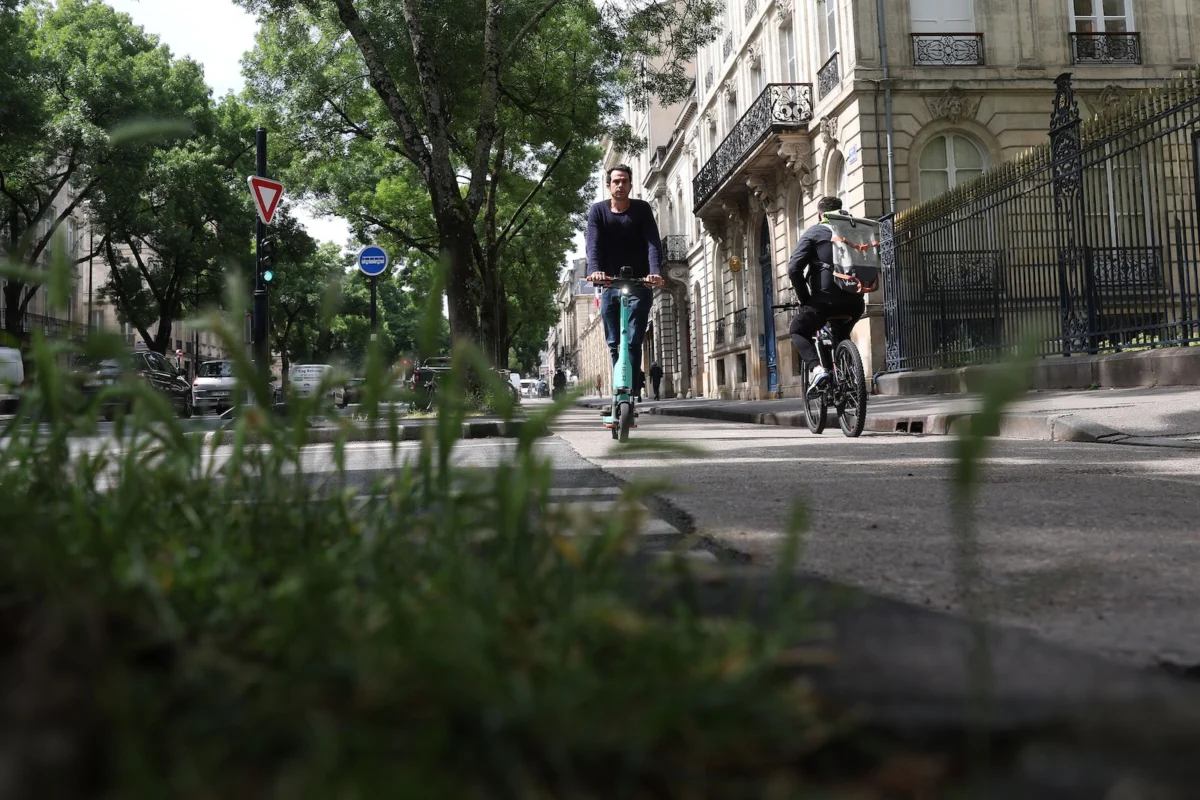
In an era defined by record-breaking heatwaves and increasingly volatile weather patterns, a global coalition of scientists is calling for a fundamental reassessment of how municipal governments view their green spaces. In a comprehensive new essay published in the journal PLOS Climate, dozens of researchers argue that urban forests—the collection of trees, shrubs, and vegetation within a city’s limits—must be reclassified from aesthetic amenities to "critical infrastructure." This shift would place tree canopies on the same level of priority as public education, transportation networks, and law enforcement, mandating dedicated budgets and long-term legislative protections.
The lead author of the study, Manuel Esperon-Rodriguez, an ecologist at Bangor University in the United Kingdom, emphasizes that the current approach to urban greenery is often reactive and superficial. While mayors frequently make bold campaign promises regarding tree planting, these initiatives often lack the funding for long-term maintenance or the legal teeth to survive political transitions. The researchers argue that for cities to survive the climate crisis, vegetation must be treated as a functional necessity rather than a "nice-to-have" luxury.
The Scientific Case for the Urban Canopy
The biological and environmental functions of trees provide a multifaceted defense against the "concrete jungle" effect. One of the most immediate benefits is the mitigation of the urban heat island effect. Cities, characterized by dense concentrations of pavement and buildings, absorb solar radiation throughout the day and radiate it back at night, often keeping urban centers significantly warmer than surrounding rural areas.
Trees combat this through two primary mechanisms: shade and evapotranspiration. Large canopies block direct sunlight from reaching the ground, while the biological process of "sweating"—releasing water vapor through leaves—cools the surrounding air. Research has shown that well-treed neighborhoods can be as much as 10 to 20 degrees Fahrenheit cooler than those without significant canopy cover.
Beyond temperature regulation, urban forests act as a natural drainage system. As climate change intensifies rainfall patterns, traditional sewer systems are increasingly overwhelmed, leading to catastrophic urban flooding. Greenery allows stormwater to soak into the ground, a concept known as the "Sponge City" model. By intercepting raindrops on their leaves and facilitating soil infiltration, trees reduce the volume and velocity of runoff, potentially saving municipalities billions in infrastructure damage and emergency response costs.
The Economic Dividend of Green Investment
While the cost of planting and maintaining trees is often cited as a barrier for cash-strapped local governments, the PLOS Climate essay and supporting economic data suggest that the return on investment is substantial. A recent analysis of municipal parks and recreation departments found that for every $1 invested in urban green spaces, cities reap approximately $3 in local economic benefits.
These dividends manifest in several ways. Public health costs are reduced as access to green spaces encourages physical activity, lowering rates of obesity and cardiovascular disease. Furthermore, the presence of trees has been linked to improved mental health outcomes, including reduced stress and anxiety levels. From a commercial perspective, verdant neighborhoods attract higher foot traffic, boosting local retail and dining sectors. Additionally, trees significantly lower energy costs for residents and businesses by reducing the need for air conditioning during peak summer months.
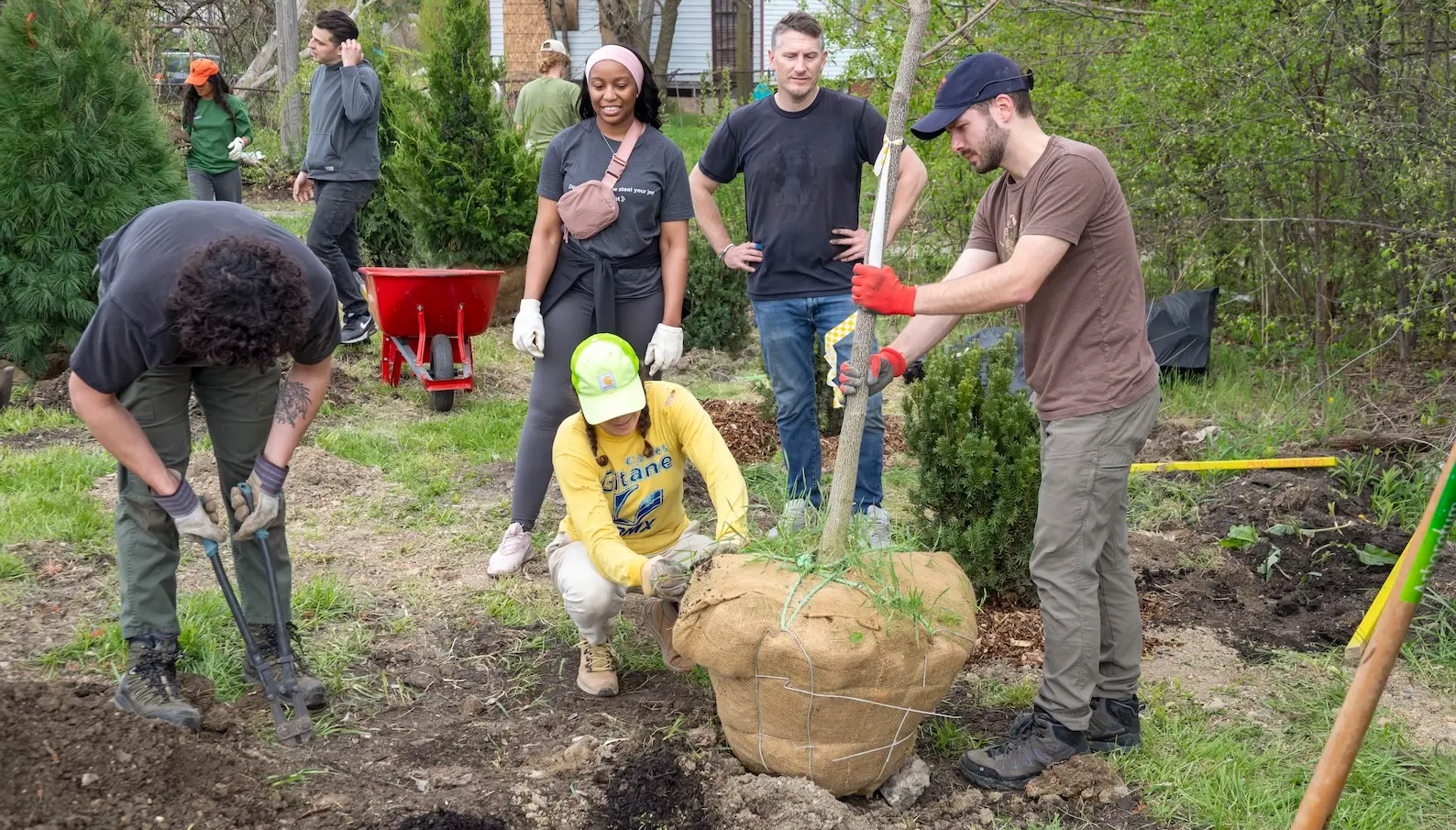
However, the researchers note that these benefits are only realized if the trees survive. This requires a shift from "planting-centric" policies to "maintenance-centric" ones. Newly planted trees are highly vulnerable to pests, drought, and physical damage. Without dedicated funding for arborists, irrigation, and soil management, initial investments in urban forestry are often wasted when saplings die within the first few years of being planted.
Addressing the Tree Equity Gap
One of the most pressing issues highlighted in the new research is the inequitable distribution of urban canopies. Historically, wealthier neighborhoods have enjoyed significantly more tree cover than lower-income or underserved communities. This disparity is not merely an aesthetic issue; it is a matter of life and death.
In many cities, the map of tree canopy cover aligns almost perfectly with maps of historical redlining and current socioeconomic status. Residents in "gray" neighborhoods—those dominated by asphalt and lacking greenery—suffer higher rates of heat-related illnesses and deaths. These populations are also less likely to have access to high-quality air conditioning, leaving them defenseless against rising temperatures.
"Then what’s the cost?" Esperon-Rodriguez asks in the essay. "They are missing opportunities, they are missing recreational activities. And if they don’t have air conditioning, then on top of that there is the issue of health." The scientists argue that municipal leaders must prioritize "tree equity," ensuring that reforestation efforts are concentrated in the areas that need them most, rather than simply adding more greenery to already affluent districts.
A Four-Point Strategy for Urban Resilience
To move from theory to practice, the authors of the PLOS Climate study outline a four-point approach for city officials:
- Investment and Dedicated Budgeting: Urban forestry must have a line item in the municipal budget that is protected from fluctuations in the political climate. By classifying trees as critical infrastructure, cities can unlock specialized funding streams usually reserved for roads or bridges.
- Maintenance and Longevity: Policies must focus on the "establishment phase" of a tree’s life, ensuring that resources are available for the first five to ten years after planting. This includes pest management and soil health monitoring.
- Equity and Community Collaboration: Reforestation cannot be a top-down mandate. City officials must work with local residents to determine what types of trees are desired. For example, some communities may prioritize fruit trees for food security, while others may require low-pollen species to accommodate residents with severe allergies.
- Evidence-Based Species Selection: As the climate changes, many native species may no longer be able to survive in their historical ranges. Urban planners must use predictive modeling to select "future-proof" species that can withstand the specific heat and drought conditions projected for the next 50 years.
Legislative Durability and Accountability
A central theme of the scientific call to action is the need for codification. Mayoral promises to plant a million trees are often abandoned when a new administration takes office or when a budget crisis emerges. To prevent this, the researchers advocate for urban forestry targets to be enshrined in municipal law.
Legislation creates a framework for accountability, allowing citizens and environmental groups to hold elected officials responsible if canopy targets are not met. It also provides a stable environment for private-sector partners and non-profits to invest in urban greening, knowing that the projects will not be defunded or neglected in the future.
This legislative approach also addresses the "gray-to-green" transition in urban planning. It mandates that new developments include a certain percentage of canopy cover or permeable surfaces, shifting the burden of greening from the public sector alone to a shared responsibility with private developers.
The Global Context and Future Outlook
The push to elevate urban forests to the status of critical infrastructure comes at a time when international bodies are increasingly recognizing the role of nature-based solutions. The United Nations Sustainable Development Goals (SDGs) and the New Urban Agenda both emphasize the importance of inclusive, green public spaces.
However, the implementation remains localized. While cities like Singapore and Melbourne have made significant strides in integrating vegetation into the urban fabric, many cities in the Global South and the United States continue to see their canopies shrink due to development and lack of maintenance.
The "3-30-300" rule, a guideline proposed by forestry experts, suggests that every citizen should be able to see at least three trees from their home, live in a neighborhood with at least 30 percent tree canopy cover, and be no more than 300 meters away from the nearest high-quality public park. Achieving this goal on a global scale would require a massive reallocation of resources and a profound change in how we define a "modern city."
Conclusion: Securing the Future
The essay by Esperon-Rodriguez and his colleagues serves as a stark reminder that the trees we plant today are the infrastructure our children will rely on to survive the mid-century climate. By treating urban forests with the same seriousness as power grids or water systems, cities can build a more resilient, equitable, and habitable future.
"It’s a way to secure," Esperon-Rodriguez concludes, "that whatever we’re planting today is going to survive the next 10, 20, or 50 years." As the world continues to urbanize, the difference between a thriving city and an unlivable one may very well come down to the strength and health of its canopy. The scientific community has provided the roadmap; the question remains whether political leaders are ready to treat the "low-hanging fruit" of urban forestry as the essential infrastructure it truly is.