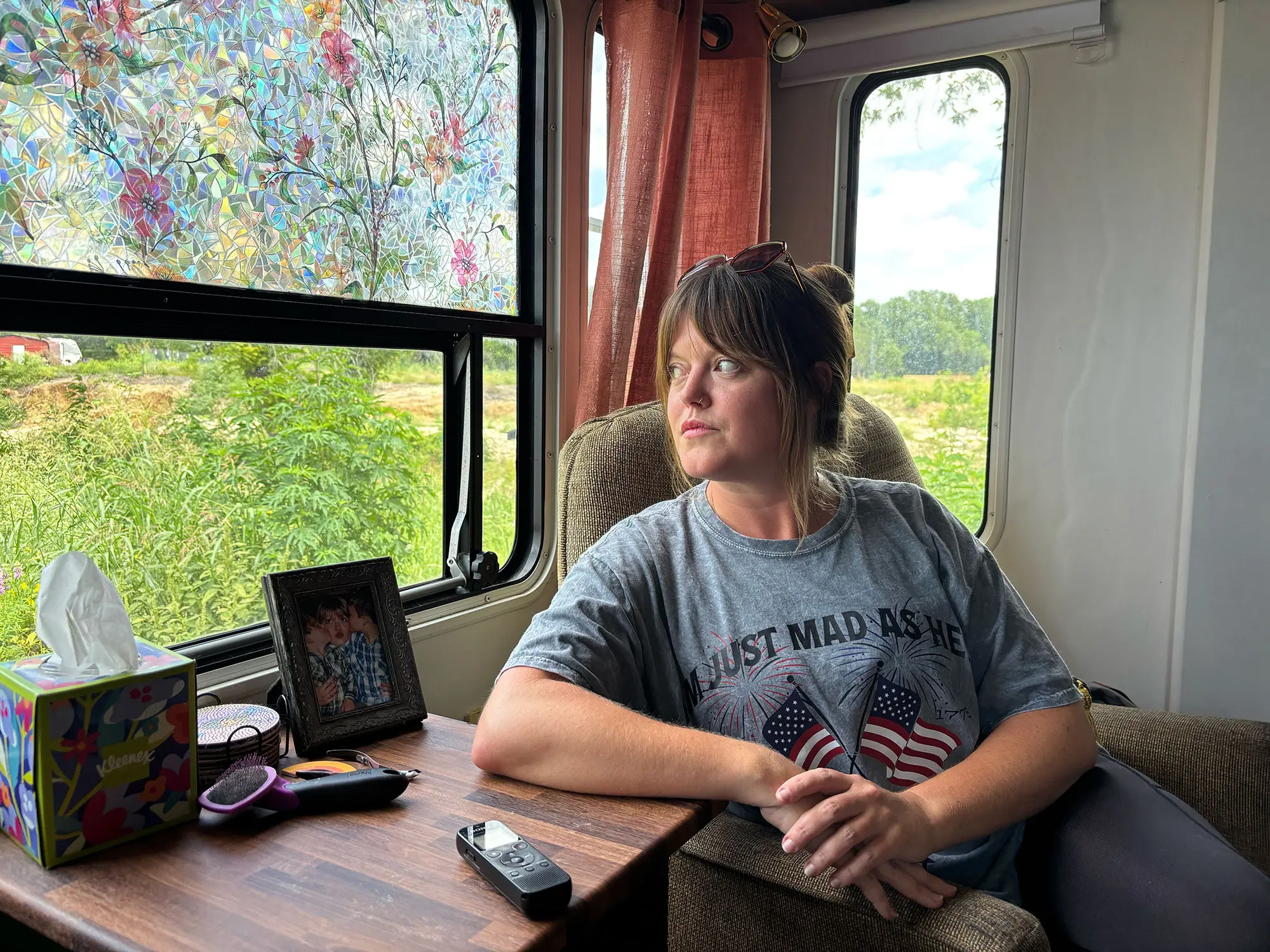
When the rain begins to fall on the rows of recreational vehicles lining the banks of Big Sandy Creek, the sound against the metal roofs mimics the staccato of gunfire. For Ashlee Willis, a survivor of the catastrophic July 2025 floods, the auditory assault is only the beginning of the anxiety. As the wind picks up, her temporary home begins to sway—a sensation so visceral that she retreats to the narrowest hallway of her camper, clutching her two cats. Nearby, a Taylor Swift blanket is already packed into a pet carrier, a makeshift "go-bag" for a woman who knows exactly how quickly a creek can turn into a killer.
One year after the most devastating flood in the modern history of Central Texas, the community of Sandy Creek remains a landscape of suspended animation. While the floodwaters of July 5, 2025, receded within hours, the bureaucratic and financial deluge that followed has proved far more persistent. For the 600 residents of this unincorporated Travis County community, the path to recovery is blocked by a complex web of "substantial damage" regulations, insurance shortfalls, and a systemic lack of resources for the rural poor.
The Night the Creek Rose: A Chronology of Disaster
The disaster began during what was supposed to be a weekend of celebration. On July 4, 2025, the Gerstner and Willis families had prepared for a massive Independence Day gathering. They had purchased "a bajillion" glow sticks to light up their above-ground pool and stocked up on fireworks. However, as heavy rains moved into the region, the festivities were canceled. Willis, her parents Brandy and Gregg Gerstner, and eight guests retired to bed, some in the main house and others in tents pitched on the lawn.
By 2:30 a.m. on July 5, the situation turned lethal. A localized atmospheric phenomenon had dumped nearly 15 inches of rain upstream in a matter of hours, sending a wall of water down Big Sandy Creek. The Gerstners were shaken awake by the vibration of the storm. As they scrambled to save their livestock, the water rose with impossible speed. Gregg Gerstner managed to load two pigs into a guest’s Jeep, but as he returned to the house to assist his wife, the structure began to fail.
The flood tore Willis’s mobile home from its foundation. Inside, she and five guests, along with several pets, climbed onto a pool table as water filled the rooms. "There was no way to comprehend how we were going to survive," Willis recalled. Outside, the torrent swept the Jeep away, ejecting its occupants. Gregg Gerstner, wading through chest-deep water, managed to push a floating tire toward one guest and a plastic drum toward another, while a third clung to the branches of a submerged tree.
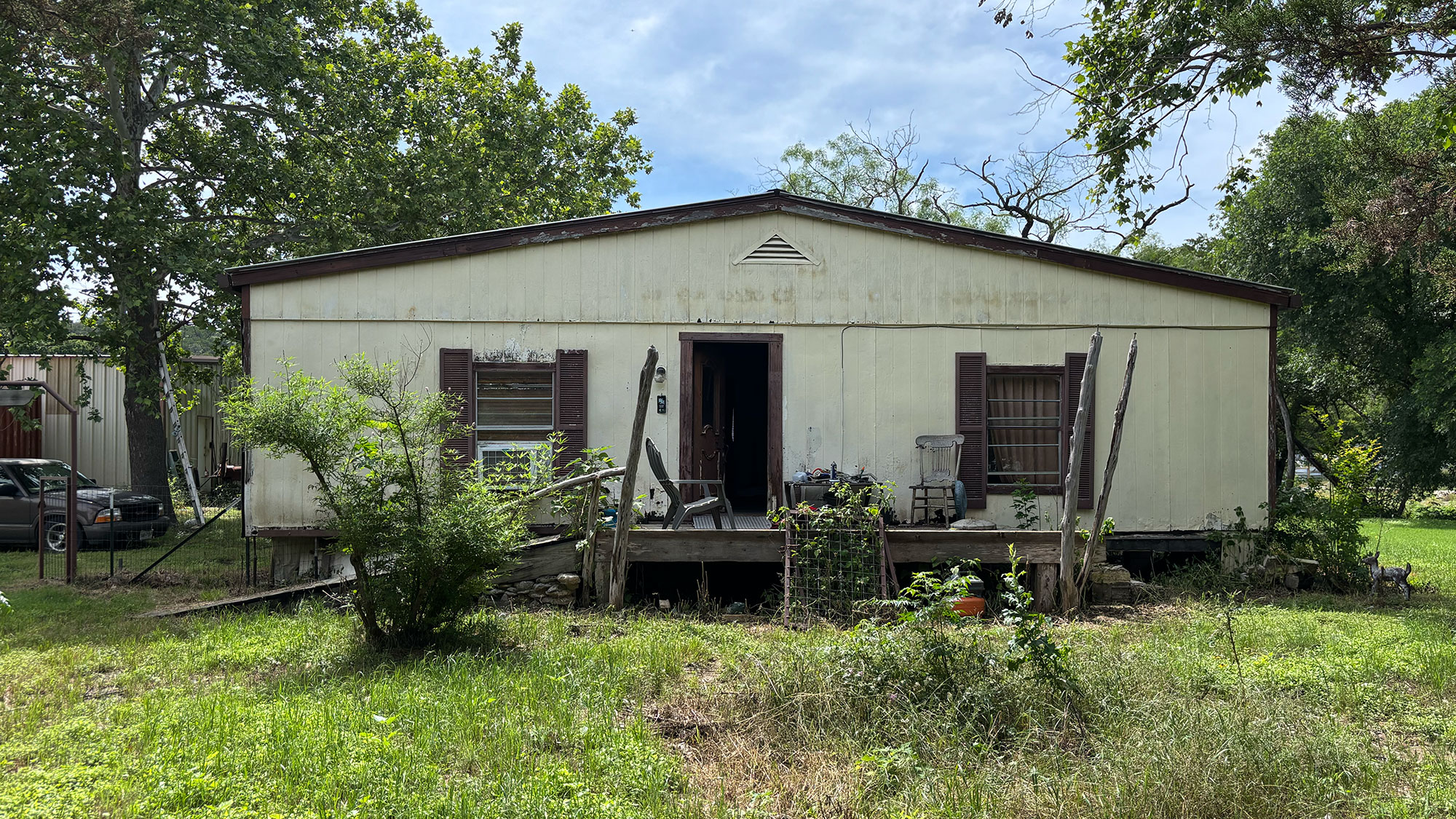
By dawn, the scale of the tragedy was clear. The July 2025 flood event killed 139 people across Central Texas, with 10 of those fatalities occurring in the small Sandy Creek community alone. Property damage across the region was later estimated at $1.1 billion. In Sandy Creek, 74 homes were completely destroyed.
The Bureaucracy of "Substantial Damage"
For survivors like the Gerstners, the struggle shifted from physical survival to navigating the "Substantial Damage" clause—a federal and county standard that has become the primary obstacle to rebuilding. Under Federal Emergency Management Agency (FEMA) guidelines adopted by Travis County, if the cost of repairing a home equals or exceeds 50 percent of its pre-flood market value, the entire structure must be brought up to current building codes.
In the floodplain of Sandy Creek, current code requires homes to be elevated at least two feet above the expected height of a 100-year flood. For the Gerstner-Willis family, this translates to a staggering requirement: their new home must be built 12 feet in the air, requiring specialized pier foundations and a mechanical lift for accessibility.
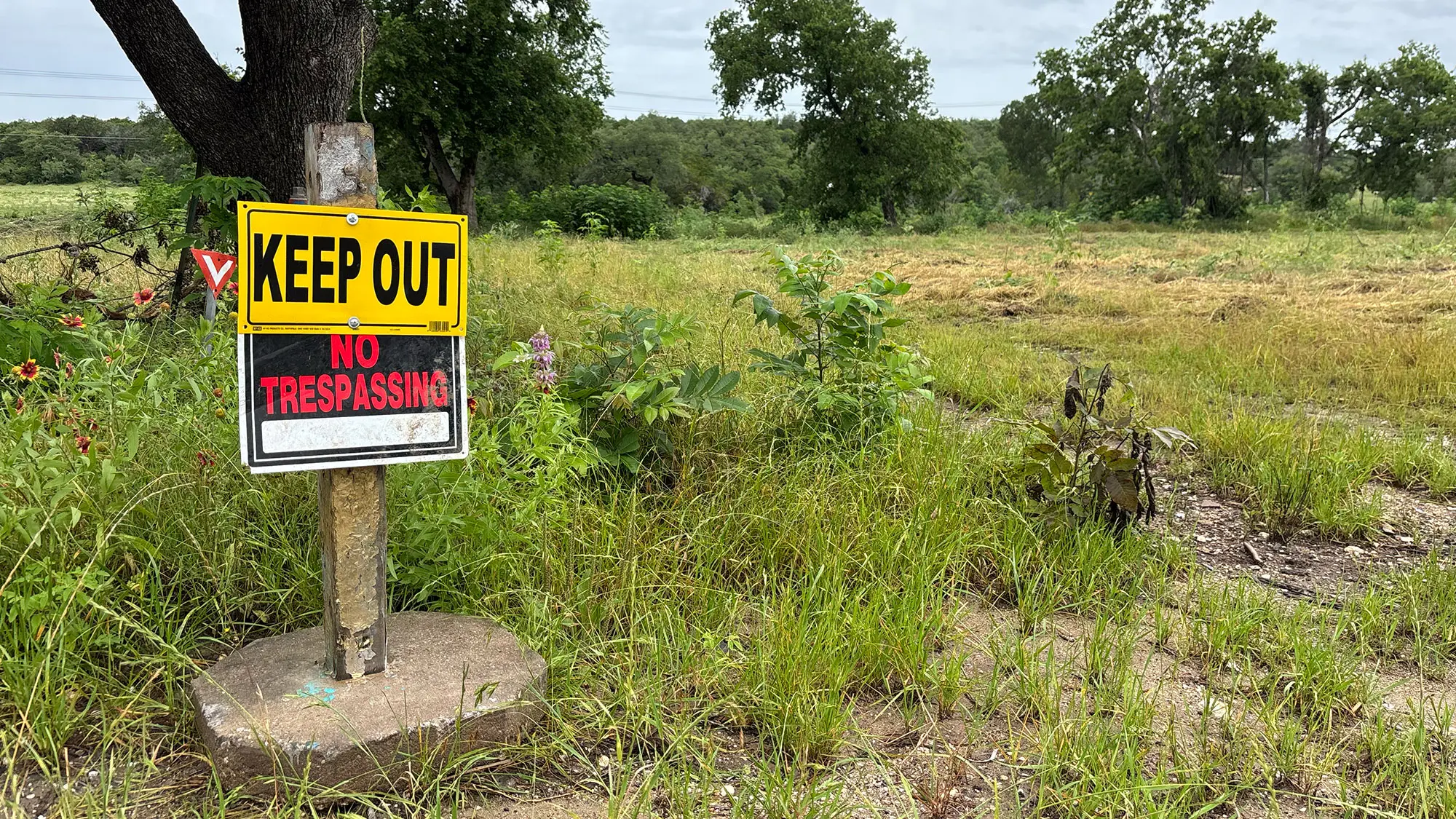
"I would say 98 percent of the people out here are not going to be able to afford their houses to be raised," Brandy Gerstner said. The cost of elevation can add more than $100,000 to a construction project, a sum that is out of reach for a community where many live on fixed incomes or in multigenerational family compounds.
Furthermore, Travis County has increased its oversight in the wake of the disaster. While the area was historically a "free-for-all" regarding permits and land use, county officials now "watch us like hawks," according to residents. While these regulations are designed to prevent future loss of life, they have created a "catch-22" for the impoverished: they cannot afford to rebuild to code, but they are legally barred from repairing their homes to their previous state.
The Aid Gap: Statistics of a Fragmented Recovery
The recovery effort in Sandy Creek highlights a significant gap between federal assistance and the actual cost of disaster restoration. Data from the 2025 flood response reveals a stark reality:
- Insurance Deficit: Only 2.4 percent of flood-affected households in Travis County carried active flood insurance policies at the time of the event.
- FEMA Limitations: While 1,212 households registered for FEMA assistance, the agency’s individual assistance is capped at $43,600. In Travis County, FEMA has distributed approximately $4.3 million—an average of just $3,547 per registered household.
- Private Philanthropy: A patchwork of nonprofits has attempted to fill the void. A George Strait benefit concert raised millions, providing $25,000 checks to 60 families. The Travis County Recovery Alliance, a coalition of 16 nonprofits, is currently managing 155 cases, but resources are dwindling as "donor fatigue" sets in.
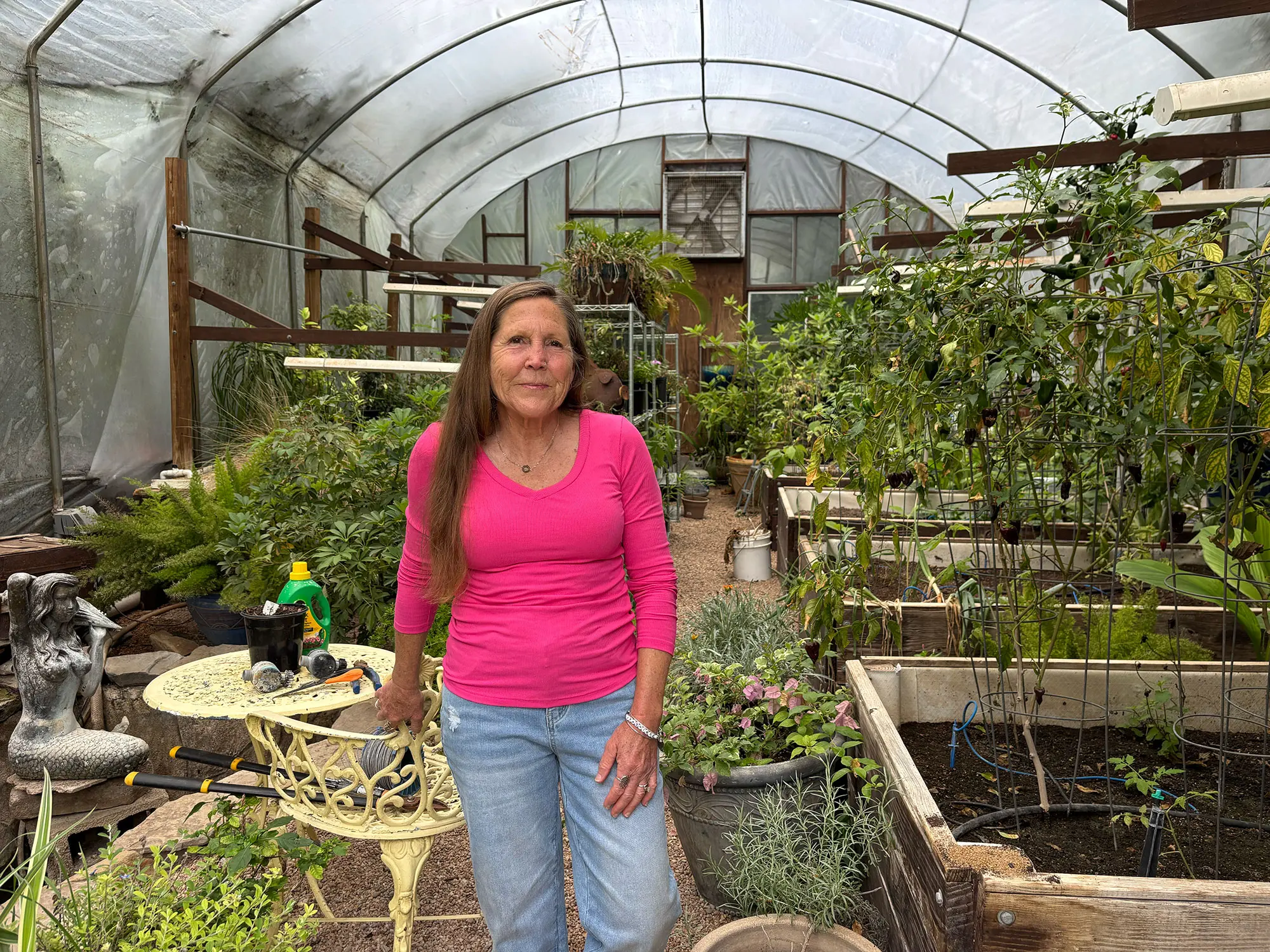
For Ashlee Willis, the recovery has been a lesson in the complexities of modern land ownership. Because her home was a secondary structure on her parents’ land and she was not on the deed, she was initially denied aid by several organizations that viewed her situation as a "duplicate claim" or "double-dipping." It took months of advocacy and the intervention of the nonprofit "Rebuild Sandy Creek" to secure even a fraction of the funds needed to start over.
Socio-Economic Vulnerability and the "RV Park" Reality
The plight of Sandy Creek is an example of what researchers call "disaster gentrification" or the "poverty-hazard cycle." Shannon Van Zandt, a researcher at Texas A&M University, notes that low-income populations are often pushed into low-lying, flood-prone areas because that is where land is most affordable.
"We need to be doing a better job of making sure that income is not such an important predictor of the harm that someone receives during a disaster," Van Zandt said.
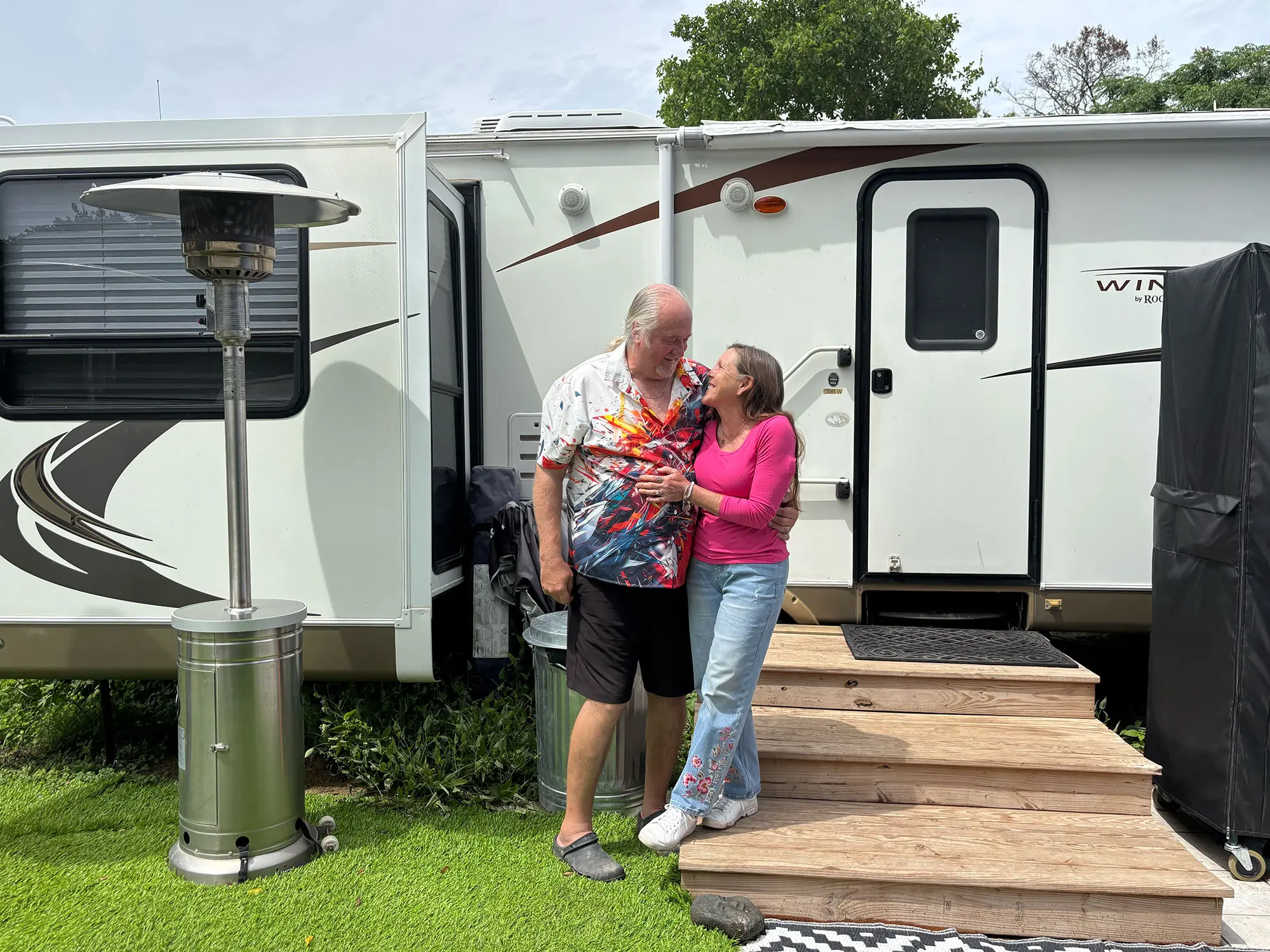
Today, Sandy Creek has effectively been transformed into an informal RV park. Dozens of families remain in donated campers or trailers, often parked closer to the creek than the homes they replaced. This creates a new set of risks. In the winter of 2025, several RVs caught fire due to the use of space heaters. In June 2026, minor flooding again washed out road crossings, briefly trapping residents in their campers.
The county’s regulations technically prohibit living in an RV on a single site for more than 180 days, but enforcement has been nonexistent. "What are you going to do—kick us all out of here? Make us all homeless?" Brandy Gerstner asked, highlighting the lack of viable housing alternatives in the region.
The Fight for Policy Reform: "Fund Texas Forever"
The trauma of the flood has catalyzed a new wave of political activism in the community. Ashlee Willis and Brandy Gerstner helped form the Sandy Creek Alliance, a grassroots group lobbying for state and federal policy changes. Their primary goal is the creation of "Fund Texas Forever," a disaster reserve financed by the state’s multi-billion-dollar rainy-day fund.
The proposed fund would provide immediate, low-interest bridge loans and grants to survivors, bypassing the months-long delays often associated with federal aid. While Governor Greg Abbott has expressed support for strengthening flood regulations, the legislative path for a dedicated state-funded disaster reserve remains uncertain.
Willis has also joined "Organizing Resilience," a national network of disaster survivors. "I’m a Swiftie," she joked, referencing her Taylor Swift "flee blanket." "I always like to joke with county and government officials: ‘Look what you made me do.’"
A Landscape Transformed
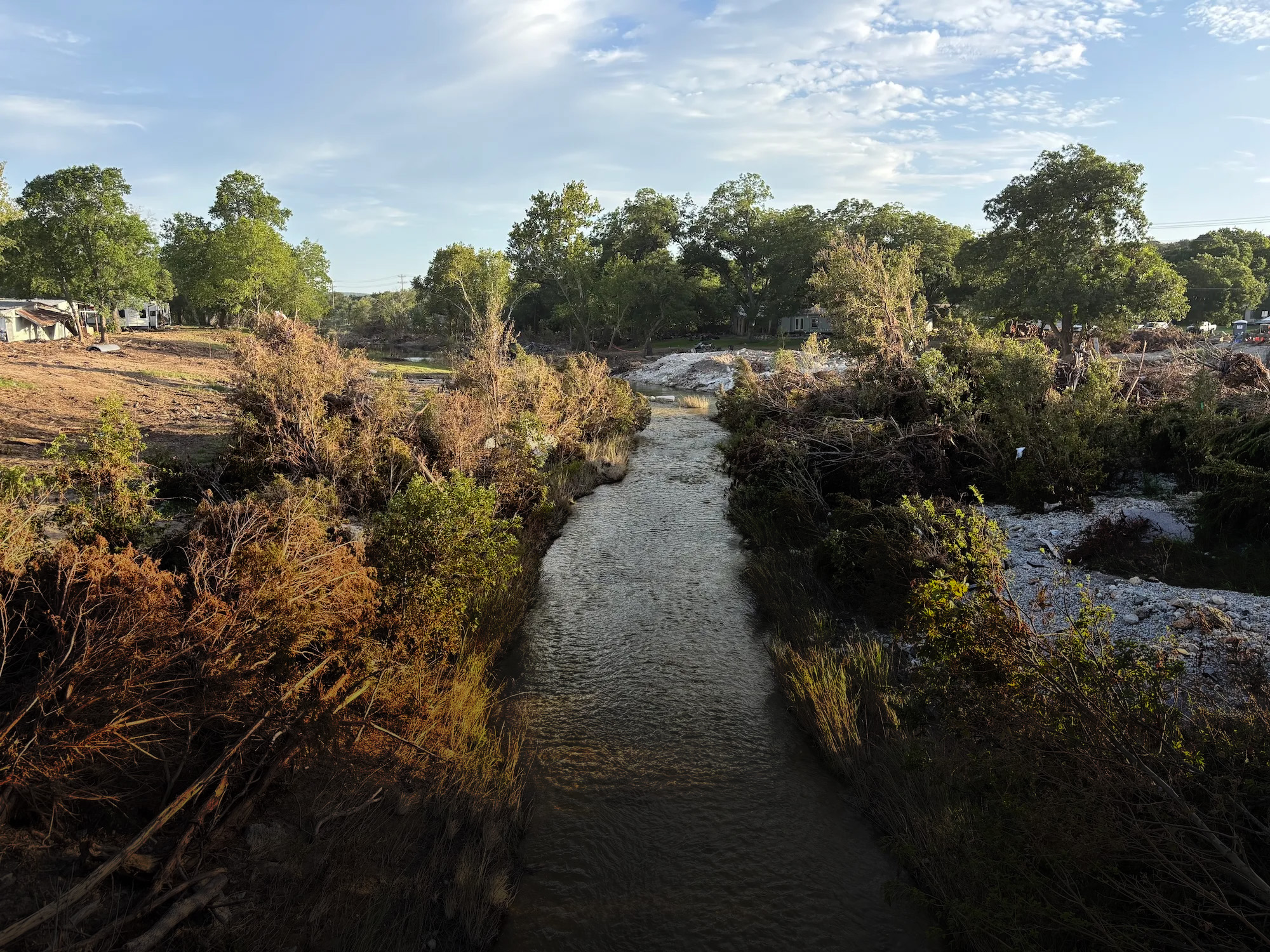
As the one-year anniversary passes, the physical landscape of Sandy Creek serves as a grim reminder of the water’s power. The dense tree line that once obscured the creek is gone, replaced by barren banks and a few struggling saplings. The removal of the vegetation has stripped away the privacy the residents once cherished; neighbors can now see directly into each other’s backyards and RV windows.
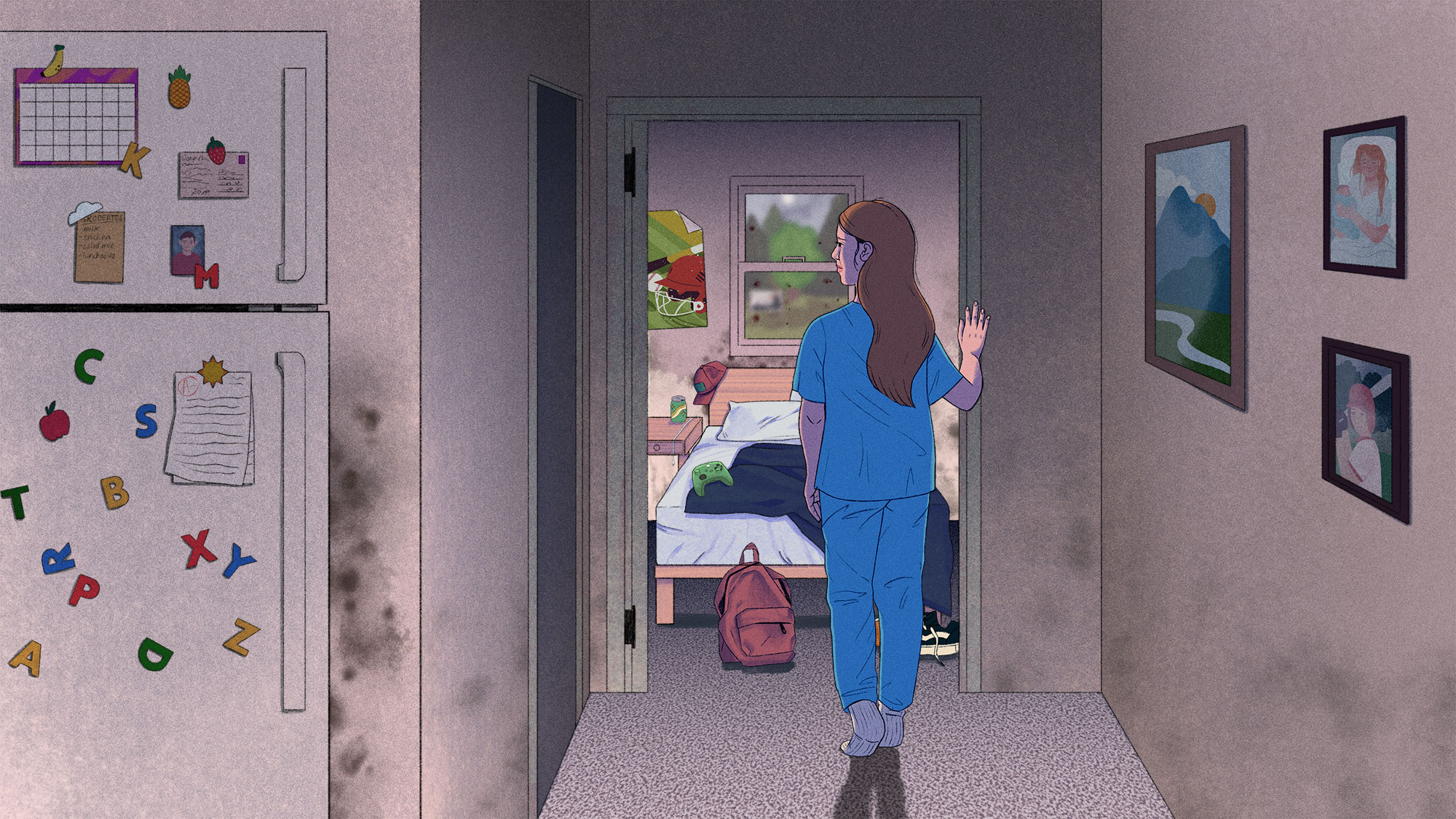
The human cost continues to mount. In December 2025, Harold Sherwood, a local veteran and grandfather who had lost everything in the flood, passed away from cancer. His family and neighbors believe the extreme stress of the "substantial damage" requirements and the prospect of never being able to afford a permanent home accelerated his decline.
"He died of a broken heart and a broken system," one neighbor remarked during a memorial service held on the concrete slab where Sherwood’s home once stood.
The story of Sandy Creek is a cautionary tale for a warming world. As extreme weather events become more frequent and intense, the traditional models of disaster recovery—reliant on high insurance penetration and modest federal grants—are proving inadequate. For the survivors of Big Sandy Creek, the "storm" never truly ended; it simply shifted from a meteorological event into a grueling, year-long battle for the right to remain on their land.