Tomás Ayala leaps off the side of a small dinghy and into the dark swell of water, his arms slicing through the waves as he dives deep into the bay off the southeastern coast of Culebra. Armed with a spear gun, the 50-year-old scans the perimeter of the reef for his target, a task he has mastered since he began free diving at the age of eight. Seconds later, a cloud of blood darkens the water around a large hogfish, signaling a successful catch. Ayala hauls his prize to the surface and returns to his boat, heading toward a concrete dock that leads to a villa pesquera—a traditional fishing village and landing center that serves as the heartbeat of Culebra’s maritime community.
Inside this facility, cleaning stations, freezers, and saltwater tanks for lobsters facilitate a bustling market. For Ayala and dozens of other local fishers, the villa pesquera is more than a place of business; it is a communal hub where the association that co-manages the space meets weekly to discuss federal permits, oyster farming, and the removal of abandoned gear from the seabed. However, the existence of this facility is a miracle of community organizing rather than government support. For nearly two decades, Culebra’s villa pesquera lay dormant, abandoned by the Puerto Rican government in 2002 following years of political infighting and funding cuts. Its resurrection in 2023 was the result of four years of local fundraising, permit-seeking, and donated labor from neighbors and small businesses.
Behind this local success lies a systemic crisis. As climate change accelerates—bringing intensified hurricanes and rising sea temperatures—Puerto Rico’s small-scale fishing sector finds itself trapped between environmental degradation and a fragmented, inefficient bureaucratic landscape. The survival of these traditional fishers is now inextricably linked to their ability to navigate a government that many describe as their greatest barrier to resilience.
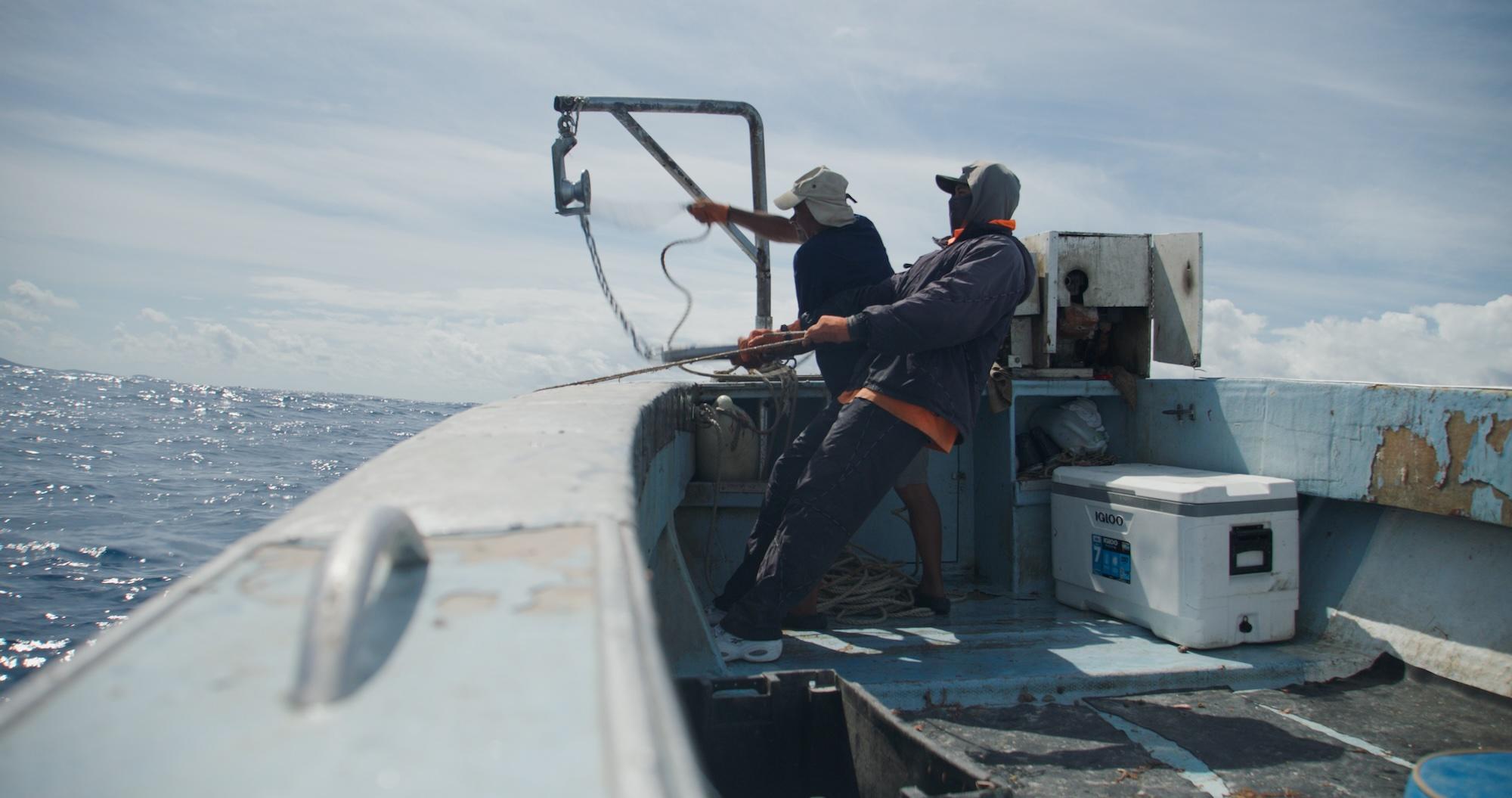
A History of Fragmented Governance
The institutional support for Puerto Rican fisheries has shifted from centralized management to a disorganized patchwork over the last sixty years. In the 1960s, the government began a push to modernize commercial fishing boats and formalize docking facilities, creating the villas pesqueras as regulated communal spaces. In 1979, the government established the Corporación para el Desarrollo y Administración de los Recursos Marinos, Lacustres, y Fluviales (CODREMAR), a centralized agency designed to oversee research, education, and conservation for the commercial fishing sector.
By the early 1980s, the government encouraged the formation of fisher associations to manage these landing centers and break up emerging seafood monopolies. However, research by Manuel Valdés-Pizzini, a social anthropologist at the University of Puerto Rico at Mayagüez, indicates that these associations frequently struggled due to dwindling institutional support and partisan political interference. This decline culminated in 1990 when CODREMAR was dissolved after being deemed inefficient. Its responsibilities were split between the Department of Agriculture and the Department of Natural and Environmental Resources (DNER).
Today, the governance of Puerto Rico’s fishing industry is distributed across a dizzying array of stakeholders. While the Department of Agriculture oversees equipment and storage, the DNER regulates licenses and boat ramps. Other regulators include the Puerto Rican Department of Economic Development and Commerce, the U.S. Army Corps of Engineers, the Coast Guard, the Environmental Protection Agency (EPA), the National Oceanic and Atmospheric Administration (NOAA), and the Caribbean Fishery Management Council. For small-scale fishers, this lack of a single point of contact creates a "regulatory wall" that makes adapting to modern challenges nearly impossible.
The Economic and Social Value of Artisanal Fishing
Unlike the industrial fishing operations common in the mainland United States, Puerto Rico’s sector is almost entirely composed of small-scale, artisanal fishers. While the combined agriculture, forestry, and fishing sector accounts for only 0.69 percent of Puerto Rico’s gross domestic product (GDP) as of 2024, its local impact is profound. In vulnerable island communities where over 90 percent of food is imported and poverty rates often double the U.S. national average, local fishing is a cornerstone of food sovereignty.
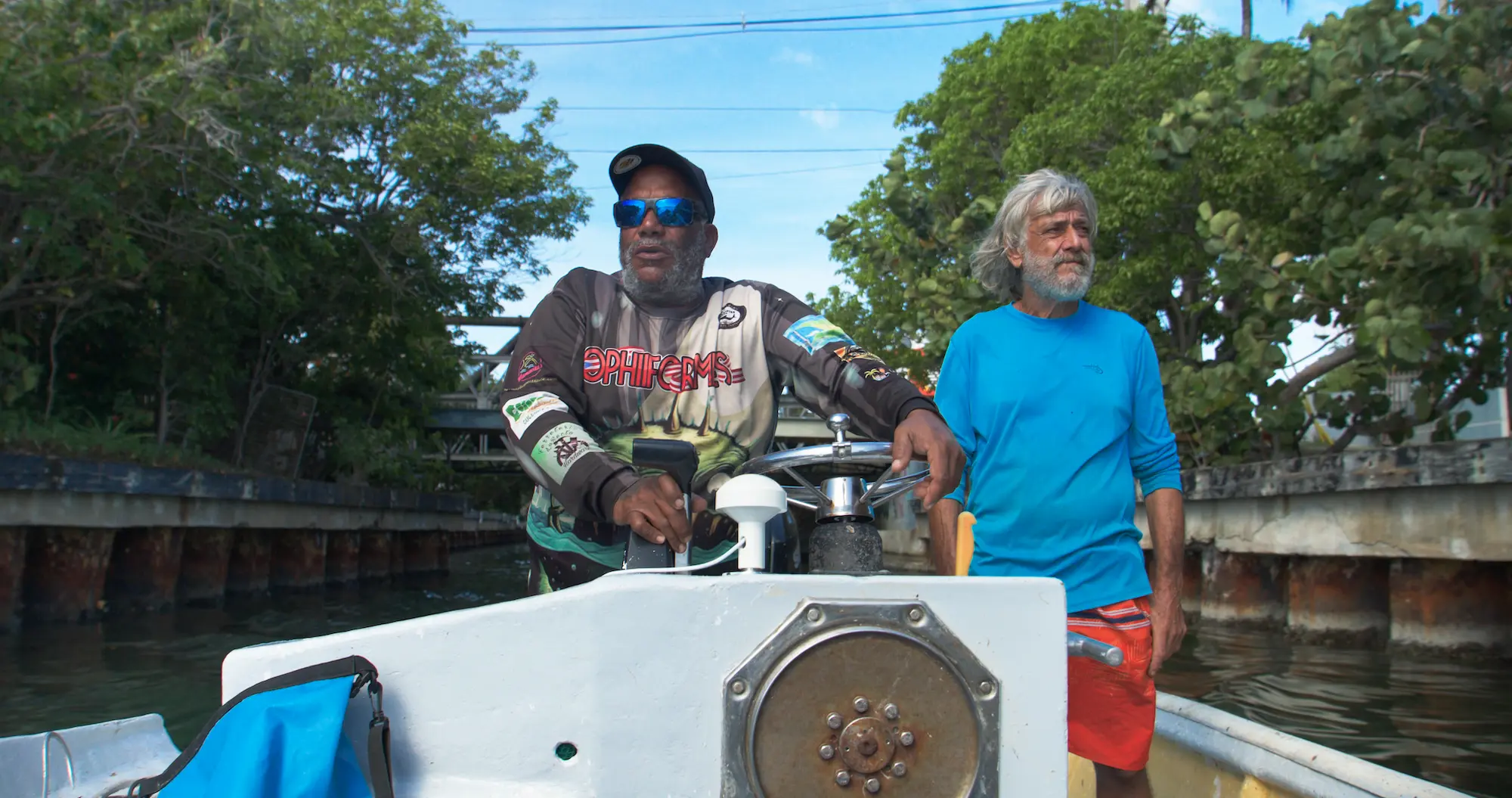
A recent study by the nonprofit Conservación ConCiencia found that just 12 villas pesqueras contribute more than $3 million annually to the local economy. Despite this, the number of active villages has plummeted. In the 1980s, there were approximately 63 active landing centers; today, that number is estimated to be around 41, though the government maintains no official, up-to-date count. The DNER reports having 1,646 licensed fishers on record, but experts suggest this figure may not capture the full scope of the traditional workforce, as many operate on the fringes of the formal permitting system due to high costs and red tape.
A forthcoming analysis by The Nature Conservancy Puerto Rico highlights that the cost of permits and authorizations for marine aquaculture can reach thousands of dollars—a disproportionately high burden for small producers compared to their peers in other U.S. jurisdictions. This financial barrier prevents traditional fishers from diversifying their income through methods like native oyster farming, which could bolster local food supplies.
The Dual Threat of Climate Change and Erosion
As fishers struggle with bureaucracy, the environment around them is changing rapidly. Since 1901, the average ocean temperature around Puerto Rico has risen by nearly 2 degrees Fahrenheit. This warming has decimated coral reefs and seagrass beds, forcing fishers to travel further into deeper, more dangerous waters to find their catch.
Furthermore, coastal erosion has reached a state of crisis. Erosion now affects more than one-third of Puerto Rico’s beaches. In 2023, the government declared a state of emergency over coastal loss, earmarking $105 million in federal funds for mitigation. This was followed by another emergency declaration in May 2024 by Governor Jenniffer González-Colón, who cited the "critical condition" of the coastline due to rising sea levels and storm surges.
The most devastating blow to the industry remains Hurricane Maria, which struck in 2017. The storm caused an estimated $17.8 million in damage to fishing gear, boats, and shoreside infrastructure. In the aftermath, the distribution of recovery funds was plagued by delays. An audit published in January 2025 by the Office of the Inspector General (OIG) at the U.S. Department of Commerce revealed a startling failure in the aid process: since April 2020, the Puerto Rican government has distributed only about 7 percent of the $11.4 million in disaster assistance funds earmarked for fisheries. Of the 17 designated restoration projects, only four had been completed at the time of the audit.
Community Resilience in the Face of Neglect
In the absence of effective government intervention, fishing communities have been forced to fund their own survival. In the beach town of Ceiba, Ernesto Correa Torres and Beverly Román Figueroa have spent years fighting for the repair of their local villa pesquera. After Hurricane Maria, they were told the municipality had received $124,000 in FEMA aid for repairs, yet they found the facility in a state of ruin as late as 2023, with waterlogged floors and destroyed pipes.
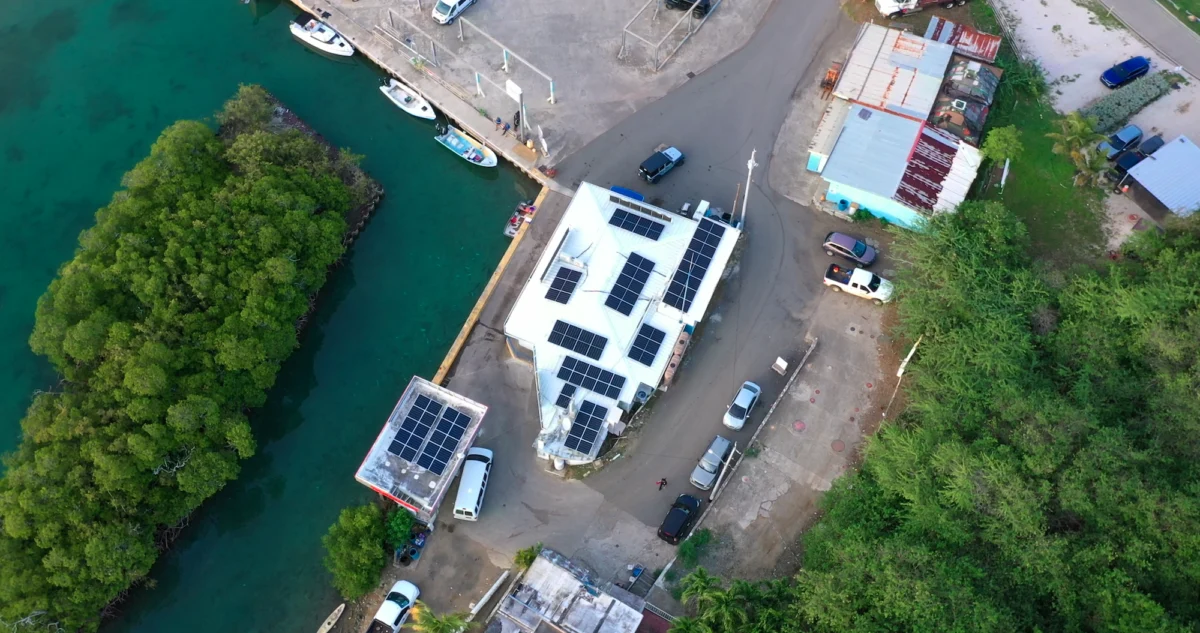
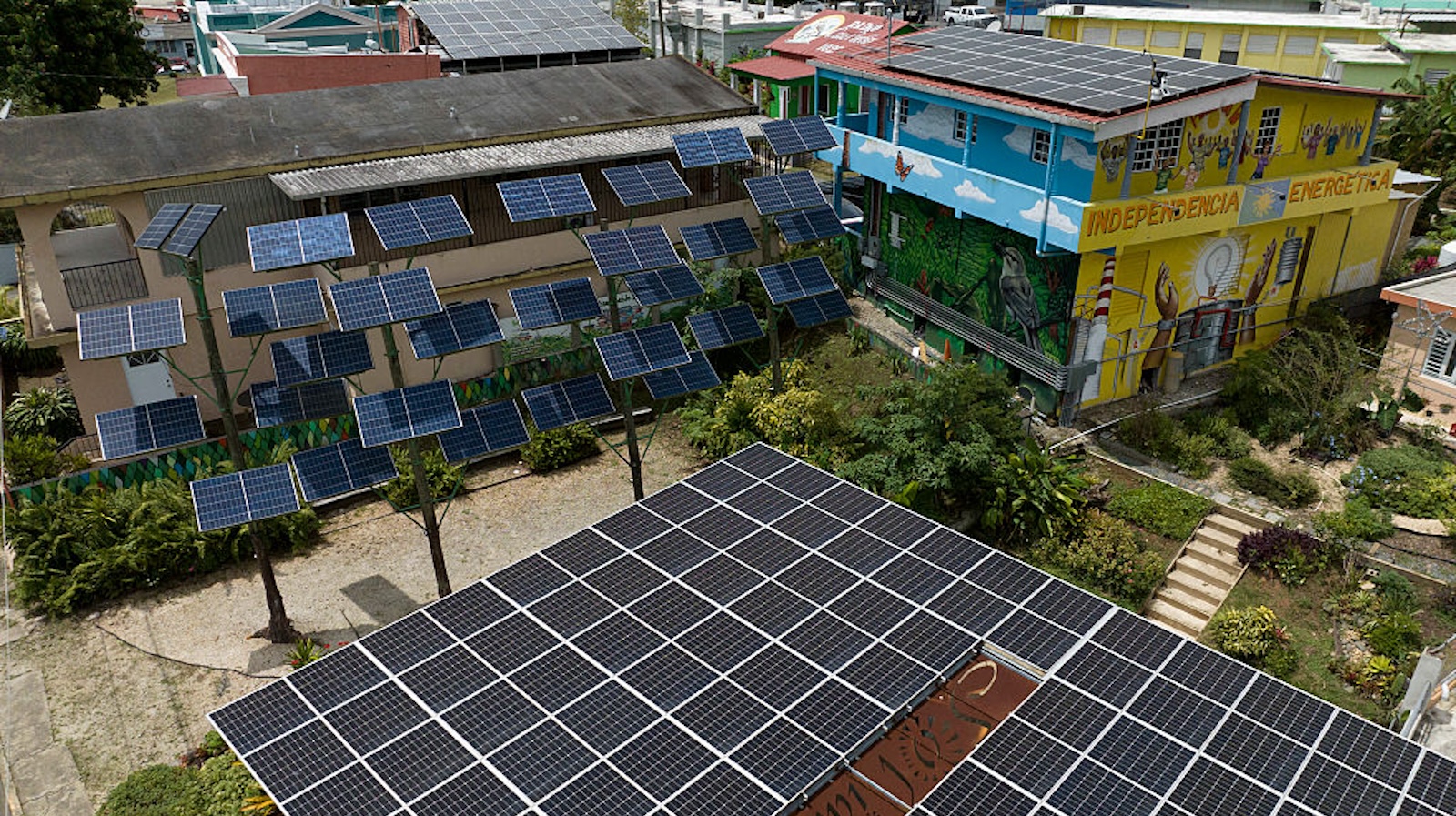
Tired of waiting, the couple invested $60,000 of their own money to restore the hub. They partnered with nonprofits to install solar panels, ensuring the market could remain operational during Puerto Rico’s frequent power outages. Today, their restaurant, Pescadería y Restaurante ANSI, serves the community four days a week, but Román Figueroa remains bitter about the lack of official help. "Despite everything we have done at the villa, we have worked alone," she noted.
Similarly, in Culebra, the newly restored villa pesquera serves as a model for climate resilience. The building features hurricane-proof windows, a rainwater harvesting system, and more than two dozen solar panels. During the six-month blackout following Hurricane Maria, Tomás Ayala organized an informal network to clean and distribute fish directly to residents when external food aid failed to arrive. This experience catalyzed the community to rebuild their facility as a fortress against future disasters.
Reimagining the Future of Puerto Rican Fisheries
Efforts are underway to modernize the design of fishing infrastructure to better withstand the "new normal" of the climate crisis. Ariam Torres Cordero, an environmental planner and professor at the University of Puerto Rico, is working to map the current state of the islands’ villas pesqueras. He argues that simply rebuilding old structures is a recipe for future failure.
"It’s not sustainable just to keep rebuilding the same," Torres Cordero says. He is leading a pilot project to design "climate-proof" structures that include mobile components. Under this vision, heavy equipment like freezers would remain in permanent, fortified structures, while docks and market stalls could be designed for quick relocation ahead of a storm.
However, even these academic and grassroots efforts face hurdles. A student strike at the University of Puerto Rico and military tensions in Vieques have stalled progress on several research initiatives. For fishers like Nicolás Gómez Andújar, a marine scientist and son of a fisher, the constant battle against both the elements and the state is exhausting. His efforts to establish Puerto Rico’s only permitted oyster farm recently hit a snag when an Army Corps of Engineers permit renewal was delayed, forcing a temporary shutdown of half the operation.
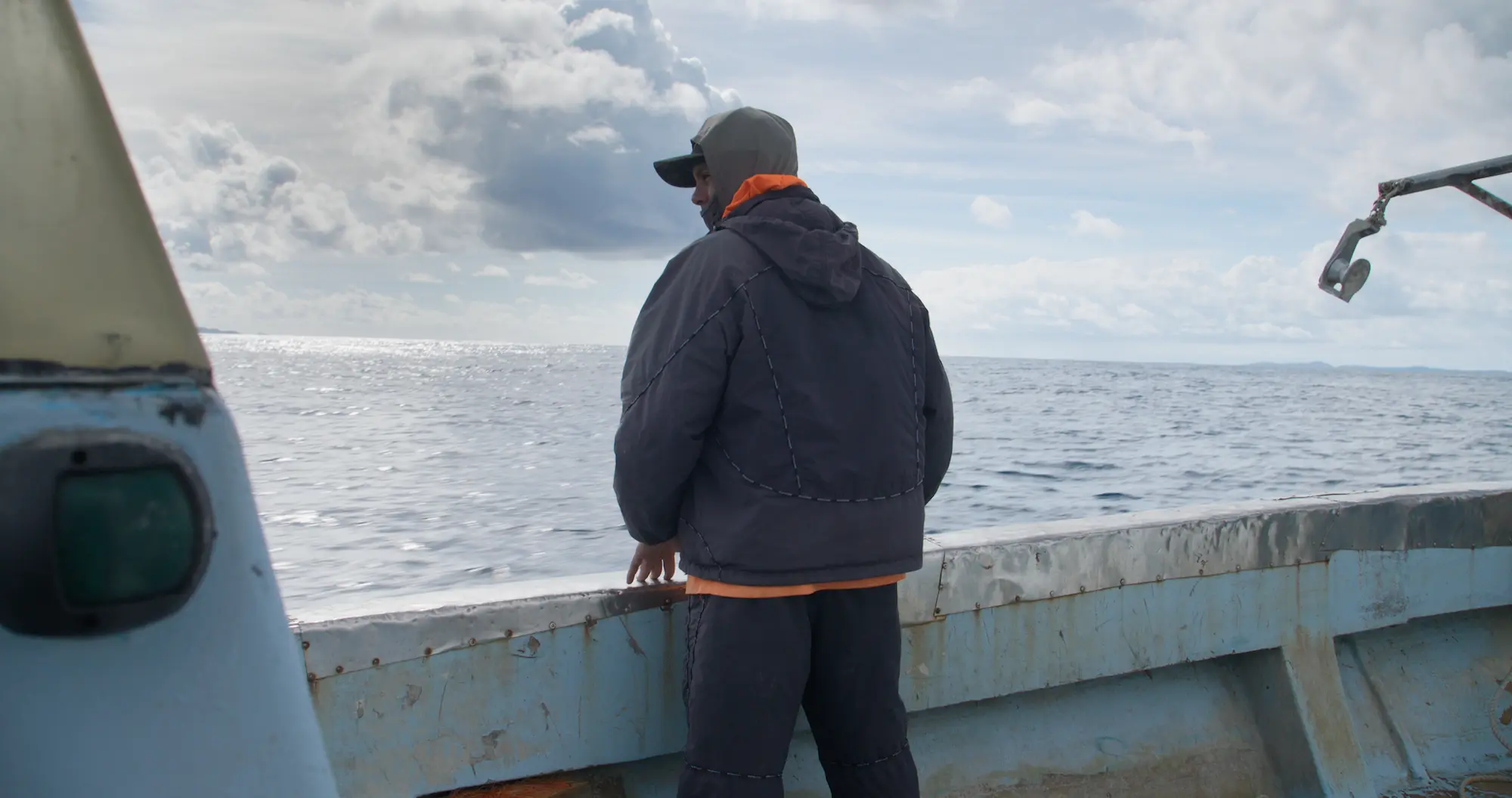
As Puerto Rico enters another hurricane season, the traditional fishers of Culebra, Ceiba, and beyond continue to serve as the primary guardians of the archipelago’s coastal food supply. Their struggle illustrates a broader truth: while the ocean provides a bounty that could sustain the islands through the coming climate shifts, the "complex web" of government bureaucracy remains the most difficult water to navigate. For Ayala, the mission remains clear. "We show people how to live from the ocean," he says. "And the government is the biggest barrier."