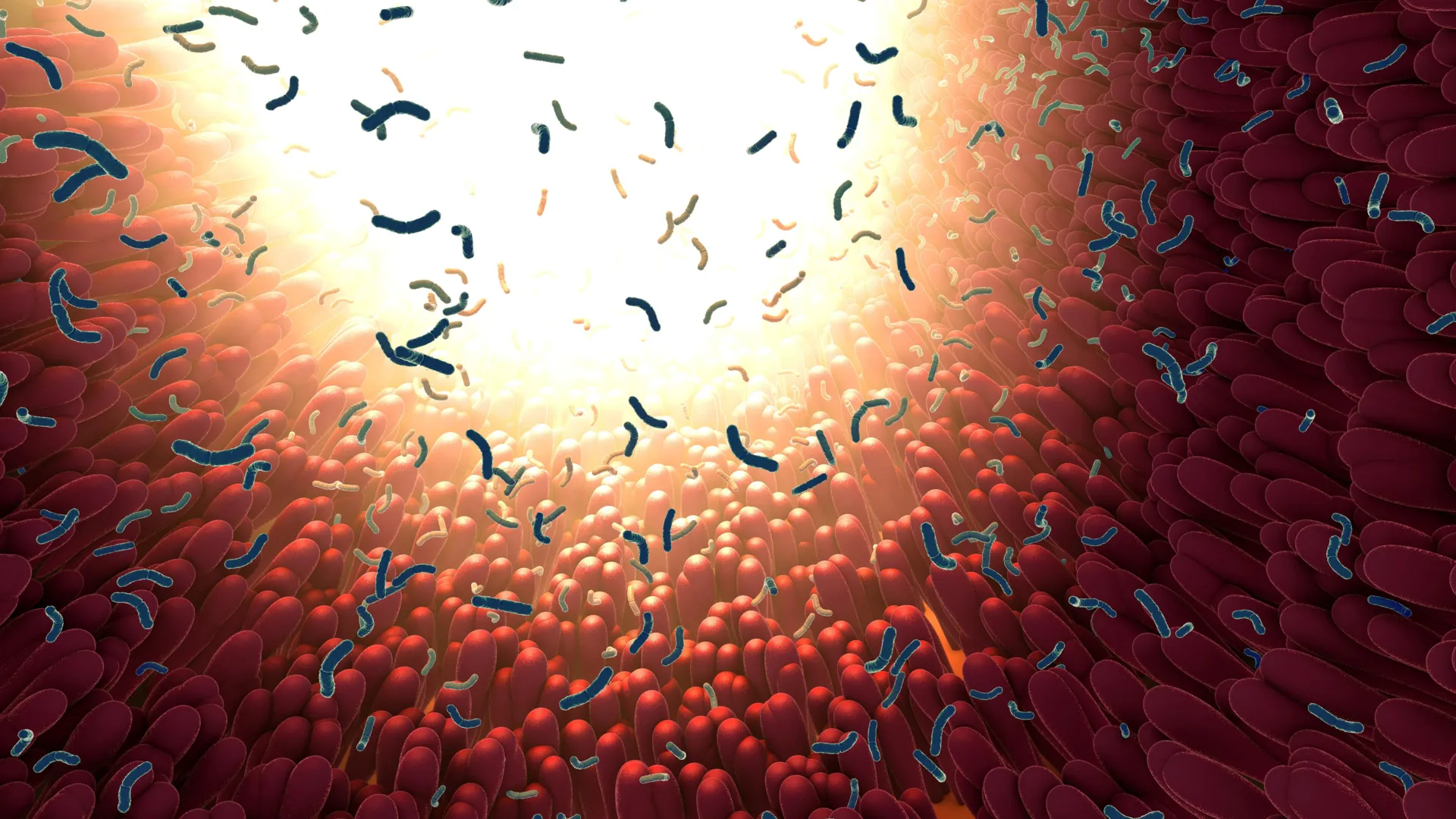
A groundbreaking laboratory investigation by researchers at the University of Cambridge has unveiled that commonly consumed sweeteners can directly interfere with the proliferation of bacteria essential for maintaining a healthy gut microbiome. The findings, published in the esteemed journal Molecular Systems Biology, challenge the long-held assumption that these sugar substitutes are biologically inert once ingested, suggesting a potential pathway for unintended health consequences when consumed in combination with other substances.
The most striking observation from the study emerged when a sweetener known as isosteviol, widely employed by the food and beverage industry, was combined with duloxetine, a prevalent antidepressant medication. This specific pairing demonstrated a potent ability to significantly inhibit the growth of two key bacterial species, Roseburia intestinalis and Parabacteroides merdae. These bacteria are recognized for their crucial roles in digestive health, the regulation of blood sugar levels, and the proper functioning of the immune system.
While the implications of these laboratory findings are considerable, the scientists involved have issued a crucial caveat: the experiments were conducted in a controlled laboratory setting, not within living human subjects. Therefore, extensive further research is imperative to ascertain whether the observed alterations in bacterial populations translate into meaningful health impacts under real-world conditions. Nevertheless, the study provides a compelling impetus for re-evaluating the biological activity of sweeteners and their complex interactions within the human body.
Sweeteners: Beyond Taste, A Biological Player?
Sweeteners are ubiquitous in modern diets, found in an extensive array of products ranging from carbonated beverages, confectionery, and desserts to breakfast cereals, snack items, and even certain pharmaceuticals. They are frequently marketed as appealing alternatives to sugar, offering sweetness with the perceived benefits of reduced caloric intake or lower sugar content. This marketing has contributed to their widespread adoption by consumers seeking to manage weight, control blood glucose levels, or reduce overall sugar consumption.
However, a growing body of epidemiological research has begun to draw correlations between the regular consumption of sweeteners and an increased incidence of various health conditions. These include type 2 diabetes, obesity, and even certain types of cancer. It is crucial to note that these associations do not definitively establish a cause-and-effect relationship. Instead, they highlight areas where scientific inquiry is actively seeking to unravel the underlying biological mechanisms that might link sweetener intake to these adverse health outcomes.
A prominent area of investigation is the gut microbiome, the vast and intricate ecosystem of bacteria, fungi, viruses, and other microorganisms residing within the human digestive tract. This microbial community plays an indispensable role in numerous physiological processes. It aids in the breakdown of complex food components, synthesizes essential vitamins and nutrients, trains and modulates the immune system, and exerts significant influence over host metabolism. Consequently, any disruption to the delicate balance or composition of the gut microbiome has the potential to impact health across the entire body.
Despite the pervasive presence of sweeteners in our food supply and their extensive use, dedicated research exploring their direct impact on individual gut bacterial species has historically been limited. This new study from the University of Cambridge aims to bridge that knowledge gap.
Pioneering Research: Unraveling Sweetener-Microbe Interactions
Professor Kiran Patil from the Medical Research Council (MRC) Toxicology Unit at the University of Cambridge articulated the rationale behind the study: "Most of what we know about the potential impact of sweeteners on our health comes from animal research or from population studies. While these studies have indicated involvement of the microbiome in mediating the effect of sweeteners, it’s difficult to know how sweeteners act in the body — is it through direct interactions with our gut bacteria?"
He further elaborated on the complexity of real-world sweetener consumption. "Answering this is further complicated by the fact that we rarely ever take sweeteners by themselves — we take them with drinks, in snacks, or even in medication to mask bitterness," added Dr. Sonja Blasche, a lead author of the study and also affiliated with the MRC Toxicology Unit. This observation underscores the importance of investigating sweeteners not in isolation, but within the context of other substances consumers regularly ingest.
To address these critical questions, Dr. Blasche and her team embarked on a comprehensive laboratory investigation. Their study, meticulously detailed in Molecular Systems Biology, aimed to elucidate how a broad spectrum of artificial and low-calorie sweeteners affect gut bacteria. Crucially, they also sought to understand if these effects are modified when sweeteners are consumed alongside other compounds commonly found in food, beverages, and medicinal products.
The researchers meticulously cultured 25 distinct bacterial species in their laboratory. This selection encompassed a range of bacteria recognized for their roles as beneficial, neutral, or potentially harmful inhabitants of the human gut. Each of these bacterial species was then individually exposed to a panel of 39 commercially prevalent sweeteners, including both naturally derived and synthetic varieties. The scientists diligently monitored the rate at which each bacterial culture multiplied, observing any instances where growth was significantly slowed or entirely arrested.
The results were compelling: approximately three-quarters of the sweeteners tested demonstrated an ability to influence the growth of at least one bacterial species. More significantly, several sweeteners were found to markedly reduce or completely inhibit the proliferation of bacteria that are typically associated with a healthy digestive system. These findings provide strong evidence that certain sweeteners are not merely inert substances that pass through the digestive tract unnoticed by the resident microbial communities.
A Complex Web: Over 100 Unexpected Interactions
The reality of human dietary habits is that sweeteners are seldom consumed in isolation. They are frequently part of a complex matrix of ingredients. A sweetener might be present in a beverage alongside caffeine, contribute to the flavor profile of a dessert alongside vanillin, or be combined with other artificial sweeteners like advantame. Furthermore, sweeteners are often incorporated into medications to improve palatability, meaning they can be co-administered with active pharmaceutical ingredients.
To more accurately reflect these real-world consumption patterns, the Cambridge researchers designed experiments that paired sweeteners with a variety of commonly encountered compounds. These included caffeine, vanillin (a key component of vanilla flavoring), advantame (another artificial sweetener), and eight different classes of frequently prescribed medications.
The comprehensive analysis uncovered an astonishing number of synergistic or antagonistic interactions. The team identified more than 100 distinct instances where the effect of a sweetener on bacterial growth was significantly altered in the presence of another compound. In 34 of these cases, the combined effect was amplified, leading to a stronger impact on bacterial growth. Conversely, in 68 instances, the presence of the other compound weakened the sweetener’s effect. This intricate interplay suggests that the precise impact of a particular sweetener on the gut microbiome may be highly dependent on the other dietary or medicinal components consumed concurrently.
The Antidepressant and Sweetener Conundrum
Among the numerous interactions examined, the combination of isosteviol and duloxetine stood out due to its particularly dramatic effect. Duloxetine, a widely prescribed medication for conditions including depression, anxiety disorders, and certain types of chronic pain, is used by millions of patients globally. In 2023 alone, over 4.2 million prescriptions for duloxetine were dispensed in the United States, highlighting its extensive use.
When isosteviol and duloxetine were introduced together in the laboratory, they profoundly suppressed the growth of Roseburia intestinalis and Parabacteroides merdae. These species are not only integral to a healthy gut but are also implicated in metabolic regulation. The ability of this common sweetener-medication pairing to exert such a potent inhibitory effect raises significant questions about potential unintended consequences for individuals taking both substances.
To further investigate the complex dynamics within a microbial community, the researchers moved beyond studying single bacterial species. They constructed a simplified microbial community containing all 25 bacterial species previously tested. This synthetic ecosystem was designed to mimic, to some extent, the crowded and interactive environment of the human gut. After allowing the community to establish itself, it was exposed to various combinations of sweeteners and drugs. The researchers then meticulously tracked changes in the abundance of different bacterial species, observing which ones thrived and which ones declined, and assessing whether the overall diversity of the community was maintained.
Declining Microbial Diversity and Heightened Toxicity
The results from these more complex community experiments were sobering. The combination of isosteviol and duloxetine led to a notable reduction in microbial diversity within the synthetic community. A diverse gut microbiome is generally considered a hallmark of resilience and robust health, although the optimal composition can indeed vary significantly between individuals. A decline in diversity can make the ecosystem more vulnerable to disruption and less efficient in performing its essential functions.
Furthermore, this particular combination altered the internal balance of the microbial community, leading to a situation where certain bacterial species flourished at the expense of others. This shift in microbial composition had cascading effects. Additional experiments indicated that these changes were associated with increased toxicity towards certain host cells. They also appeared to disrupt the normal functioning of other cells involved in inflammatory and immune responses.
These findings strongly suggest that the interactions between sweeteners, medications, and gut microbes could have implications that extend far beyond simple digestion. However, the researchers are careful to emphasize that even these more complex laboratory systems cannot fully replicate the immense complexity of the human body, with its myriad of biological processes and individual variations.
Dr. Blasche reiterated the study’s central challenge to prevailing assumptions: "Sweeteners are often marketed as metabolically neutral, but our study challenges this idea. We found that they can directly affect gut bacteria, particularly when mixed with other compounds such as medication and food additives. These common combinations could have unintended effects on our gut microbiome."
The Crucial Next Step: Human Studies Are Essential
The authors of the study are unequivocal in their message: their findings should not be misconstrued as definitive proof that sweeteners or the tested combinations directly cause harm in humans. The experiments were conducted under highly controlled laboratory conditions using bacteria and cellular models. In the dynamic environment of the human digestive system, sweeteners undergo a variety of processes before reaching or interacting with gut microbes. They can be absorbed into the bloodstream, chemically modified by enzymes, diluted by digestive fluids, or broken down by other gut bacteria.
Moreover, a multitude of individual factors can influence the outcome of sweetener consumption. These include a person’s overall diet, their unique genetic makeup, the medications they are currently taking, and the pre-existing composition of their own gut microbiome. All these variables can significantly alter how sweeteners are processed and how they might interact with the microbial inhabitants of the gut.
Therefore, the critical next phase of research must involve carefully designed human studies. These studies will be essential to determine whether similar interactions occur in people, what doses of sweeteners and co-administered substances would be required to elicit such effects, and crucially, whether any observed microbial changes translate into measurable and clinically significant impacts on human health.
Professor Patil concluded by summarizing the study’s forward-looking significance: "Our study suggests that artificial sweeteners don’t just pass through the body passively — they can interact with gut microbes, and these effects can be amplified or altered by other substances like medications. These findings can help guide new studies towards understanding how sweeteners might influence health in unexpected ways."
The research that has brought these vital insights to light was made possible through the generous funding provided by the European Union’s Horizon 2020 program and the UK Medical Research Council, underscoring the international and collaborative effort dedicated to advancing our understanding of human health and nutrition. This study represents a significant step forward, prompting a necessary re-examination of the biological impact of ingredients that have become deeply embedded in the fabric of modern diets.