When a manufacturer markets a new electric vehicle with four-digit horsepower figures, the headline is almost always designed to capture the imagination of performance enthusiasts. These 1,000-plus horsepower figures, often achieved through complex multi-motor setups and advanced battery chemistry, represent the absolute zenith of what an electric drivetrain can deliver for a few seconds during a wide-open throttle launch. However, a closer inspection of technical registration documents—particularly in European markets—reveals a significant discrepancy between these marketing figures and the vehicle’s actual "sustained" power output. This distinction between peak output and continuous capability is not merely a technical footnote; it is the fundamental reality of how thermal physics dictates the limits of modern electric mobility.
The Physics of Power: Peak vs. Continuous Output
To understand why a vehicle advertised at 1,000 horsepower might have a registration document citing a fraction of that figure, one must look at the thermal limitations of electric powertrains. An electric motor is capable of accepting massive bursts of current for short periods, which translates into the immediate, neck-snapping torque for which EVs are famous. However, this current flow generates substantial heat within the copper windings of the motor, the silicon-carbide transistors in the inverter, and the internal resistance of the battery cells themselves.
If this power were maintained indefinitely, these components would quickly exceed their safe operating temperatures, leading to potential permanent damage. Consequently, every modern EV is equipped with a sophisticated Battery Management System (BMS) and power electronics that act as a safety governor. Once internal sensors detect that thermal thresholds are being approached, the vehicle’s control software automatically throttles the current. This results in a reduction of torque and, by extension, total power. While marketing departments emphasize the "peak" potential—the maximum burst the system can handle before the cooling system kicks in—engineers focus on the "continuous" output: the power the car can maintain without melting its own internal components.
The Standardized Metric: UN Regulation No. 85
The industry-standard metric for this "sustained" capability is defined under UN Regulation No. 85. This regulation mandates a standardized test that measures the maximum average net output an electric drivetrain can provide over a continuous 30-minute window. This "30-minute power" figure is the number that often appears on European registration papers, providing a much more accurate representation of how the car will behave during a sustained high-speed run on an Autobahn or while towing a heavy trailer up a mountain pass.
The gap between a vehicle’s peak rating and its 30-minute rating is the "thermal headroom" of the design. A vehicle with a small gap is typically engineered for consistent, repeatable performance, often utilizing advanced liquid-cooling loops that wrap directly around the motor stator and battery modules. Conversely, a vehicle with a massive gap between peak and sustained power may be designed primarily for short-burst acceleration, where the cooling system is sufficient for stoplight sprints but not for track-day abuse or prolonged high-load driving.
Real-World Implications and Thermal Management
The disparity is not just a theoretical concern for regulators; it manifests in real-world performance degradation. In recent independent testing, such as those conducted by Car and Driver, observers have noted that many high-performance EVs exhibit a measurable decline in acceleration as the battery state-of-charge (SoC) drops and the powertrain temperature rises.
For instance, the behavior of the Rivian R1T and the Lucid Air—both high-output machines—shows how varied engineering philosophies handle power delivery. Some vehicles prioritize maintaining peak performance until the battery reaches a low threshold, while others, like the Hyundai Ioniq 5, have been observed to maintain remarkably consistent acceleration until the battery level dips below 20%. This consistency is a byproduct of how much "buffer" is designed into the battery’s power-delivery capabilities relative to the motors’ maximum demand.
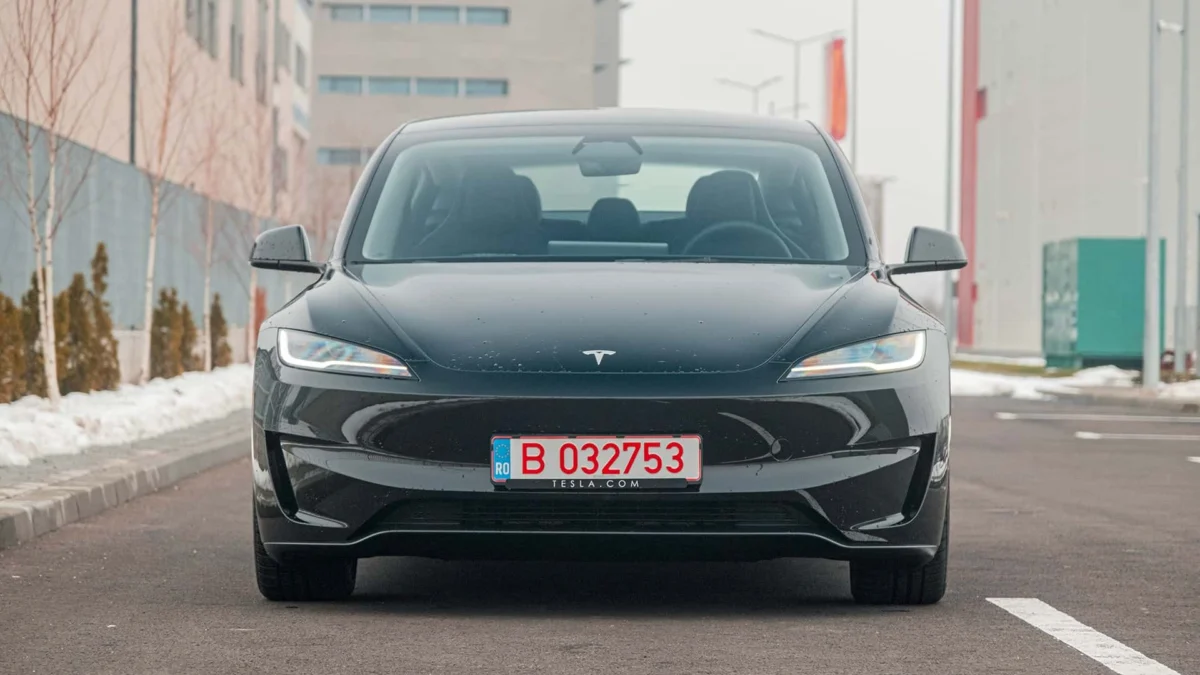
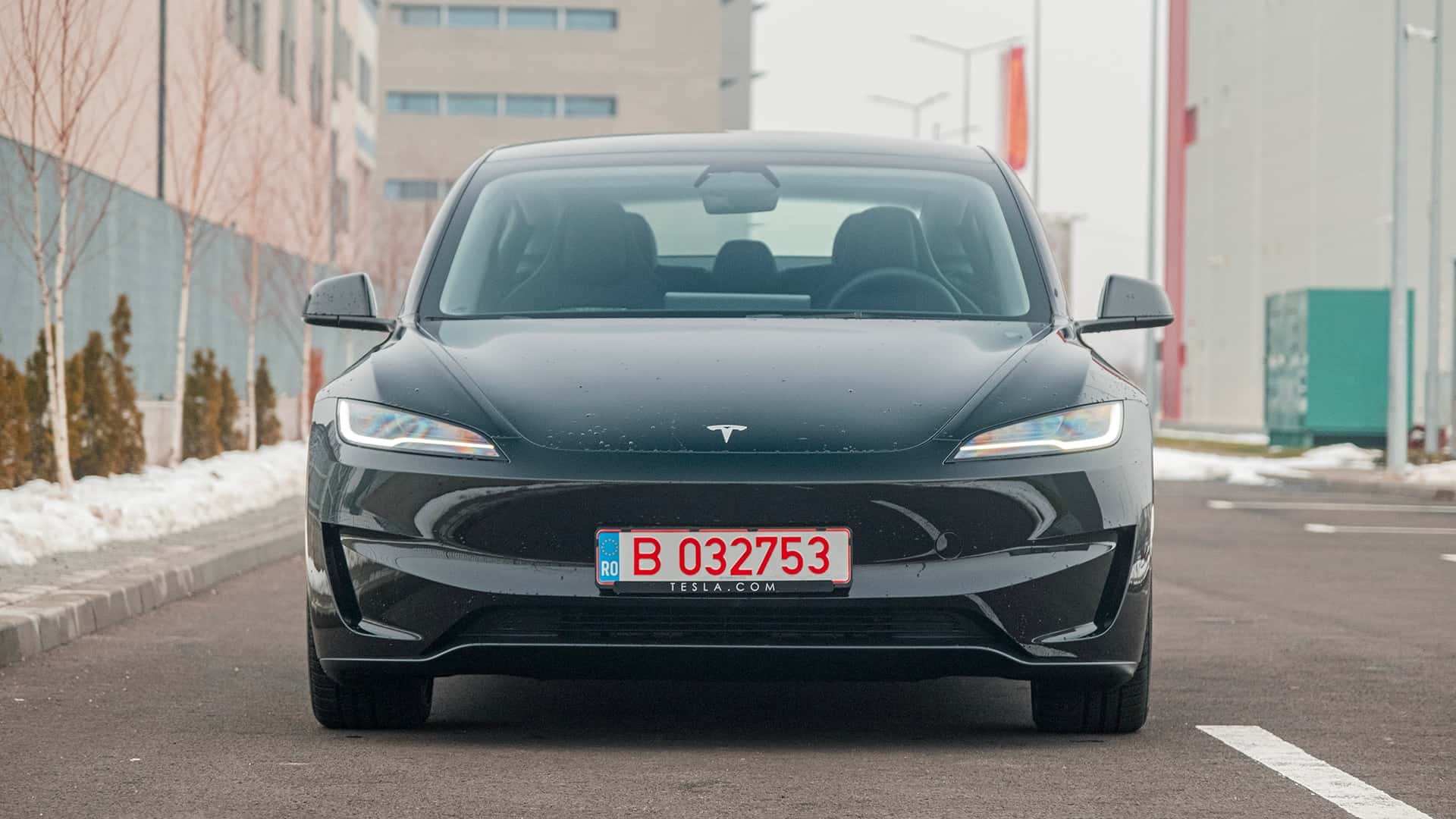
The industry is clearly aware of this tradeoff. Tesla, for example, explicitly addresses this in the owner’s manual for the Model 3. Their "Track Mode" allows the driver to toggle a "Powertrain Endurance" setting. By engaging this, the driver effectively tells the computer to prioritize thermal stability over maximum speed. The car will deliberately reduce peak power output to keep the battery and motors within a safe temperature range, allowing for consistent lap times rather than one fast lap followed by a forced cooling-down period. This is an admission by the manufacturer that "maximum power" and "sustained performance" are mutually exclusive under the current constraints of lithium-ion technology.
The Engineering Arms Race
The quest for higher horsepower numbers is often driven by marketing, but the real engineering race is in the cooling systems. Porsche’s performance with the Taycan is a case study in thermal management. In rigorous, manufacturer-organized testing, the Taycan demonstrated the ability to complete 26 consecutive 0–200 km/h acceleration runs with only a 0.8-second variance between the fastest and slowest times. This level of consistency is the gold standard for performance EVs, achieved through aggressive, multi-stage cooling strategies that keep the drivetrain at an optimal temperature even under extreme, repeated load.
This highlights a broader industry trend: as the novelty of "instant torque" wears off, the focus of performance EV development is shifting toward longevity and repeatability. Manufacturers are beginning to realize that while a 1,000-hp number sells the first car, the ability to maintain that performance during a track day or a long drive is what builds brand credibility among enthusiasts.
Broader Implications for Consumers
For the average consumer, this data should change how they evaluate a performance EV. If a vehicle is marketed with immense power, prospective buyers should look for evidence of how that power is sustained. Does the vehicle have a dedicated battery cooling system? Does the manufacturer offer a track mode or endurance setting? Is the vehicle designed to withstand repeated high-speed demands?
Ultimately, the peak horsepower figure advertised on a spec sheet is a "best-case scenario." It is the amount of energy the battery can push through the inverter and into the motors at the absolute limit of the system’s capacity, under ideal temperature and state-of-charge conditions. It is a valid number, but it is not the only number that matters. The future of the electric performance segment lies not in chasing higher peak numbers, but in refining the thermal engineering that allows those numbers to be used more frequently and for longer durations. As the market matures, transparency regarding continuous power will likely become a critical differentiator, helping buyers understand that the "best moment" of an electric car is only half the story—the other half is written by its ability to manage the heat that comes with that power.