From the remote, snow-dusted expanses of Canada to the lush rainforests of Ecuador and the towering, rugged peaks of Nepal, Indigenous lands are facing an unprecedented intensification of catastrophic environmental events. Wildfires burn with unprecedented fury, historic floods wash away generations of infrastructure, and violent storms strike with escalating frequency. Compounding these individual disasters is a troubling new reality: these crises rarely arrive in isolation. Instead, Indigenous communities increasingly find themselves managing overlapping, cascading emergencies where a flood recovery effort is abruptly upended by a severe drought or wildfire.
Yet, beneath the weight of this relentless destruction lies a compelling paradox. While Indigenous populations continue to bear the heaviest burdens of global climate change, they also consistently demonstrate the most advanced, effective, and sustainable methodologies for adaptation and survival. A comprehensive new report released by the global Indigenous self-determination nonprofit Land Is Life brings this reality into sharp focus. The findings suggest that while the scientific community and international policymakers have gradually grown to respect Indigenous ecological knowledge, they continue to overlook the crucial engine that makes that knowledge viable: Indigenous governance.
According to the report, supporting Indigenous governance through robust legal recognition, direct and flexible financing, and equitable partnerships represents the single most effective strategy for mitigating climate disaster risks worldwide. As international climate talks grapple with shrinking budgets and shifting geopolitical priorities, the insights provided by this global study offer a stark reminder of where resources must be directed to achieve maximum impact.
A Global Study of Resilience and Crisis
To capture the true scope of modern climate threats, the Land Is Life report draws upon detailed case studies and more than 200 comprehensive survey responses spanning 46 countries. The research encompasses six distinct ecological zones: forests, mountains, drylands, freshwater systems, grasslands, and coastal areas.
Luisa Castañeda Quintana, the executive director of Land Is Life, emphasized that a broad, cross-border analysis was essential to counter the traditional, localized framing of environmental disasters. Climate change does not respect national borders or ecological demarcations, and neither should human responses.
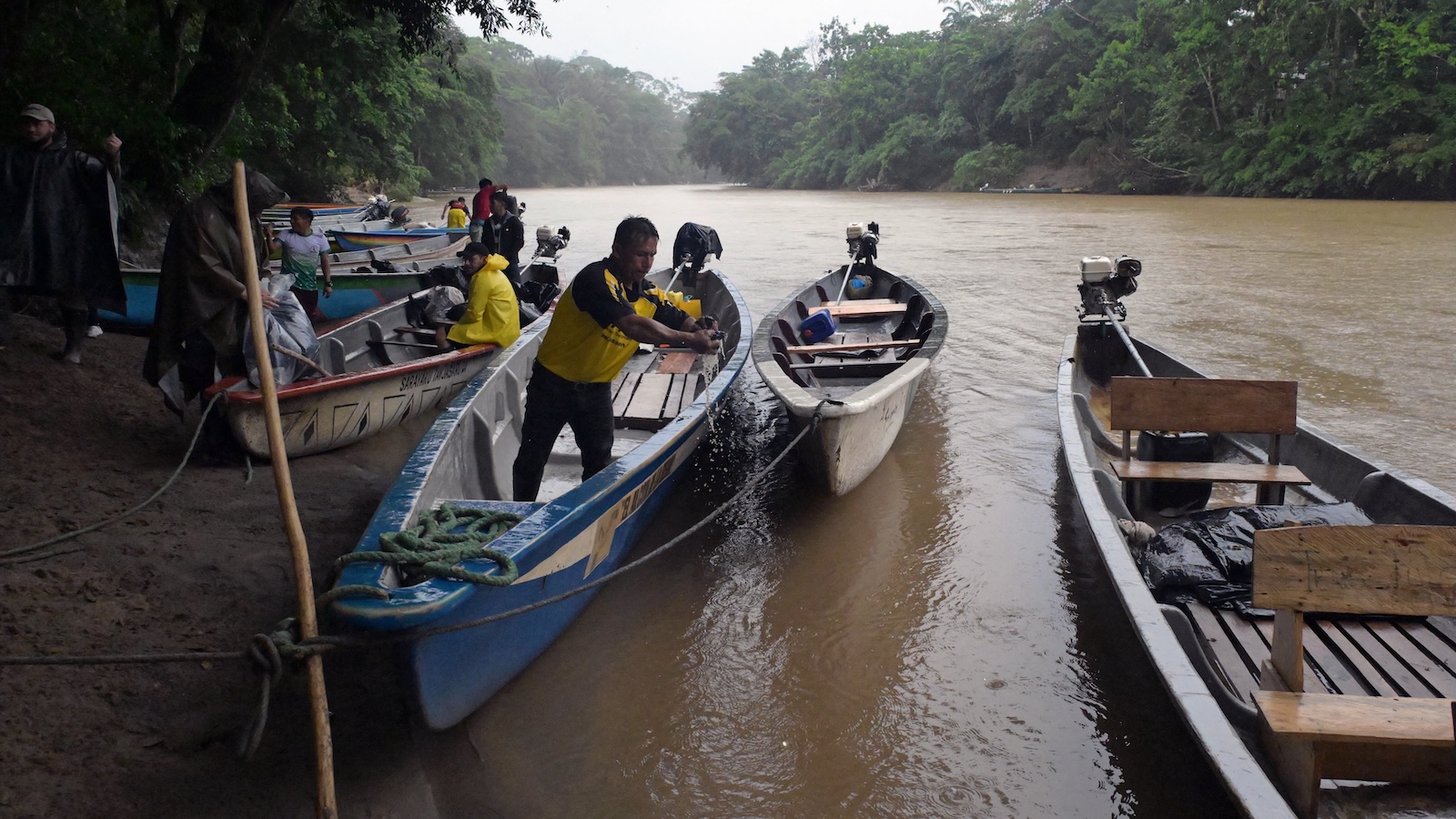
The survey data paints a sobering picture of modern environmental stress. More than 80 percent of respondents reported dealing with two or more overlapping crises simultaneously, while over 90 percent noted a drastic, accelerating increase in the frequency of these events. For example, in 2019, the Kichwa People of Sarayaku in the Ecuadorian Amazon experienced catastrophic flooding along the Bobonaza River. The surging waters decimated crops, destroyed dwellings, and threatened food security across the community’s 500-square-mile territory.
However, Daniel Santi, president of the approximately 1,600-member community, noted that the disaster did not result in total societal collapse. The community’s resilience was rooted not just in traditional environmental knowledge, but in pre-existing, robust self-governance structures. "This organization makes it possible to confront any problem and any threat," Santi explained.
The Synergy of Governance and Ecological Knowledge
The report highlights that the true efficacy of Indigenous climate strategies relies on the seamless fusion of localized knowledge and autonomous governance. When elders possess generational insights into weather patterns, autonomous governance allows those insights to be mobilized immediately without bureaucratic delays.
In the case of the Sarayaku, community elders observed subtle shifts in rain and lightning patterns at the river’s headwaters—indicators that historically signaled imminent flooding. Armed with this advanced warning, the community’s leadership activated established decision-making processes. They quickly coordinated emergency housing for displaced families, mobilized rescue teams, and deployed representatives to communicate status updates to external authorities. Santi noted that these coordinated measures are deeply rooted in minga, a traditional Kichwa concept emphasizing collective responsibility and solidarity.
Similar success stories emerge from across the globe. In Kenya, Indigenous Endorois and Tugen women actively cultivated drought-resistant variants of traditional food crops, including sorghum and millet. During years marked by severe, prolonged droughts that devastated commercial agriculture, these resilient crops provided some of the region’s only successful harvests.
In Brazil, the Coordination of Indigenous Organizations of the Brazilian Amazon—the nation’s largest regional Indigenous network—manages proactive fire prevention and response systems. The network organizes specialized training programs and mobilizes rapid-response teams to contain wildfires before they ravage vital forest ecosystems. Meanwhile, in Peru’s Ausangate Regional Conservation Area, Quechua communities have forged productive partnerships with conservation groups. By combining traditional ecological observations with Western scientific research, these communities have dramatically improved environmental monitoring and ecosystem resilience.
Institutional Barriers and the Funding Deficit
Despite overwhelming evidence proving that Indigenous land stewardship and self-determination are premier climate solutions, systemic barriers continue to undermine these efforts. Many national governments refuse to legally recognize Indigenous land titles, decline to broadcast emergency alerts in Indigenous languages, and, in severe cases, criminalize traditional cultural practices.
Furthermore, a staggering disconnect persists between global climate pledges and the allocation of funds to the communities on the front lines. Billions of dollars are pledged annually at international summits like the United Nations Climate Change Conferences, yet a negligible fraction of that capital reaches Indigenous organizations directly.
Anisha Buda, a program officer at the Indigenous Women’s Federation in Nepal who hails from the Kaike Magar community, expressed deep frustration over this systemic discrepancy. "It’s always the lack of resources and the lack of access to funding that makes it so difficult for us to work, especially when climate change makes us the most vulnerable," Buda said. She pointed out a recurring paradox within international philanthropy: funds earmarked for Indigenous peoples are frequently funneled through non-Indigenous organizations and intermediaries, leaving grassroots communities underfunded and underserved.
This financial starvation occurs against a backdrop of shifting geopolitical priorities. In recent years, traditional donor nations in North America and Europe have scaled back multi-billion-dollar climate commitments. Simultaneously, prolonged international conflicts in regions like Eastern Europe and the Middle East have severely strained global financial resources. As institutional funding grows increasingly scarce, Indigenous leaders worry they will be left entirely behind in the global race for climate adaptation.
Shifting Paradigms for Future Resilience
Released during New York Climate Week to intentionally spotlight the urgent need for direct financing, the Land Is Life report challenges policymakers, philanthropists, and governments to fundamentally rethink their approach to climate aid. Rather than attempting to impose external templates, bureaucratic frameworks, or short-term fixes, international stakeholders are urged to foster the conditions that allow Indigenous communities to govern themselves effectively.
Gisela Hurtado, the author of the report, argues that given the current scarcity of global resources, funders must strategically allocate capital to systems with a proven track record. "We are in a moment where resources are scarce," Hurtado noted. "Where can we put the little money that we have? Where can we put it to make it much more effective? And for me, for the report, the idea is put it into what already is working."
As global temperatures continue to rise and extreme weather events become the planetary norm, the report contends that the world has much to learn from Indigenous methodologies. By relinquishing rigid institutional control, respecting legal autonomy, and ensuring direct, flexible funding partnerships, the international community can empower those who are most intimately connected to the Earth.
"What they are seeing in the territories, we’re going to see it also in the future," Hurtado concluded. "They are the ones that are much more connected with the Earth to know what is going to happen in the future."