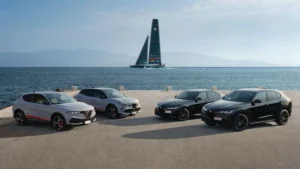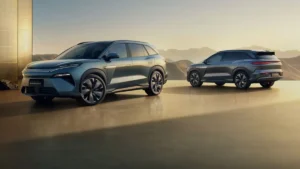
The American automotive landscape is undergoing a significant transformation, characterized by a decisive pivot toward hybrid-electric vehicles (HEVs). According to the latest data from Cox Automotive, hybrid vehicles have captured a record-breaking 16.3% of the total U.S. market share through the second quarter of 2026. This shift represents a departure from the rapid, full-scale adoption of battery-electric vehicles (BEVs) that many analysts had projected, suggesting that consumers are increasingly seeking a middle ground that balances fuel efficiency with the convenience of traditional refueling infrastructure.
This trend is not merely a localized phenomenon but a reflection of broader economic and structural factors. As fuel prices remain volatile and the limitations of current charging networks continue to pose challenges for long-distance travel, the hybrid segment has emerged as the pragmatic choice for the average American household. By offering the benefits of electrification—reduced emissions and improved fuel economy—without the range anxiety associated with pure BEVs, automakers are finding that hybrids serve as an ideal bridge technology for the modern consumer.
The Evolution of the Hybrid Market: A Historical Perspective
The trajectory of the hybrid market has been one of slow maturation followed by rapid acceleration. For nearly two decades, the category was synonymous with niche efficiency models. However, the current surge is fundamentally different. It is driven by the integration of hybrid powertrains into mainstream, high-volume nameplates.
Historically, the hybrid market was defined by the Toyota Prius, which effectively pioneered the segment. Throughout the early 2000s, hybrids were viewed as an alternative for environmentally conscious buyers who were willing to sacrifice performance for efficiency. By 2015, the market had stabilized, but growth remained sluggish as gasoline prices dipped. The post-2020 era, however, saw a renewed interest in energy efficiency, coupled with advancements in battery technology that allowed for more powerful and efficient hybrid systems.
The current landscape is defined by the strategic decision of major original equipment manufacturers (OEMs) to stop treating hybrids as separate, dedicated models. Instead, they are making hybrid powertrains standard or optional equipment in their best-selling SUVs and sedans. This "normalization" of the hybrid is the primary catalyst for the current 16.3% market share.
Toyota’s Continued Hegemony and Strategic Shift
Despite facing increased competition from domestic and international rivals, Toyota Motor Corporation maintains a firm grip on the hybrid segment, commanding a 44% market share through the second quarter of 2026. While this represents a 4% decline compared to the previous year, the absolute volume of Toyota hybrid sales remains unrivaled.
Toyota’s success is rooted in a deliberate strategy to standardize hybrid technology across its most popular platforms. By transitioning core models like the Camry and the RAV4 to hybrid-exclusive powertrains, Toyota has effectively forced a shift in consumer behavior. Buyers seeking these vehicles no longer have to opt into a "hybrid lifestyle"; they simply receive the technology as part of the standard purchase. This strategy has proven highly effective, ensuring that Toyota remains the default choice for the average consumer transitioning away from traditional internal combustion engines.
The Rise of Kia and the Impact of the Telluride Hybrid
While Toyota remains the established leader, the most significant growth in the sector is emerging from unexpected quarters. Kia Corporation has experienced a meteoric rise, reporting a 130% year-over-year increase in hybrid sales through the third quarter of 2026.
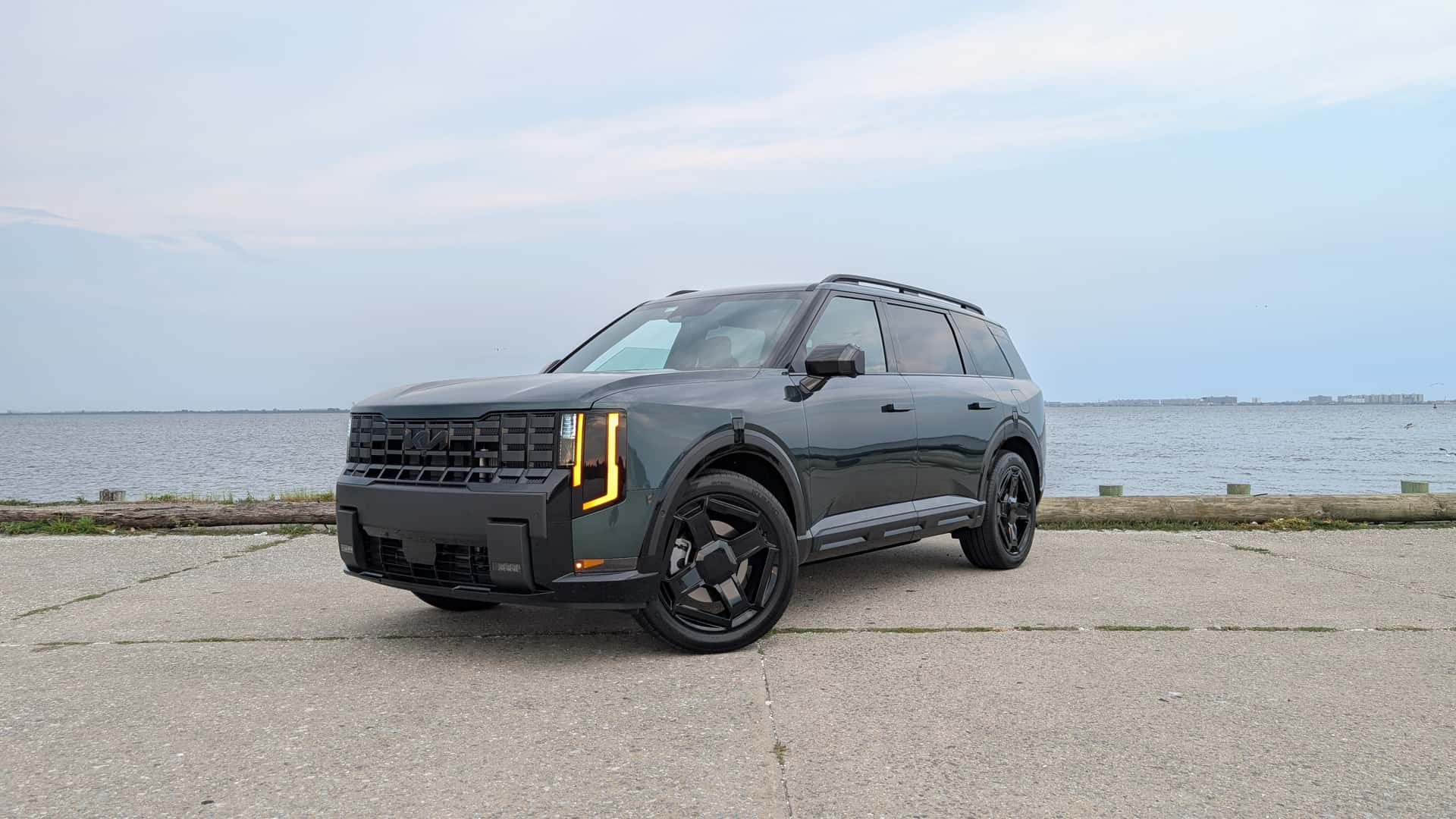
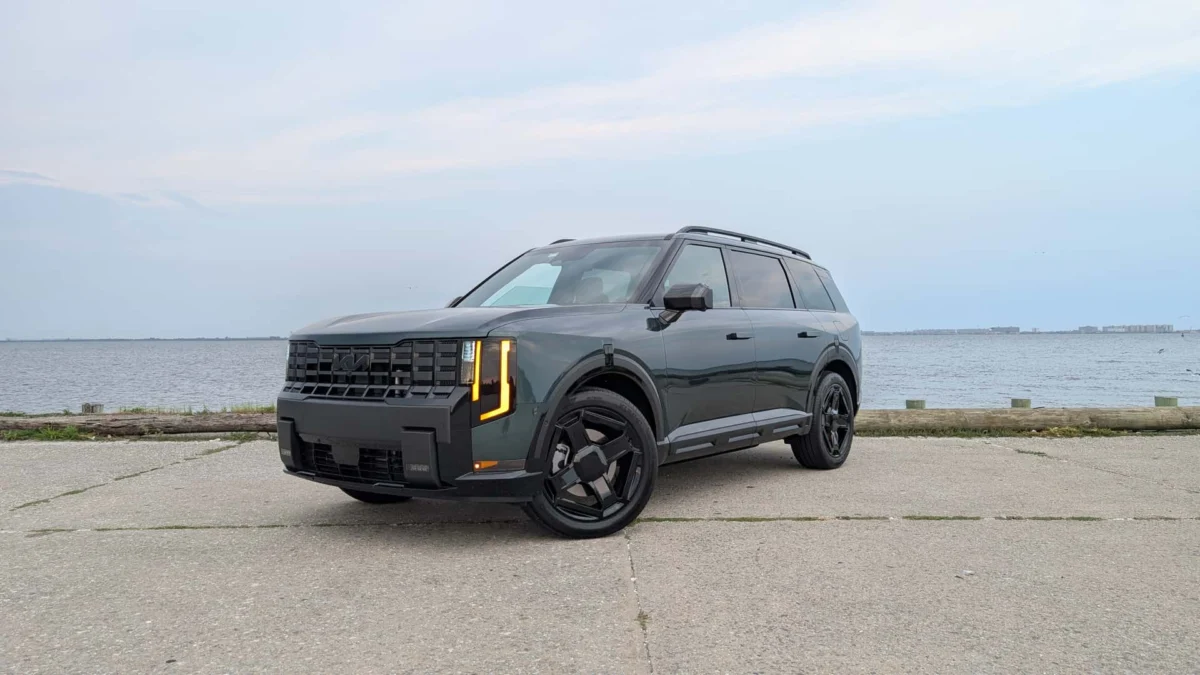
A pivotal factor in this growth is the introduction of the Telluride Hybrid. The Telluride has long been a crown jewel in Kia’s SUV lineup, praised for its design, utility, and price-to-value ratio. By integrating a sophisticated hybrid system into this platform, Kia has tapped into a segment of the market—large, family-oriented SUVs—that was previously underserved by electrified options.
Analysts note that the Telluride Hybrid serves as a "value proposition" vehicle. By providing the fuel efficiency necessary for high-mileage family transport without the premium cost often associated with luxury BEVs, Kia has successfully converted a significant portion of its existing customer base. This growth trajectory is expected to continue as the company expands the hybrid architecture to other models in its portfolio.
Subaru’s Strategic Pivot: From Zero to Growth
Subaru presents an equally compelling case study in the rapid adoption of hybrid technology. In 2024, the automaker had no hybrid offerings in its U.S. lineup. Fast forward to mid-2026, and the company has reported a 140% year-over-year growth in the segment.
This growth is driven by the strategic rollout of hybrid variants for the Forester and Crosstrek—two of the brand’s most recognizable models. Subaru’s approach is tailored to its core demographic: outdoor enthusiasts who require all-wheel-drive capability and reliability. By emphasizing "Wilderness" hybrid editions, Subaru is marketing the technology not just as an efficiency tool, but as a performance enhancement that provides greater range for off-grid adventures. This targeted strategy has allowed Subaru to capture market share from consumers who previously felt that electrified vehicles were not suited for their rugged, long-distance driving habits.
Broader Economic and Infrastructure Implications
The cooling of enthusiasm for pure BEVs in some segments, contrasted with the soaring interest in hybrids, has forced a recalibration within the automotive industry. Several key factors are driving this shift:
- Infrastructure Limitations: Despite significant federal and private investment in charging networks, the perception of "charging deserts" persists. For many Americans, particularly in rural or suburban areas with limited home-charging options, the reliability of gasoline-powered backup remains a critical safety net.
- Total Cost of Ownership: With high interest rates and fluctuating vehicle prices, the lower entry point of a hybrid compared to a long-range BEV is a compelling financial argument for budget-conscious buyers.
- Convenience Factor: The refueling process for a hybrid is identical to that of a traditional car. As consumer research consistently shows, the "lifestyle friction" of switching to a plug-in vehicle—which requires planning for charging stops—is a major hurdle for a significant portion of the population.
- Resale Value: Early data suggests that, due to the high demand and lower depreciation rates of established hybrid models, these vehicles are maintaining their value better than many first-generation BEVs.
Future Outlook: A Hybrid-Dominant Transitional Period
The current data suggests that the automotive industry is entering a "hybrid-dominant" phase of the transition toward full electrification. While the ultimate goal for many governments and manufacturers remains zero-emission transport, the path to that goal is proving to be more complex than once assumed.
For manufacturers, the challenge lies in balancing their R&D budgets. As they continue to invest in battery-electric platforms, they must simultaneously scale up production of hybrid powertrains to meet immediate consumer demand. For consumers, the choice is becoming clearer: as long as gasoline remains the most convenient fuel source for long-distance travel, the hybrid will continue to act as the primary instrument of electrification.
Looking ahead, we can expect the hybrid market share to continue its upward trend throughout the remainder of 2026 and into 2027. With more manufacturers, including domestic players, expected to announce hybrid variants of their most popular light-duty trucks and SUVs, the market is poised to become even more competitive. The era of the "alternative fuel" vehicle is effectively over; the era of the "standardized hybrid" has arrived, and it is fundamentally reshaping the American automotive experience.