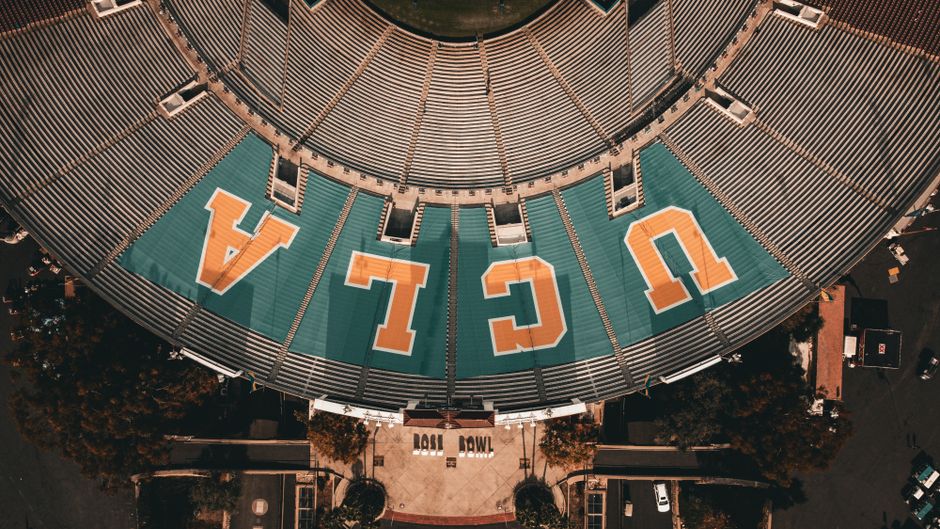
College Sports: The Unrivaled Ecosystem of Collegiate Athletics
College sports represent a colossal and multifaceted phenomenon, deeply embedded within the fabric of higher education and American culture. Beyond mere athletic competition, it functions as a powerful engine driving student development, institutional identity, economic activity, and community engagement. The sheer scale of college sports, encompassing hundreds of thousands of student-athletes across thousands of institutions, necessitates a comprehensive understanding of its various components, from its historical roots to its contemporary impact. This article delves into the intricate world of college athletics, exploring its organizational structures, prominent sports, recruitment processes, financial implications, and the profound influence it wields on the lives of its participants and the broader society.
The organizational backbone of collegiate athletics in the United States is primarily structured under the National Collegiate Athletic Association (NCAA). The NCAA, a non-profit organization, governs the athletic programs of over 1,100 colleges and universities, setting rules, ensuring fair play, and upholding academic eligibility standards for student-athletes. The NCAA is divided into three divisions: Division I, Division II, and Division III. Division I is the largest and most prominent, characterized by its scholarship programs, extensive athletic facilities, and high-profile championship events, particularly in football and men’s and women’s basketball. Division II offers a balance of academic and athletic opportunities, with fewer athletic scholarships available compared to Division I. Division III, conversely, emphasizes the academic experience and participation, prohibiting athletic scholarships and focusing on student well-being and educational pursuits. Beyond the NCAA, other collegiate athletic associations exist, such as the National Association of Intercollegiate Athletics (NAIA) and the National Christian College Athletic Association (NCCAA), which provide governance for a smaller number of institutions with different missions and scopes. Understanding these divisional structures is crucial for appreciating the varying landscapes of collegiate competition and opportunity.
The landscape of college sports is dominated by a core set of popular sports that capture significant fan attention and institutional investment. Football, particularly at the NCAA Division I Football Bowl Subdivision (FBS) level, stands as a titan, generating immense revenue through media rights, ticket sales, and merchandise. Its cultural significance is undeniable, with passionate fan bases and iconic rivalries deeply ingrained in regional identities. Following closely is men’s basketball, another sport that commands national attention, culminating in the highly anticipated NCAA Men’s Basketball Tournament, often referred to as "March Madness." This single-elimination tournament is a cultural phenomenon, captivating audiences and often producing Cinderella stories that define the essence of collegiate competition. Women’s basketball has experienced significant growth in popularity and investment, with its own NCAA championship drawing substantial viewership and recognition. Beyond these "powerhouse" sports, other collegiate athletics hold considerable sway. Track and field, swimming and diving, gymnastics, baseball, softball, tennis, and ice hockey are among the many sports that provide opportunities for thousands of student-athletes and contribute to the diverse athletic offerings of colleges and universities. Each sport, regardless of its popularity, plays a vital role in the holistic development of student-athletes, fostering teamwork, discipline, resilience, and leadership skills.
The pathway to collegiate athletics for aspiring student-athletes is a complex and often highly competitive recruitment process. This process typically begins years before a student enters college, with prospective athletes participating in club sports, attending showcases, and excelling academically to gain visibility. Coaches from various institutions actively scout talent, evaluating not only athletic ability but also academic performance and character. For NCAA Division I and II sports, athletic scholarships are a significant draw, offering financial assistance for tuition, room, and board. The recruitment process involves official visits to campuses, interactions with coaches and current student-athletes, and ultimately, committing to a particular institution. Academic eligibility is paramount, with student-athletes needing to meet specific GPA and standardized test score requirements set by the NCAA. This emphasis on academic standards aims to ensure that the primary focus of collegiate athletes remains their education, although the effectiveness of this balance is a subject of ongoing debate. The evolving landscape of Name, Image, and Likeness (NIL) rights has further complicated the recruitment process, allowing student-athletes to profit from their endorsements, creating new avenues for financial consideration and impacting recruitment strategies.
The financial dimension of college sports is staggering, transforming it into a multi-billion dollar industry. Major NCAA Division I athletic departments, particularly those with prominent football and basketball programs, generate substantial revenue through media rights deals with broadcasting networks like ESPN and FOX. These lucrative contracts are a primary source of income, broadcasting games to a national audience. Ticket sales for popular sports, especially football, also contribute significantly to departmental budgets. Merchandise sales, sponsorships, and alumni donations further bolster athletic department finances. However, this immense revenue generation is not evenly distributed. While some athletic departments operate at a profit and can subsidize other sports or university initiatives, many struggle to break even, relying on institutional subsidies or student fees. The economic impact extends beyond the athletic departments themselves, influencing local economies through increased tourism for games, employment opportunities for stadium staff and vendors, and the creation of sports-related businesses. The debate over whether college athletes should be compensated beyond scholarships is a continuous and contentious issue, fueled by the enormous financial gains generated by their athletic endeavors.
The impact of college sports extends far beyond the competitive arena, deeply influencing student development and institutional identity. For student-athletes, the experience provides unparalleled opportunities for personal growth. They learn invaluable lessons in discipline, time management, teamwork, leadership, and resilience, skills that are transferable to all aspects of life. The intense demands of balancing rigorous academic schedules with demanding athletic training foster a strong work ethic and mental fortitude. Furthermore, college sports create a powerful sense of belonging and camaraderie, forging lifelong bonds among teammates and with their alma mater. For universities, athletic programs serve as significant sources of institutional pride and identity. Successful athletic teams can elevate a university’s national profile, attract prospective students and faculty, and foster a strong sense of community among alumni and supporters. The shared passion for a team can unite diverse groups of people, creating a vibrant campus atmosphere and a tangible symbol of collective achievement. This connection between athletics and institutional branding is a critical component of how many universities present themselves to the world.
The concept of amateurism in college sports has been a foundational, albeit increasingly challenged, principle. Historically, collegiate athletes were not paid for their athletic participation, with their compensation limited to scholarships. This was predicated on the idea that athletes were participating for the love of the game and the educational opportunities it provided. However, the immense commercialization of college sports has led to widespread questioning of this traditional model. The debate over whether student-athletes should receive direct compensation for their athletic performance has gained significant momentum, particularly with the advent of Name, Image, and Likeness (NIL) rights. While NIL allows athletes to profit from their personal brand, it doesn’t address direct compensation from universities or athletic associations for their athletic contributions. This evolving landscape reflects a societal shift in understanding the labor and value generated by college athletes and continues to be a central point of discussion and policy development within collegiate athletics.
The role of media and technology has fundamentally reshaped how college sports are consumed and experienced. Television broadcasting rights are the lifeblood of major collegiate athletic programs, with lucrative deals ensuring that games are accessible to millions of fans. Streaming services and digital platforms have further expanded this reach, offering live game coverage, on-demand content, and behind-the-scenes documentaries. Social media plays a crucial role in fostering fan engagement, allowing direct interaction between athletes, teams, and supporters. The use of advanced analytics and data in scouting, player development, and game strategy is also increasingly prevalent, mirroring trends in professional sports. Furthermore, technology has enhanced athlete training and recovery through specialized equipment and monitoring systems. The digital transformation of college sports has not only amplified its reach and popularity but also created new avenues for revenue generation and fan interaction, making it a more dynamic and accessible spectacle.
The welfare and mental health of student-athletes have become increasingly critical concerns within collegiate athletics. The high-pressure environment, demanding training schedules, and the constant pursuit of success can take a significant toll on the mental well-being of these young individuals. Universities and athletic organizations are dedicating more resources to mental health services, including access to counselors, psychologists, and support programs. Addressing issues such as anxiety, depression, burnout, and the pressures associated with performance are paramount. Furthermore, the physical health of student-athletes remains a priority, with comprehensive training staffs, injury prevention programs, and rehabilitation protocols in place. The long-term health implications of repetitive impact in sports like football are also an area of ongoing research and concern, prompting discussions about player safety and the future of certain sports.
In conclusion, college sports represent a complex and dynamic ecosystem with profound implications for higher education, student development, and American culture. From its hierarchical organizational structures and popular sports to its intricate recruitment processes and substantial financial underpinnings, collegiate athletics is a multifaceted phenomenon. The ongoing evolution of amateurism, the pervasive influence of media and technology, and the increasing focus on student-athlete well-being highlight the continuous transformation of this powerful domain. Understanding the various facets of college sports is essential for appreciating its multifaceted impact and navigating its future trajectory.
