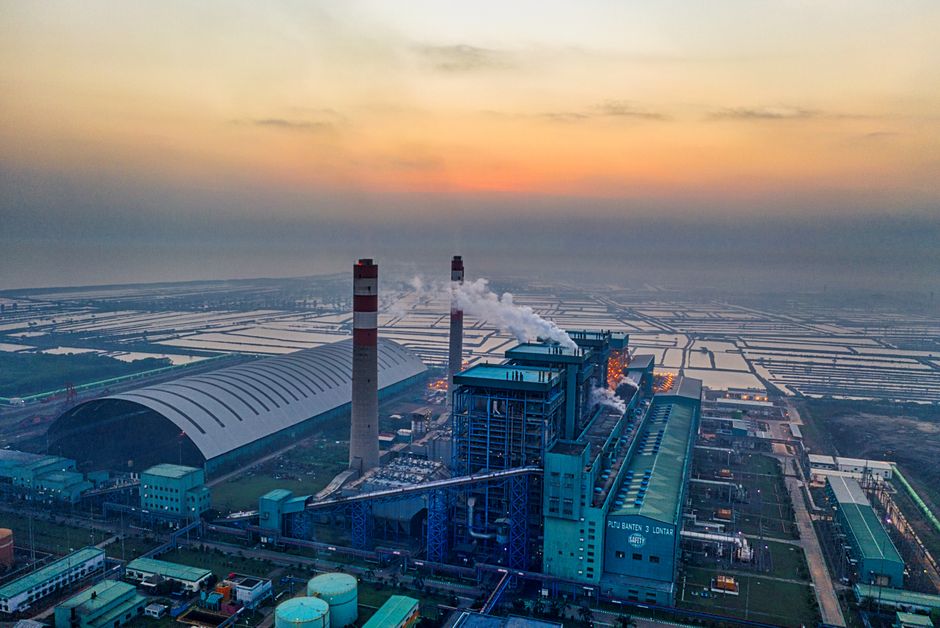
Category Energy Industry 2: Navigating the Evolving Landscape of Sustainable and Advanced Energy Solutions
Category Energy Industry 2 encompasses the dynamic and increasingly crucial sector focused on the generation, transmission, distribution, and utilization of energy derived from sustainable, renewable, and advanced technological sources. This category is rapidly diverging from traditional fossil fuel reliance, driven by escalating environmental concerns, geopolitical imperatives, and relentless technological innovation. It represents the vanguard of the global energy transition, aiming to decarbonize economies and foster energy independence and security. Within this broad classification, key sub-sectors emerge, each playing a vital role in shaping the future of energy. These include solar power (photovoltaic and thermal), wind energy (onshore and offshore), hydropower (traditional and pumped storage), geothermal energy, bioenergy, and emerging technologies such as advanced nuclear, hydrogen, and carbon capture utilization and storage (CCUS). The growth of this sector is not merely about replacing existing energy sources but also about integrating these new technologies into existing grids, developing innovative storage solutions, and optimizing energy management systems. The economic implications are profound, with significant investment flowing into research and development, manufacturing, installation, and maintenance of these new energy infrastructures. Furthermore, policy frameworks, regulatory incentives, and international collaborations are instrumental in accelerating the adoption and deployment of these advanced energy solutions. Understanding the intricacies of Category Energy Industry 2 is therefore paramount for policymakers, investors, businesses, and individuals seeking to comprehend and contribute to a sustainable energy future.
Solar energy, a cornerstone of Category Energy Industry 2, has witnessed exponential growth and technological advancement. Photovoltaic (PV) technology, converting sunlight directly into electricity, has seen dramatic reductions in manufacturing costs, making solar panels increasingly competitive with conventional energy sources. Advancements in PV cell efficiency, material science, and manufacturing processes continue to push the boundaries of performance. Bifacial solar panels, which capture sunlight on both sides, and perovskite solar cells, offering the potential for higher efficiencies and lower production costs, are examples of ongoing innovations. Solar thermal energy, while less dominant than PV, plays a significant role in heating water for residential and commercial use and in concentrated solar power (CSP) plants, which use mirrors to concentrate sunlight to generate heat, driving turbines to produce electricity. CSP technology, particularly with thermal storage capabilities, can provide dispatchable power, addressing the intermittency challenges inherent in solar energy. The scalability of solar power, from small rooftop installations to vast utility-scale solar farms, underscores its versatility and widespread applicability. The integration of solar power into the grid necessitates sophisticated grid management systems and energy storage solutions to ensure reliability and stability.
Wind energy, another pivotal component of Category Energy Industry 2, has also experienced remarkable expansion, particularly in the realm of offshore wind. Turbine technology has evolved significantly, with larger, more powerful, and more efficient turbines being deployed, especially offshore, where wind resources are often stronger and more consistent. Offshore wind farms, once a niche technology, are now a major source of renewable energy, with advancements in foundation design, installation techniques, and subsea cabling enabling deployment in deeper waters and more challenging environments. Floating offshore wind platforms, in particular, hold immense potential for unlocking vast untapped wind resources further from shore. Onshore wind farms continue to be a cost-effective source of electricity, with ongoing improvements in aerodynamic design, control systems, and material durability. The development of smart grids and advanced forecasting techniques are crucial for integrating the variable output of wind turbines into the overall energy supply. Policy support, through tax incentives and renewable energy mandates, has been a critical driver of wind energy deployment.
Hydropower, a mature yet vital renewable energy source within Category Energy Industry 2, continues to contribute significantly to global electricity generation. While large-scale dam construction faces environmental and social scrutiny, significant potential remains in upgrading existing facilities, implementing pumped storage hydropower (PSH), and developing smaller-scale run-of-river projects. PSH systems act as large-scale batteries, storing excess electricity by pumping water to an upper reservoir and releasing it to generate power when demand is high. This dispatchable nature makes PSH an invaluable asset for grid stability and the integration of intermittent renewable sources like solar and wind. The environmental impact of hydropower is a critical consideration, with ongoing research focused on minimizing ecological disruption, mitigating greenhouse gas emissions from reservoirs, and enhancing fish passage. Innovations in turbine design and operational strategies are also contributing to improved efficiency and reduced environmental footprint.
Geothermal energy, harnessing the Earth’s internal heat, represents a consistent and reliable source of baseload power and heat. While its geographical distribution is more limited compared to solar and wind, advancements in enhanced geothermal systems (EGS) are expanding its potential by enabling energy extraction from a wider range of geological formations. EGS involves injecting fluids into hot dry rock reservoirs to create permeability and extract heat. Direct use applications of geothermal energy, such as district heating and cooling, industrial processes, and agricultural applications, also offer significant economic and environmental benefits. The exploration and drilling technologies are crucial for accessing and utilizing geothermal resources effectively. Continued research into advanced drilling techniques and reservoir stimulation is key to unlocking the full potential of geothermal energy.
Bioenergy, derived from organic matter, encompasses a diverse range of technologies and feedstocks, including biomass combustion, biogas production, and advanced biofuels. Sustainable sourcing of biomass is a critical consideration to avoid competition with food production and deforestation. Advances in waste-to-energy technologies are gaining traction, converting agricultural residues, municipal solid waste, and other organic waste streams into valuable energy. Biogas, produced through anaerobic digestion, can be used for heating, electricity generation, or upgraded to biomethane for injection into natural gas grids or use as a vehicle fuel. Advanced biofuels, derived from non-food crops, algae, or cellulosic materials, hold promise for decarbonizing the transportation sector, which has been a challenging area for electrification. The circular economy principles are increasingly being integrated into bioenergy strategies, emphasizing resource efficiency and waste reduction.
Advanced nuclear energy technologies are also a significant and evolving part of Category Energy Industry 2, particularly in the context of low-carbon baseload power generation. While traditional nuclear power faces challenges related to public perception and waste management, next-generation reactor designs, such as small modular reactors (SMRs) and advanced fission reactors, offer potential advantages in terms of safety, efficiency, waste reduction, and affordability. SMRs, with their smaller footprint and factory-built modular construction, can offer greater flexibility and reduced upfront capital costs. Advanced fuel cycles and waste management strategies are also areas of active research and development aimed at improving the sustainability and public acceptance of nuclear energy. Fusion energy, while still in its early stages of development, represents a long-term aspiration for a virtually inexhaustible and inherently safe energy source.
Hydrogen, as an energy carrier, is emerging as a transformative technology within Category Energy Industry 2. Green hydrogen, produced through electrolysis powered by renewable electricity, offers a clean pathway to decarbonize sectors that are difficult to electrify directly, such as heavy industry, long-haul transportation, and aviation. The development of efficient and cost-effective electrolyzer technologies, along with the necessary infrastructure for hydrogen production, storage, and distribution, are critical for its widespread adoption. Blue hydrogen, produced from natural gas with carbon capture and storage, can serve as a transitional fuel, while advancements in direct solar-to-hydrogen production methods are also being explored. The potential for hydrogen to act as a medium for long-duration energy storage is also a significant area of interest.
Carbon Capture Utilization and Storage (CCUS) technologies are gaining increasing importance within Category Energy Industry 2 as a means to mitigate emissions from existing industrial processes and power generation, as well as to enable negative emissions. CCUS involves capturing CO2 from industrial sources or directly from the atmosphere, and then either utilizing it in various applications or storing it permanently underground. While the primary focus is often on storage, the utilization of CO2 in the production of chemicals, fuels, and building materials offers additional economic incentives and can contribute to a more circular economy. The cost-effectiveness and scalability of CCUS technologies remain key areas of development, and policy support is crucial for their deployment. The integration of CCUS with renewable energy sources, such as direct air capture powered by wind or solar, represents a pathway towards achieving net-zero or even negative emissions.
The integration of these diverse energy technologies into existing and future energy systems presents significant challenges and opportunities. Smart grid technologies, advanced metering, demand-side management, and sophisticated energy management software are essential for optimizing the flow of electricity from distributed renewable sources and ensuring grid stability. Energy storage solutions, ranging from batteries (lithium-ion, flow batteries, solid-state) to mechanical storage (pumped hydro, compressed air), and even hydrogen, are crucial for bridging the intermittency gap of renewable energy sources and providing grid services. Cybersecurity for these increasingly interconnected energy systems is also a paramount concern.
The economic landscape of Category Energy Industry 2 is characterized by massive global investment, driven by both public and private sector initiatives. Government policies, including tax credits, subsidies, renewable energy mandates, and carbon pricing mechanisms, play a pivotal role in de-risking investments and accelerating the deployment of clean energy technologies. International cooperation and agreements, such as the Paris Agreement, are fostering global momentum towards decarbonization and creating opportunities for technology transfer and market expansion. The development of new supply chains for critical minerals and components, alongside a skilled workforce, are essential for the sustained growth of this sector. The evolving regulatory environment, addressing issues such as grid interconnection, pricing of renewable energy, and environmental standards, is continuously shaping the trajectory of Category Energy Industry 2. The pursuit of energy security and independence is a powerful motivator for many nations to invest heavily in domestic renewable and advanced energy resources, reducing reliance on volatile international fossil fuel markets. The convergence of digital technologies with energy systems, leading to the rise of smart cities and the Internet of Things (IoT) in energy management, is further revolutionizing how energy is produced, consumed, and managed. This transformative era in energy is defined by innovation, sustainability, and a fundamental reshaping of global energy paradigms, with Category Energy Industry 2 at its very core.
