The Art and Science of Football Management: A Deep Dive into Strategy, Tactics, and Player Development
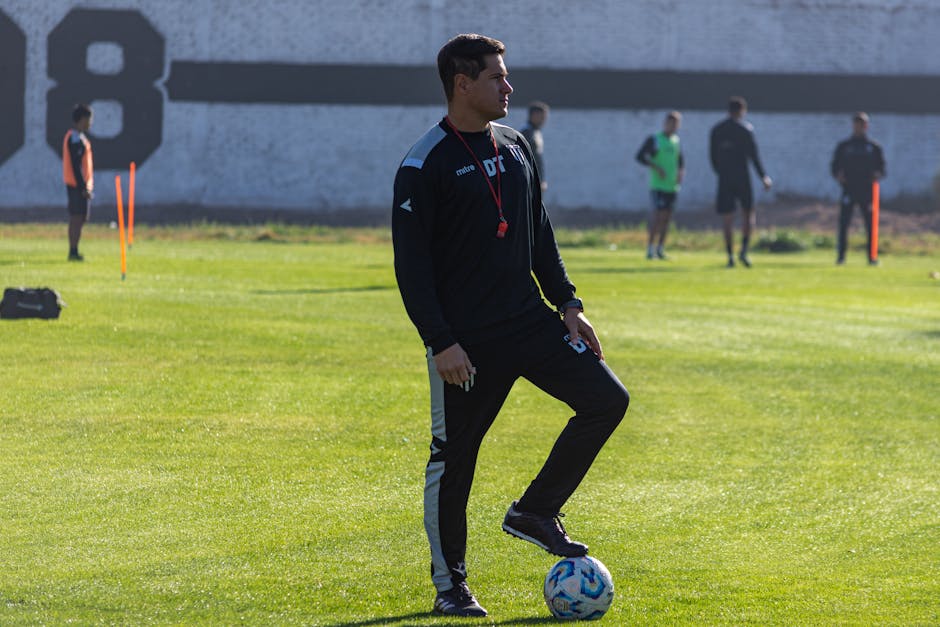
Football management transcends mere team selection; it’s a complex ecosystem of strategic planning, tactical execution, player development, and man-management. At its core, it involves guiding a team from the training ground to match day victory, constantly adapting to the ever-evolving landscape of the sport. This comprehensive guide explores the multifaceted nature of football management, dissecting its key components and offering insights into how managers achieve success.
Strategic Vision: The Foundation of Success
A successful football manager possesses a clear strategic vision, a long-term blueprint for the club’s aspirations. This vision encompasses several key areas. Firstly, it involves club philosophy, a defining style of play that guides recruitment, training, and tactical decisions. Is the club to be known for its possession-based football, its defensive solidity, or its high-energy pressing game? This philosophy acts as a North Star, ensuring consistency and a recognizable identity. Secondly, recruitment strategy is paramount. Managers must identify players who not only possess the technical and physical attributes required but also fit the club’s philosophy and culture. This involves scouting effectively, negotiating shrewdly, and understanding the transfer market dynamics. A well-defined recruitment strategy can elevate a team significantly, even with limited resources. Thirdly, youth development is a crucial long-term investment. Nurturing young talent through a robust academy system provides a pipeline of players who understand the club’s ethos and can contribute to future success, often at a lower cost than external transfers. Finally, financial management is intrinsically linked to strategy. Managers must operate within budget constraints, make wise transfer decisions that offer good value, and understand how to generate revenue to reinvest in the squad and infrastructure. A manager who can balance ambition with fiscal responsibility is one poised for sustained success.
Tactical Prowess: The Art of Game Day Decision-Making
Tactics are the operational arm of a manager’s strategy, dictating how the team will approach individual matches. This involves several interconnected elements. Formations are the initial blueprint, outlining the positioning of players on the pitch. Common formations like 4-4-2, 4-3-3, and 3-5-2 each offer distinct advantages and disadvantages, influencing defensive structure, attacking width, and midfield control. However, formations are fluid, and managers often adapt them during games based on the opposition and the flow of play. Team shape and structure refer to how players move and maintain their positions both with and without the ball. A compact defensive shape, for instance, limits space for the opposition, while a wide attacking structure stretches the defense. Pressing strategies have become increasingly sophisticated. Managers decide when, where, and how intensely their team will press the opponent to regain possession. This can range from a high press, aimed at winning the ball deep in the opponent’s half, to a mid-block press that stifles build-up play. Attacking patterns of play are the pre-rehearsed movements and combinations designed to create scoring opportunities. This could involve quick, direct attacks, intricate passing moves, or exploiting specific areas of the pitch. Defensive organization is equally critical, focusing on marking responsibilities, covering spaces, and preventing dangerous crosses or through balls. Beyond these core tactical elements, managers must also consider set-piece strategies, both offensive and defensive. The execution of free-kicks, corners, and penalties can often be the difference between a win and a draw. Furthermore, effective in-game management is a hallmark of a top tactician. This involves making timely substitutions to influence the game, adjusting formations and tactics based on the opposition’s strengths and weaknesses, and communicating effectively with players on the sidelines. The ability to read the game and react decisively is a skill honed through experience and a deep understanding of football.
Player Development: Cultivating Potential and Maximizing Performance
Exceptional football management hinges on the ability to develop players, both individually and collectively. This extends beyond simply selecting the best eleven; it involves nurturing talent and maximizing the potential of every squad member. Individual player development focuses on improving specific technical skills (e.g., passing accuracy, shooting technique, dribbling), physical attributes (e.g., speed, strength, stamina), and mental aspects (e.g., decision-making, composure, resilience). This is achieved through targeted training drills, individual coaching sessions, and personalized feedback. Team development involves instilling tactical understanding, improving understanding between players, and fostering a cohesive unit. This requires effective communication, clear instruction, and opportunities for players to practice and gel together. Performance analysis plays a crucial role in identifying areas for improvement. Modern technology, including video analysis and performance metrics, allows managers to dissect individual and team performances, pinpointing strengths and weaknesses with remarkable accuracy. This data-driven approach informs training programs and tactical adjustments. Motivation and psychology are also integral to player development. Managers must understand how to motivate individuals, build confidence, and manage the psychological pressures of professional football. This involves creating a positive training environment, providing constructive criticism, and fostering strong relationships with players. The journey of player development is continuous, requiring patience, dedication, and a keen eye for talent.
Man-Management: The Human Element of Leadership
The most tactically astute manager will falter without strong man-management skills. This is the ability to connect with players on a human level, fostering trust, respect, and a shared sense of purpose. Communication is paramount. Managers must be able to articulate their vision, explain tactical instructions clearly, and provide constructive feedback. Active listening is equally important, allowing players to voice concerns and feel heard. Building relationships is key. Managers who invest time in understanding their players’ personalities, motivations, and off-field lives can foster a stronger bond and a more loyal squad. This human connection can be the difference between a team that plays for themselves and a team that plays for their manager. Conflict resolution is an inevitable part of managing a diverse group of individuals. Managers must be adept at addressing disagreements, mediating disputes, and ensuring a harmonious team environment. Motivation and inspiration are crucial for sustained performance. Managers must be able to tap into players’ intrinsic drive, instilling belief and fostering a winning mentality, even during difficult periods. This can involve inspirational speeches, setting clear goals, and celebrating successes. Delegation is also an important aspect of man-management. Empowering coaches, captains, and senior players to take on responsibilities can foster leadership within the squad and alleviate the manager’s workload. Ultimately, effective man-management creates a positive team culture where players feel valued, supported, and motivated to perform at their best for the collective good.
The Modern Football Manager: Adapting to a Dynamic Landscape
The role of a football manager is constantly evolving, driven by technological advancements, increased media scrutiny, and shifting player expectations. Modern managers must be adaptable and lifelong learners. Data analytics is no longer a fringe tool but an integral part of decision-making, influencing everything from player recruitment to in-game tactics. Managers who embrace and understand data are at a distinct advantage. Sports science and sports psychology are increasingly integrated into training and player preparation, optimizing physical conditioning and mental resilience. Managers must collaborate effectively with specialists in these fields. The media landscape has also changed dramatically, with constant demands for interviews and analysis. Managers must be media-savvy, able to navigate interviews with composure and present a united front for the club. Player welfare is a growing concern, with managers needing to balance performance demands with the physical and mental well-being of their players. This involves understanding load management, injury prevention, and mental health support. The ability to lead and inspire remains a constant, but the methods may shift. Understanding generational differences in player motivation and communication is crucial. The modern football manager is a multifaceted leader, a strategist, a tactician, a developer of talent, and a skilled communicator, constantly striving to achieve excellence in an increasingly competitive and demanding environment. The pursuit of success in football management is a perpetual cycle of learning, adaptation, and relentless dedication.
