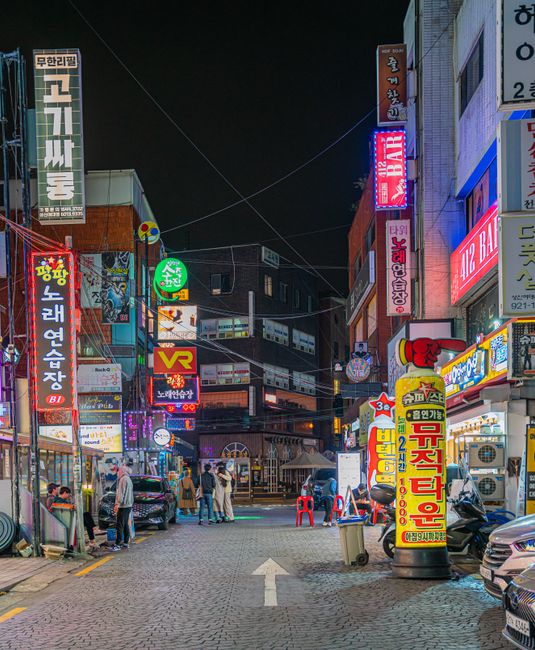
K-Drama Genres: A Deep Dive into the Diverse World of Korean Television
Korean dramas, or K-dramas, have transcended geographical boundaries, captivating global audiences with their compelling narratives, high production values, and diverse thematic explorations. While the term "K-drama" often conjures images of swoon-worthy romance, the reality is a rich tapestry of genres, each offering a unique viewing experience. Understanding these categories is crucial for both seasoned fans and newcomers looking to navigate the vast landscape of Korean television. From adrenaline-pumping thrillers to heartwarming slice-of-life stories, K-dramas cater to a spectrum of tastes, demonstrating the genre’s remarkable adaptability and storytelling prowess. This article will explore the most prominent K-drama categories, highlighting their defining characteristics, popular subgenres, and the reasons behind their widespread appeal.
Romance K-Dramas: The Cornerstone of Global Appeal
Romance remains the undisputed titan of K-drama genres, forming the bedrock of its international popularity. These dramas typically center on the development of romantic relationships, often navigating the complexities of love, societal pressures, and personal growth. The appeal lies in their ability to evoke strong emotional responses, from exhilarating butterflies to tear-jerking heartbreak. Within this broad category, several subgenres flourish, each with its distinct flavor.
-
Romantic Comedy (Rom-Com): This is perhaps the most accessible and beloved subgenre. Rom-coms blend humor with budding romance, featuring witty banter, awkward encounters, and ultimately, feel-good resolutions. Tropes like the "enemies-to-lovers" dynamic, "childhood friends reunion," and "fake dating" are common, all leading to the inevitable union of the protagonists. Examples like What’s Wrong with Secretary Kim? and Crash Landing on You exemplify the charm and escapism offered by well-executed rom-coms, where the journey to love is as entertaining as the destination. The humor often stems from the characters’ relatable struggles and the exaggerated reactions to romantic situations, making them incredibly engaging.
-
Melodrama/Tragic Romance: In stark contrast to rom-coms, melodramas delve into the more poignant and often sorrowful aspects of love. These narratives frequently involve tragic circumstances, forbidden love, illness, or external conflicts that threaten to tear the couple apart. While they can be emotionally taxing, the catharsis and the profound exploration of love’s endurance in the face of adversity resonate deeply with viewers. Classics like Stairway to Heaven and more recent hits like The Red Sleeve showcase the power of emotional storytelling, leaving a lasting impact on audiences. The intensity of the emotions, coupled with compelling plotlines, creates a potent and memorable viewing experience.
-
Fantasy Romance: This subgenre injects an element of the supernatural or fantastical into romantic narratives. Whether it’s a centuries-old Grim Reaper falling for a mortal, a goblin king seeking his bride, or a time-traveling couple, these dramas offer a unique blend of magic and romance. The fantastical elements often serve as metaphors for deeper emotional truths or create intriguing plot devices. Goblin (Guardian: The Lonely and Great God) and My Love from the Star are prime examples, demonstrating how the extraordinary can amplify the intensity and allure of a love story, allowing for imaginative scenarios that transcend the mundane.
-
Historical Romance (Sageuk Romance): Set in Korea’s past, these dramas combine historical settings with romantic storylines. They often explore the lives of royalty, noble families, or commoners within a specific era, weaving romance into the fabric of political intrigue, social hierarchies, and cultural traditions. The elaborate costumes, breathtaking cinematography, and compelling historical backdrops add an extra layer of immersion. Moon Embracing the Sun and Love in the Moonlight are celebrated for their exquisite portrayal of love blooming against the backdrop of royal courts and turbulent historical periods, offering both romantic escapism and a glimpse into Korea’s rich past.
Crime and Thriller K-Dramas: Adrenaline-Pumping Narratives
Beyond the realm of romance, crime and thriller K-dramas have garnered significant international acclaim for their intricate plots, suspenseful pacing, and often gritty realism. These dramas are designed to keep viewers on the edge of their seats, unraveling mysteries, pursuing justice, and confronting darkness.
-
Detective and Police Procedurals: These dramas follow dedicated detectives or police units as they investigate crimes, apprehend criminals, and uncover complex conspiracies. They often feature intricate puzzle-solving, moral dilemmas, and the psychological toll of law enforcement. Signal and Stranger (Secret Forest) are critically acclaimed for their intelligent scripting, well-developed characters, and thought-provoking explorations of justice and corruption. The meticulous attention to detail in their investigation processes and the exploration of societal flaws make these dramas compelling viewing.
-
Psychological Thrillers: These narratives delve into the darker corners of the human psyche, exploring obsession, manipulation, and mental instability. They rely on suspense, unreliable narrators, and unexpected twists to create a sense of unease and dread. Flower of Evil and Beyond Evil are excellent examples, showcasing masterful storytelling that keeps audiences guessing and deeply invested in the characters’ psychological journeys. The exploration of the human capacity for both good and evil, and the blurred lines between them, is a common and captivating theme.
-
Action and Suspense Thrillers: Characterized by high-octane action sequences, intense chase scenes, and life-or-death stakes, these dramas offer a pure adrenaline rush. Whether it’s a former spy seeking redemption, a group of elite agents on a mission, or individuals caught in extraordinary circumstances, the focus is on thrilling plot progression and explosive set pieces. Vagabond and Taxi Driver provide ample excitement and intrigue, delivering fast-paced narratives that are visually stunning and consistently engaging. The blend of strategic planning and raw action keeps the audience captivated.
Fantasy and Sci-Fi K-Dramas: Expanding the Realm of Possibility
The imagination knows no bounds in fantasy and sci-fi K-dramas, which transport viewers to worlds filled with magic, advanced technology, and extraordinary beings. These genres offer a unique blend of escapism and thought-provoking commentary.
-
Supernatural and Mythological: Drawing heavily from Korean folklore, mythology, and supernatural concepts, these dramas feature a wide array of beings, from ancient deities and mythical creatures to modern-day ghosts and spirits. Tale of the Nine Tailed and Hotel Del Luna beautifully blend traditional Korean mythology with contemporary storytelling, creating captivating narratives filled with magic, romance, and often, a touch of melancholy. The visual richness and the exploration of timeless myths in modern contexts are particularly appealing.
-
Time Travel and Alternate Realities: The concept of altering the past or experiencing different timelines fuels many compelling K-dramas. These narratives explore the consequences of temporal manipulation, the butterfly effect, and the enduring nature of fate. Tomorrow With You and Alice skillfully weave intricate plots around the complexities of time, raising intriguing philosophical questions about destiny and free will. The paradoxes and ethical considerations of time travel are often central to their appeal.
-
Futuristic and Dystopian Worlds: These dramas paint pictures of advanced societies, often with a dystopian undertone, exploring the implications of technological advancement, societal control, or environmental collapse. They use these futuristic settings to comment on contemporary issues and human nature. Sweet Home and The Silent Sea showcase impressive visual effects and compelling narratives that tackle existential threats and the resilience of humanity in the face of overwhelming challenges.
Slice-of-Life K-Dramas: The Comfort of the Everyday
Slice-of-life K-dramas offer a gentle, relatable, and often heartwarming glimpse into the everyday lives of ordinary people. They focus on character development, interpersonal relationships, and the subtle joys and struggles of existence, providing a sense of comfort and familiarity.
-
Everyday Life and Human Relationships: These dramas excel at portraying the nuances of human connection – family dynamics, friendships, workplace camaraderie, and romantic entanglements in a realistic manner. They often explore themes of personal growth, resilience, and finding happiness in simple moments. The Reply series (Reply 1997, Reply 1994, Reply 1988) is a masterclass in nostalgic storytelling, celebrating friendship, family, and the vibrant spirit of bygone eras, resonating deeply with viewers through their shared human experiences.
-
Medical and Legal Dramas: While these can sometimes lean into more dramatic territory, the slice-of-life aspect often shines through in their focus on the daily challenges, ethical dilemmas, and personal sacrifices of professionals in these demanding fields. The camaraderie among colleagues and the emotional toll of their work are often central. Hospital Playlist is a standout, lauded for its authentic portrayal of friendship and the everyday lives of doctors, blending humor, pathos, and a deep understanding of human connection within a hospital setting.
-
Coming-of-Age Stories: These dramas follow the journeys of young protagonists as they navigate adolescence, discover their identities, and grapple with the challenges of growing up. They often capture the awkwardness, excitement, and emotional turbulence of this formative period. My ID is Gangnam Beauty and At Eighteen offer relatable explorations of self-acceptance, social pressures, and the search for belonging, resonating with younger audiences and evoking nostalgia in older ones.
Historical K-Dramas (Sageuk): Timeless Tales of the Past
Historical K-dramas, known as "Sageuk," offer a rich and immersive journey into Korea’s past, blending historical events with captivating narratives. These dramas are celebrated for their meticulous attention to detail in costumes, set design, and cultural practices, providing both entertainment and educational value.
-
Royal Court Intrigue and Political Dramas: Many Sageuk dramas focus on the power struggles, betrayals, and machinations within royal courts. These narratives often involve ambitious princes, wise queens, cunning ministers, and the constant threat of rebellion or usurpation. The King’s Affection and Kingdom (a unique zombie thriller set in the Joseon era) exemplify the gripping political thrillers that can unfold against a historical backdrop, keeping viewers invested in the fate of kingdoms and the survival of characters.
-
Social Commentary and Human Drama: Beyond political intrigue, Sageuk dramas also offer profound insights into the lives of commoners, the rigid social hierarchies of the past, and the struggles of ordinary people against societal injustices. They explore themes of class, gender roles, and the enduring human spirit. Jewel in the Palace (Dae Jang Geum), a pioneering drama in this genre, highlights the resilience and determination of a female protagonist overcoming immense adversity.
Other Notable K-Drama Genres:
While the above categories represent the most prominent, K-dramas continue to innovate and blend genres, giving rise to other noteworthy categories:
-
Fantasy/Action Blends: Dramas that seamlessly fuse fantastical elements with high-octane action sequences, creating visually stunning and thrilling narratives. Arthdal Chronicles is an ambitious example that explores early civilization and mythical lore with epic battle sequences.
-
Supernatural/Mystery Hybrids: These dramas combine supernatural elements with intricate mystery plots, where ghostly apparitions or otherworldly phenomena are integral to solving crimes or unraveling enigmas. Hellbound and The Guest are powerful examples that explore darker themes of faith, sin, and the supernatural.
-
Musical K-Dramas: While less common, some K-dramas incorporate musical numbers and theatrical performances into their storylines, offering a unique blend of drama and performance art. Dream High is a popular example that focuses on aspiring young artists in the competitive entertainment industry.
The enduring popularity of K-dramas stems from their ability to adapt, innovate, and consistently deliver high-quality content across a diverse range of genres. Whether it’s a heartwarming romance, a nail-biting thriller, or a thought-provoking historical drama, the world of Korean television offers an inexhaustible supply of compelling stories that continue to captivate audiences worldwide. The constant evolution of these genres, with their willingness to experiment with new themes and storytelling techniques, ensures that K-dramas will remain a dominant force in global entertainment for years to come. The intricate storytelling, coupled with exceptional acting and breathtaking visuals, forms a potent recipe for success that appeals to a vast and ever-growing international audience.
