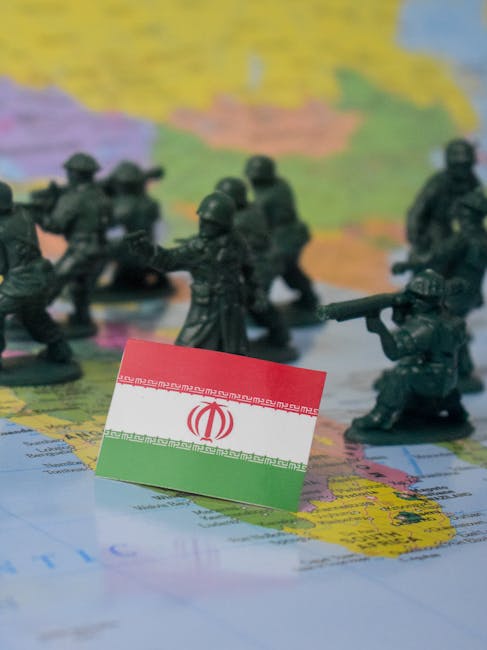
Military Politics: The Intersection of Power, Strategy, and Statecraft
Military politics encompasses the intricate interplay between military institutions, political leadership, and the broader societal context in which defense decisions are made. It is a domain defined by the pursuit and exercise of power, the formulation of strategic objectives, and the execution of statecraft through coercive or the threat of coercive, force. Understanding military politics is crucial for comprehending national security, international relations, and the internal dynamics of states. This field examines how military forces are organized, funded, and deployed, and critically, how civilian and military authorities navigate their respective roles and influence in shaping defense policy. The core of military politics lies in the inherent tension between the military’s operational imperatives – its need for resources, autonomy, and specialized knowledge – and the political leadership’s responsibility for national survival, diplomatic engagement, and the articulation of broader societal goals. This dynamic can manifest in numerous ways, from the budgeting process and procurement decisions to the deployment of troops and the conduct of warfare.
The historical evolution of military politics is intrinsically linked to the development of the modern state. As states consolidated power and established professional standing armies, the relationship between the military and the political sphere became more formalized and complex. Early forms of military politics often involved direct military rule, where generals or warlords seized political power, a phenomenon that has recurred throughout history in various forms of coups and dictatorships. However, the rise of democratic and liberal states in the modern era has, in theory, emphasized civilian control over the military. This principle, often referred to as the "primacy of civilian authority," posits that elected officials should hold ultimate decision-making power over the armed forces, including their deployment, objectives, and the allocation of resources. This separation of powers is designed to prevent the military from becoming an independent political actor that could undermine democratic governance. Yet, the practical implementation of civilian control is rarely straightforward and often involves a delicate balancing act.
Civilian control is not a monolithic concept; it encompasses a spectrum of arrangements. In presidential systems, the head of state is typically the commander-in-chief, wielding significant authority over the military. In parliamentary systems, the executive, often a prime minister, exercises this authority, usually with oversight from the legislature. The effectiveness of civilian control depends on several factors, including the transparency of military decision-making, the competence of civilian oversight bodies, and the political culture of a nation. A robust and independent legislature capable of scrutinizing defense budgets and policies, coupled with a free and inquisitive press, can act as crucial checks on potential military overreach. Conversely, in states with weak institutions or a tradition of authoritarianism, the military may exert disproportionate influence, blurring the lines between military and political authority.
The military’s influence in politics is often exerted through a variety of channels, both formal and informal. Formal channels include participation in national security councils, advisory roles to political leaders, and legislative hearings where military leaders provide testimony on defense matters. Informal channels can involve lobbying efforts, public relations campaigns, and the cultivation of close relationships between senior military officers and political elites. Military leaders often possess specialized knowledge and experience regarding national security threats, military capabilities, and operational realities, which can give them considerable persuasive power in policy debates. Furthermore, the public’s perception of the military, often imbued with a sense of patriotism and respect, can also be leveraged to influence political discourse and policy outcomes.
The defense budget is a central arena for military politics. Decisions regarding the allocation of financial resources to defense are inherently political, reflecting a state’s priorities, threat perceptions, and geopolitical ambitions. Military bureaucracies, with their vested interests in maintaining and expanding their budgets, actively engage in lobbying and advocacy to secure funding for personnel, procurement, research and development, and operational readiness. This process often involves complex negotiations between the military, the executive branch, and the legislature, with various interest groups, including defense contractors and think tanks, also playing significant roles. The "iron triangle" of military, industry, and legislative committees is a well-documented phenomenon in many countries, where these entities collectively shape defense spending and policy.
Military procurement, the process of acquiring weapons systems and equipment, is another area fraught with political considerations. Large defense contracts can have substantial economic impacts, creating jobs and fostering technological innovation within specific regions or industries. This can lead to intense political competition and lobbying to secure these lucrative contracts. Moreover, the type of weapons systems a nation acquires is often dictated by its strategic doctrines, alliance commitments, and its perception of potential adversaries, all of which are fundamentally political decisions. The debate over whether to invest in offensive or defensive capabilities, for instance, is deeply intertwined with a nation’s foreign policy posture and its willingness to engage in conflict.
The relationship between military leaders and political leaders is a dynamic one, characterized by both cooperation and potential friction. Military leaders are tasked with executing the policies decided by their civilian superiors, but they also have a responsibility to advise those superiors on the feasibility and consequences of those policies. This can lead to situations where military advice clashes with political objectives, creating difficult choices for both sides. The "fog of war" and the inherent uncertainties of military operations mean that civilian leaders must often rely on the judgment and expertise of their military commanders. However, this reliance must be tempered by a critical understanding of military perspectives and a willingness to challenge assumptions.
The concept of the "military-industrial complex," famously warned against by U.S. President Dwight D. Eisenhower, remains a relevant consideration in military politics. This refers to the symbiotic relationship between a nation’s military, its defense industry, and the political institutions that oversee them. Critics argue that this complex can create incentives for perpetual warfare and excessive military spending, as the economic interests of defense contractors become intertwined with national security policy. The revolving door phenomenon, where individuals move between government positions in defense and senior roles in defense industries, further exacerbates concerns about undue influence.
The role of military ideology and professional norms also plays a significant part in military politics. Military institutions often cultivate specific values and belief systems that shape how their members perceive the world, threats, and their role in society. These can include a strong emphasis on discipline, hierarchy, loyalty, and a pragmatic, often risk-averse, approach to problem-solving. While these norms are essential for military effectiveness, they can also, at times, lead to friction with the more pluralistic and often less hierarchical nature of civilian political decision-making. The military’s collective identity and its sense of its own unique contribution to national security can become a powerful force in shaping its political engagement.
Military interventions and the conduct of warfare are perhaps the most profound expressions of military politics. Decisions to engage in armed conflict are invariably the product of complex political calculations, involving assessments of national interests, potential risks and rewards, and the international legal and diplomatic landscape. Once engaged, the conduct of war is governed by military strategy and tactics, but these are ultimately implemented within the framework of political objectives. Civilian leaders retain the ultimate authority to define the war’s aims, its scope, and its end conditions. However, the realities of battlefield operations and the human cost of conflict can exert considerable pressure on political decision-making.
The relationship between the military and the public is another crucial dimension of military politics. Public opinion can be a powerful force, shaping the political will to engage in military action, influencing defense spending, and impacting the success or failure of military operations. Conversely, the military’s public image and its perceived legitimacy are also shaped by its actions and its relationship with the civilian government. In democratic societies, maintaining public trust and support for the armed forces is essential for sustained defense efforts.
The international dimension of military politics is equally significant. Alliances, arms races, and the proliferation of weapons of mass destruction are all products of the interplay between national military policies and the broader international system. The decisions made within one state regarding its military can have profound ripple effects across the globe, influencing the security calculations of other nations. International law, treaties, and diplomatic negotiations also play a critical role in shaping and constraining military politics on a global scale.
Finally, military politics is a constantly evolving field. The advent of new technologies, the changing nature of warfare (e.g., cyber warfare, hybrid threats), and shifts in global power dynamics continuously reshape the relationship between military institutions and political authority. Understanding these trends and their implications is essential for navigating the complex landscape of defense and security in the 21st century. The enduring challenge lies in ensuring that military power remains a tool of statecraft, subservient to democratically determined political objectives, and accountable to the citizens it is sworn to protect. The study of military politics, therefore, is not merely an academic exercise; it is a vital component of responsible governance and the pursuit of lasting peace and security.
