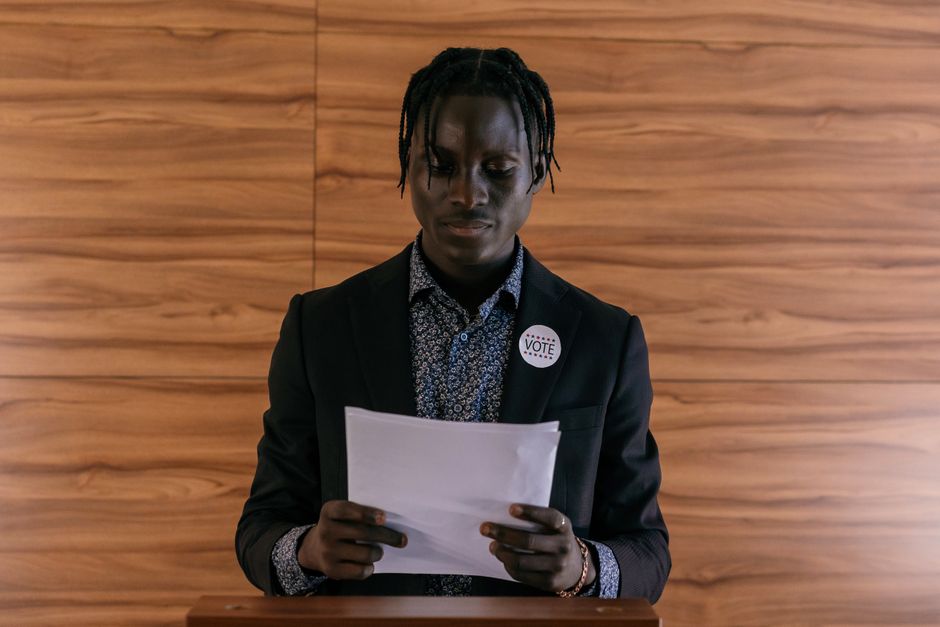
Political Speeches: A Cornerstone of Democracy and Public Discourse
Political speeches are foundational to democratic societies and the broader landscape of public discourse. They serve as a primary conduit for elected officials, candidates, and political actors to communicate their platforms, ideologies, policy proposals, and visions for the future to the electorate. Beyond mere pronouncements, these speeches are strategic tools designed to persuade, mobilize, and inform. Their effectiveness hinges on a complex interplay of rhetorical skill, understanding of audience, timing, and the prevailing socio-political climate. From the grand pronouncements of national leaders on inaugurations or state occasions to the focused appeals of local representatives at town halls, political speeches encapsulate the aspirations, anxieties, and debates that shape a nation. They are historical artifacts, capturing moments of significant societal change, and living documents, constantly adapting to contemporary challenges. The art and science of crafting and delivering impactful political speeches have evolved over centuries, yet their core purpose – to connect, convince, and ultimately influence – remains constant. Understanding the various types, functions, and techniques associated with political speeches is crucial for both those who deliver them and those who consume them, as they are indispensable instruments in the formation and maintenance of public opinion and political action.
The spectrum of political speeches is remarkably diverse, reflecting the varied contexts and objectives they aim to fulfill. At one end are the broad, aspirational speeches, often delivered during major public events like inaugurations, national holidays, or party conventions. These aim to unite, inspire, and articulate a grand vision, setting a tone for future governance or campaign cycles. Think of Abraham Lincoln’s Gettysburg Address, a masterful example of conciseness and profound meaning, or Franklin D. Roosevelt’s inaugural addresses, which offered solace and resolve during times of crisis. These speeches often rely on appeals to national identity, shared values, and historical precedent. Conversely, policy-specific speeches delve into the intricacies of proposed legislation, economic strategies, or foreign policy initiatives. These are typically delivered to legislative bodies, think tanks, or specialized audiences and require a detailed understanding of the issues at hand, supported by data and logical argumentation. Candidates on the campaign trail deliver a constant stream of speeches, each tailored to different demographics and stages of the electoral cycle. These range from stump speeches, designed for broad appeal and repeated delivery, to more targeted addresses at rallies, fundraisers, or debates. Debates themselves are a form of high-stakes, impromptu political speech, requiring quick thinking, refutation of opponents, and reinforcement of one’s own message under intense scrutiny. There are also protest speeches, aimed at galvanizing opposition, raising awareness about specific grievances, and demanding change, often characterized by passionate rhetoric and calls to action. Finally, crisis communication speeches, delivered during emergencies, natural disasters, or moments of national trauma, focus on providing information, reassurance, and guidance, demanding a distinct tone of calm authority and empathy. Each of these forms, while distinct, shares the underlying goal of communicating a political message effectively.
The rhetorical architecture of a successful political speech is built upon several key pillars, meticulously constructed to resonate with an audience and achieve its persuasive objectives. Ethos, pathos, and logos, the classical Aristotelian appeals, remain remarkably relevant. Ethos, the appeal to credibility and character, is established through the speaker’s reputation, expertise, and perceived trustworthiness. A politician who demonstrates integrity, consistency, and a deep understanding of the issues builds ethos, making their message more palatable. Pathos, the appeal to emotion, is perhaps the most potent tool in a speaker’s arsenal. By evoking empathy, anger, hope, or fear, speakers can forge a powerful connection with their audience, moving them beyond purely rational consideration. Stories, anecdotes, vivid imagery, and appeals to shared values are instrumental in generating emotional resonance. Logos, the appeal to logic and reason, underpins the factual and argumentative foundation of a speech. This involves presenting evidence, statistics, reasoned arguments, and clear policy proposals. While pathos can win hearts, logos often solidifies conviction and provides the intellectual justification for supporting a particular viewpoint or candidate. Beyond these fundamental appeals, effective political speeches employ a range of rhetorical devices. Repetition, through anaphora (repeating words or phrases at the beginning of successive clauses) or other forms, can emphasize key messages and create memorable slogans. Metaphors and similes offer accessible ways to explain complex ideas and create lasting impressions. Contrasting ideas through antithesis can highlight distinctions and strengthen a speaker’s position. The structure of a speech is also critical: a compelling introduction that grabs attention, a well-organized body that presents arguments logically, and a powerful conclusion that summarizes key points and issues a call to action. The cadence, tone, and delivery of the speech, its projection of confidence, sincerity, and conviction, are equally vital in translating words into impact.
The impact of political speeches on public opinion and political action is profound and multifaceted. They are not merely passive recitations but active forces that shape perceptions, influence voting behavior, and drive societal change. Firstly, speeches serve as crucial information dissemination channels, educating the public about policy proposals, governmental actions, and the nuances of complex issues. A well-articulated speech can clarify a position, demystify a policy, and empower voters to make informed decisions. Secondly, they are powerful tools for persuasion, aiming to sway undecided voters, reinforce the commitment of supporters, and even convert opponents. By framing issues in specific ways, highlighting certain aspects while downplaying others, and appealing to voters’ values and interests, speakers can subtly or overtly alter public sentiment. Thirdly, political speeches are essential for mobilization. They can ignite passion, foster a sense of collective purpose, and inspire citizens to engage in political action, whether it be voting, volunteering, donating, or participating in protests. Think of Martin Luther King Jr.’s "I Have a Dream" speech, which not only articulated a vision but also galvanized a movement for civil rights. Furthermore, speeches contribute to the construction of political narratives and identities. They help define what it means to be a supporter of a particular party or ideology, creating a sense of belonging and shared purpose among a group of people. Conversely, they can be used to demonize opponents, creating clear divisions and mobilizing support through opposition. The media plays a significant role in amplifying the reach and impact of political speeches. Broadcasts, news coverage, and social media sharing can extend the influence of a speech far beyond its original audience, shaping national conversations and contributing to the overall political zeitgeist. In essence, political speeches act as both mirrors reflecting the concerns of the populace and prisms refracting these concerns into directed action and solidified opinion.
The digital age has irrevocably transformed the landscape of political speeches, presenting both unprecedented opportunities and significant challenges. The internet and social media platforms have democratized access to information and amplified the reach of political messages, but they have also altered the nature of delivery, consumption, and impact. Platforms like Twitter, Facebook, and YouTube allow politicians to bypass traditional media gatekeepers, communicating directly and instantly with their constituents. Short, punchy messages, soundbites, and visually engaging content often dominate, prioritizing brevity and immediate impact over nuanced exposition. Live-streaming of rallies and speeches has become commonplace, offering a sense of immediacy and participation for remote audiences. However, this shift also presents challenges. The rapid spread of misinformation and disinformation, amplified by algorithms, can easily distort the context and intent of political speeches, leading to polarized and misinformed public discourse. The pressure for constant online engagement can lead to a focus on sensationalism and outrage over substantive policy discussions. Furthermore, the curated nature of online content means that audiences are often exposed to speeches that reinforce their existing beliefs, creating echo chambers that hinder genuine dialogue and understanding. While the traditional oratory skills of crafting lengthy, persuasive speeches remain valuable, politicians must now also master the art of digital communication, adapting their messages for various online formats and audiences. This involves understanding the nuances of platform-specific engagement, the power of visual storytelling, and the rapid-fire nature of online discourse. The future of political speeches will undoubtedly be a hybrid one, blending the enduring power of face-to-face oratory with the pervasive influence of digital communication, demanding a sophisticated and adaptable approach from speakers and a critical and discerning approach from audiences.
