The automotive world is turning its attention toward the 2026 Paris Motor Show, where Alfa Romeo has confirmed it will debut a new concept vehicle designed to represent the future trajectory of the storied Italian manufacturer. Scheduled for an unveiling on the show’s opening day, October 12, the project is being positioned by executives as a "masterpiece" that balances the brand’s historic design language with the technical requirements of the modern, electrified era.
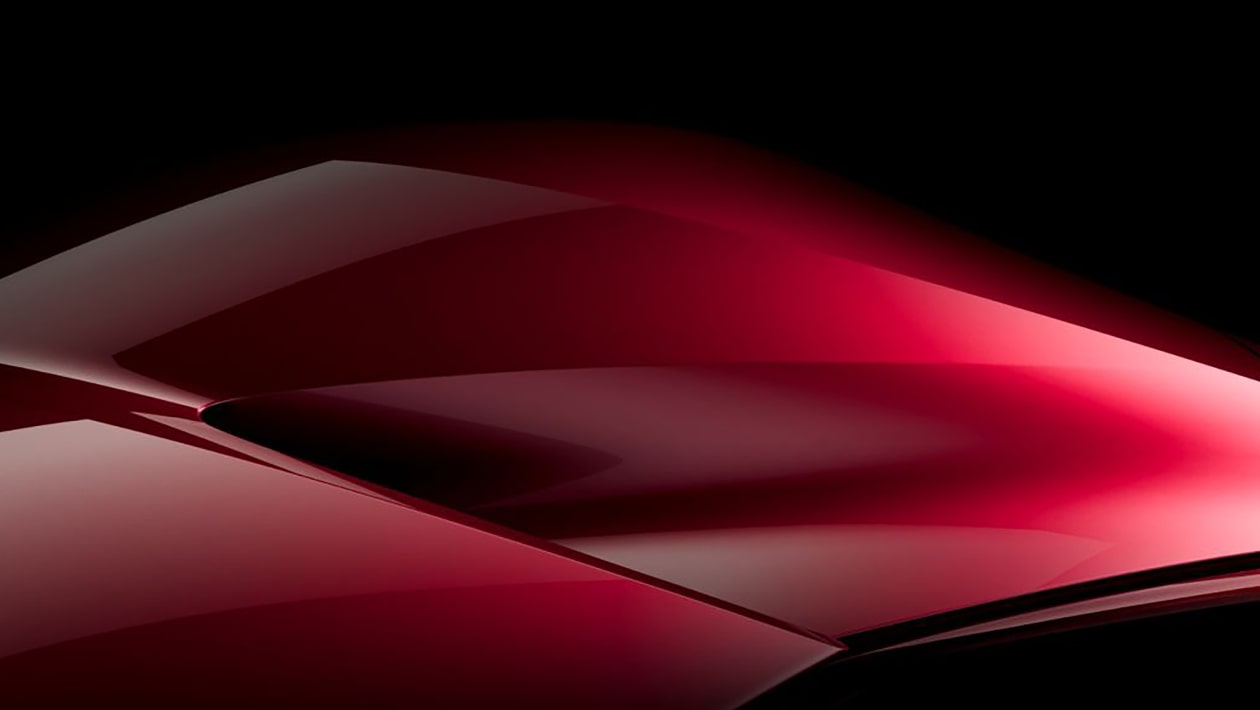
While the Stellantis-owned marque has maintained a rigorous level of secrecy regarding the specific form factor of the vehicle, the announcement has sparked widespread discussion within the industry. For the global community of "Alfisti"—the brand’s dedicated enthusiast base—the reveal serves as a critical indicator of how the Milan-based manufacturer intends to reconcile its legacy of performance-focused internal combustion vehicles with the shifting mandates of the global automotive market.
The Evolution of the Paris Motor Show Context
The Paris Motor Show, or Mondial de l’Auto, has historically served as a primary stage for European manufacturers to signal shifts in strategy. In recent cycles, the event has transitioned from a traditional display of high-volume hardware to a showcase for technology-driven mobility concepts and sustainable design. Alfa Romeo’s decision to utilize this platform suggests that the upcoming concept is not merely a styling exercise, but a strategic roadmap for the brand’s product portfolio through 2030.

The timing is significant. As the automotive industry faces intensified pressure to transition away from traditional powertrains, Alfa Romeo finds itself at a crossroads. Having successfully navigated the integration of the Tonale SUV and the refinement of the Giulia saloon, the company is now expected to detail how it will maintain its "Cuore Sportivo" (Sporty Heart) ethos while adopting modular, battery-electric architectures.
Speculation and Strategic Potential
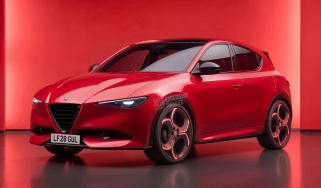
Industry analysts suggest that the concept could serve several roles in Alfa Romeo’s future. One prevailing theory is that the brand is looking to fill a void in its compact segment. With the market for premium hatchbacks continuing to evolve, a successor to the spirit of the 147 and Giulietta models could provide the company with a entry-level vehicle that appeals to a younger, more design-conscious demographic.
Conversely, there is the possibility that the concept will bridge the gap between the Tonale and the Stelvio. As the SUV segment continues to dominate global sales, expanding the "Sport Utility" lineup with a model that prioritizes aerodynamics and performance—rather than just utility—would align with the brand’s heritage of crafting drivers’ cars.
Furthermore, the upcoming reveal may provide the first glimpse into the next generation of the Giulia. As the saloon enters its next lifecycle phase, industry observers are looking for signals regarding whether the model will retain a pure combustion option or shift entirely toward an electric-first platform, leveraging the latest battery-management technology currently being refined across the broader Stellantis group.

The DNA of a Modern Masterpiece
In its preliminary communications, Alfa Romeo described the concept as a "distinctive interpretation of the automobile," emphasizing that the design transcends its role as a mere "means of transport." This phrasing points toward an increased focus on the user experience.
Data from the European automotive sector indicates that buyers are increasingly prioritizing software-defined vehicle features and cabin interactivity. By labeling the project a "masterpiece," Alfa Romeo is likely signaling that the vehicle will showcase a significant leap in its Human-Machine Interface (HMI) capabilities, potentially integrating advanced AI-driven driving assistants that do not compromise the "authentic experience behind the wheel."
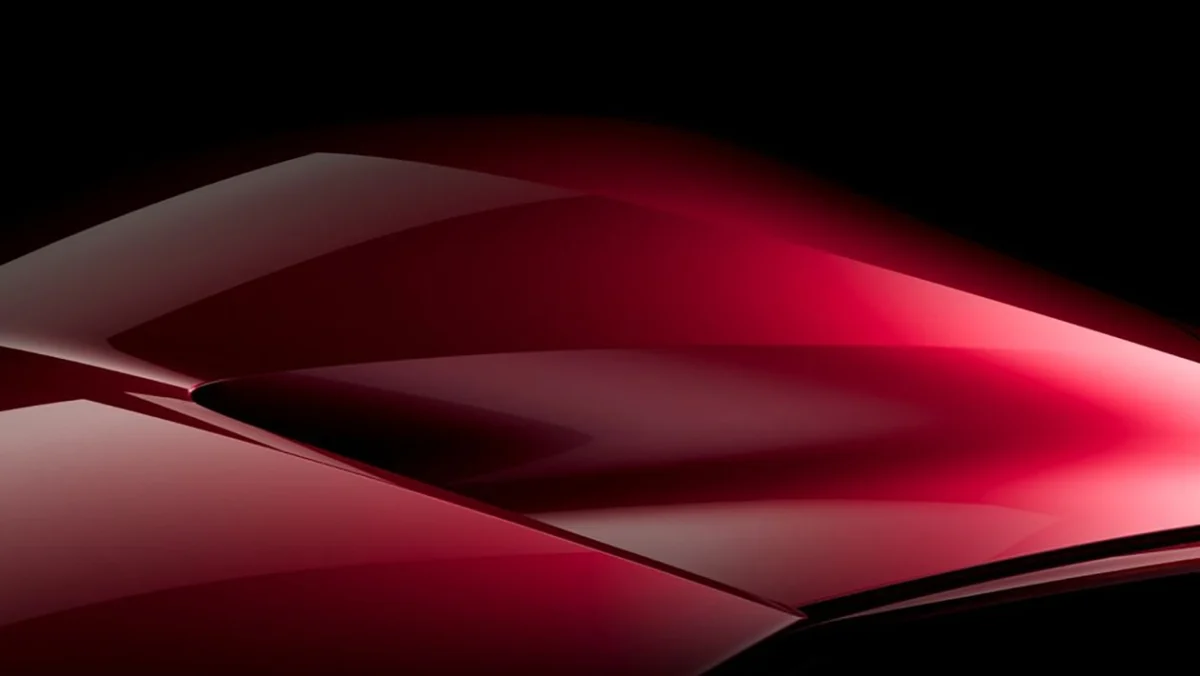
The inclusion of the brand’s iconic "Alfa Red" in the teaser imagery is a deliberate nod to its heritage. The visual language of the teaser, while abstract, hints at organic curves and sculpted surfaces—hallmarks of the Centro Stile Alfa Romeo design studio. This aesthetic approach aims to contrast with the angular, functional designs often favored by competitors in the EV space, reinforcing the idea that Alfa Romeo intends to lead with beauty as a primary performance metric.
Chronology of Alfa Romeo’s Recent Transformation
The road to the 2026 Paris debut has been marked by several key strategic shifts that have defined the brand’s current trajectory:
- 2022: The successful launch of the Tonale marked Alfa Romeo’s official entry into the electrified segment, serving as a testbed for the brand’s mild-hybrid and plug-in hybrid powertrains.
- 2023–2024: The company focused on stabilizing its manufacturing efficiency within the Stellantis ecosystem, resulting in improved quality control metrics and a more robust supply chain.
- 2025: Significant investments were channeled into the brand’s software development centers, aiming to address the long-standing criticism regarding the sophistication of its infotainment systems compared to German rivals.
- September 2026: The official teaser campaign for the Paris concept began, focusing on the concepts of "driving emotion" and "future-proof sportiness."
Data-Driven Market Implications
The automotive market in 2026 is characterized by a high degree of volatility. According to recent market reports, while the demand for pure electric vehicles (EVs) remains high, there is a growing consumer preference for "emotional engineering"—cars that provide tactile feedback and engaging dynamics.
Alfa Romeo’s strategic pivot towards "authentic experiences" is a data-backed response to this trend. By targeting the enthusiast segment, the brand differentiates itself from manufacturers that treat vehicles as household appliances. If the upcoming concept delivers on its promise of sportiness, it could allow Alfa Romeo to command a higher price point in the premium segment, shielding the brand from the aggressive price wars currently affecting mid-market EV manufacturers.
Official Stance and Industry Expectations
While specific technical specifications remain under wraps, the company has emphasized that the vehicle is "created for those who still love to drive." This statement is widely interpreted as a rebuttal to the industry-wide trend of autonomous, disconnected commuting.
Independent automotive analysts have noted that Alfa Romeo’s success in this endeavor depends on its ability to leverage its share of the Stellantis STLA platform architectures without sacrificing the unique steering precision and suspension tuning that define its vehicles. The integration of high-density battery cells and lightweight materials will be the primary technical hurdle for the development team.
Broader Impact on the Stellantis Group
The significance of the Paris reveal extends beyond Alfa Romeo. As a premium component of the Stellantis portfolio, Alfa Romeo is expected to act as a technology incubator. Features debuted on this concept—such as advanced chassis control software or next-generation structural adhesives—are likely to trickle down into other brands within the group.
The impact of this unveiling will be felt in the company’s Q4 2026 shareholder reports, as investors look for evidence that the brand has a clear path toward long-term profitability. A successful, well-received concept car often acts as a catalyst for increased brand equity, potentially boosting the sales of existing models like the Tonale and Stelvio through a "halo effect."
Conclusion: A Turning Point
As the calendar approaches October 12, the industry is poised to see if Alfa Romeo can successfully marry its storied past with the cold, calculated requirements of the future. The promise of "distinctive design" and "advanced technology" is one that many manufacturers make, but for a brand as historically significant as Alfa Romeo, the execution will define its survival in a rapidly changing global market.
For the Alfisti, the hope is that this "masterpiece" will prove that the transition to new power sources does not mean the end of the driving passion that has characterized the brand for over a century. The Paris Motor Show will ultimately serve as the verdict, providing the first concrete evidence of whether the next era of Italian motoring remains true to its heart.