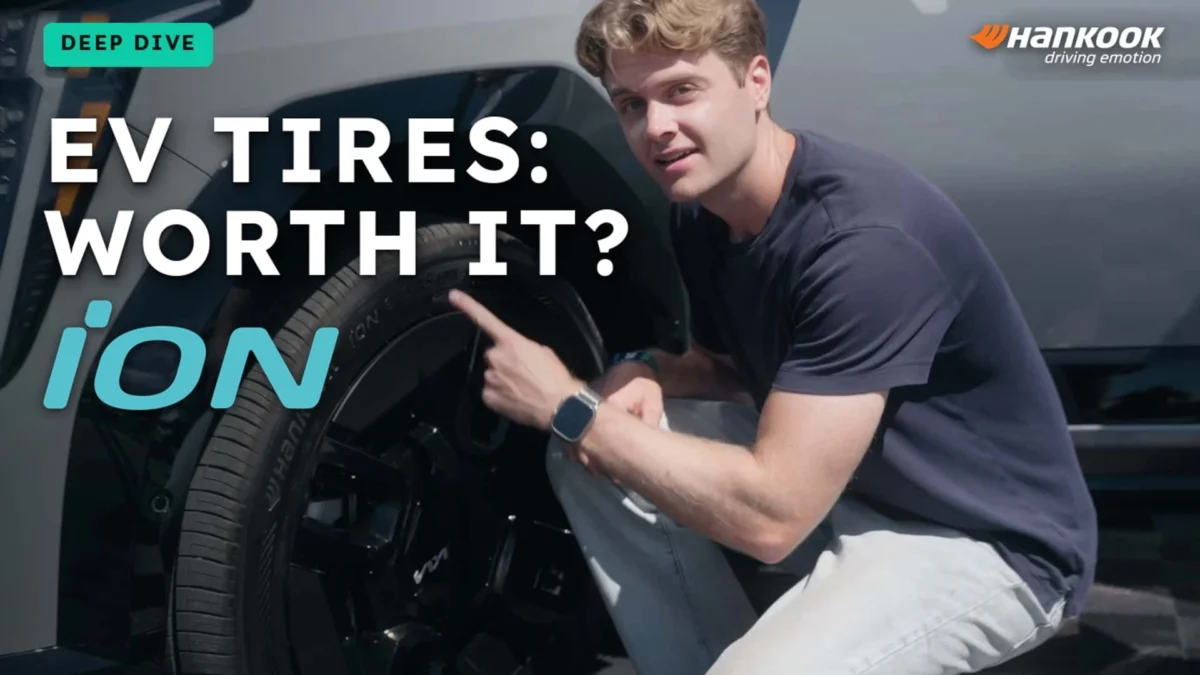
Electric vehicles represent a fundamental shift in automotive engineering, moving far beyond the simple replacement of internal combustion engines with battery packs and electric motors. As the industry matures, manufacturers and consumers alike are discovering that the unique physical demands of EVs—namely their weight and instantaneous torque—necessitate a specialized approach to every component, particularly the tires. Recently, Hankook Tire showcased its dedicated iON line of EV-specific tires at the Demo Days Festival, North America’s premier outdoor test drive event, highlighting why the rubber hitting the road is just as critical as the battery chemistry powering the vehicle.
The Engineering Challenges of Electric Propulsion
The primary distinction between traditional gasoline vehicles and their electric counterparts lies in the delivery of power and the distribution of weight. Internal combustion engines have a power band that builds gradually, whereas electric motors provide near-instantaneous torque. This sudden surge of force places significantly higher stress on tire compounds and sidewalls. When a vehicle weighing several thousand pounds—often with an additional 1,000 to 1,500 pounds of battery weight compared to a comparable sedan—accelerates abruptly, the friction generated can lead to premature wear on standard tires.
Furthermore, EVs possess a unique acoustic profile. Without the ambient drone of a combustion engine to mask road noise, drivers become much more sensitive to the sound generated by the contact patch of the tire against the asphalt. To address these multifaceted challenges, manufacturers like Hankook have developed specialized architectures that prioritize durability, noise suppression, and energy efficiency.
Decoding the iON Technology
Hankook’s iON series is engineered with a multi-layered strategy to address the "EV penalty." First, the internal structure of the tire is reinforced to handle the high static and dynamic loads typical of battery-electric vehicles (BEVs). By utilizing specialized tread compounds, these tires maintain structural integrity under high-torque acceleration, effectively mitigating the rapid wear that occurs when traditional tires are installed on high-performance electric models.
Second, the acoustic performance of the iON line is enhanced through internal foam inserts and precisely tuned sipes. These features act as dampeners, absorbing the vibrations that would otherwise translate into cabin noise. In a quiet EV cabin, this technology represents a significant leap in ride quality.
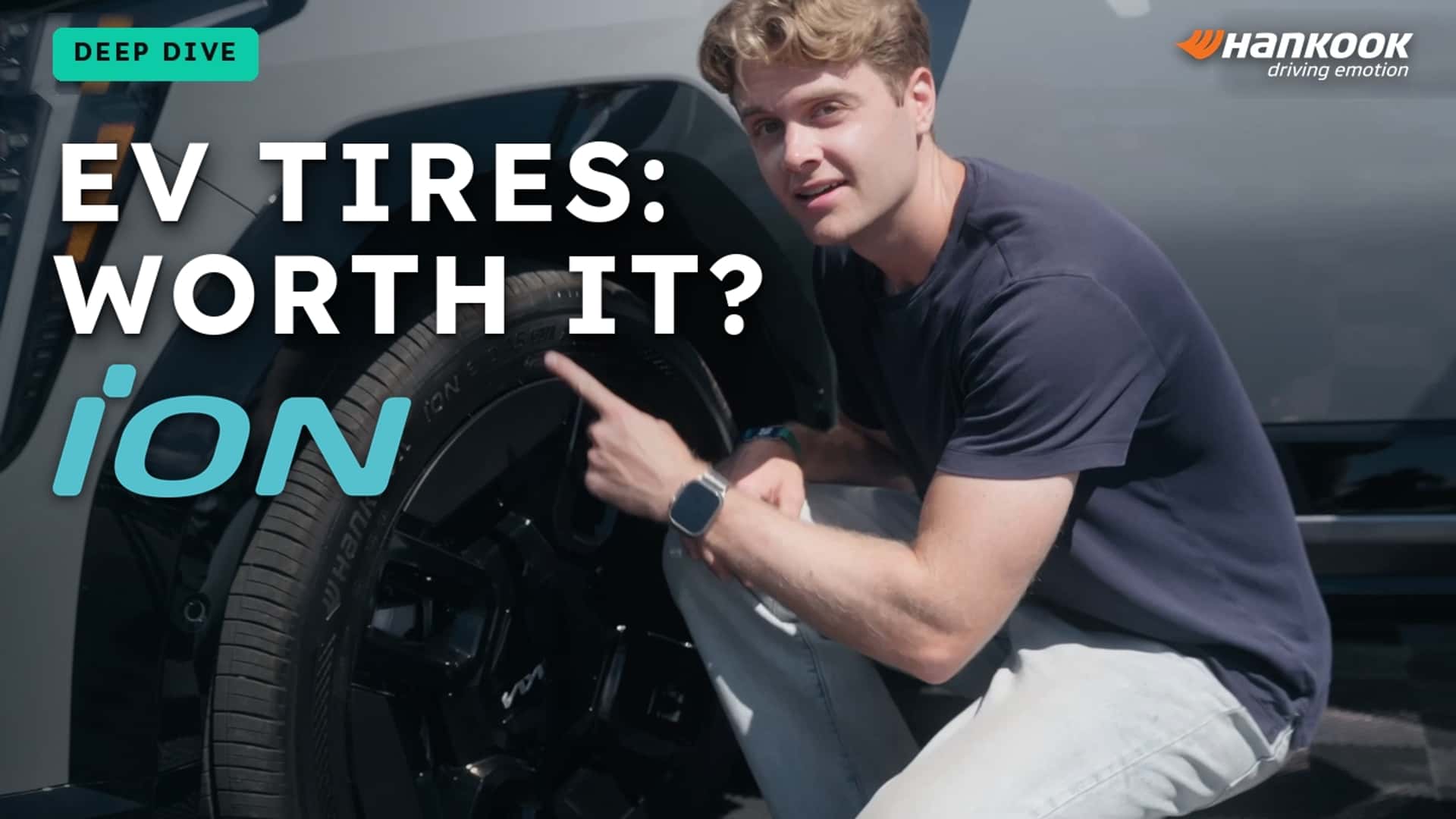
Third, and perhaps most significant for the consumer, is the optimization of rolling resistance. Rolling resistance is a major factor in determining an EV’s overall efficiency. By optimizing the tire’s tread pattern and compound flexibility, the iON line aims to reduce the energy required to keep the vehicle in motion. Hankook’s internal testing suggests that these improvements can yield up to a 6% increase in driving range, a figure that is particularly compelling for long-distance commuters and road-trip enthusiasts who prioritize efficiency.
Putting Engineering to the Test: The Demo Days Experience
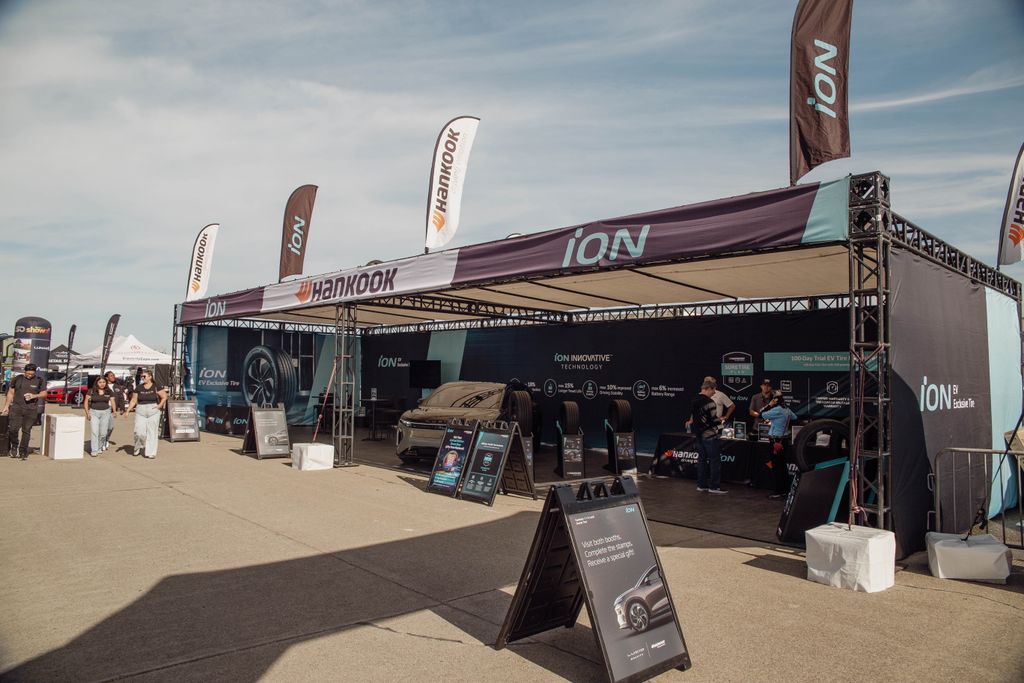
The Demo Days Festival, held in major automotive hubs like Los Angeles and San Francisco, served as the ideal proving ground for these advancements. These events allow prospective buyers to experience a wide array of new EVs in real-world conditions, providing a rare opportunity for direct comparison between vehicles with and without EV-specific rubber.
During the event, participants were provided access to high-performance machinery, including the Lucid Gravity. The Gravity, a luxury SUV, serves as a masterclass in the challenges of modern EV design. With a curb weight nearing 6,000 pounds and a powertrain capable of producing over 900 lb-ft of torque, the vehicle exerts tremendous force on its contact points. Equipping such a vehicle with the iON evo AS all-season tires allows for a stress test that clearly delineates the performance gap between generic tires and those designed with specific EV parameters in mind. Observers noted that the tires maintained traction during aggressive acceleration while keeping cabin noise levels remarkably low, even at highway speeds.
The Broader Market Implications
The transition to EV-specific tires is indicative of a broader trend within the automotive aftermarket: the move toward platform-specific components. As EV adoption rates continue to climb, the demand for tires that optimize range and durability will likely move from a niche concern to a standard industry expectation.
According to recent automotive industry forecasts, the tire market for EVs is expected to grow at a compound annual growth rate (CAGR) that significantly outpaces the general passenger car tire market. This growth is driven by a two-pronged consumer need: the desire to protect a significant financial investment (the vehicle) and the need to maximize the utility of that investment (range).
From a sustainability perspective, the move toward specialized tires also has positive environmental externalities. By increasing the longevity of the tire, manufacturers are effectively reducing the frequency of replacement cycles, thereby lowering the total volume of rubber waste generated by the automotive sector over the life of a vehicle. Furthermore, the improvement in range efficiency aligns with the global push to reduce carbon emissions by maximizing the energy output of every kilowatt-hour stored in the battery.
Industry Response and Consumer Accessibility
While the technology is sophisticated, the barrier to entry for the consumer remains low. Recognizing that the shift to EV-specific tires is a conceptual adjustment for many drivers, manufacturers are utilizing incentive programs to encourage adoption. Hankook, for example, has implemented a "SureTire Plan" as part of its outreach strategy. This program functions as a risk-mitigation tool, offering a 100-day trial period that allows consumers to test the performance of the tires in their own daily driving environments.
Such programs are vital for consumer education. Many EV owners may not immediately notice the difference between a standard tire and an EV-specific tire, especially if their previous vehicle was a high-performance gasoline car. However, when the metrics—tire life, cabin noise, and range—are tracked over several months, the benefits of the specialized engineering become clear.
Looking Toward the Future
The integration of tire technology into the EV ecosystem is only in its nascent stages. Future developments are likely to include "smart" tires, equipped with sensors that communicate directly with the vehicle’s onboard computer. These tires will provide real-time data on tire pressure, temperature, and tread depth, allowing the vehicle’s traction control systems to adjust torque delivery dynamically. This level of synergy between the tire and the powertrain will be essential as autonomous driving features become more prevalent, as the vehicle will need to rely on the tire to act as a primary sensor for road surface conditions.
For now, the focus remains on the fundamentals: managing weight, optimizing rolling resistance, and ensuring a quiet, comfortable ride. Events like the Demo Days Festival are essential in this effort, as they demystify complex engineering concepts for the general public. As the automotive landscape continues to move toward full electrification, the role of the tire will continue to evolve from a passive accessory to an active, essential component of the electric driving experience.
For consumers currently navigating the transition to electric mobility, the recommendation from industry analysts is clear: treat the tire as a critical performance upgrade. Much like a high-end stereo system or an advanced driver-assistance suite, the tires one chooses for an electric vehicle can fundamentally alter the quality of the driving experience. Whether the goal is maximizing the distance between charging stops or simply enjoying the quiet, smooth power of an electric motor, the development of specialized rubber represents a necessary and welcome evolution in automotive technology.