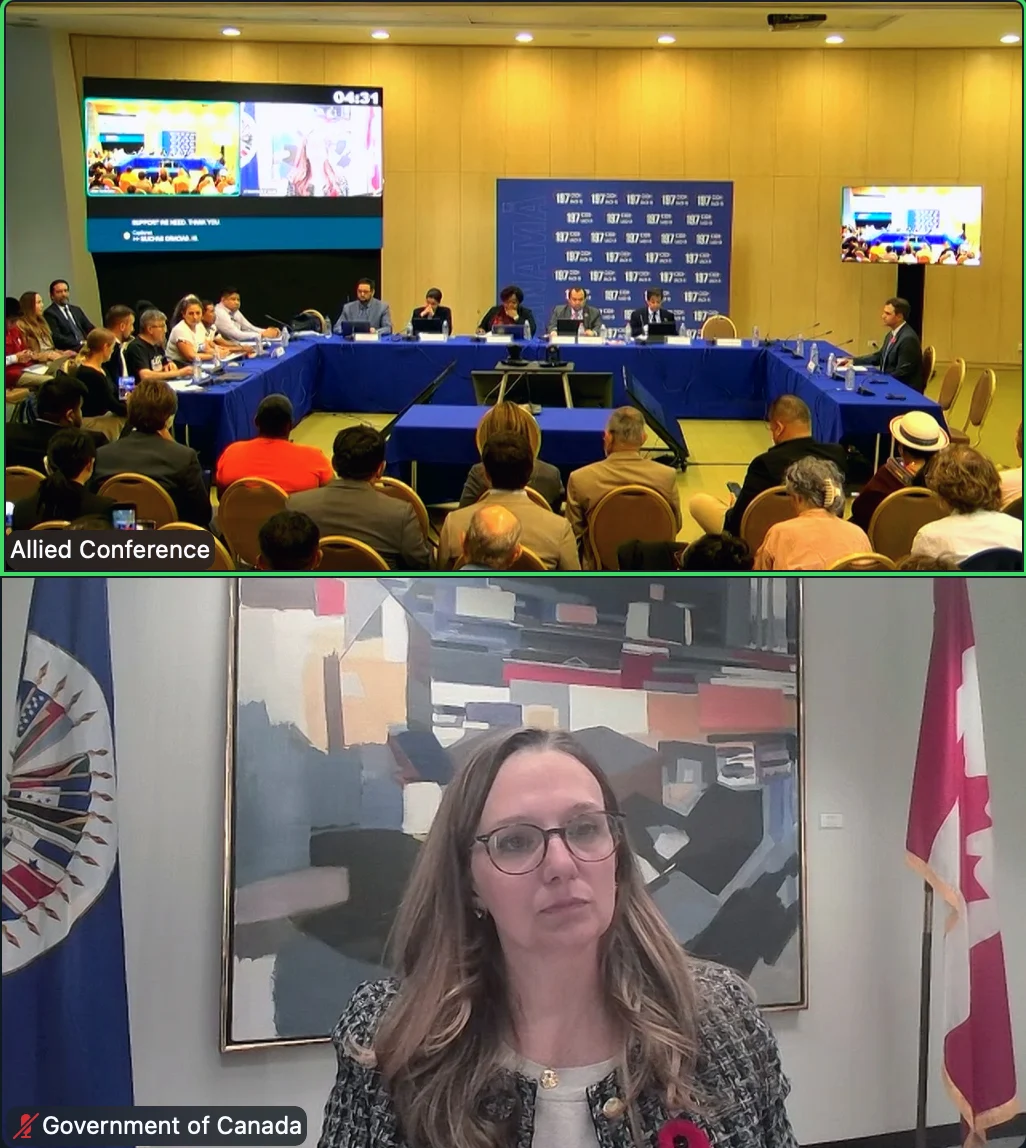
The Inter-American Commission on Human Rights (IACHR) convened in Panama on October 27 to address an escalating crisis involving the overseas operations of Canadian extractive industries. During the session, representatives from six nations presented harrowing testimonies, detailing systemic environmental degradation and targeted violence against land defenders. The hearing served as a formal venue to scrutinize Canada’s international human rights obligations, particularly in light of the country’s status as a global hub for the mining sector.
Canada hosts approximately 50% of the world’s publicly listed mining and mineral exploration companies. While these corporations generate significant economic output, their footprint in Latin America has been the subject of intense international scrutiny for decades. The October hearing highlighted a critical disconnect between the Canadian government’s commitment to responsible business conduct and the lived reality of communities on the front lines of extraction.
The Human Cost of Extraction
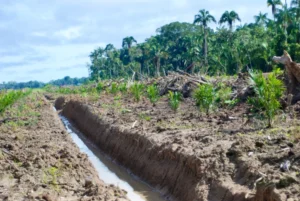
The testimonies provided in Panama paint a grim picture of the intersection between corporate expansion and the erosion of human rights. Marco Manobanda, an Indigenous fish-farmer from Las Naves, Ecuador, offered a stark account of the impact of the El Domo copper and gold project. The project, operated by Vancouver-based Silvercorp Metals Inc. and Salazar Resources Ltd., is accused of widespread deforestation and the contamination of local water sources.
"If this mining continues, they are going to keep polluting our water, and we will run out of resources," Manobanda testified. "Since we make our living from that land and its resources, where are we supposed to go?"

Beyond environmental degradation, the testimony touched upon the physical safety of activists. Manobanda alleged that the local community has been subjected to a sustained campaign of intimidation involving military and police presence. Reports from the region suggest that since June 2025, peaceful protests have been met with tear gas and rubber bullets, leaving multiple residents injured. Furthermore, over 30 individuals have faced criminal charges, with several community leaders sentenced to significant prison time—a pattern of "criminalization of protest" that observers warn is increasingly common across the region.
A Geography of Risk: The Colombian Context
The scope of the allegations extends well beyond Ecuador. Mayerly López, an environmental advocate from Colombia, brought the commission’s attention to the Santurbán páramo—a high-altitude, biodiverse ecosystem that provides water to over two million people. López is resisting gold mining activities led by the Vancouver-based Aris Mining Corporation.
López testified that the situation for defenders in Colombia has deteriorated sharply, noting that activists are frequently labeled as "enemies of development" or linked to armed illegal groups. This stigmatization is not merely rhetorical; it often manifests in physical threats and the circulation of pamphlets bearing the faces of local organizers. According to data from the NGO Global Witness, Colombia remains the world’s deadliest country for environmental defenders, with 39 killings recorded in 2025 alone.
Chronology of Institutional Oversight
The IACHR hearing took place against a backdrop of administrative instability in Ottawa. In June 2026, the Canadian government made the controversial decision to eliminate the Office of the Canadian Ombudsperson for Responsible Enterprise (CORE). Established as a specialized watchdog to investigate complaints of human rights abuses linked to Canadian companies abroad, the office’s closure has left a vacuum in the oversight landscape.
The following timeline illustrates the shifting landscape of Canadian corporate accountability:

- 2018: The Canadian government announces the creation of the CORE to provide independent, impartial investigations into alleged human rights abuses by Canadian companies in the garment, mining, and oil and gas sectors.
- 2024: UN Special Rapporteurs express growing concern over the lack of meaningful consultation with Indigenous communities affected by Canadian mining projects in Ecuador and elsewhere.
- June 2026: The federal government abruptly dissolves the CORE, announcing a transition to the National Contact Point (NCP) system.
- September 2026: Investigative reporting reveals that the NCP has a limited track record, having secured only three formal joint agreements in 33 cases since its inception in 2000.
- October 2026: The IACHR hearing in Panama highlights the inadequacy of current mechanisms, with civil society groups calling for mandatory due diligence legislation.
The "Toothless" Mechanism: Critics Respond
The Canadian government’s response to the current crisis has centered on the OECD-aligned National Contact Point (NCP). Gillian Gillard, Canada’s representative to the Organization of American States (OAS), argued during the hearing that the NCP remains an effective tool for mediation. "The work of the NCP aims to support early resolution, prevent escalation, and strengthen corporate due diligence," Gillard stated.
However, experts remain skeptical. Arturo Ezquerro-Cañete, the Latin America program coordinator for MiningWatch Canada, described the NCP as fundamentally ill-equipped for the task. "The position actually completely lacks teeth," he noted. "It is very much geared towards continuing dialogue between the groups but not resolving issues when there has been a history of serious, documented human rights violations."
Because the recommendations issued by the NCP are non-binding and the office lacks the authority to compel the disclosure of documents or issue legally enforceable rulings, critics argue that it serves as a "soft" alternative that fails to provide actual redress for affected communities.
Structural Challenges and International Law
Canada occupies a unique position in the Inter-American system. While it is a member of the OAS, it has not ratified the American Convention on Human Rights. This legal distinction means the IACHR cannot refer cases involving Canada to the Inter-American Court of Human Rights, which has the power to mandate binding remedies.
Consequently, the commission is limited to offering non-binding recommendations. Despite these limitations, civil society witnesses are pushing for a paradigm shift. They are urging Ottawa to:

- Adopt Mandatory Due Diligence Legislation: Moving from voluntary guidelines to a legal framework that requires companies to prevent and address human rights risks throughout their supply chains.
- Condition Public Financing: Ensuring that government-backed support—such as export credits, investment insurance, and tax incentives—is strictly contingent upon adherence to high-bar human rights and environmental standards.
- Enhance Transparency: Creating a centralized, public repository of human rights and environmental risk assessments for all overseas operations conducted by Canadian-registered firms.
The Path Forward: Analysis of Implications
The testimonies in Panama represent a pivotal moment for Canada’s international reputation. For decades, the "Canada Brand" in the extractive sector has been marketed as being rooted in sustainability and ethical standards. However, the consistent pattern of allegations across Mexico, Panama, the Dominican Republic, and Argentina suggests that these self-regulatory measures are insufficient to curb the volatility inherent in large-scale mining projects.
Legal experts such as Charis Kamphuis of the Justice and Corporate Accountability Project emphasize that Canada’s failure to implement effective, independent grievance mechanisms constitutes a breach of its international human rights obligations. By failing to provide a venue for victims of corporate abuse to seek remedy, Canada potentially invites increased litigation and diplomatic friction.
The failure of the Canadian government to directly address the questions posed by the IACHR commissioners regarding how it verifies corporate compliance indicates a continued reliance on industry self-policing. As international standards on environmental, social, and governance (ESG) factors tighten, Canadian mining firms—and the government that supports them—face a mounting risk of becoming outliers in the global market.
The hearing concluded without a clear commitment from the Canadian delegation to reform its oversight architecture. However, the evidence presented in Panama ensures that the issue will remain on the agenda for the Inter-American Commission. For communities from the Ecuadorian Andes to the Colombian páramos, the struggle for accountability is far from over. The global demand for minerals required for the green energy transition will only increase the pressure on these regions, making the need for robust, legally enforceable oversight more urgent than ever.
As the international community continues to monitor these developments, the central question remains: can a nation that relies so heavily on the extraction of its own and others’ natural resources reconcile that economic model with the fundamental right to safety, clean water, and the protection of Indigenous sovereignty? The testimony in Panama suggests that, under current policies, the answer remains a profound and costly "no."