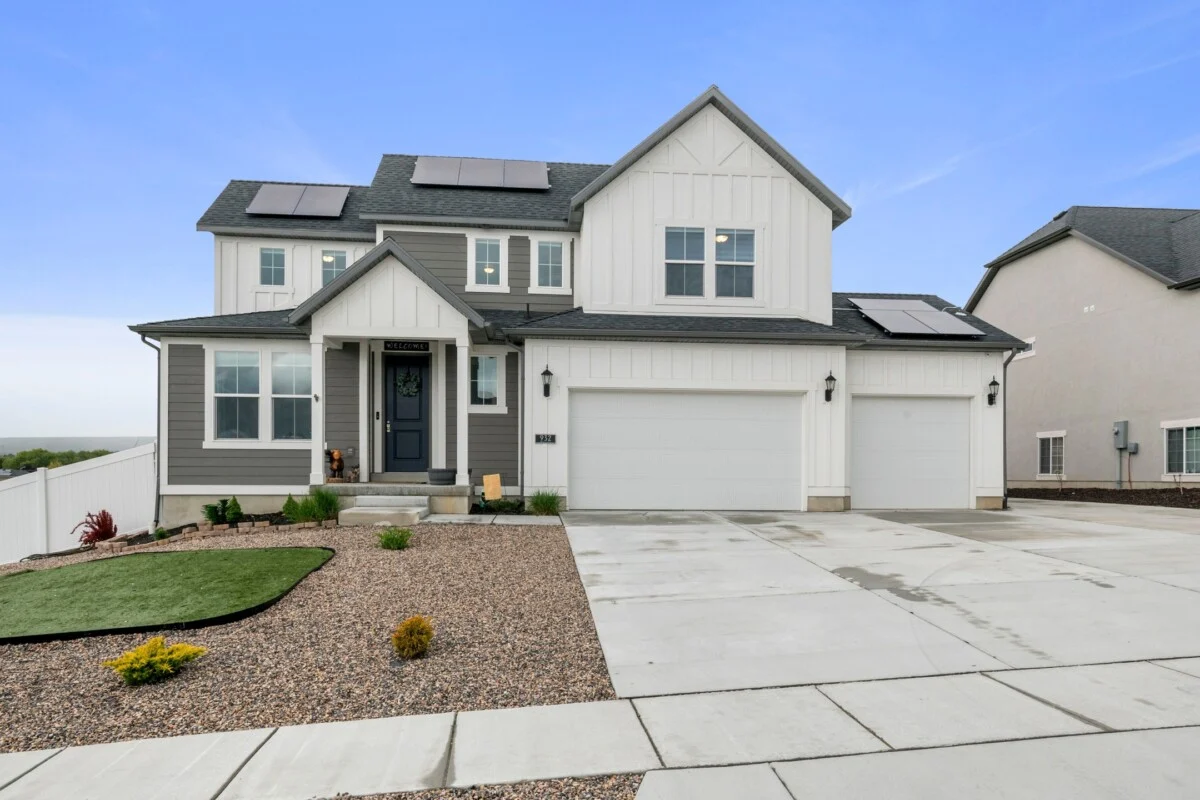
The American residential real estate landscape has undergone a profound transformation, leaving many prospective home sellers navigating unfamiliar territory. For the past several years, the housing market has experienced a distinct cooling period following the unprecedented frenzy of the pandemic era. Elevated mortgage interest rates, stubbornly high home prices, and persistent macroeconomic uncertainty have frozen out a significant portion of active market participation, leading to sluggish sales volumes and extended inventory timelines. In this current climate—firmly classified across most metropolitan areas as a buyer’s market—homeowners attempting to transition, relocate, or downsize must radically adjust their expectations. Achieving a successful sale in 2026 requires more than simply placing a sign in the front yard; it demands rigorous preparation, hyper-accurate pricing strategies, and an exceptional level of flexibility.
Background Context: The Evolution of a Frozen Market
To understand the mechanics of selling a home today, one must examine the broader economic pressures defining the modern real estate sector. During the height of the pandemic housing boom, properties routinely went under contract in less than a week, fueled by historic lows in borrowing costs and fierce competition among buyers. However, aggressive monetary policy shifts by the Federal Reserve designed to combat inflation rapidly pushed mortgage rates upward. This sudden monetary tightening created a severe affordability crisis. Consequently, potential buyers found themselves priced out of prime neighborhoods, while existing homeowners with low-rate mortgages chose to remain put, unwilling to trade their favorable terms for a much more expensive new loan.
This dynamic birthed a prolonged market stagnation, altering traditional seasonal rhythms. The once-robust spring and summer buying seasons have grown notably muted. According to recent housing market data, the typical residential property now lingers on the market for roughly 51 days before securing a binding contract—a stark contrast to the hyper-accelerated timelines of the early 2020s. In certain overheated regions, such as Sun Belt metros like Austin and San Antonio, where rapid historical building booms collided with softening demand, days on market stretch even longer, and home values have experienced downward adjustments. Furthermore, comprehensive tracking indicates that the average duration from initial listing to final closing spans approximately 79 days.
Expert Insights and Market Realities
Industry leaders emphasize that the rules of real estate have fundamentally shifted. Daryl Fairweather, Chief Economist at Redfin, underscores the critical nature of strategic planning for anyone entering the market. "If you want to sell your house in 2026, you need a clear strategy," Fairweather notes. "The housing market has been frozen since the pandemic, with buyers and sellers scared off by high prices, high mortgage rates, and a volatile economy. That’s led to sluggish sales and unusually slow spring and summer seasons. Prolonged economic uncertainty has kept most cities firmly in buyer’s market territory, giving house hunters significant leverage. But the right buyer is still out there. Home sellers looking to succeed today need to price accurately, be flexible, and do their best to make their home stand out."
Because modern house hunters hold significant leverage, they are considerably more selective. Over 35 percent of sellers in early 2026 were forced to execute price drops to attract hesitant buyers. Additionally, purchasers are routinely demanding financial concessions—such as price reductions or mortgage rate buydowns—to offset the heavy burden of high monthly borrowing costs.

A Step-by-Step Strategic Roadmap for Sellers
Successfully navigating these challenging conditions requires a disciplined, chronological approach to the sales process. Industry experts recommend a comprehensive, ten-step playbook designed to maximize property appeal and protect seller equity.
-
Initiate a Pre-Listing Home Inspection
Conventionally, home inspections are coordinated and paid for by the buyer after an offer has been accepted. However, in a buyer’s market, taking the initiative to secure a pre-listing home inspection can provide a distinct competitive advantage. By identifying hidden structural, mechanical, or cosmetic flaws ahead of time, sellers can proactively address necessary repairs. This strategy strips away common leverage points that buyers typically exploit to demand aggressive price cuts or seller concessions during escrow. -
Execute Vital Repairs and Minor Upgrades
First impressions are paramount, particularly when preparing a home for the competitive spring selling season. Utilizing insights from a pre-listing home inspection, sellers should tackle deferred maintenance and execute cost-effective cosmetic upgrades. Fresh coats of neutral interior paint, modern light fixtures, upgraded landscaping, and updated hardware can dramatically enhance perceived value. For homeowners lacking immediate capital for renovations, specialized financing partnerships—such as programs offering up to $50,000 for home improvements and professional staging—can bridge the financial gap. -
Partner with a Qualified Real Estate Agent
While alternatives such as "For Sale By Owner" (FSBO), cash-buying companies, and iBuyers promise speed, empirical data demonstrates that partnering with a licensed professional yields superior financial outcomes. National Association of Realtors data indicates that approximately 91 percent of home sellers choose to work with an agent. Professional representation provides localized expertise, sophisticated marketing capabilities, and seasoned negotiation skills that automated valuation models and artificial intelligence cannot replicate. Agents assist in interpreting complex market dynamics, setting realistic expectations, and navigating the nuances of contemporary buyer psychology. -
Professionally Stage the Property
Staging transforms a physical house into an aspirational home, enabling prospective buyers to visualize their futures within the space. Whether hiring a professional staging firm or executing a strategic do-it-yourself plan, sellers must focus on decluttering, depersonalizing, optimizing furniture placement, and maximizing natural light. Every room should clearly communicate its intended function, creating an inviting, move-in-ready atmosphere from the moment a visitor steps through the front door. -
Invest in Professional Photography and Digital Media
The vast majority of modern home searches begin online. Consequently, professional photography is no longer an optional luxury; it is a fundamental necessity. Listings featuring high-resolution professional imagery consistently command higher final sale prices and generate substantially more online traction than those featuring amateur visuals. Furthermore, forward-thinking brokerages incorporate advanced digital assets such as aerial drone photography and immersive 3D virtual walkthroughs to capture remote or out-of-market buyers. Authenticity remains critical, however, as heavily distorted or misleading digital edits ultimately alienate serious buyers during in-person tours. -
Price the Property Competitively
Accurate pricing is perhaps the single most influential factor in determining whether a home sells swiftly or languishes on the market. While online automated valuation models offer rough baseline figures, they frequently fail to capture hyper-local neighborhood shifts and unique property traits. Real estate agents resolve this by conducting a thorough Comparative Market Analysis (CMA), evaluating recent sales of comparable properties—known as "comps"—within the immediate vicinity. Sellers determined to list independently must conduct exhaustive research using comprehensive housing market data platforms to understand local inventory levels, supply-demand balances, and emerging price trends.
-
Execute a Strategic Marketing and Listing Plan
Timing and exposure dictate the success of a listing rollout. While many properties debut directly on the Multiple Listing Service (MLS) for maximum immediate visibility, some agents employ "phased marketing" or pre-marketing strategies to test pricing dynamics within a restricted buyer pool before wider syndication. Statistically, historical data indicates that listing a property on a Thursday in late April provides an optimal statistical edge for capturing peak weekend foot traffic. -
Develop a Contingency Plan for a Slow Sale
Given that the average property now sits on the market for nearly two months, sellers must mentally and financially prepare for a protracted timeline. If initial offers fail to materialize, homeowners must remain agile. Consulting with an agent to evaluate alternative options—such as adjusting the listing price, improving presentation, or pivoting to convert the property into a long-term rental—prevents prolonged financial strain. -
Skillfully Navigate Negotiations and Offers
When offers finally arrive, negotiation becomes the critical bridge to a successful transaction. In a market where buyers expect fair terms and financial concessions, the expertise of a listing agent proves invaluable. Agents act as objective buffers, guiding sellers through complex counteroffers, managing appraisal contingencies, and evaluating the trade-offs of alternative financing structures. Notably, all-cash offers accounted for nearly a third of residential sales, presenting unique advantages regarding certainty of closing speed that sellers must weigh carefully against purchase price. -
Finalize the Closing Process
The final phase of the transaction involves the formal execution of legal and financial documents. Once inspections, appraisals, and financing contingencies are satisfactorily cleared, the seller reviews the settlement statement and deed at the closing table. Upon the transfer of funds and official recording of the deed with local government authorities, ownership legally transitions to the buyer, concluding the home-selling journey.
Implications and Outlook for the Broader Economy
The current state of the housing market carries significant implications for the broader U.S. economy. The friction within the residential sector impacts consumer mobility, construction industries, and mortgage-related financial services. As long as elevated borrowing costs persist, the real estate market will remain a disciplined environment where neither buyers nor sellers hold absolute dictatorial power, but rather operate within a delicate ecosystem of mutual compromise.
Ultimately, while selling a home in the prevailing economic climate requires immense patience, strategic adaptability, and rigorous attention to detail, it remains entirely achievable. By focusing on controllable variables—such as realistic pricing, pristine presentation, and a willingness to negotiate—homeowners can successfully navigate market headwinds, secure a qualified buyer, and successfully close their property transaction.