A Proactive Prescription: Diagnostics and Preventive Care as Economic and Health Imperatives
The prevailing healthcare paradigm, characterized by its reactive approach to treating established diseases, is demonstrably unsustainable, both economically and in its impact on national health outcomes. A growing consensus among healthcare experts, policymakers, and economic analysts points towards a critical strategic shift: prioritizing diagnostics and preventive care. This proactive stance, moving beyond the current system’s focus on acute interventions and chronic disease management, offers a powerful pathway to mitigate escalating healthcare expenditures and cultivate a healthier, more resilient populace. The economic burden of illness is colossal, encompassing direct medical costs, lost productivity, and the intangible costs of reduced quality of life. Shifting resources and emphasis towards early detection, risk assessment, and behavioral modification presents a compelling opportunity to bend the cost curve and achieve superior population health metrics. This article explores the multifaceted arguments, evidence, and practical considerations underpinning this vital transition, advocating for a systemic overhaul that places the power of prevention and early identification at its core.
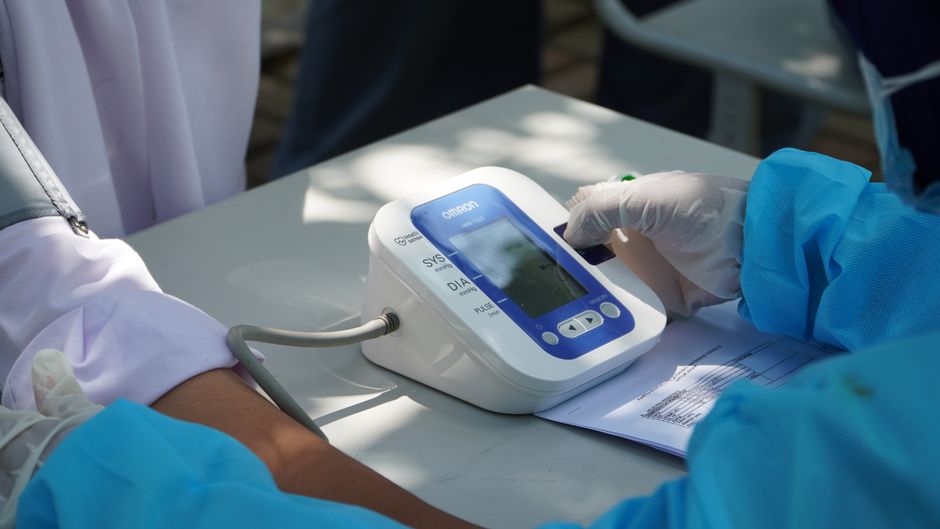
The economic inefficiencies of a purely reactive healthcare system are undeniable. A significant portion of healthcare spending is dedicated to treating advanced, often preventable, diseases. For instance, the management of chronic conditions like diabetes, cardiovascular disease, and certain cancers, once they have progressed to a significant stage, incurs substantial and ongoing costs. These include hospitalizations, long-term medication regimens, specialized treatments, and rehabilitation. The World Health Organization (WHO) consistently highlights that non-communicable diseases (NCDs), many of which are preventable or manageable through early intervention, account for the majority of global mortality and a substantial portion of healthcare expenditure. Consider the economic fallout of a late-stage cancer diagnosis: the intensive chemotherapy, radiation, surgery, and palliative care are vastly more expensive than the cost of regular screening, genetic testing, and lifestyle counseling that could have led to earlier detection or prevention. Similarly, the economic toll of uncontrolled hypertension or pre-diabetes, leading to heart attacks, strokes, and kidney failure, dwarfs the cost of regular blood pressure monitoring, dietary guidance, and exercise programs. This reactive model creates a perpetual cycle of escalating costs as diseases worsen and become more complex to treat.
Investing in robust diagnostic capabilities and accessible preventive care services offers a clear economic advantage by averting or delaying the onset of expensive chronic conditions. Diagnostic technologies, ranging from advanced imaging and genetic sequencing to point-of-care testing and routine blood work, are crucial for identifying diseases at their earliest, most treatable stages. Early detection significantly increases the likelihood of successful treatment, often with less invasive and therefore less costly interventions. Furthermore, proactive identification of individuals at high risk for developing specific conditions, through genetic screening, family history assessments, and lifestyle evaluations, allows for targeted interventions that can prevent disease development altogether. This might involve pharmacological interventions, intensive behavioral modification programs, or closer monitoring. The return on investment (ROI) for preventive services is well-documented. Studies on vaccination programs, for example, consistently demonstrate a significant positive ROI, with every dollar invested saving multiple dollars in averted treatment costs and lost productivity. Similarly, comprehensive prenatal care, while an upfront investment, dramatically reduces the incidence of costly complications and long-term health issues for both mother and child.
Beyond direct medical cost savings, the economic benefits of a shift towards diagnostics and preventive care extend to improved workforce productivity and reduced societal burden. A healthier population means a more engaged and productive workforce. Chronic illnesses and preventable diseases often lead to absenteeism, presenteeism (working while unwell, leading to reduced productivity), and premature disability, all of which impose a substantial economic drag on nations. By empowering individuals to maintain their health through preventive measures and by catching illnesses early through advanced diagnostics, we can reduce the incidence of these productivity-eroding factors. This translates into a more robust economy, higher tax revenues, and a reduced reliance on social support systems. The cumulative economic impact of a healthier citizenry, capable of contributing fully to society for longer periods, is a compelling argument for prioritizing proactive healthcare strategies.
Improving national health outcomes is the intrinsic and paramount goal, and the strategic shift to diagnostics and preventive care is the most effective means to achieve it. The current reactive model often leads to suboptimal health outcomes because treatment is frequently initiated only when a disease is already advanced and potentially irreversible. This can result in prolonged suffering, diminished quality of life, and higher mortality rates. Preventive care, on the other hand, aims to keep individuals healthy in the first place. This includes promoting healthy lifestyles, providing immunizations, and educating individuals about disease risks and mitigation strategies. Diagnostic technologies, when employed effectively for screening and early detection, can identify diseases before they manifest significant symptoms, allowing for timely and effective intervention. This not only improves prognosis but also reduces the psychological and emotional burden associated with living with a serious illness.
The integration of sophisticated diagnostic tools into primary care settings is a critical component of this strategic shift. Moving beyond episodic visits for acute illnesses, primary care physicians should be equipped and encouraged to utilize routine screening tests, genetic predisposition assessments, and advanced risk stratification tools. This requires an investment in accessible diagnostic infrastructure and training for healthcare professionals. Telehealth platforms can also play a significant role in expanding access to diagnostic consultations and preventive health coaching, particularly in rural and underserved areas. Furthermore, the democratization of diagnostic data, allowing individuals to access and understand their own health information, can empower them to take a more active role in their well-being and adherence to preventive recommendations.
Behavioral economics and public health interventions are essential complements to diagnostic advancements in driving preventive care adoption. Simply providing access to screening or information is insufficient. Effective strategies must address the behavioral and social determinants of health that influence individuals’ willingness and ability to engage in preventive behaviors. This includes culturally sensitive health education campaigns, community-based wellness programs, and incentives for healthy choices. Policy interventions that support healthy environments, such as access to affordable nutritious food and safe spaces for physical activity, are also crucial. The economic argument for these interventions is strong; the cost of implementing widespread, evidence-based public health programs is significantly lower than the long-term costs of managing chronic diseases that result from unhealthy environments and behaviors.
The role of technology in this transformation is undeniable. Artificial intelligence (AI) and machine learning (ML) are rapidly advancing diagnostic capabilities. AI algorithms can analyze vast datasets of medical images, genetic information, and patient records to identify subtle patterns indicative of disease, often with greater accuracy and speed than human interpretation alone. This can lead to earlier and more precise diagnoses. Furthermore, AI can be used to personalize preventive recommendations, identifying individuals who would benefit most from specific interventions based on their unique risk profiles. Wearable devices and remote monitoring technologies offer continuous data streams that can alert individuals and their healthcare providers to potential health issues in real-time, enabling proactive intervention. The economic benefit of these technological advancements lies in their potential to improve diagnostic accuracy, reduce the need for more invasive and expensive tests, and enable more targeted and effective preventive strategies.
Addressing the economic barriers to accessing diagnostics and preventive care is paramount. High out-of-pocket costs for screenings, vaccinations, and preventive consultations can deter individuals, particularly those with limited financial resources. Policy solutions such as expanding insurance coverage for preventive services, implementing tiered co-payment structures that favor preventive care, and subsidizing essential screenings can significantly improve access. Furthermore, value-based care models, which reimburse healthcare providers for achieving positive health outcomes rather than for the volume of services provided, incentivize the adoption of preventive strategies. These models align financial incentives with the goal of keeping patients healthy and reducing the need for costly interventions.
The transition to a diagnostics and preventive care-centric healthcare system is not merely an incremental adjustment; it represents a fundamental paradigm shift. It requires a concerted effort from all stakeholders: government, healthcare providers, insurance companies, employers, and individuals. Public health policies must be reoriented to prioritize prevention and early detection. Reimbursement models need to incentivize proactive care. Healthcare professionals require ongoing training and resources to effectively deliver preventive services and utilize advanced diagnostic tools. Educational initiatives must empower individuals with the knowledge and motivation to take ownership of their health. The economic imperative is clear: a proactive approach to healthcare is not just a moral obligation; it is a sound economic strategy that promises substantial returns in terms of reduced costs, improved productivity, and ultimately, a healthier, more prosperous nation. The evidence overwhelmingly supports this strategic redirection, and the time to act is now.
