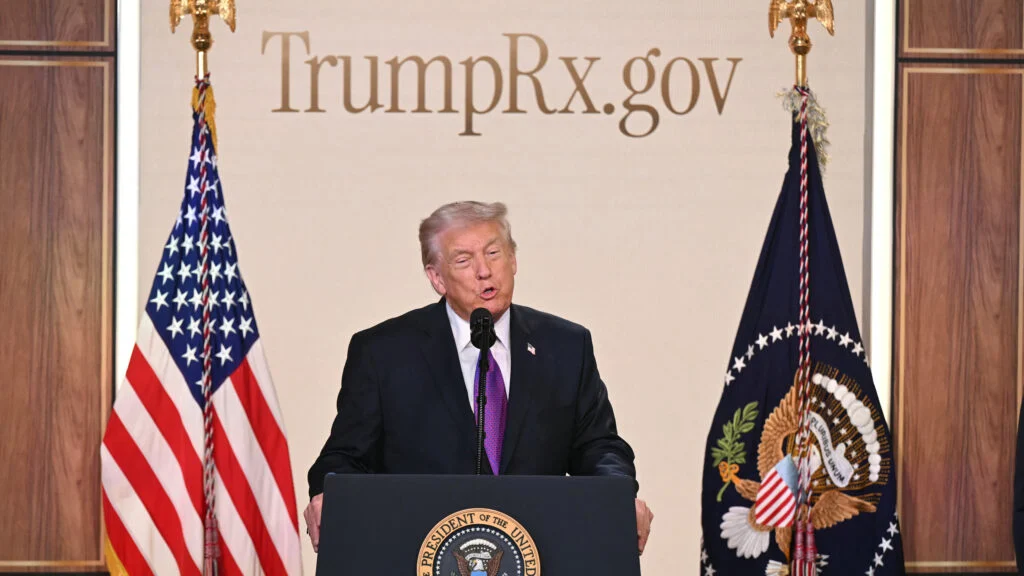
The Government Accountability Office (GAO) has been formally requested to conduct an extensive audit of the TrumpRx platform, a digital initiative championed by the White House to lower prescription drug costs for American consumers. Representative Frank Pallone (D-N.J.), the ranking member of the House Committee on Energy and Commerce, issued a letter on October 27, 2026, demanding greater transparency regarding the platform’s purported financial successes. The inquiry highlights a growing partisan divide over the efficacy of the administration’s market-based approach to drug pricing, specifically questioning whether the claimed $700 million in consumer savings is backed by verifiable, independent data.
The Genesis of the TrumpRx Initiative
Launched in February 2026, TrumpRx was positioned by the administration as a transformative tool in the battle against rising healthcare costs. Unlike a pharmacy or a pharmaceutical distributor, the platform functions as a centralized aggregator. It directs users toward existing manufacturer-provided coupons, patient assistance programs, and discounted pricing links. The administration’s primary strategy involved negotiating "most-favored nation" (MFN) agreements with over two dozen major pharmaceutical manufacturers. Under these agreements, companies pledged to offer pricing models that align with the lowest rates available in comparable international markets, which were then channeled through the TrumpRx portal.
By August 2026, the White House released a high-profile fact sheet celebrating the inclusion of nine additional pharmaceutical manufacturers into the program. In this announcement, the administration stated that the platform had successfully facilitated $700 million in savings for patients across the United States. However, the lack of a granular breakdown of these figures has fueled skepticism among lawmakers and policy analysts who argue that the methodology used to calculate these savings remains opaque.
Chronology of the Controversy
The friction between the House Energy and Commerce Committee and the White House has been building for months. The following timeline outlines the key developments leading to the GAO request:
- February 2026: The TrumpRx platform officially launches, promising a streamlined portal for consumers to find the lowest possible prices on branded and generic medications.
- May 2026: Independent healthcare advocates raise early concerns regarding the platform’s reliance on manufacturer coupons, which some experts argue can drive up long-term insurance premiums and steer patients away from cheaper therapeutic alternatives.
- August 2026: The White House issues a formal press release claiming the program has saved the American public $700 million.
- September 2026: House staffers request internal documentation regarding the calculation of the $700 million figure. The administration declines to provide raw data, citing proprietary business agreements with participating pharmaceutical companies.
- October 27, 2026: Representative Frank Pallone sends a formal request to the GAO, tasking the agency with investigating the veracity of the platform’s impact and the nature of the "most-favored nation" pricing deals.
Analyzing the "Most-Favored Nation" Framework
At the heart of the dispute is the specific nature of the deals struck between the federal government and the pharmaceutical industry. The "most-favored nation" concept—historically used in trade policy—requires that a manufacturer offer the U.S. government (or, in this case, consumers through the platform) the best price they offer to any other nation.

Critics, including Representative Pallone, point out that these agreements are often shrouded in non-disclosure clauses. If the pricing data is hidden from public or congressional oversight, it becomes impossible to determine if the $700 million figure reflects actual savings or if it is a projected estimate based on inflated "list prices" that few consumers actually pay. Furthermore, healthcare economists have long argued that coupon programs often serve as a marketing tool for brand-name drugs, effectively insulating those products from price competition by generics.
Official Responses and Industry Perspectives
The White House has consistently defended the platform, characterizing it as a vital "consumer-first" intervention. Administration spokespeople have argued that any attempt to audit the platform is a politically motivated obstruction that threatens to undermine a program actively helping millions of Americans. They maintain that the savings are calculated by comparing the price paid through the platform against the average retail price of the medications involved.
Conversely, the pharmaceutical industry has remained largely cautious. While several manufacturers have publicly touted their participation in TrumpRx, many have expressed discomfort with the notion of their private pricing contracts becoming subject to a GAO audit. Pharmaceutical trade groups have argued that the disclosure of such information could jeopardize competitive trade secrets and weaken their bargaining position in global markets.
Implications for Healthcare Policy
The GAO investigation, if initiated, could have profound implications for federal healthcare policy. A critical finding would be whether the savings are reaching the intended population—uninsured or underinsured Americans—or if they are merely shifting the cost burden elsewhere within the complex pharmaceutical supply chain.
If the GAO confirms that the savings are legitimate and substantial, the TrumpRx platform could serve as a model for future administrative healthcare interventions. However, if the audit reveals that the program has had a negligible impact, or if the "savings" are found to be a result of accounting maneuvers rather than genuine price reductions, it could lead to a legislative push to dismantle the platform or replace it with more stringent, mandatory price-control measures.
Broader Economic Context
The debate over TrumpRx occurs against a backdrop of ongoing inflationary pressures within the U.S. healthcare sector. Prescription drug spending remains one of the largest components of total health expenditures, and the political demand for relief has intensified ahead of the 2026 midterm cycle.

The reliance on coupons and aggregator sites reflects a broader trend of "soft" regulation in the drug pricing sector. Unlike European systems that utilize centralized health technology assessments to set prices, the U.S. approach has historically relied on a fragmented system of private negotiations. The TrumpRx platform represents an attempt to use federal leverage to force transparency, yet the current standoff suggests that the administration’s version of transparency is not meeting the standards expected by congressional oversight bodies.
Analytical Outlook: The Path Forward
The involvement of the GAO signals that the dispute has reached a stalemate that can no longer be resolved through partisan press releases. The GAO is known for its non-partisan, data-driven approach, and its final report will likely be viewed as the definitive word on the effectiveness of the TrumpRx project.
Key questions that the GAO will likely need to address include:
- Verification of Savings: How were the savings calculated, and what benchmarks were used for comparison?
- Market Distortion: Has the platform unintentionally influenced market dynamics in a way that disadvantages smaller, independent pharmacies or generic manufacturers?
- Transparency of Agreements: To what extent can the government demand transparency from private pharmaceutical firms when negotiating price-reduction agreements?
As the House Energy and Commerce Committee awaits a response from the GAO, the public remains caught in the middle of a complex debate over the future of drug pricing. For the average consumer, the immediate concern is not the political methodology, but the bottom line at the pharmacy counter. Until an independent audit provides clarity, the efficacy of the TrumpRx platform will remain a subject of intense, and likely polarized, debate.
The outcome of this investigation will likely set a precedent for how future administrations approach private-sector partnerships in the pharmaceutical industry. If the GAO finds that the administration was indeed transparent and that the platform is providing genuine value, it could embolden the White House to expand the program. However, if the findings indicate that the platform has failed to provide the transparency promised, it could result in a significant loss of political capital for the administration and a shift in legislative strategy toward more aggressive, regulation-heavy drug pricing bills.
In the coming weeks, stakeholders from both the private sector and government agencies will be watching closely to see how the GAO handles the request. For now, the $700 million figure remains a point of contention that underscores the broader, unresolved challenge of creating a transparent and affordable drug pricing system in the United States.