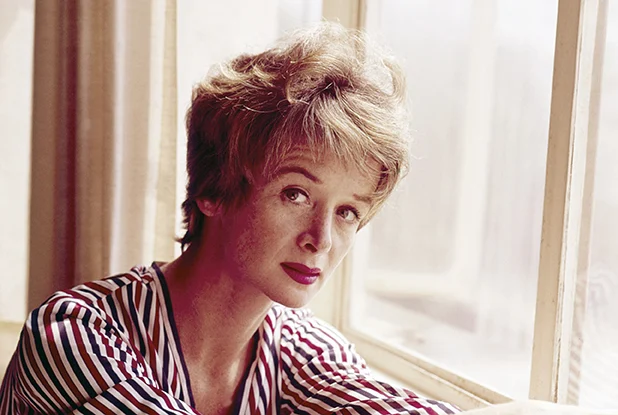
Barbara Barrie, a versatile and deeply respected performer whose illustrious career spanned more than six decades across theatre, television, and film, passed away today at her home in Manhattan at the age of 95. Her daughter, Jane Harnick, confirmed the passing to the media, noting that the acclaimed actor chose a medically assisted death following a diagnosis of terminal cancer.
Barrie leaves behind a rich and enduring legacy, having achieved the rare distinction of earning critical acclaim and major awards recognition across multiple entertainment mediums. From originating complex characters on the Broadway stage to anchoring beloved television sitcoms and delivering poignant, Oscar-nominated cinematic performances, Barrie was a consummate professional whose understated brilliance elevated every project she touched.
Early Life and the Foundation of a Stage Career
Born Barbara Ann Berman on May 23, 1931, in Chicago, Illinois, Barrie developed an early passion for performance. She pursued her artistic ambitions with rigorous academic and practical training, earning a Bachelor of Fine Arts degree from the University of Texas at Austin before moving to New York City to immerse herself in the vibrant mid-century theatrical scene.
Like many serious actors of her generation, Barrie cut her teeth in the demanding crucible of live theatre, appearing in off-Broadway productions and regional stock before making her Broadway debut in the 1950s. Her early stage work quickly established her as a formidable talent capable of navigating both dramatic tragedy and sharp comedy with equal grace.
Throughout the 1960s, Barrie steadily built a reputation as a reliable and magnetic presence on the New York stage. Her breakthrough theatrical moment arrived in 1970 when she was cast in the original Broadway production of Stephen Sondheim and George Furth’s landmark musical, Company, directed by Harold Prince. Playing Sarah, one of the cynical yet affectionate friends of the central bachelor Bobby, Barrie showcased her impeccable comedic timing and vocal dexterity. Her performance earned her a Tony Award nomination for Best Featured Actress in a Musical, cementing her status as a theatrical heavyweight and helping to cement the production’s place in musical theatre history.
Transition to Television and the Iconic Role on Barney Miller
While Barrie maintained a lifelong devotion to the stage, television provided her with some of her most widely recognized and culturally enduring roles. During the 1970s and 1980s, the television landscape was undergoing a major evolution toward more grounded, character-driven comedies, and Barrie fit seamlessly into this new era.
Her most famous television role came in 1975 when she was cast as Elizabeth Miller, the sharp, witty, and fiercely supportive wife of Captain Frank Miller, played by Hal Linden, in the groundbreaking ABC sitcom Barney Miller. Set in a Greenwich Village police precinct, the series was celebrated for its ensemble cast, realistic workplace dynamics, and intelligent social commentary.
As Elizabeth Miller, Barrie appeared in recurring roles throughout the series’ run, bringing warmth, intellect, and grounded domesticity to a show largely dominated by workplace chaos. Her chemistry with Linden was palpable, portraying a modern, equal partnership that resonated strongly with television audiences of the era. The role earned her a dedicated following and showcased her ability to command attention even within a bustling ensemble cast.
In addition to Barney Miller, Barrie maintained a prolific television career, guest-starring and starring in numerous acclaimed series, made-for-TV movies, and miniseries. In 1981, she received a Primetime Emmy Award nomination for Outstanding Supporting Actress in a Comedy or Variety or Music Series for her work on the television adaptation of Private Benjamin. She later starred in the short-lived sitcom Katharine and Peter (1988) alongside Art Carney and took on memorable guest roles in major programs like Law & Order, Suddenly Susan, and Nurse Jackie, working consistently well into her later years.
Critical Acclaim in Film and the Academy Award Nomination
Barrie’s transition to the silver screen was equally distinguished. While she appeared in a variety of cinematic projects throughout her career, her defining film moment arrived in 1979 with her role in Peter Yates’s coming-of-age comedy-drama Breaking Away.

Set in Bloomington, Indiana, the film follows a group of working-class young men—known locally as "townies"—navigating the social stratification surrounding the local university. Barrie played Evelyn Stohler, the patient, loving, and deeply perceptive mother of the film’s protagonist, Dave Stohler (played by Dennis Christopher), and the wife of a gruff stonecutter played by Paul Dooley.
Barrie’s performance was widely lauded by critics for its authenticity and emotional resonance. She captured the quiet strength and maternal warmth of a working-class mother trying to bridge the generational divide within her family. Her nuanced portrayal earned her an Academy Award nomination for Best Supporting Actress at the 52nd Academy Awards in 1980, placing her among the finest film actors of her generation.
Beyond Breaking Away, Barrie’s film credits included memorable turns in One Is a Lonely Number (1972), for which she won the Best Actress award at the Chicago International Film Festival, as well as roles in The Great Santini (1979), Private Benjamin (1980), and Norman… Is That You? (1976).
Literary Pursuits and Personal Life
In addition to her extensive acting credentials, Barrie expanded her creative output into literature. She authored several books, drawing on her personal experiences as a cancer survivor and her life in the public eye. Her literary works included the young adult novel Lone Star (1984), a memoir titled Second Act: Life After Opera and Other Tragedies (1997), and Adam Baum and the Jew Movie (2000). Her writing was praised for the same sharp wit, honesty, and emotional depth that characterized her acting performances.
Barrie was married to theatre director and producer Jay Harnick from 1954 until his death in 2007. The couple raised two children, Jane and Aaron, and maintained a long and collaborative partnership rooted in a shared love for the arts.
Chronology of a Distinguished Career
To understand the scope of Barbara Barrie’s professional journey is to examine a timeline defined by sustained excellence across changing cultural and artistic landscapes:
- May 23, 1931: Born Barbara Ann Berman in Chicago, Illinois.
- Early 1950s: Graduates from the University of Texas at Austin and relocates to New York City to pursue acting.
- 1950s–1960s: Builds a robust foundation in off-Broadway theatre and early television anthologies.
- 1970: Originates the role of Sarah in the original Broadway production of Company, earning a Tony Award nomination.
- 1972: Wins the Best Actress award at the Chicago International Film Festival for her role in One Is a Lonely Number.
- 1975: Begins her iconic run as Elizabeth Miller on the hit ABC sitcom Barney Miller, starring alongside Hal Linden.
- 1979: Delivers an acclaimed performance in Breaking Away, portraying Evelyn Stohler.
- 1980: Receives an Academy Award nomination for Best Supporting Actress for Breaking Away.
- 1981: Earns a Primetime Emmy Award nomination for her work in Private Benjamin.
- 1984: Publishes her first book, the young adult novel Lone Star.
- 1997: Releases her memoir, Second Act: Life After Opera and Other Tragedies, reflecting on her life, career, and survival of cancer.
- 2000s–2010s: Continues to appear in select television and theatrical projects while engaging in writing and community activities.
- March 2026: Passes away at her home in Manhattan at the age of 95.
Broader Impact and Legacy in the Entertainment Industry
The passing of Barbara Barrie marks the fading of a vital bridge to an era of American entertainment defined by rigorous classical training, ensemble collaboration, and dramatic versatility. Unlike contemporary models of celebrity built heavily on branding and social media presence, Barrie’s career was anchored entirely in craftsmanship. Whether delivering a sharp lyric in a Sondheim musical, navigating the domestic dynamics of a beloved television precinct, or anchoring the emotional core of an Oscar-nominated film, she approached every character with unwavering dignity and precision.
Her choice to utilize medical assistance in dying, as communicated by her daughter, reflects a final act of agency that aligns with the quiet strength and determination that marked both her personal life and her professional choices.
Colleagues, fans, and cultural critics have begun sharing tributes across social media and institutional platforms, remembering her not only as a trailblazer for women in television and film but also as a mentor and model for actors striving to balance integrity with commercial success. As the theatre and film communities mourn her loss, her recorded performances on stage, screen, and page ensure that her sharp intellect, formidable talent, and enduring warmth will continue to inspire future generations of artists.
A full, comprehensive obituary detailing her extensive theatrical archives and memorial service arrangements is forthcoming.