The arrival of the BMW iX3 50 xDrive M Sport Pro on the long-term testing fleet marks a significant milestone in the evolution of the Bavarian manufacturer’s electrification strategy. As the first vehicle representing the highly anticipated "Neue Klasse" generation to undergo extended real-world scrutiny, the iX3 enters the market with a heavy burden of expectation. It has already secured prestigious accolades, including the Mid-size Premium SUV of the Year and Premium Electric Car of the Year for 2026, suggesting that BMW has successfully translated its traditional driving dynamics into a futuristic, battery-electric format. Over the next six months, the vehicle will be subjected to a rigorous assessment of its daily usability, long-distance efficiency, and the long-term viability of its avant-garde technological interfaces.
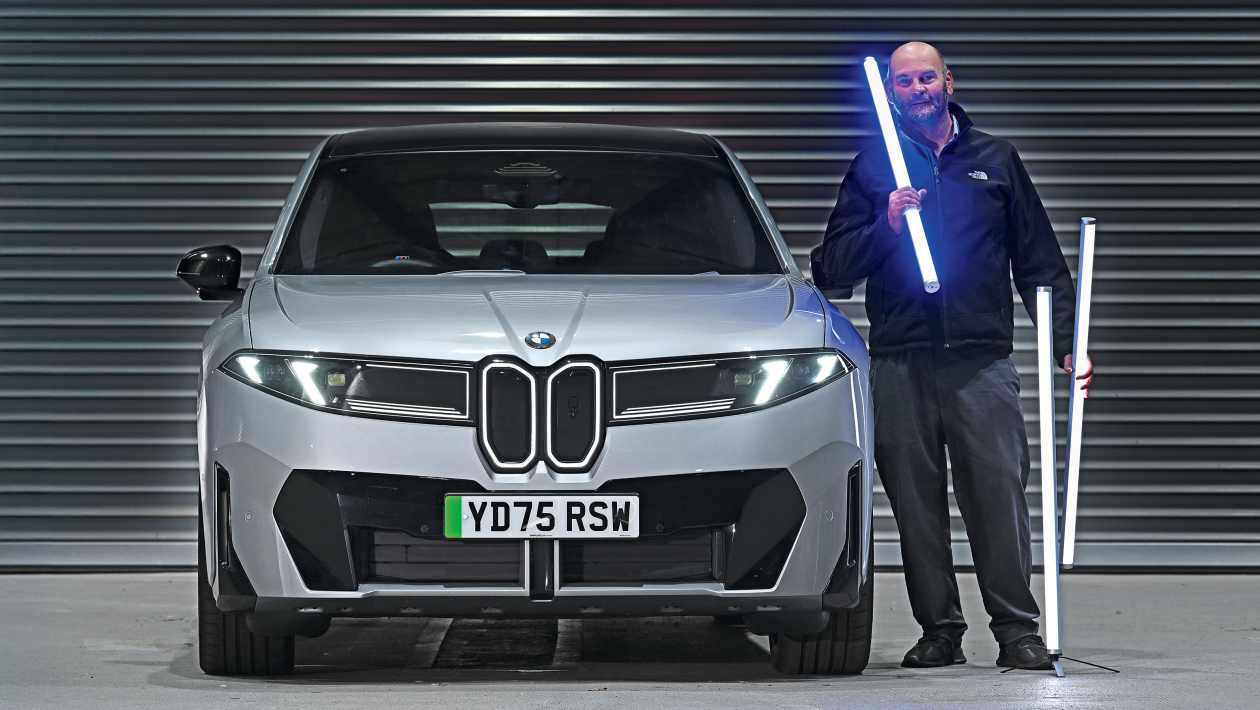
The Genesis of the Neue Klasse and the iX3’s Market Position
The BMW iX3 50 xDrive is not merely a replacement for its predecessor; it represents a fundamental shift in how BMW designs and engineers its vehicles. The "Neue Klasse" platform is a dedicated electric-first architecture that prioritizes efficiency, digitalization, and sustainability. Unlike earlier iterations of the iX3, which utilized a modified version of the internal combustion engine (ICE) X3 platform, this latest model leverages the sixth generation of BMW eDrive technology.
This transition is critical for BMW as it faces intensifying competition from both traditional rivals and new entrants in the premium EV sector. The iX3 sits in a highly contested segment, facing off against the Audi Q6 e-tron, the Porsche Macan Electric, and the Tesla Model Y. By focusing on a "driving-first" philosophy coupled with radical interior design, BMW aims to maintain its brand identity in an era where software often overshadows mechanical hardware.

Technical Specifications and Powertrain Performance
The iX3 50 xDrive M Sport Pro is equipped with a dual-motor configuration, providing all-wheel-drive capability and a combined output of 469bhp and 645Nm of torque. This powertrain allows the two-tonne-plus SUV to deliver rapid acceleration, maintaining the "Ultimate Driving Machine" ethos. The vehicle is powered by a 109kWh (nominal) lithium-ion battery pack, which utilizes high-nickel cathode chemistry to improve energy density and range.
In initial testing, the iX3 has demonstrated a real-world range exceeding 350 miles on a full charge, closely aligning with its official WLTP figures. During a 250-mile round trip from South London to Suffolk, the vehicle returned with over 100 miles of remaining range, even when subjected to varied driving conditions including urban stop-start traffic and high-speed motorway sections. This performance highlights the efficiency of BMW’s latest power electronics and thermal management systems, which are designed to minimize energy loss across a broad spectrum of temperatures and speeds.

Interior Innovation: The Panoramic Vision and Digital Cockpit
One of the most striking features of the new iX3 is the "Panoramic Vision" display. Moving away from traditional instrument clusters and even the Curved Display seen in previous models, the Neue Klasse interior introduces a thin, high-resolution display that spans the entire width of the lower windscreen. This system projects essential information—such as speed, navigation cues, and media data—into the driver’s natural line of sight without the need for a separate head-up display unit.
The digital cockpit is managed by the latest iteration of BMW’s Operating System, which emphasizes voice control and touch interaction. While the layout is visually minimalist and aesthetically pleasing, it represents a departure from the physical iDrive rotary controller that has been a staple of BMW interiors for two decades. The system’s responsiveness is generally high, though early reports indicate that the satellite navigation system can occasionally suffer from latency, particularly in complex urban environments where rapid-fire directions are required.

The 1,000-Mile Stress Test: Real-World Utility and Efficiency
To test the vehicle’s capabilities as a versatile utility vehicle, the iX3 was deployed as a support car for the "Chase the Sun" cycling event. This journey involved a trek from the south of England to Whitley Bay, followed by 200 miles of checkpoint support through undulating terrain, and a final return leg from Ayr, Scotland, to Sussex. In total, the vehicle covered over 1,000 miles in a single weekend.
During this period, the iX3 was fitted with a Thule bike rack carrying three adult bicycles, mounted on the optional £1,025 retractable towbar. Despite the aerodynamic drag and additional weight, the vehicle averaged 3.2 miles per kWh. This translates to a real-world range of approximately 326 miles under heavy load. The dual-motor xDrive system proved its worth on the flowing, empty country roads of the Scottish Borders, where the vehicle’s precision and agility masked its substantial curb weight.

Charging Infrastructure and Thermal Management
The iX3’s charging capabilities are a cornerstone of its long-distance viability. The vehicle supports DC fast charging at rates of up to 350kW, thanks to its 800-volt hardware architecture. During the 1,000-mile test, the vehicle achieved a peak charging rate of 348kW at a Gridserve high-power charging station. This allowed the battery to replenish from 20% to 80% in less than 20 minutes, a timeframe that aligns with a standard rest stop.
Efficient charging is supported by an intelligent pre-conditioning system. When a high-power charger is selected as a destination in the navigation system, the vehicle automatically adjusts the battery temperature to the optimal window for energy intake. This reduces the "tapering" effect often seen in EVs, where charging speeds drop significantly as the battery fills.

Critiques and Areas for Improvement
Despite the overall positive reception, the initial months of testing have revealed several areas where the iX3’s "over-engineered" approach may detract from the user experience.
- Climate Control Interface: The decision to move air vent adjustment into the touchscreen menu has been criticized as a regressive step. Adjusting the direction of airflow now requires multiple taps on a screen, which is less intuitive and more distracting than traditional manual sliders.
- Door Handle Ergonomics: The flush-fitting pop-out door handles, designed for aerodynamic efficiency, have been noted for their slow deployment. In scenarios where a quick entry is required, the delay can be frustrating for the driver and passengers.
- Refinement and Road Noise: While the suspension is praised for its "magical" ability to iron out road imperfections, the optional 22-inch M Sport wheels generate significant road noise at motorway speeds. This suggests that for buyers prioritizing refinement, the smaller 20-inch or 21-inch wheel options may be preferable.
- Voice Recognition: The proprietary BMW voice assistant has shown limitations when compared to Google-based systems found in competitors like Volvo or Polestar. The system occasionally struggles with natural language processing, leading to the "I’m not quite sure how to help you" response.
Comparative Value and Market Impact
The iX3 50 xDrive M Sport Pro carries a tested price of £61,750, positioning it firmly in the premium bracket. For context, this is nearly double the price of mass-market electric SUVs like the Dacia Bigster. However, the disparity in price is reflected in the vehicle’s mechanical sophistication, interior material quality, and performance metrics.
The iX3’s ability to deliver 469bhp while maintaining a 3.2 miles/kWh efficiency rating is a testament to the engineering depth of the Neue Klasse platform. As the automotive industry moves toward 2030, the iX3 serves as a blueprint for how luxury manufacturers can transition to electric power without sacrificing the brand-specific traits that command a premium price.
Future Outlook for the Long-Term Fleet
The next five months will focus on the iX3’s performance through the changing seasons. Of particular interest will be the impact of colder temperatures on the 109kWh battery’s range and the effectiveness of the heat pump system in maintaining cabin comfort without excessive energy drain.
BMW’s first Neue Klasse vehicle has made a formidable start. Its combination of high-end performance, rapid charging, and a radical new interior language sets a high bar for the premium SUV segment. While minor software and ergonomic gripes exist, the fundamental engineering suggests that BMW’s "New Class" is well-equipped to lead the brand into its next century of production. The ongoing long-term test will continue to monitor whether this initial excellence translates into a reliable and satisfying ownership experience over the long haul.