The transition toward a decentralized and resilient energy grid in the United States has reached a significant milestone as Massachusetts launches a pioneering program that allows electric vehicle (EV) owners to sell stored energy back to the local power grid. Dozens of residents across the Commonwealth will soon begin earning direct compensation by sharing the electricity stored in their vehicle batteries during periods of peak demand, effectively transforming personal cars into mobile power plants. This initiative, reported by Heatmap News, represents a shift from theoretical "vehicle-to-grid" (V2G) concepts to a tangible, real-world application designed to stabilize an increasingly strained electrical infrastructure.
For years, the promise of V2G technology has been a centerpiece of clean energy discussions, envisioned as a way to balance the intermittent nature of renewable energy sources like wind and solar. However, technical hurdles, regulatory barriers, and a lack of compatible hardware often relegated the idea to small-scale laboratory tests. The Massachusetts program, funded by the Massachusetts Clean Energy Center (MassCEC)—the state’s economic development agency dedicated to the clean energy sector—seeks to overcome these obstacles by subsidizing the necessary infrastructure and providing clear financial incentives for early adopters.
The Mechanics of the Massachusetts V2G Pilot
The program is structured as a targeted pilot involving the installation of 60 bidirectional charging systems in the homes of selected participants. Unlike standard Level 2 chargers, which only allow electricity to flow from the house to the car, bidirectional chargers are equipped with sophisticated power electronics that can reverse the flow. This allows the vehicle’s large lithium-ion battery to discharge power back into the home’s electrical panel and, subsequently, into the broader utility grid.
To manage this complex exchange, the program utilizes an integrated energy management system. This software acts as a bridge between the utility companies and the individual vehicles, ensuring that the grid receives power exactly when it is needed most—typically during late afternoon and early evening hours when air conditioning use peaks—while still ensuring the vehicle has enough charge for the owner’s next trip.
A coalition of industry leaders has partnered to execute the rollout. On the utility side, Eversource and National Grid are coordinating the grid-side logistics. They are joined by EnergyHub, a grid-services provider; Sunrun, a leader in residential solar and storage; and The Mobility House, a technology company specializing in smart charging and grid-integration software. Together, these entities are creating a seamless ecosystem where the car becomes a reliable asset for the utility provider.
Financial Incentives and Economic Rationale
The financial structure of the program is designed to reward participants for the "capacity" they provide to the grid. While the specific base participation fee has not been publicly disclosed, the performance-based rewards are substantial. According to reports, participants can earn up to $275 per kilowatt (kW) during the summer months.
In practical terms, if an EV can consistently provide 10 kW of power during peak events, the owner could potentially earn thousands of dollars over the course of the pilot. This compensation model is intended to offset the higher costs associated with bidirectional charging hardware, which currently remains more expensive than traditional one-way chargers. By providing a clear path to a return on investment, the MassCEC hopes to demonstrate that V2G is not just environmentally sound, but also economically viable for the average homeowner.
The economic necessity for such programs is driven by the soaring demand for electricity. Across the Northeast, utilities are grappling with a "perfect storm" of rising demand and aging infrastructure. The proliferation of AI-driven data centers, which require massive amounts of constant power, combined with the electrification of home heating systems and the increasing frequency of climate-change-induced heat waves, has put the New England grid (managed by ISO New England) under unprecedented stress. V2G offers a "peak shaving" solution, reducing the need for utilities to fire up expensive and high-polluting "peaker plants" that only run during the highest demand hours.
Technical Requirements and the Tesla Exclusion
Despite the excitement surrounding the program, participation is currently limited by vehicle hardware compatibility. Only a select group of EVs are engineered with the necessary internal systems to support V2G through the specific standards utilized in this pilot. The list of compatible vehicles includes:
- Nissan Leaf: A long-time pioneer in V2G, the Leaf uses the CHAdeMO charging standard, which has supported bidirectional flow for years.
- Kia EV9: One of the newest three-row SUVs on the market, built on Hyundai Motor Group’s E-GMP platform, which features integrated V2G capabilities.
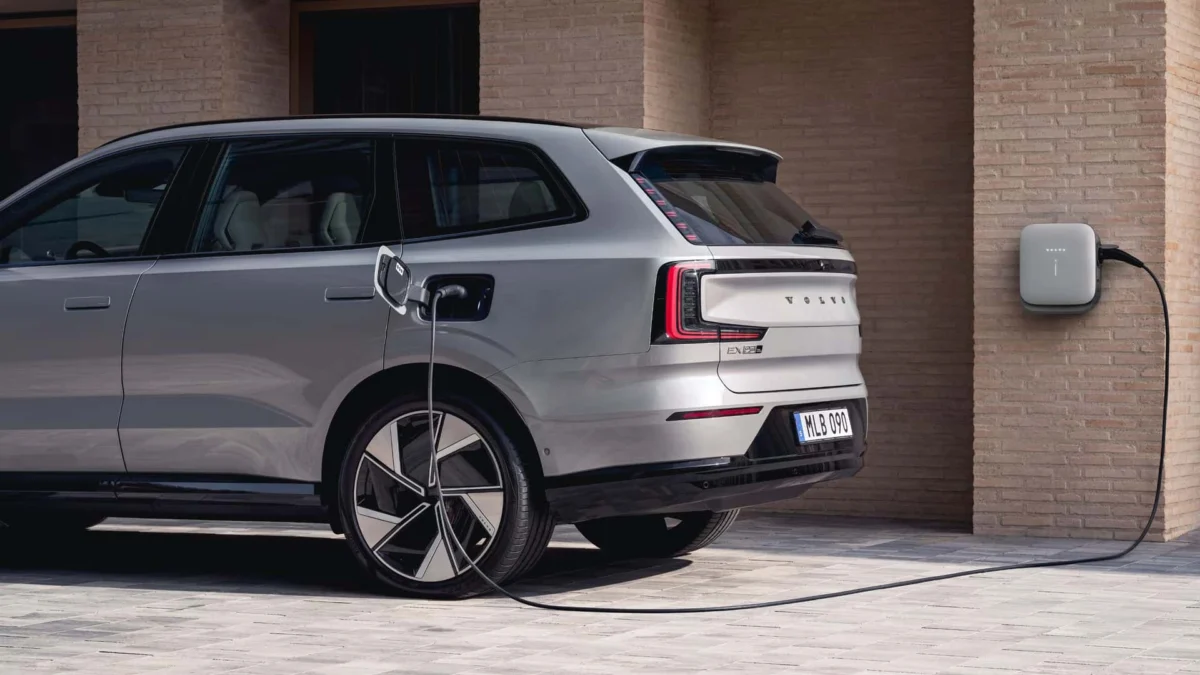
- Polestar 3 and Volvo EX90: Both vehicles share a modern architecture designed from the ground up to serve as home energy backups and grid assets.
- Ford F-150 Lightning: Ford’s electric truck was one of the first to market its "Intelligent Backup Power" feature, although the program focuses on the model’s ability to interact with the grid rather than just the home.
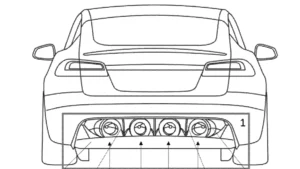
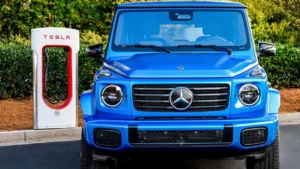
Notably absent from the list are Tesla vehicles, including the Cybertruck and the Model Y Performance, despite Tesla’s recent announcements regarding bidirectional capabilities. The exclusion stems from a fundamental difference in engineering philosophy. Most vehicles in the Massachusetts pilot rely on an external wall-mounted charger to convert the battery’s Direct Current (DC) into the Alternating Current (AC) used by the grid. Tesla, conversely, has integrated the DC-to-AC converter directly into the vehicle’s onboard systems for its latest models. While this makes the vehicle more versatile in some respects, it requires a different communication protocol and hardware setup that is not yet integrated into the current Massachusetts pilot framework.
The National Landscape of Vehicle-to-Everything (V2X)
Massachusetts is not alone in its pursuit of vehicle-to-grid integration. The state’s pilot is part of a broader national trend where utilities and automakers are exploring "Vehicle-to-Everything" (V2X) technology.
In California, Pacific Gas & Electric (PG&E) has been particularly aggressive. The utility is currently working with General Motors (GM) to integrate 52,000 EVs into the grid by 2030. Furthermore, PG&E and Tesla recently announced a collaboration using the Cybertruck for a residential V2X program. This initiative allows customers to use their trucks to power their homes during blackouts and provide support to the grid during peak consumption periods.
In Texas, Toyota has launched a V2G pilot with Oncor Electric Delivery to explore how the bZ4X electric SUV can support the state’s notoriously volatile energy market. These regional efforts are beginning to coalesce into a national strategy where the millions of EV batteries expected to be on American roads by 2030 are viewed as a collective "Virtual Power Plant" (VPP).
Strategic Implications and Future Challenges
The implications of the Massachusetts pilot extend far beyond the 60 participating households. If successful, the program provides a blueprint for scaling V2G technology across the United States. By turning EVs into grid assets, states can accelerate their decarbonization goals without needing to build as many stationary battery storage facilities.
However, several challenges remain. One primary concern among EV owners is battery degradation. There is a persistent fear that frequently discharging the battery to support the grid will shorten the vehicle’s lifespan. While modern battery management systems are designed to minimize this impact—and some studies suggest that slow, controlled discharging may even be less stressful than high-speed driving—consumer education will be vital to widespread adoption.
Furthermore, standardization remains an issue. The industry is currently in the middle of a shift toward the North American Charging Standard (NACS), and ensuring that bidirectional communication protocols remain consistent across different brands and utility territories is a massive undertaking for regulators.
Conclusion: A New Era for the Electric Grid
The Massachusetts pilot marks a definitive step toward a more interactive and democratic energy system. It moves the conversation from what an EV can do for its driver to what an EV can do for society. By providing a financial incentive for grid stewardship, the program aligns the interests of individual consumers with the needs of the collective infrastructure.
As the 60 participants in Massachusetts begin to see credits on their utility bills, they will be the vanguard of a movement that treats the automobile not just as a mode of transportation, but as a critical component of national energy security. In an era of increasing climate volatility and surging power demands, the ability to tap into the millions of kilowatt-hours stored in driveway-bound batteries may prove to be one of the most effective tools in the transition to a sustainable future.