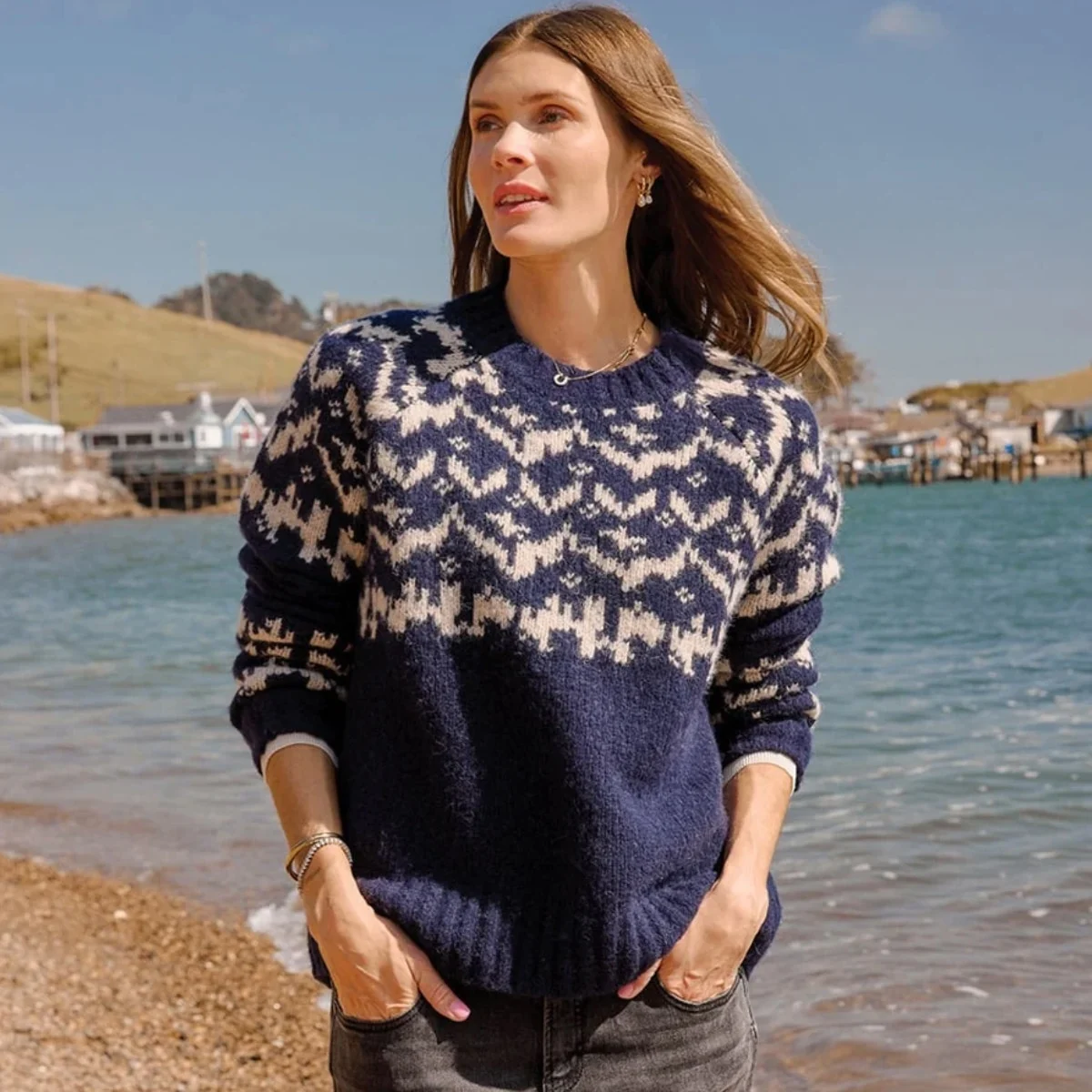
Fair Isle sweaters have long occupied a distinct space in the landscape of seasonal fashion, often celebrated for their rich heritage yet frequently dismissed as overly traditional or difficult to incorporate into contemporary wardrobes. Historically relegated to holiday-themed gatherings or brief periods of sub-zero weather, these patterned knits are undergoing a significant stylistic reassessment. Far from being restricted to Thanksgiving week or alpine ski resorts, the traditional multi-colored knit is emerging as a versatile cornerstone of winter dressing. As consumers seek out garments that successfully balance aesthetic warmth with sartorial adaptability, fashion retailers and designers are spotlighting streamlined methods for styling these complex patterns. Major brands, including contemporary apparel label Carve Designs, are currently observing a surge in consumer demand, further emphasized by widespread seasonal promotions such as Black Friday discounts. This comprehensive guide explores the historical origins of the Fair Isle technique, examines contemporary styling methodologies involving denim, corduroy, and layering, and analyzes the broader economic and cultural implications of heritage knitwear in the modern retail market.
The History and Evolution of Fair Isle Knitting
To understand the enduring appeal and current resurgence of the Fair Isle sweater, one must examine its geographic and historical roots. The technique originates from Fair Isle, a tiny, remote island in the Shetland archipelago of Scotland. Historically, local knitters developed a distinctive method of stranded colorwork, utilizing two or more contrasting shades of yarn in a single row to create intricate geometric, cross, and snowflake motifs. Traditionally knitted from local Shetland wool—prized for its natural lanolin content, which provided exceptional insulation and water resistance—these garments were originally designed to protect fishermen and outdoor workers from the harsh, unforgiving North Atlantic climate.
The global popularity of the style took a significant leap in the early 20th century, most notably when the Prince of Wales (later Edward VIII) wore a Fair Isle sweater to a public golf appearance in 1921. This royal endorsement immediately transformed the utilitarian Scottish knit into a fashionable leisure item for the British and international elite. Over the decades, the style experienced various waves of popularity, transitioning from mid-century Ivy League prep aesthetics to 1980s winter sportswear. In the modern era, textile innovation has altered the composition of these sweaters. While traditional versions relied strictly on heavy wool, contemporary iterations often blend merino wool, recycled nylon, and alpaca. This technological shift reduces the prickly texture historically associated with heritage knits, yielding a softer, more lightweight garment that appeals to modern sensory preferences while retaining its classic visual identity.
Demystifying the Pattern: Navigating the Styling Challenges
Despite their rich history and undeniable aesthetic warmth, Fair Isle sweaters frequently intimidate consumers during the styling process. The primary challenge lies in the visual complexity of the garment. Featuring intricate horizontal bands of multi-colored geometric patterns, typically concentrated around the neckline, yoke, or hem, a traditional Fair Isle sweater inherently commands visual attention. For individuals accustomed to minimalist dressing or neutral color palettes, integrating a garment with high pattern density can feel like a sartorial hurdle.
Stylists and fashion analysts point out that the fear of pattern-clashing or looking excessively costume-like often deters buyers. However, contemporary styling philosophy approaches the Fair Isle sweater not as a difficult anomaly, but as a foundational statement piece. By anchoring the bold upper-half design with clean, structured lower-half elements, wearers can neutralize the potential visual clutter. The key to successful integration lies in balancing proportions and selecting complementary textures that either mirror the rustic charm of the knit or provide a stark, modern contrast. As retailers roll out seasonal promotions—such as Carve Designs offering a 25-percent reduction on its full-price collection—consumers are increasingly incentivized to experiment with these heritage garments without making a prohibitive financial commitment.
Curated Styling Strategies for the Winter Season
Fashion editors and retail specialists have identified several reliable pairings that demystify the Fair Isle sweater, transforming it from a tricky holiday novelty into a daily winter staple.

The Denim Foundation
The most straightforward and universally accessible approach to styling a Fair Isle knit is pairing it with denim. This combination bridges the gap between rugged outdoorsmanship and urban casual wear. For a relaxed, weekend-appropriate silhouette, style experts recommend pairing an oversized or relaxed-fit knit with relaxed boyfriend jeans or light-wash barrel pants, completed with functional boots or minimalist sneakers. Conversely, the look can be easily elevated for a polished evening setting. By opting for a dark, wide-leg denim silhouette, accessorizing with structured gold jewelry, adding heeled boots, and carrying a refined shoulder bag, the inherent coziness of the sweater is balanced by sophisticated tailoring.
Textural Contrast with Corduroy
For those seeking to introduce greater textural depth and autumnal warmth into their wardrobe, corduroy pants present an ideal alternative to denim. The fine-wale or wide-wale ridges of corduroy interact visually with the flat, intricate stitches of the sweater, creating a multi-dimensional outfit. Pairing an earth-toned Fair Isle knit with dark olive or chocolate brown corduroy pants, finished with traditional leather boots or suede clogs, establishes a cohesive, heritage-inspired aesthetic rooted in functionality.
Skirts and Layering Dynamics
Challenging the notion that skirts are exclusively warm-weather garments, fashion authorities advocate for the integration of maxi skirts during the colder months. When layered strategically over thermal fleece tights, skirts offer a fluid, feminine counterpoint to the boxy, substantial weight of a traditional wool sweater. Recommendations include pairing a chunky knit with a light-colored silky bias-cut skirt or a dark-wash denim maxi skirt, anchored by tall knee-high boots.
Furthermore, to combat the perceived plainness of wearing a sweater as a standalone top, layering has emerged as a crucial technique. Inserting a collared button-down shirt underneath the neckline of the Fair Isle sweater adds sophisticated structure to the upper half of the body. Stylists suggest experimenting with different fabrications: a silky, fluid button-down offers a soft, elegant contrast, while a structured western-style denim shirt introduces rugged Americana undertones.
Market Analysis: The Retail Landscape and Promotional Timing
The positioning of Fair Isle sweaters within the current retail market reflects a broader industry trend toward comfort-driven, high-utility apparel during the fourth-quarter shopping season. Retailers strategically time inventory rollouts and promotional campaigns to coincide with the onset of colder weather and major shopping milestones, notably Black Friday and the ensuing cyber weekend.
Data from consumer research firms indicates that demand for heritage knitwear spikes significantly between November and January. Brands that successfully update traditional silhouettes with modern fiber blends—such as the integration of recycled materials and alpaca—are capturing a growing demographic of eco-conscious and comfort-focused shoppers. The current market offering from brands like Carve Designs, which features structural variations such as hi-low hems, raglan sleeves, and relaxed fits in garments like the Aria Fairisle Sweater, exemplifies how heritage aesthetics are being re-engineered for contemporary consumer lifestyles. By combining historical design motifs with modern fabric technology and timely promotional discounts, retailers are successfully mitigating consumer hesitation, proving that alpine-inspired knitwear remains a resilient and profitable sector of the winter apparel market.