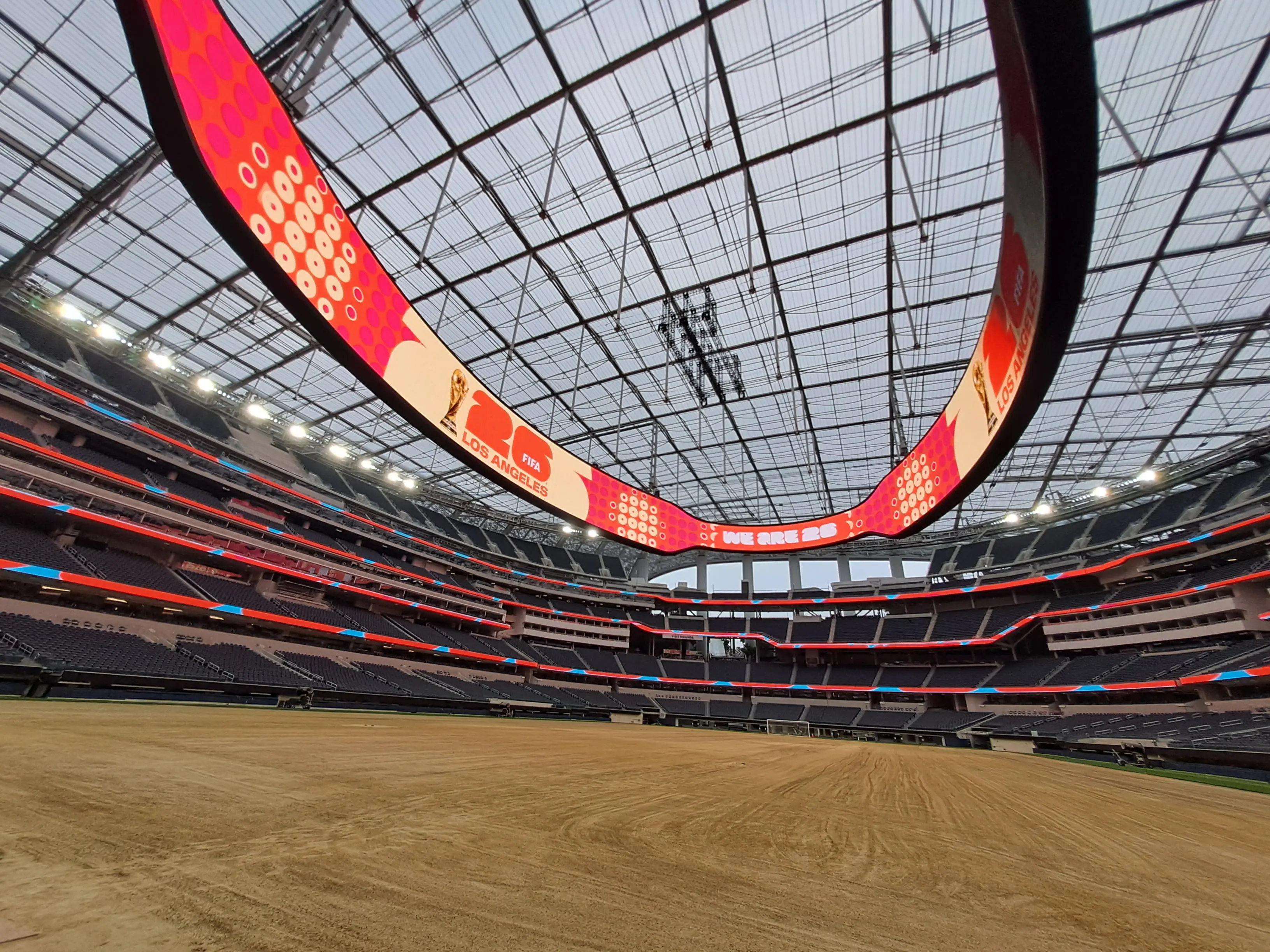
A pungent, earthy smell currently hangs over the stadium where the United States men’s national soccer team is preparing to kick off its opening World Cup match. With just 30 days remaining before the global tournament begins, the operations team at the venue is working around the clock to transform a multi-use arena into a world-class soccer pitch. Freshly laid soil is being treated with heavy layers of fertilizer in anticipation of refrigerated trucks arriving with specialized turf—a delicate process required to meet FIFA’s exacting standards for international play.
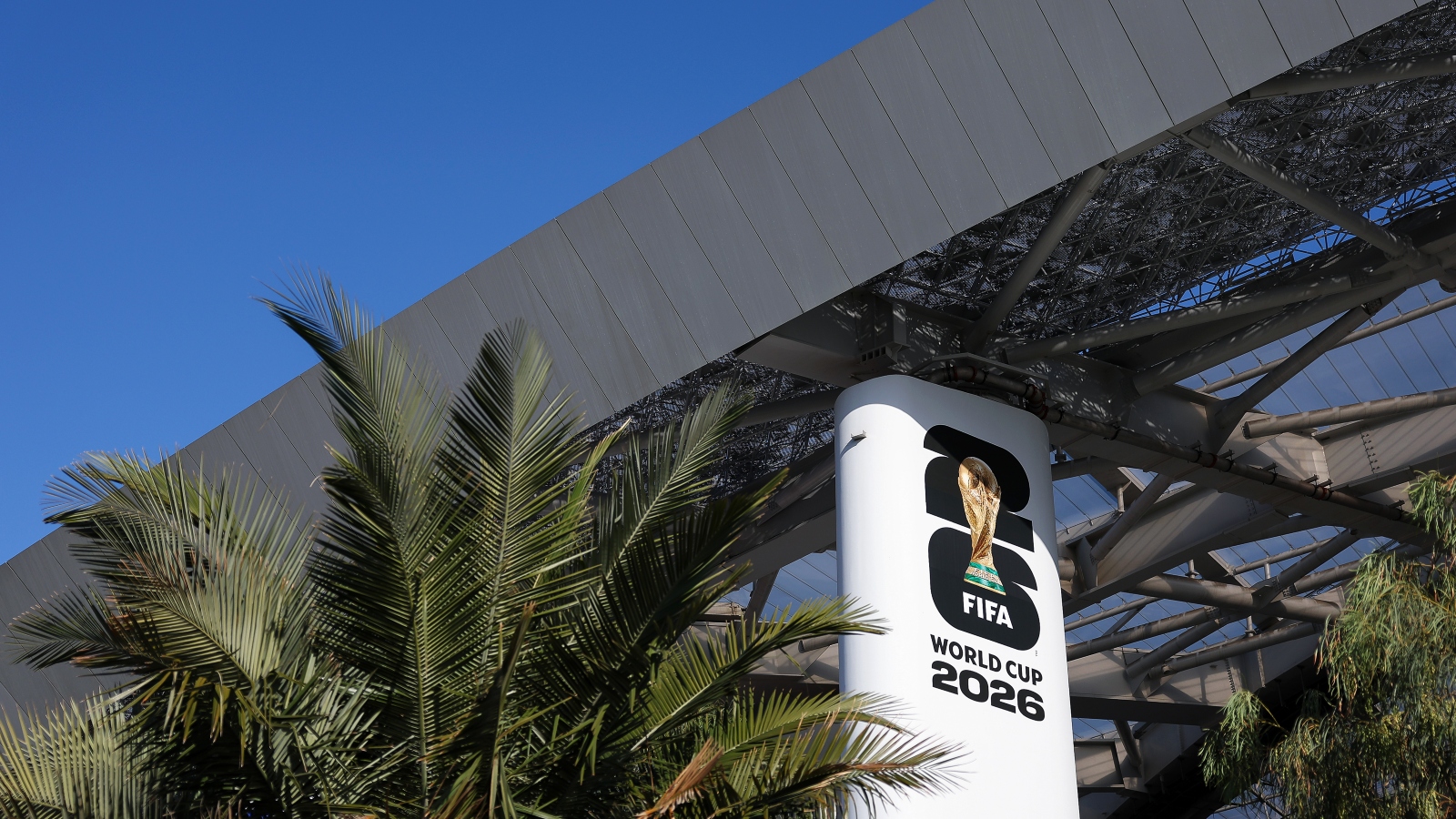
Tending to the grass is merely one line item in a massive logistical undertaking. Los Angeles is one of 16 host cities across North America for this summer’s FIFA World Cup, the most popular sporting event on the planet. However, for the second-largest city in the United States, the stakes extend far beyond the final whistle of the tournament. Local officials are viewing this summer’s matches—and next year’s Super Bowl—as a critical "dry run" for the 2028 Summer Olympic and Paralympic Games. This "mega-event era" represents a pivotal moment for a city grappling with a reputation for crippling traffic, extreme climate vulnerability, and a widening gap between its luxury infrastructure and the needs of its most vulnerable residents.
The Stress Test: Security, Mobility, and Heat
While the eight World Cup matches scheduled for SoFi Stadium (rebranded as Los Angeles Stadium for the duration of the tournament) are significant, they are smaller in scale than the impending Olympics. Nevertheless, they serve as an essential stress test for the city’s updated security strategies, mobility protocols, and heat wave response plans. For a city with a perpetually stressed budget and legendary gridlock, the goal is to observe how an influx of hundreds of thousands of international fans impacts aging infrastructure.
"We’re here to deliver a lasting legacy," Paul Krekorian, head of Los Angeles Mayor Karen Bass’s Office of Major Events, told city council members during a high-stakes briefing in May. Krekorian emphasized that the city did not bid for these events solely for the prestige of hosting, but to leverage the global spotlight to secure permanent benefits for the people of Los Angeles.
However, the preparations are unfolding against a backdrop of significant local tension. The World Cup arrives at a time when the city is facing weak hotel bookings, soaring ticket prices that exclude many locals, and a growing budget deficit. More urgently, the city is still struggling to rebuild following the devastating wildfires of January 2025. These fires, which scientists have explicitly linked to the worsening effects of global warming, displaced tens of thousands of residents and destroyed entire neighborhoods. Simultaneously, the city’s large immigrant community remains on edge following a series of high-profile raids by ICE immigration officers last year. In a county where roughly a quarter of the immigrant population is undocumented, the intersection of heightened security for global events and immigration enforcement has created a climate of fear.
Protecting Fans and Workers in a Warming Climate
As the planet experiences record-breaking temperatures, the safety of spectators and service workers has become a primary concern for event organizers. Unlike professional athletes, who are often highly conditioned and monitored for heat stress, the general public is far more susceptible to the dangers of overheating.
"The vast majority of people at risk are not the athletes themselves, but rather the spectators—who are generally much less acclimatized—and other groups such as service staff at sales points or in catering," noted sports sociologist Sven Schneider. These groups require specific protections that are often overlooked in the glamour of the games.
In Los Angeles, the "urban heat island" effect is a formidable foe. Oceans of concrete and asphalt across the LA basin absorb and radiate heat, and many areas of the city suffer from a severe lack of shade or greenery. Fans are often exposed to direct sunlight for hours before a match even begins, whether waiting for shuttles or standing in security queues. The volatility of heat management was highlighted recently when FIFA briefly implemented a blanket ban on fans bringing sealed, transparent water bottles into stadiums, only to backtrack immediately following a fierce public backlash.
At SoFi Stadium, operations head Otto Benedict says his team is well-versed in local climate risks. While the region is known for its "May Gray" and "June Gloom"—overcast conditions that keep coastal temperatures mild—record-breaking ocean temperatures are increasingly disrupting these traditional weather patterns.
"We have cooling fans and cooling zones that we deploy if it’s a hot day," Benedict said. He noted that the stadium is in constant communication with the National Weather Service and uses internal thermometers to trigger specific response protocols. Unlike many modern arenas, the $5.5 billion SoFi Stadium is not traditionally air-conditioned. Instead, it was designed to use the natural environment, featuring roof panels that can be opened to create an updraft and native plant landscaping that provides natural cooling.
The Transit Gamble: Destigmatizing Public Transportation
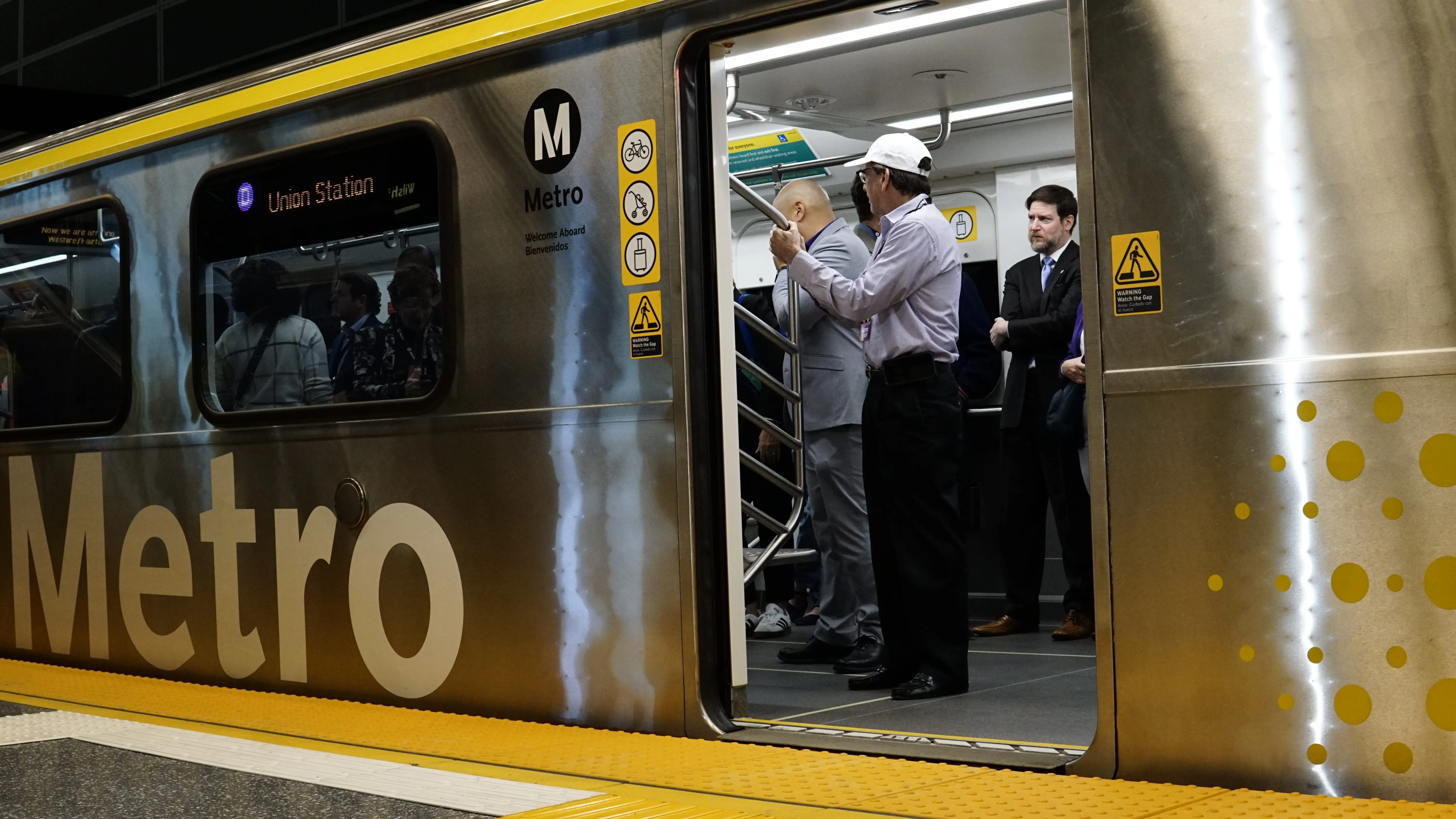
For Los Angeles Metro, the World Cup is a golden opportunity to change the city’s car-centric culture. Currently, only about 3 percent of commutes in the city are completed via public transit. LA Metro CEO Stephanie Wiggins believes that mega-events provide the necessary "nudge" to get residents and visitors onto buses and trains for the first time.
"We are planning with legacy in mind," Wiggins said, speaking from the sidelines of the stadium. "We’ve been rolling up our sleeves to figure out how to make this as seamless as possible."
In preparation for the tournament, LA Metro has implemented several long-term upgrades:
- Multilingual Wayfinding: New signage in multiple languages to assist international travelers.
- Unified Payment Systems: The consolidation of eight different apps into a single platform for planning and paying for trips.
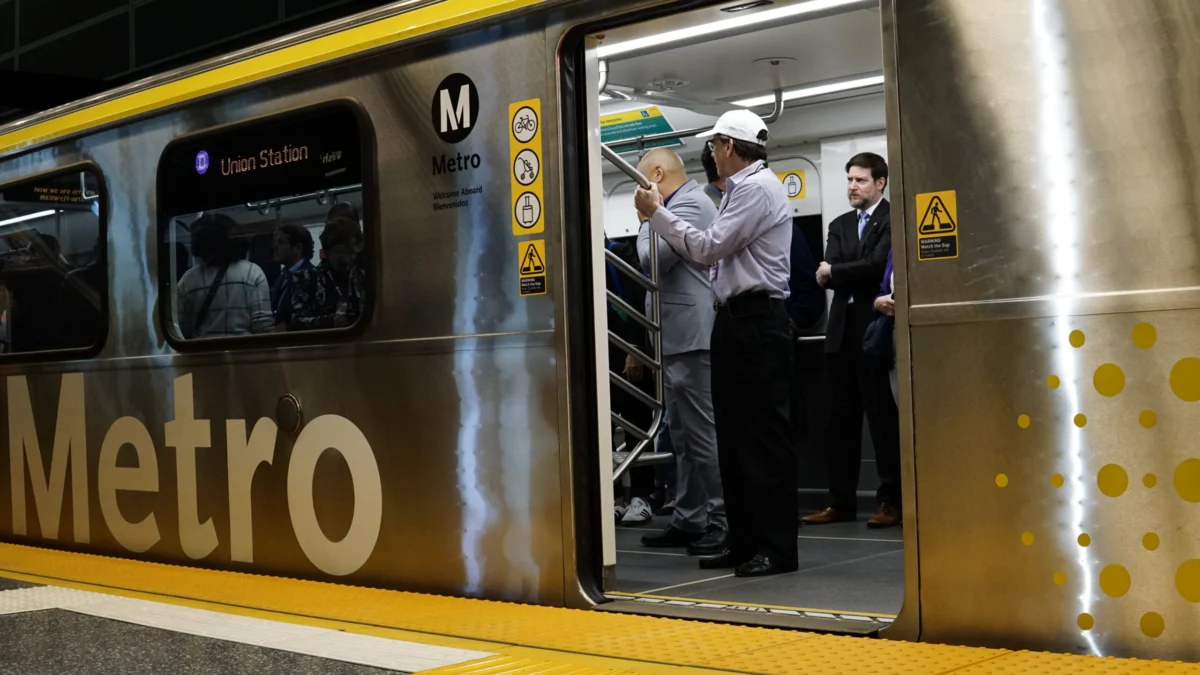
- The D Line Extension: Most significantly, the agency inaugurated three new underground stations in May—the culmination of a project that had been in various stages of planning and construction for over 60 years.
The D Line extension serves one of the densest corridors in the United States, and officials estimate it will handle 78,000 riders daily. By the 2028 Olympics, six more stations are expected to open, connecting downtown Los Angeles to the UCLA campus, which will serve as the Olympic Village. The agency is drawing inspiration from the 1984 Los Angeles Olympics, which saw a massive, albeit temporary, surge in bus ridership that proved the city could function without total reliance on private vehicles.
The Reality on the Street: Bus Stops and Homelessness
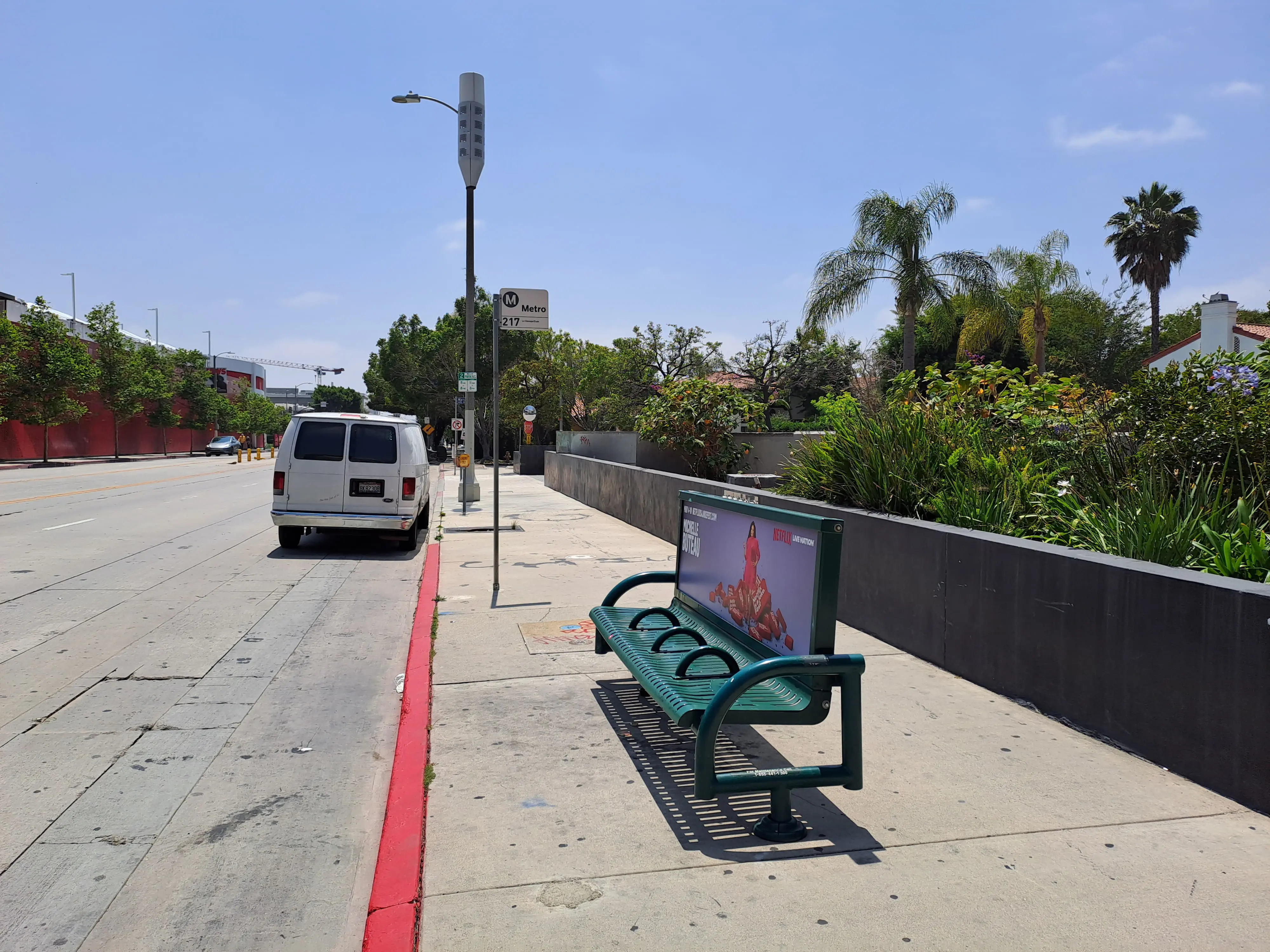
Despite the progress in rail transit, the backbone of Los Angeles’s transportation system remains its buses, which account for three-quarters of all journeys. Here, the "legacy" of the mega-events feels more distant. The city serves roughly 12,000 bus stops daily, yet the vast majority remain unsheltered. Riders often wait in the blistering sun without live departure boards or even basic seating.
While the Sidewalk and Transit Amenities Program is currently working to install 403 new shelters, progress is slow. Transport experts point to a complex web of jurisdictional hurdles; LA Metro operates the buses, but local municipalities own the sidewalks. Furthermore, political reluctance to install shelters is often tied to fears that they will be occupied by the city’s unhoused population. For many riders, the daily reality of using transit involves long wait times in extreme heat, often highlighting the city’s unresolved housing and mental health crises.
The social friction surrounding the World Cup became even more apparent just days before the opening match. Workers at SoFi Stadium threatened to strike over wages and working conditions, while street vendors—many of whom are undocumented—expressed concern that the increased police and ICE presence would make it too dangerous for them to operate.

A Legacy in the Balance
As the World Cup progresses, the city’s wounds remain visible. The "January 2025" wildfires, which ravaged Altadena and Pacific Palisades, serve as a constant reminder of the climate emergency. Air quality also remains a volatile factor; mid-tournament, a massive warehouse fire in the city blanketed several neighborhoods in toxic smoke, forcing residents to stay indoors and dampening the festive atmosphere.
In April, Mayor Karen Bass published a Climate Action Plan that specifically aims to use major sporting events to accelerate green investments. The plan commits Los Angeles to achieving net-zero emissions by 2045 and 100 percent clean energy by 2035. Most ambitiously, the city has promised a "transit-first" Olympics in 2028, where no private cars will be allowed at venues.
However, environmental advocates remain skeptical. Cassie Rauser, head of the advocacy group TreePeople, noted that the city missed a major opportunity to mandate fossil-fuel-free construction during the post-wildfire rebuilding phase. "The trauma makes this all very complicated, but it was an opportunity to truly do things in a way that is more sustainable, and the region chose not to," Rauser said.

Whether the billions of dollars spent on these sporting spectacles will truly benefit the average Angeleno remains an open question. For the "mega-event era" to leave a positive climate legacy, Los Angeles must look beyond the stadium gates and address the systemic heat, transit, and housing inequities that define daily life for millions. With the 2028 Olympics now just two years and two weeks away, the clock is ticking on the city’s promise to reinvent itself for a warming world.