A novel, non-invasive medical device capable of delivering targeted electrical pulses to the ear is emerging as a potential frontrunner in the management of persistent high blood pressure. Developed by researchers at Queen Mary University of London and manufactured by Afferent Medical Solutions, the technology represents a shift toward bioelectronic medicine, aiming to regulate the body’s autonomic nervous system without the side effects or complications associated with traditional pharmacological interventions or invasive surgical procedures.
The results of the SCRATCH-HTN trial, recently published in the American Heart Association’s journal, Hypertension, indicate that while the device did not produce a uniform reduction in blood pressure across the entire study cohort, it demonstrated significant promise for patients suffering from severe, treatment-resistant hypertension. As medical professionals continue to seek alternatives for the millions of patients whose blood pressure remains uncontrolled despite adherence to medication, this portable, user-friendly device offers a glimpse into a future where digital therapeutics may play a central role in cardiovascular health.
The Mechanics of Transcutaneous Autonomic Neuromodulation
At the core of this innovation is a technique known as transcutaneous autonomic neuromodulation (tAN). The autonomic nervous system acts as the body’s internal control center, governing involuntary physiological processes such as heart rate, vascular resistance, and digestive functions. In patients with hypertension, this system is often dysregulated, contributing to chronically elevated blood pressure.
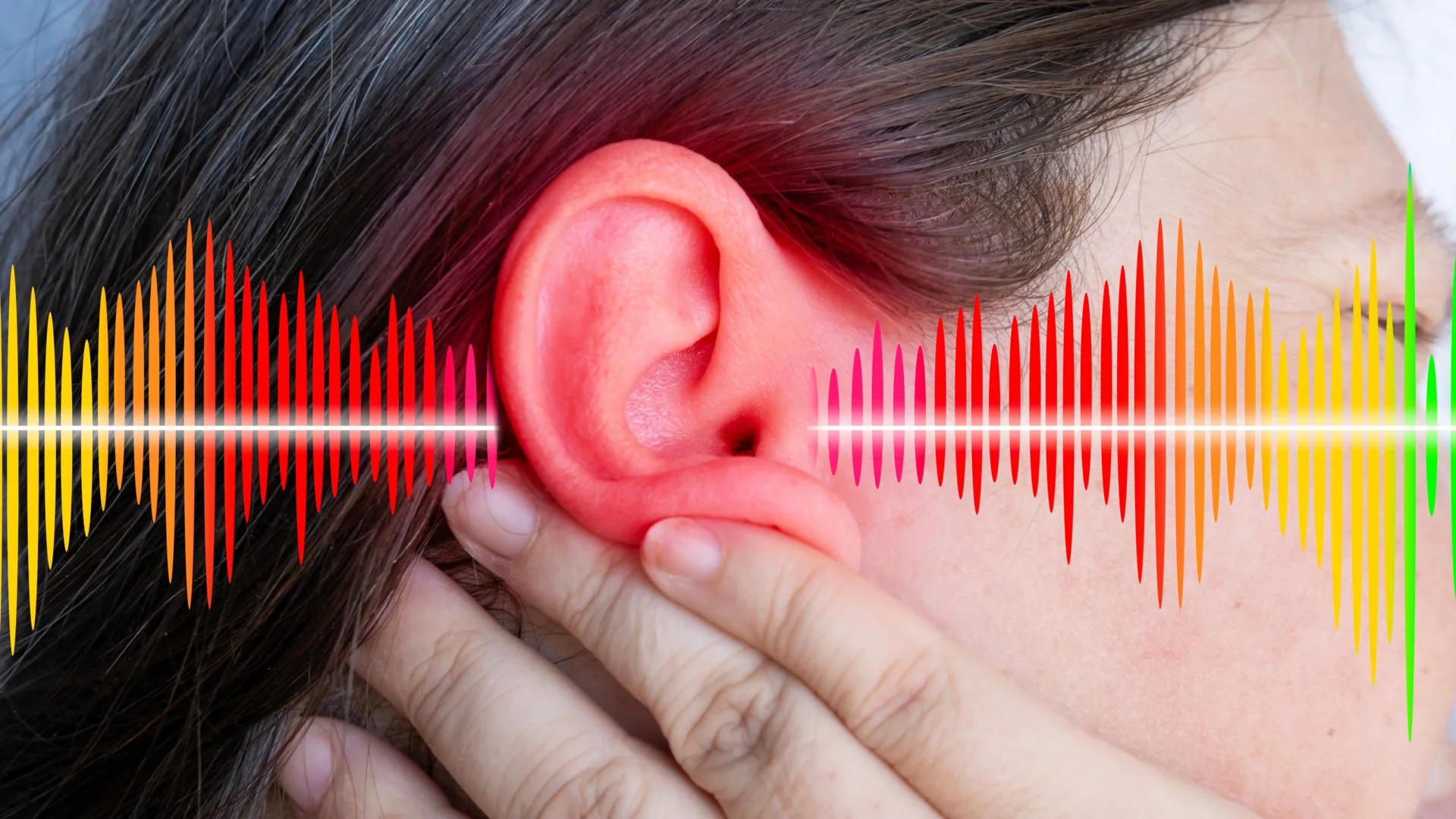
The device designed for the SCRATCH-HTN trial utilizes a simple interface: two small, unobtrusive clips that attach to the tragus—the cartilaginous flap situated at the entrance of the ear canal. Through these clips, the device delivers low-level electrical impulses to the vagus nerve branches located in the ear. By modulating these neural pathways, researchers aim to "recalibrate" the body’s natural blood pressure regulation mechanisms. Unlike deep brain stimulation or renal denervation, which require invasive surgical implantation or catheterization, tAN is entirely external, allowing patients to administer their own therapy in the comfort of their homes.
Chronology of the SCRATCH-HTN Trial
The journey to these clinical findings began with a robust study design funded by the National Institute for Health and Care Research (NIHR). The trial, which involved 63 participants, was specifically targeted at individuals whose blood pressure remained above clinical thresholds despite receiving at least one standard antihypertensive medication.
The clinical timeline was structured into two distinct phases to ensure both efficacy and adherence could be measured:
- Baseline Recruitment and Randomization: Participants were screened for uncontrolled hypertension and subsequently divided into two cohorts: those receiving active nerve stimulation and those receiving a "sham" or placebo treatment. This blinding was critical to isolate the physiological effects of the stimulation from the psychological expectation of treatment.
- The Intensive Phase (Weeks 1-2): Patients were instructed to use the device for 30 minutes daily. This period was designed to test the tolerability of the device and to establish a routine for the participants.
- The Maintenance Phase (Weeks 3-12): Following the initial intensive period, the frequency of stimulation was reduced to once per week. This reduction was intended to evaluate whether the physiological benefits could be sustained over a longer term with a less intensive time commitment.
Throughout the study, the device was found to be exceptionally well-tolerated. Participant compliance remained high, a significant factor in medical research where "pill fatigue" or complex treatment regimens often lead to patient dropout.
Statistical Findings and Subgroup Analysis
When researchers analyzed the data for the entire group of 63 participants, they found no statistically significant variance in blood pressure reduction between the active treatment group and the placebo group. However, the study’s secondary analysis provided a vital, albeit preliminary, insight.
In a pre-planned subgroup analysis focusing on patients with more severe, harder-to-treat hypertension, the active stimulation group showed a clear, measurable decrease in blood pressure compared to their counterparts using the sham device. This suggests that the technology may be particularly potent for those who have "maxed out" the effectiveness of their current medications.
While the sample size is currently too small to form the basis of clinical guidelines, the data provide a proof-of-concept that is expected to drive further, larger-scale trials. These future studies will be tasked with identifying the specific biomarkers or patient profiles that predict a positive response to tAN.
Official Perspectives on the Technology
Dr. Ajay Gupta, the Chief Investigator and a Consultant Physician at Barts Health NHS Trust, has characterized the findings as a pivotal moment for cardiovascular research. "This is an exciting, highly patient-acceptable technology that could ultimately provide a cheap, scalable solution for millions," Dr. Gupta stated.
The sentiment from the research team is one of cautious optimism. The team acknowledges that while the broad study did not hit the primary endpoint for the entire population, the "clear blood pressure reduction" in the severe hypertension cohort provides a strong mandate for continued investment. By validating that a non-invasive, home-based tool can interact meaningfully with the autonomic nervous system, the SCRATCH-HTN trial has cleared a significant hurdle in the validation of bioelectronic medicine.
Implications for Global Cardiovascular Health
Hypertension is a silent, global pandemic. According to the World Health Organization (WHO), an estimated 1.28 billion adults aged 30–79 years worldwide have hypertension, and nearly half are unaware of their condition. Even among those who are diagnosed and treated, many fail to achieve "target" blood pressure levels, leaving them at elevated risk for catastrophic events such as myocardial infarction (heart attack), stroke, and chronic kidney disease.
The financial burden of hypertension on global healthcare systems is staggering, characterized by the costs of long-term medication, frequent clinic visits, and the high price of treating cardiovascular complications. If ear nerve stimulation can be refined into a standard therapy, the implications are profound:
- Cost-Effectiveness: A reusable device, unlike ongoing monthly prescriptions, could lower the long-term cost of care for both patients and healthcare providers.
- Accessibility: By moving treatment out of the clinic and into the home, this technology addresses the issue of "healthcare deserts" and improves access for patients with mobility issues or those who live far from specialized cardiovascular centers.
- Reduced Polypharmacy: Many patients are currently prescribed a "cocktail" of three or four different blood pressure medications, leading to cumulative side effects. A successful tAN treatment could allow physicians to optimize or potentially reduce the pharmacological burden on the patient.
The Path Forward
The SCRATCH-HTN trial has successfully demonstrated safety and feasibility, two of the most significant barriers for any new medical device. However, as with all emerging medical technologies, the transition from experimental status to clinical practice requires rigorous validation.
The medical community is now looking toward "Phase III" scale trials that will include larger, more diverse populations to confirm the findings observed in the severe hypertension subgroup. Researchers are also interested in investigating the long-term durability of the blood pressure reduction—specifically, whether the body eventually adapts to the stimulation, thereby requiring periodic adjustments to the treatment protocol.
Furthermore, the integration of these devices into the "Internet of Medical Things" (IoMT) could be the next logical step. By linking the device to a smartphone application, researchers could monitor real-time adherence and blood pressure data, allowing for a personalized medicine approach where the frequency and intensity of the electrical pulses are adjusted based on the patient’s daily readings.
Conclusion
The research conducted at Queen Mary University of London serves as a testament to the evolving nature of medicine, where the intersection of engineering and biology is producing solutions that were once relegated to the realm of science fiction. While the SCRATCH-HTN trial did not offer a panacea for all hypertensive patients, it provided a necessary, evidence-based foundation for a new therapeutic category.
For the segment of the population struggling with resistant hypertension, this ear-clip technology represents a beacon of hope—a potential tool that is non-invasive, patient-controlled, and, most importantly, backed by the biological reality of the nervous system’s role in cardiovascular health. As the scientific community awaits larger trials, the SCRATCH-HTN study stands as a significant milestone in the quest to better manage one of the world’s most persistent medical challenges.