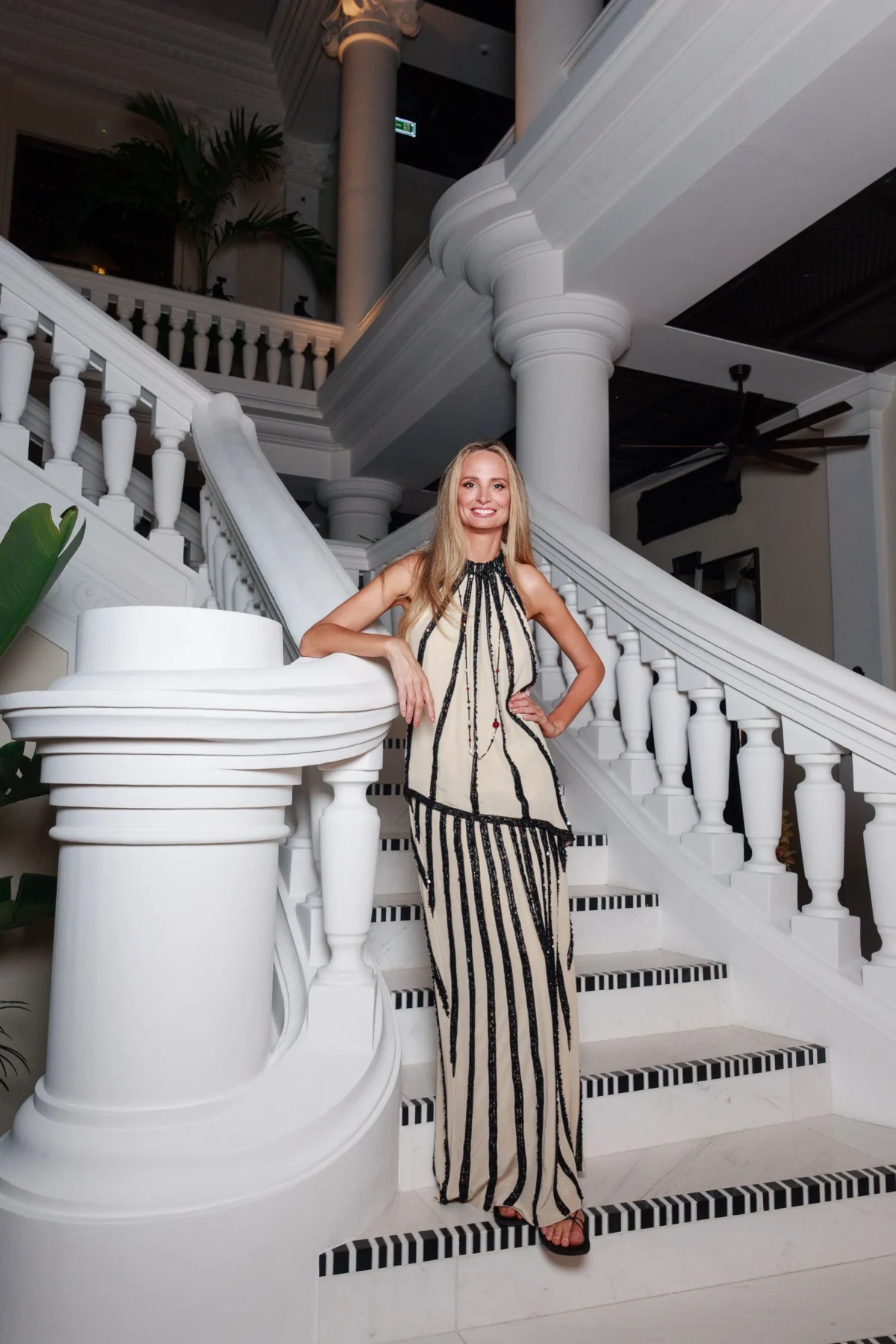
The historic port city of Cartagena de Indias provided a breathtaking backdrop for a multi-day celebration that seamlessly blended high-end hospitality, cultural immersion, and philanthropic engagement. Centered at the historic Four Seasons Hotel Cartagena, a property renowned for its meticulous preservation of 16th-century architecture and colonial charm, the gathering brought together travelers, cultural performers, and culinary artists for an experience that resonated far beyond the confines of the resort.
From restorative spa retreats within the ancient walled city to spirited culinary showcases and high-energy musical performances, the itinerary was designed to highlight the rich heritage of Colombia while offering guests an uncompromising standard of luxury. Yet, beneath the veneer of leisure and celebration, the event served a deeper purpose: honoring regional resilience, supporting local artists, and spotlighting the cultural contributions of the diverse communities that shape modern Colombia.
Chronology of Events: A Seamless Blend of Relaxation and Festivity
The sequence of events unfolded with deliberate pacing, balancing moments of tranquility with vibrant communal gatherings. Following an initial day of arrivals and settling into the property’s meticulously restored colonial quarters, guests transitioned into a state of deep relaxation.
Restorative wellness sessions at Umari, the hotel’s signature spa, set a serene tone for the morning. Therapists utilized indigenous botanical ingredients and traditional techniques to offer holistic treatments, preparing attendees for leisurely afternoon strolls through the sun-drenched, cobblestone streets of Cartagena’s UNESCO-listed walled city. The fortification walls, built by the Spanish in the 16th and 17th centuries to protect against pirate attacks, offered a dramatic historical context for the contemporary travelers.
As twilight descended upon the Caribbean coast, the atmosphere shifted from contemplative to celebratory. Attendees reconvened at the base of the imposing Atrio imperial staircase for pre-dinner cocktails. The evening’s social momentum reached an early peak at the bar, where participant Lauren galvanized the group with a spirited, traditional Latin American toast. Raising their glasses, the gathering partook in the classic cadence: ¡Arriba, abajo, al centro, pa dentro!, establishing a tone of camaraderie and cultural appreciation for the evening ahead.
Culinary Excellence and Cultural Tribute in the Historic Cloisters
Dinner was served in the property’s storied 16th-century cloisters, an architectural marvel that now houses a collection of the hotel’s premier colonial-style rooms. Dining under the expansive canopy of four magnificent Banyan trees, guests were treated to an immersive sensory experience that intertwined high gastronomy with poignant storytelling.
The culinary program was spearheaded by the Four Seasons’ resident chef, Julián Palacio Arango, whose menu served as a love letter to Colombia’s abundant coastal and inland ecosystems. Highlighting the nation’s diverse seafood traditions, the multi-course meal featured exquisite dishes such as crab prepared in a zesty, citrus-forward leche de tigre, followed by a bright, remarkably fresh whitefish course that underscored the culinary team’s commitment to locally sourced, sustainable ingredients.
Between courses, the cultural heart of the evening unfolded. Dancers from Jóvenes Creadores del Chocó, a renowned nonprofit organization dedicated to empowering youth through the arts, took to the improvised stage beneath the ancient trees. Their performance served as a powerful tribute to the resilience of the people of the Chocó region. Just weeks prior, the department of Chocó, situated along Colombia’s rugged Pacific coast, suffered a devastating earthquake that inflicted widespread infrastructural damage and displaced numerous families.
Through expressive choreography, rhythmic percussion, and traditional costuming, the young artists conveyed a narrative of endurance, community solidarity, and hope. Representatives of the nonprofit emphasized that cultural expression remains one of the most effective tools for psychological healing and community rebuilding in the wake of natural disasters. The performance elicited a prolonged, emotional standing ovation from the international audience, bridging the gap between luxury tourism and grassroots solidarity.
Rhythmic Integration: Salsa, Desserts, and Late-Night Celebrations
Following the dining experience, the celebration transitioned seamlessly into the property’s Ballroom de la Veracruz. Defined by its classic checkerboard flooring and soaring ceilings, the ballroom transformed into a lively dance hall.
Musical entertainment was anchored by the internationally acclaimed Colombian singer Fonseca, whose romantic ballads and upbeat tropical rhythms energized the room. Following Fonseca’s performance, the renowned musical trio Orquesta La Brava took the stage, delivering a masterclass in salsa, cumbia, and tropical fusion. Guests eagerly took to the dance floor to test their salsa skills under the guidance of local instructors and enthusiastic peers.
For those seeking respite from the high-energy dancing, the interior spaces gave way to more relaxed exterior zones. Attendees gravitated toward the courtyard benches, sprawling out beneath the intricate, hanging root systems of the Banyan trees to converse and cool off in the tropical night air.
As the evening progressed into the early hours of the morning, culinary provisions continued to flow without interruption. A resplendent dessert table offered an extensive array of sweets, ranging from delicate berry pavlovas to rich, traditional tiramisus. Complementing the baked goods were curated trays of artisanal Colombian chocolates, showcasing the world-class cacao harvested from the departments of Arauca, Huila, and Antioquia.
Recognizing that prolonged dancing and socializing naturally stimulate late-night appetites, the hospitality staff later rolled out a comforting midnight snack spread. Gourmet lobster rolls, artisanal hot dogs, and wood-fired pizzas effectively satisfied any lingering cravings.
For the most resilient attendees, the festivities refused to wane. The Catroux Presidential Suite—featuring an expansive private terrace overlooking the illuminated cityscape and the distant Caribbean Sea—became the epicenter of an unofficial after-hours gathering. While many participants prudently chose to retire to their rooms to secure adequate rest ahead of scheduled international flights the following day, a dedicated cohort kept the celebration alive until dawn, savoring the final moments of their Colombian sojourn.
Background Context and Tourism Dynamics in Cartagena
The success of this high-profile gathering underscores Cartagena de Indias’s growing status as a premier global destination for luxury tourism, cultural diplomacy, and high-end corporate retreats. According to recent data from Colombia’s national tourism board, ProColombia, the coastal city continues to record steady growth in international visitor arrivals, driven largely by North American and European travelers seeking a synthesis of historical authenticity, tropical climate, and world-class hospitality.
The choice of the Four Seasons Hotel Cartagena as the host venue highlights the strategic expansion of international hospitality brands into historic Latin American markets. By transforming centuries-old architectural assets—such as former monasteries, convents, and colonial mansions—into luxury accommodations, the hospitality sector plays a vital role in preserving architectural heritage while injecting capital into the local economy. Industry analysts note that such properties increasingly incorporate local philanthropic initiatives into their operational models, allowing affluent travelers to engage meaningfully with regional social causes, such as the earthquake recovery efforts championed by Jóvenes Creadores del Chocó.
Furthermore, culinary tourism has emerged as a primary economic driver for Colombia. Gastronomic events that spotlight native ingredients, such as the Pacific seafood preparations featured by Chef Julián Palacio Arango, elevate the global profile of Colombian cuisine. Culinary experts point out that the rising appreciation for local gastronomy not only boosts the agricultural and fishing sectors but also fosters national pride by celebrating indigenous and Afro-Colombian culinary traditions on an international stage.
Broader Economic and Cultural Implications
The convergence of luxury hospitality, philanthropic performance art, and culinary excellence in Cartagena offers a compelling model for sustainable tourism development. As destinations worldwide grapple with the challenges of balancing mass tourism with cultural preservation, events that actively support local non-governmental organizations and promote regional artists demonstrate a path forward.
Economic reports indicate that cultural and creative industries, often referred to collectively as the "orange economy" in Colombia, account for a significant percentage of urban employment in coastal and interior cities alike. Organizations like Jóvenes Creadores del Chocó rely heavily on private partnerships, corporate social responsibility programs, and international visibility to sustain their educational and artistic outreach initiatives. By integrating these artists directly into high-profile hospitality programming, venues provide vital platforms that amplify regional voices to an audience of global influencers.
In the wake of natural disasters such as the Chocó earthquake, international attention and financial solidarity are critical for long-term recovery. Observers note that while immediate humanitarian aid addresses basic survival needs, cultural initiatives and economic stimulus through tourism ensure that affected communities retain their agency, dignity, and cultural vitality.
Ultimately, the gathering at the Four Seasons Hotel Cartagena transcended the parameters of a conventional luxury retreat. By weaving together the threads of historic preservation, culinary innovation, and empathetic community engagement, the event demonstrated how high-end travel can serve as a conduit for cross-cultural understanding and meaningful philanthropy. As the participants departed for their respective destinations across the globe, they carried with them not only memories of picturesque streets, salsa rhythms, and coastal gastronomy, but also a profound appreciation for the enduring spirit and cultural richness of Colombia.