Home Blog Page 79

2026 04 16 Suga Im A Good Fit For This Job

0

2026 04 16: Suga – The Data-Driven Executive Ready for the Challenge

The date 2026 04 16 marks a pivotal moment, not for a global event, but for the strategic alignment of talent with opportunity. Specifically, it highlights the profile of an individual, let’s refer to them as "Suga," whose experience and skillset demonstrably position them as an exceptional candidate for a particular role. This article delves into why Suga, with their projected capabilities and proven track record, represents a perfect fit for demanding executive positions in the evolving business landscape of 2026. We will explore the critical competencies, the adaptive strategies, and the forward-thinking mindset that make Suga’s candidacy compelling, drawing upon industry trends and the likely requirements of leadership roles in the near future.

Suga’s suitability is rooted in a deep understanding of data-driven decision-making. By 2026, organizations will have access to unprecedented volumes of information. The ability to not only collect but also to interpret, analyze, and translate this data into actionable strategies will be paramount for any executive. Suga’s professional journey, even prior to 2026, has consistently demonstrated a commitment to leveraging analytics. This isn’t merely about understanding dashboards; it’s about building a culture where data informs every facet of operations, from product development and market penetration to financial forecasting and talent management. Their experience in implementing advanced analytics platforms and fostering data literacy within teams will be invaluable in navigating the complexities of the 2026 business environment, where intuition alone will no longer suffice. This proficiency ensures that Suga can identify emerging trends, predict potential disruptions, and capitalize on nascent opportunities with a level of precision that separates leaders from followers.

Furthermore, Suga possesses a remarkable capacity for strategic foresight, a quality that will be amplified in importance by 2026. The pace of technological advancement and geopolitical shifts necessitates a leadership style that can anticipate change, not just react to it. Suga’s proven ability to develop long-term strategic roadmaps, incorporating scenario planning and risk mitigation, positions them to guide organizations through an increasingly unpredictable future. This involves not only understanding current market dynamics but also envisioning potential future states and proactively positioning the company to thrive within them. Their experience in identifying disruptive technologies and integrating them into core business strategies will be a significant asset. This foresight extends beyond technological adoption to encompass evolving consumer behaviors, regulatory landscapes, and the broader socio-economic context, ensuring that strategies remain relevant and effective.

The concept of adaptability is central to Suga’s strong candidacy. The business world of 2026 will demand leaders who can pivot quickly in response to unforeseen challenges and opportunities. Suga’s career trajectory has been characterized by their ability to embrace change, to learn new skills rapidly, and to guide teams through periods of transformation. This resilience is not merely about weathering storms but about actively seeking out opportunities for innovation and growth, even in the face of uncertainty. Their experience in leading cross-functional teams through digital transformations and agile methodologies demonstrates a practical understanding of how to foster a culture of continuous improvement and responsiveness. This adaptability ensures that Suga can steer an organization through the inevitable disruptions of the future, emerging stronger and more competitive.

Moreover, Suga’s strong leadership and team-building capabilities are essential for navigating the collaborative demands of the 2026 workplace. In an era of distributed teams and increasingly specialized skill sets, the ability to inspire, motivate, and empower individuals is crucial. Suga has consistently demonstrated a talent for building high-performing teams, fostering an environment of trust and open communication, and attracting and retaining top talent. Their approach to leadership emphasizes empowerment, mentorship, and the development of individual potential, creating a cohesive and driven workforce capable of tackling complex challenges. This inclusive leadership style ensures that diverse perspectives are valued and leveraged, leading to more innovative solutions and a stronger organizational culture.

The economic climate projected for 2026 will likely demand a keen focus on operational efficiency and financial acumen. Suga’s proven track record in optimizing resource allocation, driving cost-effective solutions, and achieving robust financial performance makes them an ideal candidate. They understand the delicate balance between investment in innovation and the imperative for profitability. Their experience in developing and executing budgets, managing P&L responsibilities, and identifying areas for operational improvement will be critical in ensuring the financial health and sustainable growth of the organization. This includes a deep understanding of emerging financial models and investment strategies relevant to the evolving global economy.

Innovation is no longer a luxury but a necessity for survival and growth. Suga’s commitment to fostering a culture of innovation, encouraging creative problem-solving, and championing new ideas will be vital. They have a demonstrated ability to identify opportunities for product and service development, to explore new market segments, and to embrace experimentation as a means of driving progress. This proactive approach to innovation ensures that the organization remains at the forefront of its industry, anticipating and shaping market trends rather than simply responding to them. Their understanding of design thinking principles and their ability to translate abstract concepts into tangible business outcomes are key differentiators.

In terms of industry-specific knowledge, while this article is designed for broad applicability, Suga’s background is likely to be rich with experience relevant to sectors poised for significant growth or transformation by 2026. This could include areas such as artificial intelligence, sustainable technologies, advanced manufacturing, or personalized healthcare. Their ability to quickly grasp complex technical details and translate them into strategic business advantages makes them a versatile asset. This adaptability in acquiring and applying sector-specific knowledge ensures that Suga can provide relevant and impactful leadership regardless of the specific industry context.

The ethical considerations surrounding data privacy, algorithmic bias, and corporate social responsibility will be under intense scrutiny in 2026. Suga’s demonstrated commitment to ethical leadership and their understanding of these critical issues provide a solid foundation for responsible decision-making. They are likely to champion transparency, fairness, and sustainability in all aspects of the business, building trust with stakeholders and ensuring long-term societal and economic value. This proactive approach to ethical governance mitigates risks and enhances the organization’s reputation, a crucial factor in today’s interconnected world.

Furthermore, Suga’s experience in navigating global markets and understanding diverse cultural nuances will be a significant advantage in 2026. As businesses increasingly operate on an international scale, the ability to communicate effectively across borders, to understand local customs and regulations, and to build strong relationships with international partners is essential. Suga’s multicultural competency and their experience in managing global teams and projects will enable them to lead with confidence in an interconnected world. This broad perspective allows for the development of truly global strategies that are both effective and culturally sensitive.

The continuous learning mindset that Suga embodies is perhaps their most crucial attribute for the demands of 2026. The rapid evolution of technology and business practices necessitates leaders who are committed to ongoing professional development and who encourage the same within their teams. Suga’s proactive engagement with new knowledge, their willingness to challenge existing paradigms, and their ability to integrate emerging best practices will ensure that they remain at the cutting edge of leadership and business strategy. This intellectual curiosity fuels both personal growth and organizational advancement.

In summary, the profile associated with 2026 04 16 for an individual named Suga represents a compelling convergence of essential executive competencies. Their mastery of data-driven decision-making, strategic foresight, adaptability, strong leadership, financial acumen, innovative spirit, ethical grounding, global perspective, and commitment to continuous learning collectively position them as an outstanding candidate for demanding roles. Suga is not just prepared for the challenges of 2026; they are poised to lead and excel within it, driving success and fostering sustainable growth for any organization fortunate enough to secure their talent. Their readiness is not a matter of speculation but a demonstrable outcome of their professional journey and inherent capabilities.


Chinas Yuan Slips 2 Year Low Versus Peers After Trump Xi Call Leaves Issues

0

China’s Yuan Slips to 2-Year Low vs. Peers After Trump-Xi Call Leaves Issues Unresolved

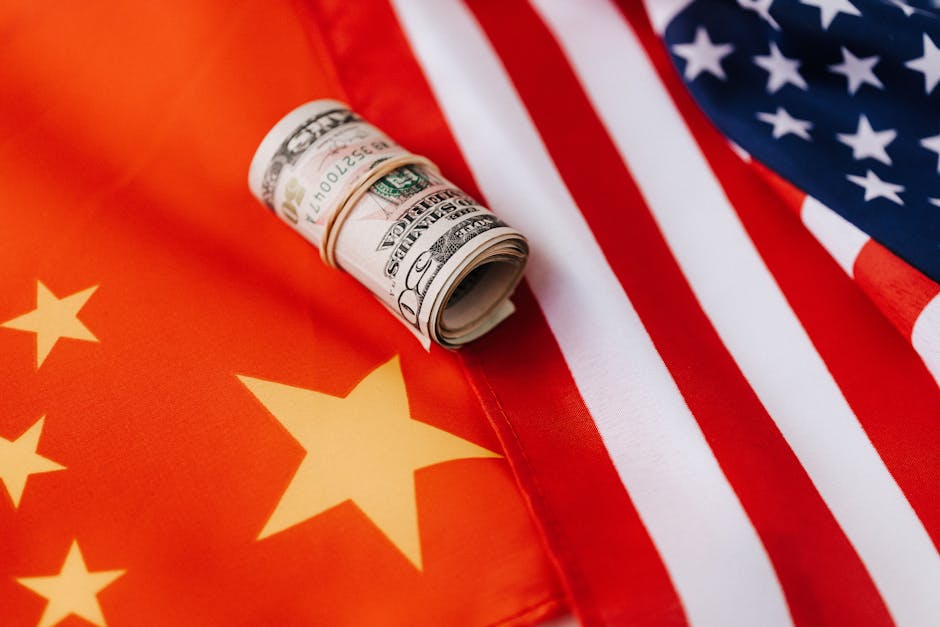
The Chinese yuan (CNY) has experienced a notable depreciation, hitting a two-year low against a basket of major trading partners’ currencies. This decline is directly attributable to the lingering uncertainties following a recent call between Chinese President Xi Jinping and U.S. President Donald Trump. While the conversation aimed to de-escalate escalating trade tensions, it ultimately left key outstanding issues unresolved, dampening investor sentiment and prompting a reassessment of China’s economic outlook and its currency’s value. The yuan’s weakening trajectory reflects a broader trend of currency adjustments in emerging markets facing trade disputes and a generally uncertain global economic environment.

The immediate catalyst for the yuan’s slip can be traced to the market’s interpretation of the Trump-Xi call. While both leaders expressed a desire to find a path forward, the lack of concrete breakthroughs on critical trade irritants, such as intellectual property theft, forced technology transfers, and market access, has left a void filled with speculation and apprehension. Investors, particularly those with significant exposure to Chinese assets, view these unresolved issues as persistent headwinds that could continue to weigh on China’s export-oriented economy. A weaker yuan can, in theory, make Chinese exports cheaper for foreign buyers, thereby providing a potential competitive advantage in the global marketplace. However, this benefit is often offset by the negative implications of capital flight, increased import costs, and a general erosion of confidence in the long-term stability of the Chinese economy. The People’s Bank of China (PBOC) has historically managed the yuan’s exchange rate with a degree of intervention, seeking to maintain stability and prevent sharp depreciations or appreciations that could disrupt economic growth. The current depreciation, however, appears to be at least partially tolerated, if not subtly encouraged, as a means to buffer the impact of tariffs and trade friction.

The impact of the Trump-Xi call on the yuan’s valuation is multi-faceted. Firstly, the lack of a definitive trade deal or a clear roadmap towards one emboldens the perception of ongoing trade warfare. This uncertainty creates a risk premium for Chinese assets, including the yuan. Foreign investors, often risk-averse, tend to pull capital out of economies perceived as having higher risks, leading to selling pressure on the yuan. Secondly, the call’s outcome has likely influenced expectations regarding future trade policy. If the U.S. administration signals a continued commitment to aggressive trade tactics, the pressure on China to devalue its currency to remain competitive will persist. This creates a self-fulfilling prophecy, where anticipation of further depreciation leads to actual selling of the yuan. Thirdly, the yuan’s performance is not solely determined by its direct bilateral relationship with the U.S. dollar. It is also influenced by its basket of trading partners’ currencies, as indicated by the yuan hitting a two-year low against a broader peer group. This suggests that other major economies are also experiencing currency movements influenced by their own trade dynamics and global economic sentiment, and the yuan’s depreciation is occurring within this wider context.

From a macroeconomic perspective, the yuan’s depreciation can be viewed through the lens of China’s broader economic strategy. In the face of external pressures, a weaker currency can serve as an automatic stabilizer. It can help to offset the negative impact of tariffs by making Chinese goods more affordable abroad, thereby supporting export volumes. This can be crucial for an economy that relies heavily on exports for growth and employment. However, this strategy is not without its risks. A sustained and sharp depreciation of the yuan could trigger concerns about a currency war, leading to retaliatory devaluations by other countries and further exacerbating global trade tensions. Moreover, a weaker yuan increases the cost of imports for Chinese consumers and businesses, potentially leading to higher inflation and reduced purchasing power. For companies that rely on imported raw materials or components, a weaker yuan translates to higher production costs, which can erode profit margins.

The PBOC’s role in managing the yuan’s exchange rate is critical in this environment. While the central bank has shown a willingness to allow for greater flexibility in the yuan’s movements, it also aims to prevent excessive volatility. The current depreciation suggests that the PBOC is allowing the market forces, driven by trade uncertainties, to exert their influence, but likely with an eye on preventing any disorderly decline. The central bank may intervene in the foreign exchange market if it deems the depreciation to be too rapid or detrimental to financial stability. The tools at its disposal include direct intervention, adjusting reserve requirements for banks, and influencing interest rates. The market will closely monitor the PBOC’s actions and pronouncements for clues about its future policy direction regarding the yuan.

The implications of a weaker yuan extend beyond trade. For foreign direct investment (FDI) in China, a depreciating currency can make existing investments less attractive in dollar terms. However, it can also make new investments in China relatively cheaper for foreign companies, potentially attracting capital if the underlying economic fundamentals remain strong. Conversely, for Chinese companies looking to invest abroad, a weaker yuan makes overseas acquisitions and investments more expensive. This can impact China’s outward investment flows and its global expansion plans.

The broader global economic context also plays a significant role. Many emerging market currencies have been under pressure due to similar factors, including trade protectionism, rising global interest rates, and slowing global growth. The yuan’s depreciation, therefore, is not an isolated event but part of a larger trend. However, China’s sheer size and its central role in global supply chains mean that its currency movements have a disproportionate impact on the world economy. Any significant and prolonged weakening of the yuan could have ripple effects across various economies, influencing commodity prices, inflation rates, and investment flows globally.

Looking ahead, the trajectory of the yuan will be heavily influenced by the ongoing trade negotiations between China and the United States. Any positive developments, such as a meaningful de-escalation of trade tensions or a concrete trade agreement, could lead to a strengthening of the yuan. Conversely, continued hostility and further imposition of tariffs would likely exert downward pressure on the currency. Investor sentiment will remain a key driver, with confidence in China’s economic resilience and its ability to navigate trade challenges being paramount. Furthermore, domestic economic factors within China, such as its GDP growth, inflation rate, and monetary policy stance, will also play a crucial role in determining the yuan’s value. The market will be intently watching for any signals from the PBOC regarding its tolerance for further depreciation and its commitment to currency stability. The current slip to a two-year low serves as a clear indicator that the unresolved issues from the Trump-Xi call have created a climate of uncertainty that is directly impacting the value of China’s currency.

The sustained pressure on the yuan also raises questions about China’s long-term economic model. As the country seeks to transition towards a more consumption-driven economy, an over-reliance on currency devaluation to boost exports might be seen as a short-term fix that hinders the broader strategic goals. The international community will be observing whether China can successfully rebalance its economy and reduce its dependence on export-led growth, especially in the face of increasing global trade protectionism. The yuan’s performance is thus a barometer not only of the immediate trade situation but also of China’s broader economic adaptation and its role in the global economic order. The market’s reaction following the Trump-Xi call underscores the interconnectedness of geopolitical developments and currency markets, highlighting how unresolved bilateral issues can translate into tangible economic consequences.

Canadian Wildfire Smoke Spreads Into Us Midwest

0

Canadian Wildfire Smoke Engulfs U.S. Midwest: A Comprehensive Look at the Spreading Air Quality Crisis

The persistent and widespread Canadian wildfires have unleashed a concerning plume of smoke that has now settled over the U.S. Midwest, significantly degrading air quality across multiple states. This aerial assault, driven by prevailing wind patterns originating from the north, is not a fleeting phenomenon but an ongoing environmental and public health challenge. Residents from states like Minnesota, Wisconsin, Michigan, Illinois, Indiana, and Ohio are experiencing hazy skies, reduced visibility, and critically, elevated levels of fine particulate matter (PM2.5), a primary component of wildfire smoke. The immediate and long-term implications of this widespread smoke intrusion demand a detailed examination, encompassing the sources of the fires, the atmospheric mechanisms driving smoke transport, the specific health risks associated with inhaling wildfire smoke, and the multifaceted impacts on communities and ecosystems. Understanding the intricacies of this event is crucial for effective mitigation, public preparedness, and future wildfire management strategies.

The genesis of this aerial crisis lies in the unprecedented scale and intensity of wildfires currently raging across vast tracts of Canada, particularly in its western and central provinces. Regions such as Alberta, British Columbia, Manitoba, and Saskatchewan have been battling hundreds of active fires, many of which are burning out of control. These fires are fueled by a confluence of factors, including prolonged drought conditions, record-breaking high temperatures, and lightning strikes. The dry, parched vegetation acts as tinder, allowing fires to ignite easily and spread with alarming rapidity. The sheer size of these blazes generates immense quantities of smoke, lofting it high into the atmosphere where it can be carried long distances by prevailing weather systems. The frequency and severity of these megafires are increasingly linked to the broader impacts of climate change, which is exacerbating hot and dry conditions conducive to wildfire ignition and propagation.

Atmospheric science plays a pivotal role in understanding how smoke from Canada reaches the U.S. Midwest. The jet stream, a high-altitude current of air that flows from west to east around the globe, acts as the primary conveyor belt for this airborne pollution. In this instance, a dip or trough in the jet stream positioned over northwestern Canada has been effectively drawing smoke northward and then directing it southeastward across the border into the United States. Local wind patterns at lower altitudes further contribute to the surface-level distribution of the smoke. When these smoke plumes descend from the upper atmosphere, they mingle with ambient air, significantly increasing the concentration of pollutants at ground level. The duration of this event is dictated by the persistence of these wind patterns and the ongoing activity of the Canadian wildfires. As long as fires continue to burn and the jet stream remains in this configuration, the Midwest can expect continued exposure to smoke.

The health implications of inhaling wildfire smoke are a paramount concern. Wildfire smoke is a complex mixture of gases and particulate matter, with fine particulate matter (PM2.5) being the most dangerous component. These particles are less than 2.5 micrometers in diameter, roughly 30 times smaller than the width of a human hair, allowing them to penetrate deep into the lungs and even enter the bloodstream. Exposure to elevated levels of PM2.5 can trigger a range of adverse health effects, from immediate respiratory irritation to more severe and chronic conditions. Symptoms commonly experienced include coughing, wheezing, shortness of breath, sore throat, and eye irritation. Individuals with pre-existing respiratory conditions such as asthma, chronic obstructive pulmonary disease (COPD), and emphysema are particularly vulnerable and may experience exacerbated symptoms, leading to increased hospitalizations and emergency room visits. Cardiovascular health can also be impacted, with studies suggesting a link between wildfire smoke exposure and increased risk of heart attacks and strokes. Children and the elderly are also more susceptible due to their developing or compromised immune and respiratory systems, respectively. The long-term effects of repeated or prolonged exposure to wildfire smoke are still being studied, but concerns include potential links to lung cancer and other chronic respiratory diseases.

Beyond direct health impacts, the spreading Canadian wildfire smoke has tangible consequences for communities in the U.S. Midwest. Reduced visibility due to smoke haze poses significant safety hazards, particularly for aviation and ground transportation. Flights may be delayed or canceled, and drivers may need to exercise extreme caution on roadways. Economic activities can also be affected. Outdoor recreation, a significant contributor to local economies in many Midwestern states, can be curtailed, leading to losses for businesses that rely on tourism and outdoor activities. Events like concerts, sporting matches, and outdoor festivals may be postponed or canceled. Air conditioning systems in homes and businesses are working overtime to filter the air, potentially leading to increased energy consumption and utility bills. Furthermore, the aesthetic impact of a smoky sky can affect the general well-being and mood of residents, contributing to a sense of unease and disruption to daily routines.

The environmental repercussions of this smoke event are also noteworthy. While the immediate focus is often on human health, ecosystems can also be affected. Airborne particulate matter can deposit on surfaces, including vegetation and water bodies, potentially altering soil chemistry and water quality. Acid rain, although not directly caused by wildfire smoke alone, can be exacerbated by the presence of certain gases released by fires. The reduced sunlight reaching the ground due to the smoke layer can also temporarily impact photosynthesis in plants. While the Midwest is not experiencing the direct burning of forests, the long-range transport of smoke signifies a broader environmental connection and the far-reaching consequences of large-scale ecological events.

Mitigation and adaptation strategies are crucial for managing the impacts of this ongoing wildfire smoke event. Public health advisories and air quality alerts are vital tools for informing residents about current conditions and recommended precautions. These advisories often include guidance on limiting outdoor activities, especially for vulnerable populations, and using high-efficiency particulate air (HEPA) filters indoors. The use of N95 respirators or similar masks is recommended for individuals who must be outdoors for extended periods. Public health officials also emphasize the importance of staying informed through official channels, as air quality can fluctuate rapidly.

For communities, proactive measures can include developing robust air quality monitoring networks and ensuring that public health infrastructure is prepared to handle an increase in respiratory-related health issues. Businesses and individuals can invest in air purifiers for indoor spaces to create cleaner air environments. Urban planning and policy can also play a role in the long term, considering strategies to reduce urban heat island effects and promote green spaces, which can help mitigate the severity of future air quality issues, though they are not a direct solution to transboundary smoke events.

The role of technology in tracking and predicting smoke plumes is increasingly sophisticated. Advanced meteorological models and satellite imagery allow scientists to forecast the movement and concentration of wildfire smoke with greater accuracy. This information is invaluable for issuing timely warnings and enabling targeted public health interventions. Data from ground-level air quality monitors provides real-time measurements of pollutant levels, offering a granular understanding of the smoke’s impact on specific areas.

Looking ahead, the recurring nature of these large-scale wildfire events, amplified by climate change, necessitates a long-term perspective. Strategies for wildfire prevention and management in Canada are critical for reducing the source of these smoke plumes. This includes investing in forest management practices, early detection systems, and adequate firefighting resources. International cooperation between Canada and the United States on data sharing, research, and coordinated response efforts is essential. Public education campaigns about the risks of wildfire smoke and the importance of climate action are also vital for fostering a collective understanding and commitment to addressing the root causes of increased wildfire activity. The current situation in the U.S. Midwest serves as a stark reminder of the interconnectedness of environmental challenges and the profound impact that events occurring thousands of miles away can have on our daily lives and public health. The continued monitoring, adaptation, and proactive management of wildfire smoke events will be a defining challenge for the coming years.

Wall Street Futures Subdued Us China Trade Talks Grab Focus

0

Wall Street Futures Subdued as US-China Trade Talks Grab Focus

Wall Street futures experienced a subdued trading session as investors cautiously awaited further developments from ongoing US-China trade negotiations. The primary driver of this cautious sentiment was the realization that while progress has been made, a definitive resolution remains elusive, creating an environment of uncertainty that tempers bullish enthusiasm. Market participants are hyper-focused on the rhetoric emanating from both Washington and Beijing, dissecting every utterance for clues about the trajectory of bilateral relations and, by extension, the global economic outlook. The delicate balance between optimism for a potential deal and the lingering specter of escalating trade tensions has created a palpable hesitancy across major indices, preventing any significant upward momentum from taking hold. This period of watchful waiting is characterized by a tactical approach to trading, where short-term fluctuations are being closely monitored, and long-term investment decisions are being deferred until greater clarity emerges from the high-stakes discussions. The implications of these trade talks extend far beyond the financial markets, impacting supply chains, manufacturing sectors, and consumer confidence worldwide. Therefore, the subdued nature of Wall Street futures is a direct reflection of the market’s collective assessment of the current geopolitical and economic landscape, where the outcome of US-China trade negotiations is the paramount variable.

The current subdued state of Wall Street futures is a direct consequence of the intricate and often opaque nature of the US-China trade negotiations. While both sides have publicly expressed a desire for a resolution, the specifics of any potential agreement remain a subject of intense speculation and scrutiny. This lack of concrete detail breeds an inherent uncertainty that is antithetical to aggressive market rallies. Investors, mindful of past pronouncements and subsequent policy shifts, are exercising a high degree of caution. The history of these negotiations is punctuated by periods of apparent breakthrough followed by renewed friction, creating a cyclical pattern of hope and disappointment. This historical context naturally inclines market participants towards a defensive posture. The emphasis is not on making bold bets but rather on preserving capital and waiting for a clearer signal. This often translates into reduced trading volumes and a preference for defensive sectors within the equity market, such as utilities and consumer staples, which are perceived as less vulnerable to trade-related disruptions. The performance of these sectors, when compared to more cyclical or growth-oriented industries, can serve as a barometer of the broader market’s risk appetite. The subdued futures are, therefore, a manifestation of this risk-averse sentiment, a quiet hum of apprehension beneath the surface of daily market movements. The potential for tariffs to be reimposed or escalated, even in the face of optimistic pronouncements, remains a significant overhang. This duality – the aspiration for a deal versus the ever-present possibility of further conflict – is the central tension driving the current market dynamics.

A key factor contributing to the subdued sentiment surrounding Wall Street futures is the evolving nature of the trade dispute, which has broadened beyond simple tariff imposition. Initially conceived as a tool to address trade imbalances, the US-China trade conflict has morphed into a more complex geopolitical struggle, encompassing issues such as intellectual property theft, technology transfer, currency manipulation, and national security concerns. This expansion of the conflict’s scope makes a comprehensive and lasting resolution significantly more challenging. Each of these dimensions carries its own set of intricate challenges and potential sticking points, demanding a delicate balancing act from negotiators. For instance, demands for stricter intellectual property protections resonate deeply with Western businesses, while allegations of forced technology transfer are viewed as foundational to China’s economic development strategy. Similarly, concerns about cybersecurity and the dominance of Chinese technology firms like Huawei have introduced a national security dimension that is proving particularly difficult to navigate. The interconnectedness of these issues means that progress in one area does not automatically guarantee progress in another. Conversely, a setback in one domain can have ripple effects across the entire negotiation process. This complexity means that the path to a comprehensive trade deal is not a straight line but rather a winding and unpredictable journey. Consequently, investors are wary of declaring victory prematurely, understanding that the underlying complexities can easily reignite tensions. The subdued futures reflect this sober assessment of the multifaceted nature of the challenges at hand.

Furthermore, the economic implications of the prolonged US-China trade dispute are becoming increasingly apparent and are directly impacting investor confidence. The imposition of tariffs has led to increased costs for businesses that rely on imported components or export their goods to the opposing market. This has, in turn, squeezed profit margins and, in some instances, necessitated price increases for consumers, contributing to inflationary pressures. Supply chains, meticulously built over decades to optimize efficiency, have been disrupted, forcing companies to re-evaluate their sourcing strategies and explore alternatives, a process that is both time-consuming and expensive. This supply chain recalibration, while potentially leading to greater resilience in the long run, introduces short-term inefficiencies and costs. For businesses operating globally, the uncertainty surrounding future trade policies makes long-term planning exceedingly difficult. Investment decisions, particularly those involving significant capital outlays, are being postponed or scaled back due to the unpredictable trade environment. This hesitation to invest can have a chilling effect on economic growth, as businesses become more risk-averse. The subdued performance of Wall Street futures is a clear indicator that the market is pricing in these economic headwinds. The collective sentiment is one of caution, as investors digest the tangible and intangible costs associated with an ongoing trade war. The potential for these economic disruptions to deepen and spread to other sectors or regions further amplifies investor anxiety.

The domestic political landscape in both the United States and China also plays a significant role in shaping the trajectory of the trade talks and, consequently, the sentiment on Wall Street. In the US, the administration’s approach to trade negotiations is often influenced by domestic political considerations, including the upcoming election cycle. The desire to project strength and protect American industries can lead to a more hawkish stance, while the need to avoid economic downturns that could impact voter sentiment can encourage a more conciliatory approach. This internal political calculus adds another layer of complexity to the negotiations, as concessions may be perceived differently by various domestic constituencies. Similarly, in China, the government’s response to trade pressure is often framed within the context of maintaining social stability and national pride. Any perception of capitulation to foreign demands could undermine the Communist Party’s legitimacy. Therefore, both sides are often constrained by their domestic political realities, making a straightforward agreement more difficult to achieve. This interplay of international negotiation and domestic politics creates an environment where public pronouncements and private discussions may not always align, further contributing to market uncertainty. The subdued Wall Street futures reflect an awareness of these political undercurrents, where strategic posturing and domestic imperatives can often override purely economic considerations. Investors are acutely aware that the outcome of these talks is not solely determined by economic logic but is also deeply intertwined with the political agendas of the involved nations.

The role of technology in the US-China trade dispute cannot be overstated and represents a particularly contentious area that is dampening market optimism. The US has voiced significant concerns regarding China’s alleged intellectual property theft and the transfer of advanced technologies, while also expressing anxieties about the national security implications of Chinese technology companies’ global expansion. This has led to measures such as export controls and restrictions on companies like Huawei, impacting the operations of both American and Chinese technology firms. The battle for technological supremacy is a defining feature of this trade conflict, and its resolution is proving to be exceptionally difficult. For instance, the widespread adoption of 5G technology is viewed as a critical national infrastructure, and the competition to lead in this area has become a geopolitical flashpoint. The restrictions placed on Chinese tech giants not only affect their revenue streams but also create uncertainty for their global partners and suppliers. Similarly, American technology companies that rely on access to the Chinese market or supply chains are facing significant headwinds. This technological dimension of the trade war introduces a complex web of interlocking dependencies and strategic considerations that are not easily disentangled. The subdued nature of Wall Street futures is a direct reflection of the market’s concern that this technological arms race could lead to further decoupling and a fragmented global technology ecosystem, with significant economic repercussions for all involved. The potential for retaliatory measures in the technology sector adds another layer of risk that investors are factoring into their assessments.

The global economic outlook is intrinsically linked to the outcome of the US-China trade negotiations, and the persistent uncertainty is contributing to a broader slowdown in global growth. As the two largest economies in the world, their trade relationship has a profound impact on global trade volumes, investment flows, and commodity prices. The prolonged trade dispute has created a drag on global economic activity, as businesses and consumers alike adopt a wait-and-see approach. This hesitancy to invest and spend can have a domino effect, impacting economies that are heavily reliant on exports to either the US or China. International organizations such as the International Monetary Fund (IMF) and the World Bank have repeatedly warned about the adverse effects of trade protectionism on global growth prospects. The subdued performance of Wall Street futures can be seen as a reflection of this wider global economic concern. Investors are not only assessing the impact on the US economy but also on the interconnected global financial system. The potential for trade tensions to escalate and spill over into other areas, such as currency markets or international debt, further exacerbates these concerns. Therefore, the subdued futures are not merely a reflection of US-specific anxieties but also a broader acknowledgment of the interconnectedness of the global economy and the significant downside risks posed by an unresolved trade conflict between two of its major players.

Looking ahead, the focus remains squarely on the ongoing dialogue between the US and China. Investors will be scrutinizing any official statements from both sides for signs of genuine progress or renewed friction. Key indicators to watch include any indications of tariff rollbacks, a commitment to intellectual property protection, and a framework for resolving future trade disputes. The market’s reaction will likely be volatile, with any positive developments potentially leading to a short-term rally, while any setbacks could trigger further selling pressure. The subdued nature of Wall Street futures is likely to persist as long as the outcome of these negotiations remains uncertain. The market’s appetite for risk will be closely tied to the perceived likelihood of a comprehensive and durable trade agreement. Until then, a cautious and defensive approach to investing is likely to prevail, with investors prioritizing capital preservation and seeking out assets that are less exposed to the direct or indirect impacts of the US-China trade dispute. The ongoing focus on these trade talks underscores their paramount importance in shaping the current economic and financial landscape, and their resolution will be a pivotal factor in determining the trajectory of global markets in the coming months and years. The subdued futures are a testament to the weight of this singular issue.

Canker Sores How To Treat Prevent

0

Canker Sore Relief: Understanding Causes, Effective Treatments, and Prevention Strategies

Canker sores, medically known as aphthous ulcers, are common, painful lesions that appear inside the mouth. They can significantly impact eating, drinking, and speaking, causing considerable discomfort. Understanding their triggers, exploring effective treatment options, and implementing preventative measures are crucial for managing and minimizing their occurrence. This comprehensive guide delves into the multifaceted nature of canker sores, providing actionable advice for relief and prevention.

The exact cause of canker sores remains somewhat elusive, but a combination of factors is believed to contribute to their development. Genetic predisposition plays a role, with individuals whose family members experience canker sores being more susceptible. Trauma to the oral mucosa is a primary trigger. This can include accidental biting of the cheek or tongue, irritation from sharp edges of teeth or dental appliances, aggressive tooth brushing, or even ill-fitting dentures. Nutritional deficiencies are also strongly implicated. A lack of essential vitamins and minerals, particularly vitamin B12, iron, zinc, and folate, can compromise the immune system’s ability to maintain healthy oral tissues, making them more prone to ulceration. Food sensitivities or allergies are another significant contributing factor. Certain foods are known to trigger canker sores in susceptible individuals. Common culprits include acidic foods like citrus fruits, tomatoes, and pineapples; spicy foods; and foods containing gluten or cinnamon. Hormonal fluctuations, particularly in women, can also influence canker sore development. Changes in estrogen and progesterone levels during menstruation, pregnancy, or menopause can affect the oral mucosa’s susceptibility. Stress and anxiety are powerful immune modulators. When the body is under stress, it can lead to a weakened immune response, making individuals more vulnerable to developing canker sores. Certain medical conditions are also associated with an increased incidence of aphthous ulcers. These include inflammatory bowel diseases like Crohn’s disease and ulcerative colitis, celiac disease, Behçet’s disease, and immune deficiencies such as HIV/AIDS. Allergies to ingredients in oral hygiene products, such as sodium lauryl sulfate (SLS) found in many toothpastes and mouthwashes, can also act as a trigger.

Diagnosing canker sores is typically straightforward and based on their characteristic appearance and location. They are usually small, round or oval ulcers with a white or yellowish center and a red, inflamed border. They typically appear on the non-keratinized surfaces of the mouth, such as the inside of the lips, cheeks, under the tongue, and on the soft palate. Unlike cold sores, which are caused by the herpes simplex virus and appear on the external surfaces of the lips, canker sores are not contagious. A healthcare professional, such as a dentist or physician, can confirm the diagnosis and rule out other oral conditions that might present with similar symptoms. In recurrent or severe cases, further investigation may be warranted to identify underlying systemic causes.

Treatment for canker sores focuses on alleviating pain, promoting healing, and preventing secondary infections. The duration of canker sores typically ranges from one to two weeks, but with appropriate management, discomfort can be significantly reduced. Over-the-counter (OTC) topical treatments are the first line of defense for symptom relief. These include:

  • Topical Anesthetics: Gels, liquids, or pastes containing lidocaine or benzocaine can numb the affected area, providing temporary pain relief and making eating and drinking more comfortable. Examples include Orabase, Orajel, and Anbesol. Application should follow package instructions to avoid overuse.
  • Protective Pastes and Gels: These create a barrier over the sore, protecting it from irritation and promoting healing. Ingredients like carboxymethylcellulose or polyvinylpyrrolidone are common.
  • Antiseptic Mouthwashes: While not directly healing, antiseptic mouthwashes can help prevent secondary bacterial infections, which can prolong healing. Chlorhexidine gluconate is a common active ingredient in prescription-strength antiseptic mouthwashes, while some OTC options contain ingredients like hydrogen peroxide or essential oils. Diluted hydrogen peroxide (one part 3% hydrogen peroxide to one part water) can be used as a temporary rinse to cleanse the area and promote healing.

Prescription-strength treatments may be necessary for more severe or persistent canker sores:

  • Topical Corticosteroids: These prescription creams, ointments, or pastes reduce inflammation and accelerate healing. Examples include triamcinolone acetonide or fluocinonide. They are typically applied directly to the sore several times a day.
  • Systemic Medications: In rare, severe, or recurrent cases, a physician may prescribe oral corticosteroids or other immunomodulatory agents to suppress the immune response and reduce inflammation. This is usually a last resort due to potential side effects.
  • Colchicine: This medication is sometimes prescribed for severe aphthous stomatitis, particularly when associated with Behçet’s disease.

Home remedies and self-care measures can also contribute to pain relief and healing:

  • Saltwater Rinses: Dissolving half a teaspoon of salt in a glass of warm water and rinsing the mouth several times a day can help keep the area clean and reduce inflammation.
  • Baking Soda Paste: A paste made from baking soda and a small amount of water can be applied to the sore to help neutralize acid and reduce pain.
  • Ice Packs: Applying a cold compress or sucking on ice chips can numb the area and reduce swelling.
  • Dietary Modifications: Avoiding trigger foods (acidic, spicy, or rough-textured foods) can prevent further irritation and pain. Opt for softer, blander foods.

Preventing canker sores involves identifying and minimizing individual triggers. This is often an ongoing process of observation and adjustment.

  • Maintain Optimal Nutrition: Ensuring adequate intake of B vitamins (B12, folate), iron, and zinc is crucial. A balanced diet rich in fruits, vegetables, and whole grains is recommended. If deficiencies are suspected, consult a healthcare provider for blood tests and potential supplementation. Regular intake of foods rich in vitamin B12, such as meat, fish, poultry, dairy products, and fortified cereals, is important. Folic acid is abundant in leafy green vegetables, legumes, and fortified grains. Iron can be obtained from red meat, beans, and spinach. Zinc is found in oysters, red meat, poultry, and beans.
  • Practice Good Oral Hygiene: Brush teeth gently with a soft-bristled toothbrush and a mild, SLS-free toothpaste. Avoid aggressive brushing or flossing that can cause trauma to the oral mucosa. Regular dental check-ups are important to address any dental issues that might contribute to irritation, such as sharp teeth or poorly fitting dental appliances.
  • Identify and Avoid Food Triggers: Keep a food diary to track potential food sensitivities or allergies that might be linked to canker sore outbreaks. Common triggers include citrus fruits, tomatoes, chocolate, coffee, nuts, and spicy foods. Once identified, consciously avoid these foods.
  • Manage Stress Effectively: Implement stress-reduction techniques such as meditation, yoga, deep breathing exercises, or regular physical activity. Prioritizing sleep and engaging in enjoyable hobbies can also help mitigate stress levels. Chronic stress weakens the immune system, making the body more susceptible to various ailments, including canker sores.
  • Avoid Oral Trauma: Be mindful of accidental biting of the cheeks or tongue. If you wear dentures or orthodontic appliances, ensure they fit properly and do not cause irritation. Report any discomfort to your dentist immediately. Chewing gum, especially if it contains artificial sweeteners or flavorings that might be triggers, should be approached with caution.
  • Consider SLS-Free Oral Hygiene Products: If you suspect sensitivity to sodium lauryl sulfate (SLS), switch to toothpastes and mouthwashes that are formulated without this ingredient. Many brands now offer SLS-free options, which can significantly reduce oral irritation for sensitive individuals.
  • Maintain a Healthy Immune System: A robust immune system is the body’s best defense. This is achieved through a balanced diet, adequate sleep, regular exercise, and avoiding excessive alcohol consumption and smoking. Conditions that compromise the immune system, such as chronic illnesses, should be managed under medical supervision.

In conclusion, canker sores are a common yet bothersome oral condition. While their precise etiology is complex, a combination of genetic factors, trauma, nutritional deficiencies, food sensitivities, hormonal changes, stress, and underlying medical conditions contributes to their development. Effective management involves a multi-pronged approach encompassing pain relief, accelerated healing through topical and, in some cases, systemic treatments, and proactive prevention strategies. By understanding individual triggers, adopting good oral hygiene practices, maintaining a healthy lifestyle, and seeking professional guidance when necessary, individuals can significantly reduce the frequency and severity of canker sore outbreaks, thereby improving their overall oral health and quality of life. Early identification of triggers and consistent application of preventive measures are key to long-term relief.

The Uncanny Resurgence of 2010s Scandals: Lena Dunham’s ‘Famesick’ and the Jack Antonoff-Lorde Conspiracy Revisited

In an era defined by rapid technological leaps, from the pervasive integration of artificial intelligence into daily life to ambitious lunar missions like Artemis II, a peculiar cultural phenomenon persists: a pervasive yearning for the recent past. This nostalgic current manifests in various forms, from the revival of 2010s hipster aesthetics and the proliferation of Avatar: The Last Airbender fan edits on social media feeds, to the concerning re-emergence of "thinspo" content and the idolization of skeletal celebrity physiques. Yet, perhaps the most striking embodiment of this cultural time warp is the unexpected re-ignition of interest in the complicated romantic entanglements of actor, writer, and director Lena Dunham and musician Jack Antonoff, particularly in connection with pop star Lorde. This decade-old narrative, once a niche online conspiracy, has been propelled back into the mainstream consciousness by the recent publication of Dunham’s memoir, Famesick.

The Catalyst: Lena Dunham’s ‘Famesick’ and its Revelations

Lena Dunham’s latest literary offering, Famesick, has proven to be an unexpected detonator for long-dormant online discussions. The memoir, which offers an intimate and often unvarnished account of Dunham’s life, delves into the intricacies of her relationship with Jack Antonoff, the frontman of Bleachers and a highly sought-after producer known for his collaborations with a roster of prominent female artists. Dunham and Antonoff were a prominent "it couple" from 2012 to 2016, their relationship often chronicled in the media as a quintessential representation of the era’s indie-celebrity aesthetic.

Within the pages of Famesick, Dunham candidly details the emotional complexities and eventual dissolution of their four-year partnership. Crucially, she recounts an emotionally fraught dynamic involving Antonoff and a "teen pop star," a description the internet has universally interpreted as referring to Lorde, given the historical context of fan theories. Dunham describes how this young artist and Antonoff spent "hours ensconced together," a closeness that evidently caused significant distress. A particularly poignant detail involves the pop star affectionately referring to Dunham as "Aunt Lena" during a period when Dunham was using a walker due to chronic illness.

The most provocative excerpt, however, details a scene where the star was "sprawled across our sectional couch, weeping into Jack’s lap as he told her that ‘your teens are for experimenting’ in a tone so comforting, it almost brought tears to my eyes." Dunham then adds a devastating observation: "It had been so long since he’d spoken to me with that kind of expansive generosity." This passage, read by many as an implicit confirmation of emotional infidelity or an inappropriate closeness, reignited the speculative fires that had simmered for years. Dunham further complicated the narrative by admitting her own act of infidelity during this tumultuous period, confessing to cheating on Antonoff when the emotional strain became unbearable. This admission added another layer of complexity, prompting online debates about who, if anyone, was the primary "victim" in this convoluted emotional triangle.

A Decade-Old Enigma: The Jack Antonoff-Lorde PowerPoint

The roots of the current online frenzy stretch back to 2017, following the release of Lorde’s critically acclaimed album Melodrama. It was during this period that a former Twitter user, operating under the handle @buzzkillary, compiled a now-infamous 29-slide PowerPoint presentation. This digital dossier meticulously outlined a theory alleging a romantic relationship between Lorde and Antonoff, asserting that several songs on Melodrama, most notably the breakout hit "Green Light," were secretly about him.

The PowerPoint quickly gained traction within specific fan communities and niche online forums, becoming a cornerstone of pop culture lore. Its initial virality was a testament to the burgeoning power of online "sleuthing" and the dedicated, often obsessive, nature of fandoms. While dismissed by many as mere speculation, the document served as a persistent undercurrent in discussions surrounding Antonoff’s collaborations and Lorde’s artistic inspirations. For years, it lay relatively dormant, resurfacing only sporadically in response to new celebrity news, such as Antonoff’s high-profile marriage to actor Margaret Qualley or Lorde’s anticipated 2025 album Virgin. Dunham’s Famesick, however, has now wrenched this conspiracy from the shadows, giving it unprecedented mainstream visibility and, for many, an undeniable air of validation.

The Principal Figures: Careers and Context

To fully grasp the magnitude of this rekindled controversy, it is essential to understand the careers and public personas of the individuals at its center.

Lena Dunham: Rising to prominence with her HBO series Girls (2012-2017), Lena Dunham became a defining voice for a generation, lauded for her unflinching portrayal of millennial womanhood, sexuality, and urban life. Her work, characterized by its raw honesty and often polarizing themes, garnered critical acclaim but also positioned her as a frequent subject of public scrutiny and controversy. From accusations of nepotism to ill-received comments and perceived missteps, Dunham has navigated a career constantly under the microscope. Her memoir, Famesick, is not her first foray into autobiographical writing; her 2014 collection of essays, Not That Kind of Girl, also offered candid insights into her personal life. Throughout her career, Dunham has consistently pushed boundaries, often inviting intense debate about art, privilege, and celebrity. Her public image has evolved over the years, with a growing segment of the internet acknowledging her self-awareness and willingness to confront her past missteps, a departure from the more rigid, unforgiving "Old Internet" culture.

Jack Antonoff: As the creative force behind the band Bleachers and a prolific, Grammy-winning record producer, Jack Antonoff has profoundly shaped the sound of contemporary pop music. His signature production style—often characterized by lush synths, driving percussion, and anthemic choruses—has made him a go-to collaborator for some of the biggest names in the industry. Beyond Lorde, Antonoff has worked extensively with Taylor Swift (on albums like 1989, Reputation, Folklore, Evermore, and Midnights), Lana Del Rey (*Norman F**ing Rockwell!, Did You Know That There’s a Tunnel Under Ocean Blvd), Florence + The Machine, and St. Vincent, among others. His ability to coax deeply personal and critically acclaimed work from female artists has cemented his reputation, but also, in the wake of the "PowerPoint" and now Famesick, has brought increased scrutiny to the nature of his creative relationships, particularly with younger artists. His marriage to actor Margaret Qualley in 2023 was a high-profile event, seemingly marking a new, settled chapter in his personal life, only for Dunham’s memoir to stir up past complexities.

Lorde (Ella Yelich-O’Connor): Bursting onto the scene in 2013 with her debut album Pure Heroine and the smash hit "Royals," New Zealand artist Lorde quickly established herself as a unique and profound voice in pop. Her music, known for its introspective lyrics and distinctive sound, resonated deeply with a global audience. At the time of her collaboration with Antonoff on Melodrama (released in 2017), Lorde would have been in her late teens and early twenties, making her a relatively young artist navigating the pressures of fame and artistic development. Melodrama, a concept album exploring themes of heartbreak, youth, and loneliness, was widely praised for its emotional depth and sophisticated production, much of which was co-produced by Antonoff. The album’s intense personal nature made it ripe for fan speculation regarding its lyrical inspirations, contributing significantly to the fertile ground for the "PowerPoint" theory.

The Unpacking of Revelations: Internet Reactions and Interpretations

The release of Famesick and its detailed accounts immediately ignited a furious online discourse across platforms like TikTok, X (formerly Twitter), and Tumblr. The internet, ever eager to dissect celebrity narratives, responded with a mix of fervent affirmation, renewed outrage, and retrospective analysis.

For a significant segment of online users, Dunham’s account served as unequivocal confirmation of the long-held "PowerPoint" theory. They viewed her narrative as definitive proof of an inappropriate emotional entanglement between Antonoff and Lorde, lending credibility to what was once dismissed as conspiratorial fan fiction. Sympathy for Dunham also surged, with many expressing empathy for her perceived emotional distress and the challenging circumstances of her relationship’s end. This sentiment was particularly strong among those who have followed Dunham’s career and witnessed the often vitriolic public reception she has endured since the 2010s.

The discussion quickly devolved into a familiar online pattern of comparing and contrasting perceived transgressions. Debates erupted over whose infidelity—Antonoff’s alleged emotional affair or Dunham’s confessed physical one—was "worse," and who truly deserved the label of "victim." This moralistic framing is characteristic of contemporary online judgment, where complex human relationships are often reduced to black-and-white verdicts.

The conversation also expanded to include other peripheral figures, notably Taylor Swift. As a close friend and frequent collaborator of Antonoff, some users speculated whether Swift’s own songwriting might contain veiled references or observations about the Antonoff-Dunham-Lorde dynamic, casting her as a silent observer or confidante. This speculative leap underscores the interconnectedness of modern celebrity culture and the propensity for fans to weave elaborate narratives linking various public figures.

Disturbingly, the renewed attention also resurrected some of the "Old Internet’s" more toxic tendencies. A noticeable undercurrent of cruel and gendered criticism emerged, targeting both Dunham and Lorde. Both women, who have historically been subjected to vitriolic comments regarding their appearance, art, and perceived personalities, once again became targets. They were variously labeled as "transgressors," "pitiful," or subjected to derogatory remarks about their physical attributes. In stark contrast, Antonoff, despite being central to the allegations, largely remained insulated from the same level of personal vitriol, often being presented as merely "there," a passive figure in the unfolding drama. This disparity highlights persistent gender biases in how the public perceives and judges individuals involved in celebrity scandals.

Furthermore, some users pointed out a more plausible, and perhaps more troubling, context for Lorde’s lyrical inspirations. While the "PowerPoint" focused on Antonoff, others rightfully highlighted Lorde’s previous association with Justin Warren, a Universal Music promotions director who was 17 years her senior, and with whom she was linked in 2015. This alternative perspective introduces a different lens through which to view power dynamics in the music industry, suggesting that Antonoff may not have been the sole older male figure in her life at that formative time, and that the complexities of young artists navigating relationships with older industry figures extend beyond this specific instance.

The Broader Cultural Mirror: Nostalgia and Online Sleuthing

The re-emergence of the Antonoff-Dunham-Lorde narrative is not merely a celebrity gossip cycle; it is a potent reflection of broader cultural trends. The internet’s current obsession with the 2010s, often dubbed "2016core" or "the last good year," suggests a collective longing for a perceived simpler, less complicated past, even as the present pushes the boundaries of technological advancement. This nostalgia often manifests in a desire to re-examine and re-litigate the cultural touchstones and controversies of that decade.

Online "sleuthing," once the domain of niche forums, has evolved into a mainstream cultural practice, amplified by platforms like TikTok. Users meticulously piece together timelines, analyze lyrical content, and cross-reference social media posts to construct elaborate narratives. While sometimes uncovering genuine insights, this practice also blurs the lines between fact and speculation, often fueled by parasocial relationships with celebrities. The "PowerPoint" itself is a foundational text in this genre of internet detective work, demonstrating the power of a compelling, albeit unverified, narrative to shape public perception.

Power Dynamics and Ethical Considerations

Beyond the salacious details, the controversy raises important ethical questions about power dynamics in creative industries and the public’s role in judging private lives. The relationship between a successful, older producer and a young, emerging artist inherently involves an imbalance of power. While the specific nature of Antonoff and Lorde’s relationship remains unconfirmed by either party, Dunham’s descriptions, particularly the "teens are for experimenting" quote, imply a dynamic that warrants scrutiny, especially in the context of age differences. Antonoff was 32 when Melodrama was released, while Lorde was 20.

The public’s intense focus on the emotional lives of celebrities also prompts reflection on the ethics of mass speculation. What is the ultimate goal of such fervent online theorizing? Is it a quest for "truth," a form of entertainment, or a mechanism for collective moral judgment? The disproportionate criticism directed at the women involved, contrasted with the relative leniency shown to Antonoff, also highlights persistent gender inequalities in public discourse surrounding relationships and perceived misconduct.

Dunham’s Acknowledgment and Evolving Legacy

Crucially, Lena Dunham herself has acknowledged the existence and impact of "The PowerPoint." During the press cycle for Famesick, she openly discussed the conspiracy, revealing that she had seen the presentation years ago. In a surprising admission, she stated that it was "so convincing they had me rethinking events that I myself had been present for." She even confessed to reaching out to the PowerPoint’s creator during a "low moment," underscoring the profound psychological impact that online narratives, even speculative ones, can have on public figures.

This openness about her checkered past and her willingness to engage with online phenomena like the "PowerPoint" represent a notable evolution in Dunham’s public persona. It suggests a maturation and a growing comfort with her cultural legacy, which includes both critical acclaim and significant controversy. This willingness to confront and process past events, rather than ignore or deny them, marks a distinct departure from the more defensive postures often seen in the "Old Internet" era.

Conclusion: A Cyclical Return

The resurgence of the Lena Dunham, Jack Antonoff, and Lorde narrative, catalyzed by Famesick, serves as a powerful testament to the cyclical nature of internet culture and celebrity discourse. It illustrates how past events, once relegated to niche online corners, can be reignited and recontextualized by new revelations, particularly through the unfiltered lens of a memoir. The questions that remain unanswered—what, ultimately, do we gain from theorizing about any of it online? What outcome would truly satisfy the collective internet consciousness?—underscore the complex, often unresolved, relationship between public figures, their private lives, and the insatiable appetite of the digital world.

As 2026 unfolds, and the lines between technological advancement and cultural nostalgia continue to blur, this story stands as a vivid reminder that the internet often prefers to reheat its past narratives, even down to linking to decade-old Buzzfeed articles about PowerPoint theories. The answers, or perhaps the continued speculation, about who was wronged and why, remain as elusive as ever, leaving observers to ponder the enduring power of a well-crafted conspiracy and the ever-present allure of celebrity drama.

Washington Dc Shooting Israel Embassy Jewish Museum Suspects Victims Investigation

0

Washington D.C. Security Alert: Israel Embassy, Jewish Museum Under Scrutiny Following Security Incident

Washington D.C., a city synonymous with global diplomacy and historical significance, found itself at the center of heightened security concerns following a suspicious incident near the Embassy of Israel and the nearby Jewish Museum. While authorities have been deliberately circumspect in their initial public statements, the nature of the locations involved has naturally triggered a robust investigative response and widespread public interest. The primary focus of the ongoing investigation revolves around a reported security breach or suspicious activity that prompted a swift and coordinated response from multiple law enforcement agencies. Initial reports, though unconfirmed by official sources as of this writing, suggest that the incident involved an individual or individuals exhibiting concerning behavior in close proximity to these sensitive diplomatic and cultural sites. The immediate lockdown and increased police presence in the vicinity underscore the gravity with which law enforcement is treating the situation. Understanding the nuances of the investigation requires an examination of the potential motivations, the methods employed by the perpetrators (if any), the impact on the targeted institutions, and the broader implications for security protocols in the nation’s capital.

The incident, which unfolded on [Insert Date of Incident if known, otherwise state "a recent date"], immediately drew the attention of the U.S. Secret Service, the Metropolitan Police Department of the District of Columbia (MPD), and potentially federal agencies like the FBI, given the diplomatic nature of one of the affected locations. The Embassy of Israel, a prominent symbol of international relations, and the Jewish Museum of the District of Columbia, a repository of rich cultural heritage and a focal point for the local Jewish community, are both considered high-profile targets. The proximity of these two institutions further complicates the security landscape, suggesting a potential targeting of specific communities or symbols. Early indicators pointed towards a lone individual, though investigations are often fluid and can evolve as more information surfaces. The precise nature of the "suspicious activity" remains a key element of the ongoing inquiry. Whether it involved an attempted intrusion, suspicious loitering, the presence of an unattended package, or direct threats, has not been definitively disclosed. However, the immediate and robust law enforcement response indicates a perceived threat to national security and public safety. The careful deployment of tactical units and the establishment of perimeters around the affected areas demonstrate a commitment to neutralizing any potential danger and securing the scene for thorough forensic examination.

The investigation is employing a multi-pronged approach, prioritizing the collection of physical evidence, the review of surveillance footage, and witness interviews. Law enforcement agencies are meticulously combing through the areas surrounding both the Embassy of Israel and the Jewish Museum for any discarded items, potential weapons, or other clues that might illuminate the suspect’s actions and intentions. Security camera footage from the embassy itself, the museum, and surrounding businesses is a critical component of the investigation. Analysts are working to trace the movements of individuals in the vicinity before, during, and after the reported incident, hoping to identify the suspect(s) and establish a timeline of events. Witness testimony, though often subjective, can provide invaluable insights into the suspect’s demeanor, appearance, and any audible statements made. The aim is to piece together a comprehensive narrative of the incident, moving from initial observation to a definitive understanding of what transpired. The use of advanced forensic techniques, including DNA analysis and digital forensics, may also be employed as the investigation progresses.

The potential motivations behind such an incident are a significant area of inquiry, especially given the targets involved. The Embassy of Israel inherently represents a focal point for geopolitical tensions and sentiments, both supportive and antagonistic, towards the State of Israel. Anti-Semitic sentiments, unfortunately, remain a persistent threat, and targeting a Jewish institution like the Jewish Museum could be indicative of such ideological underpinnings. Investigations often explore the suspect’s online activity, social media presence, and any known affiliations with extremist groups or ideologies. The possibility of a lone actor driven by personal grievances, mental health issues, or a combination of factors cannot be discounted. Law enforcement agencies are also considering the possibility of a wider conspiracy, though initial indications often point towards individual actions in such cases. The determination of intent is paramount, as it will shape the legal ramifications for any apprehended suspect and inform future security strategies. The classification of the incident – whether it is deemed an act of terrorism, hate crime, or a less severe offense – will depend heavily on the evidence uncovered regarding the suspect’s motivations and actions.

The immediate aftermath of the incident has seen significant disruption and concern for those connected to the affected institutions. The Embassy of Israel, a hub of diplomatic activity, would have experienced a temporary suspension of operations and enhanced security protocols. Diplomatic staff and visitors would have been subjected to heightened security measures, potentially including restricted access and increased surveillance. The Jewish Museum, a place of cultural learning and community gathering, would have also faced immediate closure, impacting scheduled events, educational programs, and public access. The psychological impact on staff, volunteers, and members of the Jewish community in D.C. is also a crucial consideration. Such incidents can foster a climate of fear and vulnerability, necessitating not only robust physical security but also emotional support and reassurance. The swift and visible response from law enforcement is intended to convey a message of safety and commitment to protecting all communities within the city.

The broader implications of this security incident extend beyond the immediate physical perimeter of the Embassy of Israel and the Jewish Museum. It serves as a stark reminder of the persistent threats facing diplomatic missions and cultural institutions globally, and particularly in a city like Washington D.C., which hosts numerous embassies and is a nexus of political and social activity. The incident will undoubtedly trigger a comprehensive review of existing security protocols for similar high-profile locations. This review may encompass enhancements to physical barriers, advancements in surveillance technology, improvements in intelligence gathering and threat assessment, and the strengthening of inter-agency cooperation. The efficacy of current security measures will be scrutinized, and recommendations for improvement will likely be developed and implemented. Furthermore, the incident may prompt a broader discussion about the underlying societal issues that contribute to such threats, including the rise of extremism and hate ideologies, and the role of educational institutions and government in combating them. The collaborative efforts between local, state, and federal law enforcement agencies are crucial in preventing future incidents.

The investigation into this security incident near the Embassy of Israel and the Jewish Museum in Washington D.C. is ongoing and complex. Authorities are committed to a thorough and transparent process, while also prioritizing the confidentiality required to ensure the integrity of their work. The identification and apprehension of any individuals responsible for creating a security threat are of paramount importance. Beyond the immediate pursuit of justice, the long-term objective is to reinforce the security infrastructure of the nation’s capital and to provide reassurance to all communities that their safety and well-being are a top priority. The collaborative efforts of various law enforcement agencies, coupled with the vigilance of the public, will be instrumental in navigating the aftermath of this event and in building a more secure future. The details of the investigation, as they become publicly available, will provide further insights into the nature of the threat and the measures taken to address it. The focus remains on ensuring the safety and security of all individuals and institutions within Washington D.C. and fostering an environment where diplomatic and cultural activities can flourish without fear. The legal ramifications for any identified perpetrators will be determined by the evidence collected and the applicable laws, with the ultimate goal of upholding justice and deterring future acts of violence or intimidation. The ongoing dialogue between security agencies, community leaders, and the public will be crucial in addressing the multifaceted challenges presented by such incidents.

Who Are Colorado Victims

0

Colorado Victims: A Spectrum of Trauma, Resilience, and the Pursuit of Justice

The term "Colorado victims" encompasses a broad and diverse population, united by the shared experience of suffering harm within the state of Colorado. This harm can manifest in countless ways, ranging from violent crimes like homicide, assault, and sexual offenses, to property crimes, domestic violence, traffic accidents, and even environmental disasters. Understanding who these victims are requires a granular examination of demographics, crime types, socio-economic factors, and the specific challenges they face in seeking recourse and healing.

The most visible and widely reported Colorado victims are often those of violent crime. This includes individuals and families affected by shootings, such as those tragically witnessed at Columbine High School, Aurora movie theater, and more recently, Boulder’s King Soopers. These events, while horrific, represent a fraction of the violent crime experienced. Homicide victims, their families, and communities grapple with profound loss and the arduous process of seeking justice through the criminal justice system. Assault victims, ranging from simple assaults to aggravated offenses, often endure physical pain, emotional distress, and financial burdens for medical treatment and lost wages. Sexual assault victims, a particularly vulnerable group, face unique challenges including the trauma of the assault itself, the potential for victim-blaming, and the often-difficult path to reporting and prosecution. The data from the Colorado Bureau of Investigation (CBI) and the FBI consistently highlights the ongoing struggle with violent crime, underscoring the prevalence of these victim experiences.

Beyond immediate violent acts, domestic violence represents a pervasive and insidious form of victimization that deeply affects a significant portion of Colorado’s population. Victims of domestic abuse, predominantly women but also including men and children, endure physical, emotional, sexual, and financial control within their own homes. The cycle of abuse can lead to severe physical injuries, chronic psychological trauma, including PTSD, anxiety, and depression, and can trap individuals in dangerous situations. Shelters and advocacy groups across Colorado, such as the Colorado Coalition Against Domestic Violence, work tirelessly to support these victims, providing safe housing, counseling, legal assistance, and a pathway to escape. The hidden nature of much domestic violence means many victims remain unidentified and unsupported, making the scope of this victimization difficult to fully quantify.

Traffic accidents, unfortunately, are a common source of victims in Colorado. Whether caused by impaired driving, distracted driving, speeding, or simple negligence, car crashes can result in serious injuries, life-altering disabilities, and fatalities. Victims and their families often face immense medical expenses, rehabilitation costs, lost income, and the emotional toll of trauma and recovery. The Colorado Department of Transportation (CDOT) tracks accident data, revealing the constant and significant impact of these events on individuals and communities across the state. Beyond the direct victims, families and friends who have lost loved ones in these accidents are also deeply affected, experiencing grief and the struggle to rebuild their lives.

The elderly population in Colorado is also a significant group of victims, facing unique vulnerabilities. Elder abuse, encompassing physical, emotional, sexual abuse, neglect, exploitation, and abandonment, is a growing concern. Financial exploitation is particularly prevalent, with seniors often targeted by scams and fraudulent schemes, leading to devastating financial losses that can jeopardize their retirement security. The Colorado Division of Adult Protection and Services plays a crucial role in investigating these allegations and providing support. Additionally, seniors can be victims of neglect in care facilities, or suffer from the consequences of falls and other accidents due to age-related vulnerabilities.

Children are inherently vulnerable and represent a tragic segment of Colorado’s victim population. Child abuse and neglect, in all its forms, leave indelible scars. This includes physical abuse, sexual abuse, emotional abuse, and neglect that deprives them of basic needs. The impacts are profound and can last a lifetime, affecting their physical and mental health, educational attainment, and their ability to form healthy relationships. Organizations like the Kempe Foundation are dedicated to preventing and treating child abuse and neglect, highlighting the critical need for intervention and support. Beyond direct abuse, children can also be victims of witnessing violent crime, experiencing parental substance abuse, or enduring the trauma of parental separation and divorce in high-conflict situations.

Colorado’s diverse population also means that specific communities can experience unique or disproportionate victimization. For instance, victims of hate crimes, fueled by prejudice based on race, religion, ethnicity, sexual orientation, or gender identity, face not only the immediate harm of the crime but also the psychological impact of being targeted for who they are. The Colorado Anti-Violence Program and other civil rights organizations work to support these victims and advocate for stronger protections. Indigenous communities in Colorado, like those in other states, have historically faced and continue to face systemic injustices and violence, and understanding the victim experiences within these communities requires acknowledging this historical context. Similarly, individuals experiencing homelessness are at a higher risk of victimization due to their precarious living situations, making them targets for theft, assault, and exploitation.

The economic impact of victimization in Colorado is substantial. Victims often incur direct financial losses through theft, property damage, and medical expenses. Indirect costs include lost wages due to injury or the need to care for a victim, as well as the long-term costs associated with mental health treatment and rehabilitation. The Colorado Victim Compensation Fund, administered by the Colorado Attorney General’s Office, aims to alleviate some of these financial burdens by providing compensation for certain expenses, but it does not cover all losses, and the application process can be challenging for those already under immense stress. Furthermore, the economic strain on families to support a victim’s recovery can be overwhelming, impacting their ability to maintain housing, pay bills, and secure basic necessities.

The psychological and emotional toll of victimization is often profound and long-lasting. Victims can suffer from a range of mental health issues, including Post-Traumatic Stress Disorder (PTSD), depression, anxiety, insomnia, and difficulty trusting others. The process of healing is often complex and requires specialized trauma-informed care, which may not always be readily accessible or affordable. The stigma associated with certain types of victimization, such as sexual assault or domestic violence, can further isolate victims and hinder their recovery. The ongoing need for mental health support, counseling services, and support groups is a critical aspect of addressing the needs of Colorado victims.

The criminal justice system presents both avenues for justice and significant challenges for victims. While the system aims to hold offenders accountable, victims often feel marginalized, unheard, or re-traumatized by the legal process. Navigating court proceedings, understanding legal jargon, and dealing with the often-slow pace of justice can be overwhelming. Victim advocates within law enforcement agencies and district attorney’s offices play a vital role in supporting victims through this process, providing information, accompaniment to court, and ensuring victims’ rights are respected. However, the resources available to these advocates are not always sufficient to meet the widespread needs. The concept of restorative justice, which seeks to involve victims, offenders, and the community in addressing the harm caused by crime, is gaining traction in Colorado as an alternative or complementary approach to traditional justice.

Environmental disasters also create victims in Colorado. Wildfires, floods, and severe weather events can lead to displacement, property loss, and significant emotional distress. Communities affected by the Marshall Fire, for example, experienced widespread destruction and the profound trauma of losing homes and livelihoods. The long-term recovery process for these victims involves not only rebuilding infrastructure but also addressing the psychological impacts of such catastrophic events. The state and local agencies, along with numerous non-profit organizations, work to provide aid and support to those affected by these natural disasters.

In conclusion, "Colorado victims" is a multifaceted designation encompassing individuals of all ages, genders, ethnicities, socio-economic backgrounds, and geographical locations who have experienced harm. Their stories are diverse, reflecting the complex tapestry of societal challenges and the inherent vulnerabilities that can lead to victimization. The common thread is the need for support, healing, and access to justice. Addressing the needs of Colorado victims requires a comprehensive, multi-pronged approach that includes robust victim services, effective law enforcement and judicial processes, accessible mental healthcare, ongoing public education to prevent crime and promote awareness, and a societal commitment to empathy and support for those who have endured trauma. Understanding the breadth and depth of victimization in Colorado is the first step towards building a safer, more just, and more compassionate state for all.

Low Turnout Set Thwart Moves Ease Italian Citizenship Rules

0

Low Turnout Sets Thwart Moves to Ease Italian Citizenship Rules

Recent proposals aimed at simplifying the process of obtaining Italian citizenship have encountered significant headwinds, largely due to consistently low voter turnout in critical referendums and legislative votes. The intricate web of Italian bureaucracy and deeply entrenched legal frameworks, designed to protect national identity and prevent mass influx, has always presented challenges for aspiring citizens. However, the persistent apathy displayed by the electorate in crucial decision-making processes regarding immigration and citizenship reform has effectively paralyzed attempts to modernize and streamline these policies. This article will delve into the specific barriers to easing Italian citizenship rules, the impact of low turnout on legislative action, the historical context of Italian citizenship law, the socioeconomic and political factors contributing to voter disengagement, and the potential future implications for both Italy and individuals seeking to become Italian citizens.

The core of the issue lies in the complex and often protracted nature of Italian citizenship acquisition. Historically, Italy has operated under a ius sanguinis (right of blood) principle, meaning citizenship is primarily inherited from one’s parents. While this principle has been a cornerstone of national identity, it has also led to a large diaspora and a complex system for descendants of Italians living abroad to claim their ancestral rights. The process for those without direct lineage, particularly through naturalization, is even more arduous, requiring significant periods of residency, demonstrable integration, and often, substantial financial resources and bureaucratic navigation. Proposals to ease these requirements, such as reducing residency periods, simplifying documentation, or expanding avenues for naturalization, have been met with resistance, not necessarily from a unified ideological opposition, but from a general inertia amplified by the lack of public engagement in the political process. When legislative votes or referendums concerning these reforms are scheduled, turnout often falls below the threshold required for legitimacy or decisiveness, leaving the status quo firmly entrenched. This phenomenon is not unique to citizenship laws, but it has a particularly pronounced effect on this area due to its sensitive nature and the potential for widespread societal impact.

The impact of low turnout on legislative action is a direct impediment to any reform agenda. In Italy, as in many democracies, significant legislative changes, particularly those with broad social implications like citizenship law, often require broad consensus or, in some cases, direct public endorsement through referendums. When a substantial portion of the electorate abstains, it creates a vacuum of democratic mandate. This lack of decisive public input allows established interests, bureaucratic inertia, and a vocal minority to exert disproportionate influence. Proponents of reform find it difficult to mobilize support and demonstrate a clear public will for change when the very mechanism for expressing that will – the vote – is underutilized. This can lead to legislative gridlock, where proposed bills languish in committees, or where any compromises reached are so diluted as to be ineffective. For those seeking Italian citizenship, this translates into continued uncertainty and the persistence of a system that is often perceived as outdated, unwieldy, and inaccessible. The "silent majority," which might otherwise support a more pragmatic approach to citizenship, is simply not participating, thereby empowering a more conservative and hesitant stance from policymakers.

The historical context of Italian citizenship law provides crucial insight into its current complexities. The ius sanguinis principle, enshrined in the 1912 Citizenship Law and reaffirmed in subsequent legislation, was designed to maintain a strong connection with the vast Italian diaspora. However, this emphasis on ancestry has inadvertently created a system that can be challenging for descendants to navigate, especially with the passage of generations and the loss of documentation. Furthermore, the law has undergone amendments, notably in 1992, which introduced some limited recognition of ius soli (right of soil) for children born to foreign parents who have resided in Italy for a specified period, and also established pathways for women to transmit citizenship to their children, a right previously limited to men. Despite these adjustments, the fundamental structure remains rooted in descent. The current debates surrounding easing rules often revolve around making naturalization more accessible for long-term residents who are deeply integrated into Italian society but lack direct Italian ancestry. However, any significant deviation from the ius sanguinis principle, or substantial expansion of naturalization pathways, requires a robust political will that is currently undermined by the electoral disengagement that prevents clear mandates for change.

Several socioeconomic and political factors contribute to the chronic low voter turnout in Italy, which in turn stifles efforts to reform citizenship laws. A pervasive sense of political disillusionment is a significant driver. Many Italians perceive the political class as detached from their concerns, prone to corruption, and ineffective in addressing pressing issues. This disillusionment can foster cynicism and a belief that voting will not lead to meaningful change, leading to a self-perpetuating cycle of abstention. Economic anxieties also play a role. Periods of economic stagnation, high unemployment, and social inequality can divert citizens’ focus from civic participation to more immediate personal survival concerns. Furthermore, the fragmentation of the political landscape, with a multitude of parties often lacking clear ideological distinctions, can make it difficult for voters to find a compelling reason to cast a ballot. When key legislative decisions, like those pertaining to citizenship, are not high on the public agenda and do not galvanize significant public debate, the low turnout becomes an almost insurmountable obstacle for reform. The debate over citizenship, while important for individuals and for Italy’s demographic future, often gets overshadowed by more immediate economic and social crises, and in the absence of a strong public push, legislative action remains stagnant.

The implications of this stagnation are multifaceted. For individuals seeking Italian citizenship, it means continued adherence to a demanding and often unpredictable process. This can have profound consequences for their lives, affecting their ability to work, travel, and fully integrate into Italian society. For Italy, the inability to adapt its citizenship laws in response to demographic shifts and global trends could have long-term socioeconomic consequences. A rigid system may deter skilled immigration and integration, potentially exacerbating demographic challenges in a country with a rapidly aging population and low birth rates. Moreover, it can lead to a growing population of long-term residents who are economically and socially integrated but lack full political rights, potentially creating social tensions. The current situation underscores a critical juncture where the future of Italian citizenship policy is being held hostage by a lack of broad public engagement, leaving the door ajar for a continuation of the status quo and a missed opportunity for modernization and adaptation. The path forward requires not only legislative proposals but also a concerted effort to re-engage the electorate and foster a sense of shared responsibility in shaping Italy’s future identity and inclusive policies.

Credit Suisse Softbank Fight Over Greensill Losses 440 Mln London Lawsuit

0

Credit Suisse SoftBank Fight Over Greensill Losses: A £440 Million London Lawsuit

A colossal legal battle has erupted in London, centering on the ashes of Greensill Capital and the substantial losses it inflicted, with Credit Suisse and SoftBank at the forefront of a £440 million lawsuit. This high-stakes litigation plunges into the intricate web of supply chain finance, investor negligence, and the alleged betrayal of trust that characterized the collapse of Lex Greensill’s ambitious financial empire. The dispute highlights the profound interconnectedness of global finance and the devastating consequences when opaque structures and aggressive growth strategies falter, leaving major institutional investors reeling.

At the heart of the legal fracas is Credit Suisse’s assertion that SoftBank, a Japanese multinational conglomerate known for its aggressive venture capital investments, bears significant responsibility for the enormous losses sustained by Credit Suisse’s supply chain finance funds. These funds, which were heavily invested in notes issued by Greensill Capital, experienced a catastrophic implosion when Greensill’s primary source of funding, Credit Suisse itself, froze withdrawals and subsequently liquidated the funds. The £440 million figure represents a substantial portion of the capital managed by Credit Suisse within these specific funds, a sum that investors, including SoftBank indirectly, are now desperately seeking to recoup or attribute blame for.

Credit Suisse’s legal claims, filed in the London High Court, paint a picture of a sophisticated financial operation that ultimately proved to be built on shaky foundations. The Swiss bank alleges that SoftBank, through its dealings with Greensill Capital and its founder Lex Greensill, was privy to crucial information about the true nature of Greensill’s business, particularly concerning the creditworthiness of the companies to which Greensill provided financing. Specifically, Credit Suisse contends that SoftBank was aware, or should have been aware, that a significant portion of Greensill’s receivables, the assets underpinning the notes investors purchased, were not genuine trade debts but rather speculative loans or even fictitious transactions.

The crux of Credit Suisse’s argument lies in the alleged misrepresentation and concealment of risk by Greensill and, by extension, the complicity of SoftBank. The Swiss bank claims that it was led to believe that the notes it offered to investors, including its own clients and funds managed on behalf of others, were backed by legitimate, short-term trade finance receivables. However, the reality, as Credit Suisse now argues, was far more precarious. Many of these receivables were allegedly extended to companies with dubious financial health, or were effectively loans disguised as invoices, thereby exposing investors to a far greater risk than they were led to believe.

SoftBank, in its defense, vehemently denies these allegations. The Japanese tech giant maintains that it was an investor in Greensill-related entities, not an active participant in the operational management or due diligence of the underlying assets. SoftBank’s legal team asserts that the information it received was standard for an investor of its profile and that it did not possess the intimate knowledge of Greensill’s asset quality that Credit Suisse claims. Furthermore, SoftBank may argue that Credit Suisse, as the primary funder and manager of the supply chain finance funds, held the ultimate responsibility for conducting thorough due diligence on the assets it was purchasing and packaging for its investors.

The role of Lex Greensill, the charismatic founder of Greensill Capital, is central to this legal drama. Greensill, who was once hailed as a financial innovator, is now at the center of multiple investigations and lawsuits. Credit Suisse’s case implies that Greensill and his associates actively misled both the bank and its investors about the nature and quality of the assets. The sheer speed and scale of Greensill’s growth were facilitated by the substantial capital provided by Credit Suisse, and this relationship appears to have fostered a sense of complacency or a lack of rigorous oversight that ultimately proved disastrous.

One of the key areas of contention revolves around the dealings between SoftBank and its portfolio companies, specifically when those companies were also clients of Greensill Capital. Credit Suisse alleges that SoftBank, through its substantial investments in companies like Katerra, a construction technology firm that subsequently collapsed, was aware of the financial distress of these entities. Credit Suisse argues that SoftBank, knowing that these companies were struggling, should have disclosed this information to Credit Suisse when it was offering notes backed by receivables from these very companies. The implication is that SoftBank may have benefited from Greensill’s financing for its portfolio companies, while simultaneously downplaying the associated risks to Credit Suisse and its investors.

The £440 million claim is a significant sum, representing a substantial financial blow. For Credit Suisse, it represents a potential recoupment of losses and, crucially, a way to deflect blame from its own role in managing and marketing these funds. The bank’s reputation has been severely tarnished by its involvement in the Greensill scandal, and this lawsuit is likely an attempt to reassert its innocence and place the onus on other parties. For SoftBank, the lawsuit poses a significant financial threat and, more importantly, a reputational challenge. SoftBank’s investment model relies heavily on its ability to identify and nurture high-growth companies, and this lawsuit could cast a shadow over its due diligence practices and its risk management strategies.

The legal complexities are immense, involving intricate financial instruments, cross-border transactions, and a labyrinthine corporate structure. The case will likely delve into the specifics of supply chain finance, the standards of disclosure expected of sophisticated investors, and the fiduciary duties owed by financial institutions to their clients. Expert witnesses will undoubtedly be called upon to dissect the financial engineering involved and to opine on the reasonableness of the parties’ actions. The burden of proof will be on Credit Suisse to demonstrate, on the balance of probabilities, that SoftBank’s actions or omissions directly contributed to the £440 million loss.

The legal arguments are expected to touch upon concepts such as “misrepresentation,” “negligence,” and potentially “fraudulent misrepresentation.” Credit Suisse will need to prove that SoftBank made false statements of fact, or omitted to disclose material facts, that induced Credit Suisse to enter into certain agreements or to continue its involvement with Greensill Capital. Conversely, SoftBank will likely argue that its statements were not false, or that it had no duty to disclose certain information, or that any alleged omissions were not material.

The fallout from the Greensill collapse extends far beyond this specific lawsuit. Regulatory bodies around the world have launched investigations into Greensill Capital and the banks involved. The transparency and robustness of supply chain finance as an asset class are now under intense scrutiny. This London lawsuit, however, represents a direct confrontation between two titans of the global financial landscape, each seeking to mitigate its losses and assign blame for a colossal failure.

The London High Court is a well-established venue for complex international commercial disputes, and the choice of jurisdiction underscores the gravity of the claims. The legal teams involved are likely to be among the most experienced in financial litigation, anticipating a protracted and intensely fought legal battle. The proceedings will involve extensive discovery, the examination of voluminous documents, and potentially lengthy court hearings.

Ultimately, the Credit Suisse versus SoftBank lawsuit over the £440 million Greensill losses is more than just a financial dispute; it is a case study in the perils of rapid financial innovation, the challenges of regulating complex financial products, and the critical importance of transparency and due diligence in the global financial system. The outcome of this litigation could have significant implications for the future of supply chain finance, the regulatory landscape surrounding such instruments, and the broader investment strategies of large institutional investors. The fight for accountability, and for millions of pounds, has just begun.