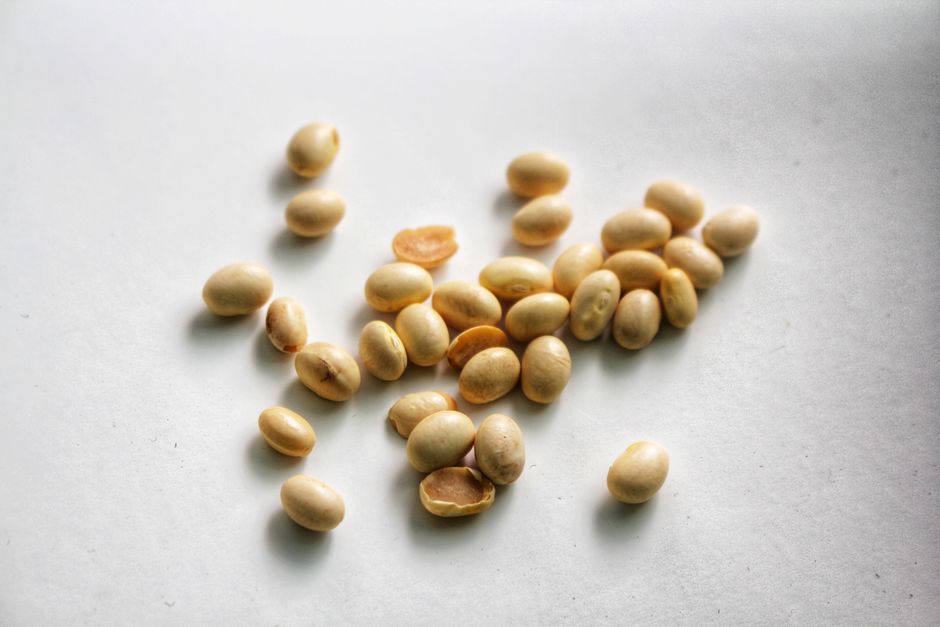
Legumes and Soy Foods: A Powerful Ally in Lowering High Blood Pressure Risk
Hypertension, commonly known as high blood pressure, is a pervasive and silent threat to global health, significantly increasing the risk of cardiovascular diseases such as heart attack, stroke, and kidney failure. Managing blood pressure effectively is paramount for long-term well-being, and dietary interventions play a crucial role. Among the myriad of food groups, legumes and soy foods have emerged as particularly promising allies in the battle against hypertension. Their rich nutritional profiles, characterized by high fiber content, abundant potassium, magnesium, and unique bioactive compounds, contribute to their blood pressure-lowering capabilities. This comprehensive article delves into the scientific evidence supporting the efficacy of legumes and soy foods in reducing the risk of high blood pressure, exploring the mechanisms involved and highlighting their practical integration into a heart-healthy diet.
The physiological mechanisms by which legumes and soy foods exert their antihypertensive effects are multifaceted. One of the primary contributors is their exceptional fiber content. Legumes, including beans, lentils, peas, and chickpeas, are dietary powerhouses of both soluble and insoluble fiber. Soluble fiber, in particular, has been shown to slow down the absorption of glucose, which can help regulate blood sugar levels, and also bind to bile acids, promoting their excretion and thus reducing cholesterol absorption. While the direct link between cholesterol and blood pressure is complex, improvements in lipid profiles are generally associated with better cardiovascular health. Furthermore, soluble fiber fermentation by gut microbiota produces short-chain fatty acids (SCFAs), such as butyrate, acetate, and propionate. SCFAs have been demonstrated to influence blood pressure regulation through various pathways, including enhancing insulin sensitivity, reducing inflammation, and modulating the renin-angiotensin-aldosterone system (RAAS), a key hormonal system involved in blood pressure control. Insoluble fiber contributes to digestive health and satiety, which can indirectly support weight management, a critical factor in hypertension prevention and management.
Potassium, an essential mineral abundantly found in legumes and soy products, is another critical player in blood pressure regulation. Potassium works in opposition to sodium. While sodium contributes to fluid retention and increased blood volume, thus raising blood pressure, potassium helps the body excrete excess sodium and water, promoting vasodilation (widening of blood vessels). This counterbalance effect of potassium significantly contributes to lowering blood pressure. The typical Western diet is often characterized by a high sodium-to-potassium ratio, which is detrimental to cardiovascular health. By increasing the intake of potassium-rich foods like legumes and soy, individuals can help shift this ratio towards a more favorable balance, actively promoting lower blood pressure. Studies have consistently shown that higher potassium intake is associated with lower blood pressure, especially in individuals who are sodium-sensitive.
Magnesium, another mineral abundant in legumes and soy foods, also plays a vital role in cardiovascular health and blood pressure management. Magnesium is involved in numerous biochemical processes, including muscle and nerve function, blood glucose control, and protein synthesis. Its vasodilatory properties are particularly relevant to hypertension. Magnesium helps relax the smooth muscles of blood vessels, leading to their widening and reduced resistance to blood flow, thereby lowering blood pressure. Additionally, magnesium is known to inhibit the influx of calcium into vascular smooth muscle cells. Calcium plays a crucial role in muscle contraction; by limiting its entry, magnesium promotes relaxation and vasodilation. Research indicates that magnesium deficiency is linked to an increased risk of hypertension, and magnesium supplementation or increased dietary intake has been shown to reduce blood pressure in hypertensive individuals.
Beyond fiber, potassium, and magnesium, legumes and soy foods contain a wealth of bioactive compounds that contribute to their antihypertensive properties. Isoflavones, a class of phytoestrogens found predominantly in soy products, have garnered significant attention for their potential cardiovascular benefits. These compounds, including genistein and daidzein, exhibit antioxidant and anti-inflammatory properties, which are crucial for protecting blood vessels from damage. Isoflavones can also modulate endothelial function, the lining of blood vessels responsible for regulating vascular tone. They can enhance the production of nitric oxide (NO), a potent vasodilator that helps relax blood vessels and improve blood flow. Dysfunctional NO signaling is a hallmark of hypertension, and compounds that promote NO production are highly beneficial. Furthermore, isoflavones may influence the RAAS, potentially inhibiting angiotensin II, a powerful vasoconstrictor, and thereby contributing to blood pressure reduction.
Other bioactive compounds present in legumes and soy foods include saponins and phytic acid. Saponins are natural detergents that have demonstrated cholesterol-lowering effects and may also possess anti-inflammatory and antioxidant properties. While phytic acid, often considered an anti-nutrient due to its ability to bind minerals, has also been associated with health benefits, including potential antioxidant and cardioprotective effects, and may play a role in modulating mineral absorption in a way that is beneficial for blood pressure. The synergistic interaction of these diverse compounds, rather than the action of a single nutrient, likely underlies the comprehensive health benefits attributed to legumes and soy foods.
The scientific evidence supporting the antihypertensive effects of legumes and soy foods is robust and growing. Numerous epidemiological studies have observed that populations with higher consumption of legumes tend to have lower rates of hypertension. Meta-analyses of randomized controlled trials (RCTs) have further strengthened these findings. For instance, a comprehensive meta-analysis examining the effects of legume consumption on blood pressure found a significant reduction in both systolic and diastolic blood pressure. The magnitude of the blood pressure-lowering effect varied depending on the type of legume and the duration of the intervention, but consistent positive outcomes were observed across multiple studies.
Similarly, research on soy foods has consistently demonstrated their beneficial impact on blood pressure. Several meta-analyses of RCTs have shown that soy protein intake, particularly when it replaces animal protein, is associated with modest but significant reductions in blood pressure. The isoflavone content of soy foods is believed to be a primary driver of these effects, although the overall nutritional matrix of soy products also likely contributes. It’s important to note that the bioavailability and efficacy of isoflavones can vary depending on the form of soy consumed (e.g., whole soybeans, tofu, soy milk, tempeh) and individual gut microbiota composition.
Integrating legumes and soy foods into the diet for blood pressure management is both practical and enjoyable. Legumes are incredibly versatile and can be incorporated into a wide array of dishes. Lentils can be used in soups, stews, curries, and salads. Beans, such as black beans, kidney beans, and chickpeas, can be added to chili, tacos, burritos, salads, and dips like hummus. Peas are a common addition to side dishes and stir-fries. Soy foods also offer diverse culinary options. Tofu can be stir-fried, baked, or blended into smoothies and sauces. Tempeh, a fermented soy product, has a firmer texture and can be grilled, baked, or added to stir-fries. Edamame, young soybeans, are a nutritious snack and can be added to salads and grain bowls. Soy milk can be consumed as a beverage, used in cereal, or as a dairy alternative in cooking and baking.
When focusing on blood pressure management, it is crucial to consider the overall dietary pattern. While legumes and soy foods are beneficial, they should be part of a balanced diet that emphasizes whole, unprocessed foods. This includes a variety of fruits, vegetables, whole grains, and lean protein sources, while limiting processed foods, excessive sodium intake, saturated and trans fats, and added sugars. The DASH (Dietary Approaches to Stop Hypertension) diet, which is rich in fruits, vegetables, whole grains, and low-fat dairy products, and moderate in lean meats and poultry, is a well-established dietary pattern that aligns with the benefits of legumes and soy foods.
Several factors can influence the effectiveness of legumes and soy foods in lowering blood pressure. The amount and frequency of consumption play a significant role. Consistent daily or near-daily intake is likely to yield the most substantial benefits. The type of legume or soy food consumed may also matter, with some studies suggesting that whole soybeans and their minimally processed derivatives might be more beneficial than highly processed soy products. Furthermore, individual responses can vary due to genetic factors, gut microbiota composition, and overall health status.
In conclusion, the scientific evidence overwhelmingly supports the significant potential of legumes and soy foods in lowering the risk of high blood pressure. Their rich nutritional profiles, including high fiber, potassium, magnesium, and unique bioactive compounds like isoflavones, contribute to their multifaceted antihypertensive mechanisms, including improved endothelial function, vasodilation, and modulation of the renin-angiotensin-aldosterone system. By making legumes and soy foods a regular and integral part of a balanced, heart-healthy diet, individuals can proactively take steps towards managing their blood pressure, reducing their risk of cardiovascular complications, and promoting overall well-being. Continued research will undoubtedly further elucidate the intricate mechanisms and optimize the dietary recommendations surrounding these potent plant-based foods.
