Home Blog Page 80

Category Nonprofit Organizations

0

Category Nonprofit Organizations: Structures, Operations, and Impact

Category nonprofit organizations represent a vast and diverse sector dedicated to public benefit rather than private profit. These entities operate under various legal structures and focus on an extensive range of missions, from environmental conservation and education to healthcare, poverty alleviation, and the arts. Understanding the fundamental aspects of category nonprofits, including their organizational structures, operational methodologies, funding mechanisms, and societal impact, is crucial for stakeholders, beneficiaries, and the public alike. The defining characteristic of a nonprofit is its reinvestment of surplus revenue back into its mission and programs, rather than distribution to shareholders or owners. This core principle shapes every facet of their existence, from governance to fundraising.

The operational framework of a category nonprofit is typically dictated by its specific mission and the legal and regulatory environment in which it functions. Most nonprofits are registered as 501(c)(3) organizations under the U.S. Internal Revenue Code, granting them tax-exempt status. This status is contingent upon adhering to strict regulations regarding their activities, governance, and financial transparency. The organizational structure of a nonprofit usually comprises a board of directors, executive leadership, staff, and volunteers. The board of directors holds fiduciary responsibility, setting strategic direction, overseeing financial health, and ensuring legal compliance. Executive leadership, often comprising a CEO or Executive Director, manages day-to-day operations and implements board directives. Staff members execute programs and administrative functions, while volunteers provide invaluable support, extending the organization’s reach and impact. The operational model emphasizes collaboration, resourcefulness, and an unwavering commitment to the organization’s charitable purpose.

Funding is a critical and often complex aspect of nonprofit operations. Category nonprofits rely on a multifaceted approach to secure the financial resources necessary to sustain their programs and achieve their missions. Major funding streams include grants from foundations, government agencies, and corporate social responsibility programs. Individual donations, both small and large, form another significant pillar of financial support, often cultivated through direct appeals, online campaigns, and donor-centric events. Corporate sponsorships can provide substantial funding and in-kind support, aligning business interests with charitable objectives. Earned revenue, generated through the sale of goods or services related to the nonprofit’s mission (e.g., museum admissions, educational workshops, thrift store sales), can also contribute to financial stability. Membership fees, in organizations that have a membership model, provide a recurring revenue stream. The effective management of these diverse funding sources, coupled with rigorous financial accountability, is paramount to a nonprofit’s long-term viability and its ability to deliver on its promises.

The impact of category nonprofits is profound and far-reaching, addressing societal needs that government agencies and the private sector may not fully cover. In education, nonprofits work to improve access to quality learning, provide scholarships, and support early childhood development programs. Healthcare nonprofits focus on research, patient care, disease prevention, and advocating for public health policies. Environmental organizations champion conservation efforts, combat climate change, protect biodiversity, and promote sustainable practices. Social service nonprofits address issues such as homelessness, poverty, food insecurity, and domestic violence, providing essential support and resources to vulnerable populations. Cultural and arts organizations enrich communities through museums, theaters, orchestras, and educational programs, fostering creativity and preserving heritage. Animal welfare organizations rescue, rehabilitate, and advocate for the humane treatment of animals. These diverse contributions collectively strengthen the social fabric, drive innovation, and improve the quality of life for millions.

Governance and accountability are cornerstones of a healthy and trustworthy nonprofit sector. The board of directors plays a pivotal role in ensuring ethical conduct, responsible financial management, and strategic effectiveness. Effective boards are comprised of individuals with diverse skills, experiences, and a deep commitment to the organization’s mission. They establish policies, approve budgets, hire and evaluate executive leadership, and conduct regular oversight to ensure compliance with legal and ethical standards. Transparency is crucial; nonprofits are expected to make their financial information readily accessible to the public through annual reports, Form 990 filings with the IRS, and other reporting mechanisms. This openness builds trust with donors, beneficiaries, and the broader community. Accountability extends beyond financial matters to encompass program effectiveness. Nonprofits are increasingly focused on measuring and demonstrating the impact of their work, utilizing data and evaluation to refine strategies and improve outcomes.

Strategic planning is an essential element for category nonprofits to navigate the complex landscape of societal needs and resource acquisition. A well-defined strategic plan outlines the organization’s long-term vision, its core values, and specific goals. It identifies key priorities, target populations, and the programs and activities that will be undertaken to achieve desired outcomes. The planning process typically involves assessing the external environment, analyzing internal strengths and weaknesses, and engaging stakeholders. Regular review and adaptation of the strategic plan are vital to ensure ongoing relevance and responsiveness to evolving challenges and opportunities. This proactive approach allows nonprofits to allocate resources efficiently, build strong partnerships, and maximize their impact.

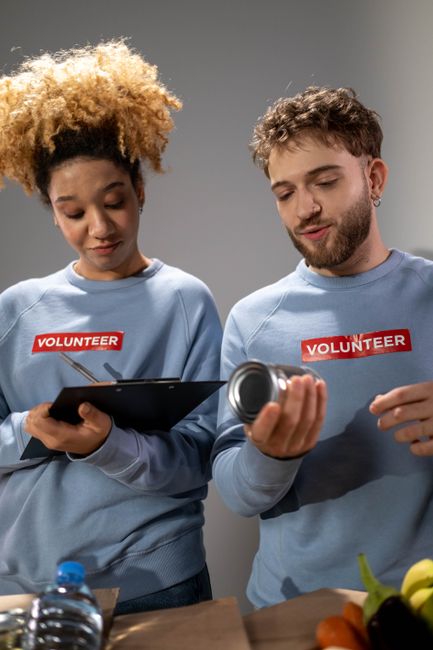
Volunteer engagement is a defining characteristic and a vital engine for many category nonprofits. Volunteers contribute a wide array of skills, time, and passion, amplifying an organization’s capacity and reach without incurring significant labor costs. Effective volunteer management involves robust recruitment strategies, comprehensive orientation and training, clear role definitions, and ongoing recognition and appreciation. Volunteers can serve in diverse capacities, from direct program delivery and administrative support to fundraising, event planning, and board service. Their involvement not only provides essential human capital but also fosters a sense of community ownership and advocacy for the nonprofit’s mission.

Technology adoption plays an increasingly significant role in the operational efficiency and outreach of category nonprofits. Digital tools enhance donor management through Constituent Relationship Management (CRM) systems, streamline communication with stakeholders via email marketing and social media, and facilitate online fundraising and event registration. Project management software aids in program planning and execution, while data analytics tools help in measuring impact and demonstrating effectiveness. Cybersecurity measures are crucial to protect sensitive donor and beneficiary information. Leveraging technology strategically can expand a nonprofit’s reach, improve resource allocation, and enhance transparency and accountability.

Advocacy is an integral function for many category nonprofits, particularly those focused on systemic change. Advocacy efforts aim to influence public policy, raise awareness about critical issues, and mobilize public support for specific causes. This can involve lobbying government officials, engaging in public education campaigns, organizing community forums, and participating in coalitions with other organizations. The goal of advocacy is to address the root causes of social, environmental, or health problems, thereby creating sustainable positive change beyond the direct services provided by the nonprofit.

The legal landscape governing category nonprofits is complex and requires careful navigation. Compliance with federal, state, and local regulations is paramount. This includes adherence to tax laws, employment laws, fundraising regulations, and data privacy laws. Understanding reporting requirements, such as the annual filing of IRS Form 990, is essential for maintaining tax-exempt status. Legal counsel is often sought to ensure compliance, draft contracts, and navigate any legal challenges that may arise. Proactive attention to legal and regulatory matters safeguards the organization’s reputation and operational integrity.

Collaboration and partnerships are increasingly recognized as critical for category nonprofits to achieve greater impact and address complex societal issues. By working with other nonprofits, government agencies, businesses, and community groups, organizations can leverage complementary strengths, share resources, and avoid duplication of efforts. Strategic alliances can expand program reach, enhance service delivery, and amplify advocacy messages. Building and nurturing strong, mutually beneficial partnerships is a key element of successful nonprofit strategy.

In conclusion, category nonprofit organizations are essential pillars of civil society, driven by a commitment to public good. Their success hinges on robust governance, diversified funding, strategic planning, effective operations, strong stakeholder engagement, and a clear, measurable impact. The challenges they face are significant, from securing adequate resources to navigating complex regulatory environments, yet their resilience and dedication to their missions underscore their indispensable role in addressing critical societal needs and fostering a more equitable and sustainable world. The continuous evolution of their operational models, fueled by innovation and a commitment to transparency and accountability, ensures their enduring relevance and their capacity to effect positive change.


Category Nonprofit Organizations

0

Category Nonprofit Organizations: Understanding Their Impact and Operational Frameworks

Category nonprofit organizations, often referred to as public charities or tax-exempt organizations, constitute a vital segment of the global economy and societal infrastructure. Their primary distinction lies in their mission-driven purpose, eschewing profit maximization in favor of achieving social, environmental, educational, or religious objectives. Unlike for-profit entities, which distribute profits to shareholders, nonprofits reinvest all surplus revenue back into their programs and operations to further their stated missions. This fundamental difference shapes their governance, funding mechanisms, and the regulatory landscape within which they operate. Understanding the diverse categories of nonprofits is crucial for appreciating their breadth of impact, from alleviating poverty and promoting public health to advancing scientific research and preserving cultural heritage.

The classification of nonprofit organizations is typically determined by their primary purpose and the activities they undertake. In the United States, the Internal Revenue Service (IRS) plays a significant role in this categorization, primarily through Section 501(c) of the Internal Revenue Code. While 501(c)(3) organizations, commonly known as public charities and private foundations, represent the most recognized and prevalent category, other 501(c) designations exist for different types of tax-exempt entities. For instance, 501(c)(4) organizations are social welfare organizations, 501(c)(6) organizations are business leagues, and 501(c)(7) organizations are social clubs. Each of these categories has distinct operational requirements, fundraising limitations, and eligibility for tax-deductible donations. Public charities, the focus of this discussion, are further subdivided based on their activities, such as educational, religious, charitable, scientific, literary, testing for public safety, fostering national or international amateur sports competition, or the prevention of cruelty to children or animals. This granular categorization is essential for ensuring that tax-exempt status is aligned with the public benefit served and for facilitating appropriate oversight and accountability.

The operational framework of category nonprofit organizations is characterized by several key elements. Governance is paramount, with boards of directors or trustees responsible for strategic oversight, financial stewardship, and ensuring the organization adheres to its mission. These individuals typically serve on a volunteer basis, bringing diverse expertise and perspectives to the organization. Transparency and accountability are non-negotiable for nonprofits. They are subject to stringent reporting requirements, including annual filings with the IRS (e.g., Form 990 in the US) and often with state-level charity regulators. These reports publicly disclose financial information, operational activities, and executive compensation, enabling donors, beneficiaries, and the public to assess the organization’s effectiveness and integrity.

Funding for category nonprofit organizations is multifaceted and often represents a significant operational challenge. Reliance on diverse revenue streams is common, mitigating the risk associated with dependence on a single source. Major funding avenues include individual donations, grants from foundations, corporate sponsorships, government contracts and grants, earned revenue from services or products related to their mission, and fundraising events. The ability to attract and retain funding is directly linked to an organization’s perceived impact, transparency, and its capacity to articulate a compelling case for support. Effective donor stewardship, the cultivation of relationships with supporters, and strategic fundraising campaigns are critical for financial sustainability and program expansion.

The impact of category nonprofit organizations is profound and far-reaching. They address critical societal needs that are often unmet by government or for-profit entities. For example, organizations focused on poverty alleviation provide essential services like food banks, housing assistance, and job training. Public health nonprofits work to combat diseases, promote wellness, and advocate for policy changes. Environmental organizations are at the forefront of conservation efforts, climate change mitigation, and advocating for sustainable practices. Educational nonprofits supplement formal schooling, provide scholarships, and promote lifelong learning. The arts and culture sector, driven by numerous nonprofits, enriches communities through museums, theaters, and galleries, preserving heritage and fostering creativity. The sheer volume and diversity of these organizations underscore their indispensable role in building more resilient, equitable, and vibrant societies.

Category nonprofit organizations are also significant economic contributors. They employ millions of people globally, generate substantial economic activity through their procurement of goods and services, and contribute to local economies through volunteer engagement. The volunteer sector, in particular, represents an enormous in-kind contribution, providing labor and expertise that would otherwise require significant financial outlay. The economic ripple effect of nonprofit activities, from job creation to stimulating local businesses, is often underestimated but is a crucial aspect of their overall societal value.

However, navigating the nonprofit landscape presents unique challenges. Mission drift, the deviation from an organization’s core purpose due to funding pressures or changing priorities, is a persistent concern. Ensuring adequate and sustainable funding remains a perpetual challenge, often requiring constant innovation in fundraising strategies. Measuring and demonstrating impact can also be complex, particularly for organizations whose outcomes are long-term or qualitative. The increasing demand for services, coupled with limited resources, necessitates efficient operations, effective program design, and strategic partnerships.

For individuals considering engaging with category nonprofit organizations, whether as donors, volunteers, or employees, due diligence is essential. Researching an organization’s mission, programs, leadership, and financial health provides valuable insights. Websites like Charity Navigator, GuideStar, and the IRS’s Tax Exempt Organization Search tool are invaluable resources for accessing public information. Understanding how an organization utilizes its funds, its governance structure, and its track record of success allows for informed decisions and ensures that contributions are directed towards organizations that align with one’s values and commitment to public good.

The legal and regulatory framework governing category nonprofit organizations is designed to ensure public trust and accountability. In the US, the IRS oversees tax-exempt status, while state attorneys general often regulate charitable solicitations and enforce fiduciary duties. The Sarbanes-Oxley Act, while primarily aimed at for-profit corporations, has also influenced governance and transparency standards for larger nonprofits. Compliance with these regulations is not merely a legal obligation but a fundamental aspect of maintaining credibility and public confidence. Failure to comply can result in severe penalties, including loss of tax-exempt status and damage to an organization’s reputation.

The future of category nonprofit organizations is intrinsically linked to their ability to adapt to evolving societal needs and technological advancements. The rise of digital fundraising, the increasing importance of social media for advocacy and awareness, and the potential of data analytics for program evaluation are all shaping the way nonprofits operate. Furthermore, collaboration and strategic alliances between nonprofits are becoming increasingly vital to address complex issues that transcend the capacity of any single organization. Cross-sector partnerships with government agencies and private businesses can also unlock new resources and innovative solutions. The ongoing evolution of the nonprofit sector reflects its dynamism and its enduring commitment to serving the public interest in an ever-changing world. Understanding the distinct characteristics of category nonprofit organizations is key to appreciating their multifaceted contributions and their critical role in shaping a better future. Their dedication to mission over profit, their reliance on diverse funding streams, their rigorous governance and accountability structures, and their profound societal impact collectively define them as essential pillars of modern society.

Abby The Last Of Us Kaitlyn Dever Controversy

0

The Kaitlyn Dever Abby Controversy: Analyzing Fan Reactions and Narrative Impact in The Last of Us Part II

The casting of Kaitlyn Dever as Abby Anderson in Naughty Dog’s The Last of Us Part II became an unexpected focal point of intense fan scrutiny and, for some, outright controversy. While Dever’s acting prowess is widely recognized and lauded in many circles, her portrayal of Abby, a character whose narrative arc is central to the game’s divisive themes, ignited a firestorm of discussion. This controversy was not solely about Dever herself, but rather a complex interplay of fan expectations, character reception, and the very foundations of narrative storytelling in video games. To understand the depth of this debate, it’s crucial to dissect the multifaceted nature of the "Kaitlyn Dever Abby controversy," examining its origins, the specific criticisms leveled, and the broader implications for character development and fan engagement in interactive media.

The genesis of the controversy can be traced back to the significant departure from established character dynamics and the introduction of a morally ambiguous antagonist. Prior to The Last of Us Part II‘s release, fans had deeply invested in the established characters of Joel and Ellie, forging a strong emotional connection with their journey in the first game. The marketing for the sequel, while hinting at a darker tone, deliberately obscured the extent to which the narrative would shift focus and introduce new perspectives, particularly from the antagonist’s point of view. When Abby was revealed to be a central figure, and even more so when her actions directly impacted a beloved character like Joel, many players felt a sense of betrayal and resistance. This resistance, often misdirected or amplified, inevitably coalesced around the actor embodying this divisive figure.

One of the primary drivers of the controversy stemmed from the fundamental shift in player perspective. The Last of Us Part II famously splits its gameplay and narrative between Ellie and Abby, forcing players to inhabit the experiences of both characters. This narrative choice, while lauded by critics for its boldness and thematic depth, was met with significant resistance from a segment of the player base who were unwilling or unable to empathize with Abby’s motivations. Her actions, particularly in the early hours of the game, are undeniably brutal and directly result in a pivotal, traumatic event for Ellie. For players who had solely aligned themselves with Ellie’s perspective in the first game, this sudden imposition of empathy for her perceived enemy was a jarring and unwelcome experience. Kaitlyn Dever, as the conduit for this new perspective, became a tangible representation of this narrative shift, and therefore, a target for some of the frustration.

The "controversy" also manifested in online discussions and social media, often characterized by personal attacks and unfair criticisms directed at Dever. While the critique of Abby as a character is a valid discussion point regarding narrative design, the attacks frequently veered into personal territory, targeting Dever’s appearance, her perceived "unlikeability" as a protagonist, and even casting doubt on her acting abilities. This is a recurring issue in the gaming community when a character, especially one who deviates from fan expectations or engages in actions deemed morally reprehensible, is perceived negatively. The actor, unfortunately, often becomes the face of that negativity, despite their role being to faithfully interpret the character as written. SEO-wise, terms like "Kaitlyn Dever Abby backlash," "The Last of Us Part II Abby controversy," and "fan reaction to Abby casting" accurately reflect the discussions happening online.

Furthermore, the "controversy" was fueled by a perceived disconnect between the character’s in-game actions and the audience’s pre-existing allegiances. Fans had spent hours with Joel and Ellie, building a deep emotional bond. When Abby was presented as a foil, and her perspective was given equal weight, it challenged these established bonds. For some, this felt like an invalidation of their prior emotional investment. Kaitlyn Dever, tasked with bringing Abby to life, was tasked with making players understand and, to some extent, sympathize with a character who had committed an unforgivable act in the eyes of many. This was an incredibly difficult acting challenge, and the difficulty of the task itself, combined with the player’s resistance, contributed to the polarized reception. The discourse often revolved around whether Abby was "redeemable" or "likable" enough, and Dever’s performance was inherently tied to these judgments.

The discourse surrounding Kaitlyn Dever and Abby also highlighted broader discussions about agency and player choice in narrative-driven games. The Last of Us Part II is a linear experience, meaning players follow a predetermined story. While this allows for a tightly controlled narrative and deep character development, it also means players cannot influence the plot’s direction. When faced with characters or events they dislike, players are powerless to change them. This lack of agency can lead to frustration, and in the case of Abby, this frustration was channeled towards the actor. The argument often boiled down to: "Why are we being forced to play as this character who did this terrible thing?" This sentiment, while understandable from a player’s perspective, overlooked the artistic intent of forcing players into uncomfortable emotional territory to explore themes of revenge, trauma, and cyclical violence.

The "Kaitlyn Dever Abby controversy" also touched upon the problematic tendency within some fan communities to conflate the actor with the character they portray. While it is natural for audiences to develop opinions about fictional characters, these opinions should ideally remain within the realm of literary or cinematic analysis. When these critiques devolve into personal attacks on the actor, it signifies a failure to distinguish between performance and person. Kaitlyn Dever is a professional actor who delivered a performance based on the script and direction provided. Her role was to embody Abby, not to be Abby. The intensity of some of the backlash suggests a lack of understanding or an unwillingness to engage with this fundamental aspect of acting. For SEO, ensuring keywords like "Kaitlyn Dever performance Abby," "acting criticism The Last of Us Part II," and "character portrayal controversy" are present is important for capturing relevant search queries.

Moreover, the controversy surrounding Abby’s character, and by extension Kaitlyn Dever’s portrayal, can be viewed through the lens of narrative expectations and subversion. The Last of Us Part II was praised by many critics for its daring narrative choices, including the decision to present a protagonist who is also a villain from another character’s perspective. This subversion of traditional hero-villain tropes forced players to confront their own biases and preconceptions about justice and morality. However, for a significant portion of the audience, this subversion was not met with appreciation but with anger. They expected a continuation of Joel and Ellie’s story, focusing on their fight for survival and perhaps a confrontation with a clear antagonist. The introduction of Abby as a playable character, and the extended periods spent in her shoes, challenged these expectations and, for some, felt like a narrative misstep. Kaitlyn Dever’s performance was thus intrinsically linked to the success or failure of this narrative gamble in the eyes of these players.

The role of social media in amplifying the "Kaitlyn Dever Abby controversy" cannot be overstated. Platforms like Twitter, Reddit, and YouTube became breeding grounds for both nuanced discussions and vitriolic attacks. Viral posts, often fueled by outrage, spread misinformation and personal opinions as fact, creating echo chambers where dissenting viewpoints were often drowned out. This rapid dissemination of information, or misinformation, contributed to the widespread perception of a significant "controversy," even if the actual number of deeply disgruntled players was proportionally smaller than the online noise suggested. The sheer volume of discussions, often negative, surrounding Kaitlyn Dever and her character created a significant SEO footprint, making it difficult for nuanced perspectives to gain traction.

From an SEO perspective, understanding the search queries related to this controversy is crucial. Users likely search for terms like "Kaitlyn Dever Abby controversy," "The Last of Us Part II Abby backlash," "why did people hate Kaitlyn Dever as Abby," "Abby Anderson character reception," and "Naughty Dog narrative choices controversy." The articles and discussions that rank highly in search results often reflect the prevalent sentiment, which was, at times, overwhelmingly negative towards Abby and, by extension, her performer. Therefore, a comprehensive article needs to address these sentiments directly while also providing context and critical analysis.

The controversy also highlights the evolving relationship between players and video game narratives. As video games become more cinematic and emotionally resonant, the expectations placed upon them increase. Players are no longer simply engaging with mechanics; they are investing in characters and stories on a deeply emotional level. When these stories deviate from pre-conceived notions or force players to confront uncomfortable truths, the reactions can be intense. Kaitlyn Dever’s experience with the Abby controversy serves as a case study in the challenges faced by actors in this new era of interactive storytelling, where the lines between character, performance, and audience reception can become blurred.

In conclusion, the "Kaitlyn Dever Abby controversy" surrounding her role in The Last of Us Part II was not simply about the casting of an actress. It was a complex phenomenon born from a confluence of factors: the game’s bold narrative choices, the challenging nature of Abby’s character arc, the deep emotional investment of the fanbase in the original game’s characters, and the amplified nature of online discourse. While some criticisms of Abby’s narrative function are valid points for discussion, the personal attacks directed at Kaitlyn Dever were largely unwarranted and indicative of a failure to distinguish between an actor’s performance and the character they embody. Understanding this controversy requires a nuanced examination of player expectations, narrative subversion, and the evolving landscape of interactive storytelling in the digital age, all of which contribute to the ongoing discourse and the SEO footprint of this highly debated topic.

Host Https Www.allrecipes.com Article Tips Save Money Grocery Store According To Financial Expert

0

Mastering Grocery Savings: Expert Strategies for Your Allrecipes.com Shopping Cart

Navigating the grocery store with a tight budget requires more than just grabbing what’s on sale. It’s a strategic endeavor, a mindful approach to food acquisition that can significantly impact your household finances. As financial experts consistently emphasize, understanding the psychology of shopping, leveraging available resources, and implementing smart purchasing habits are paramount to maximizing your grocery dollar. This article, drawing on principles that align perfectly with the practical, recipe-focused ethos of Allrecipes.com, will dissect these strategies, providing actionable advice for any home cook aiming to save money without sacrificing quality or variety.

The foundation of any successful grocery saving strategy lies in meticulous planning. Before you even think about stepping foot in the supermarket, a thorough inventory of your pantry, refrigerator, and freezer is essential. Financial advisors stress that "shopping your own kitchen first" is the single most effective way to prevent food waste and unnecessary purchases. This involves taking stock of what you already have, noting expiration dates, and identifying ingredients that can be incorporated into upcoming meals. Tools and apps, many of which can be found through searching for "grocery list maker" or "pantry inventory app" on platforms like Allrecipes.com, can streamline this process. Creating a meal plan for the week, based on your existing inventory and incorporating seasonal produce and sale items, is the next crucial step. This prevents impulsive buying and ensures that every ingredient purchased has a purpose. A well-structured meal plan, often a key feature users seek when browsing Allrecipes.com for inspiration, acts as your roadmap, guiding your shopping trip and minimizing deviations.

Leveraging digital tools and resources is no longer optional; it’s a cornerstone of modern money-saving, particularly for grocery shopping. Websites like Allrecipes.com, which offer a vast repository of recipes and user-generated tips, are invaluable for more than just meal inspiration. They often include features that help with budget-conscious cooking. For instance, searching for recipes that utilize common pantry staples or "budget-friendly dinners" can significantly reduce your grocery bill. Furthermore, exploring the comment sections of recipes on Allrecipes.com can reveal user-tested shortcuts, ingredient substitutions that save money, and advice on buying in bulk. Beyond recipe sites, grocery store apps and coupon aggregation websites are critical. Financial experts advocate for signing up for loyalty programs at your preferred grocery stores, as these often provide exclusive discounts and digital coupons. Regularly checking these apps and websites for deals on items you regularly purchase, and strategically planning your shopping trips around these promotions, can lead to substantial savings. A quick search on Google for "best grocery coupon apps" or "local grocery store deals" will yield numerous options.

Understanding the pricing strategies of grocery stores is also a key component of saving money. Financial planners often advise consumers to be aware of "loss leaders" – items sold at a significant discount to attract customers, with the expectation that they will purchase other, higher-margin items. While these deals can be beneficial, it’s crucial to ensure that you are not overspending on other items to "take advantage" of the loss leader. Furthermore, understanding unit pricing is essential. This involves comparing the price of an item based on its weight or volume, rather than just the overall price. A larger package may appear cheaper at first glance, but the unit price might be higher than a smaller, on-sale package. Most grocery stores display unit pricing on their shelves, making this comparison straightforward. Regularly comparing prices across different brands and even different stores can reveal significant savings opportunities. For instance, generic or store-brand products, often featured in budget-friendly recipe searches on Allrecipes.com, can be just as good as name brands at a fraction of the cost.

The art of buying in bulk is a nuanced one, and financial experts often caution against indiscriminate bulk purchasing. While buying staples like rice, pasta, or non-perishable goods in larger quantities can indeed lead to cost savings per unit, it’s only a smart strategy if you will consume the entire quantity before it expires or spoils. For perishable items like produce or dairy, buying in bulk is generally not advisable unless you have a specific plan for preservation, such as freezing or canning. When considering bulk purchases, always factor in storage space and the potential for waste. A helpful search term would be "best bulk buy items for families" or "how to store bulk groceries." For items you use frequently but have a long shelf life, like flour, sugar, or dried beans, buying in bulk from warehouse clubs or through online bulk retailers can offer significant discounts. However, compare the unit price with your usual grocery store’s sale prices to ensure it’s a genuine saving.

Impulse buying is a primary enemy of a grocery budget. The checkout aisle, strategically stocked with tempting snacks, magazines, and impulse purchases, is designed to lure you into spending more. Financial advisors strongly recommend avoiding this trap by sticking strictly to your pre-made shopping list. If you see something that isn’t on your list, pause and ask yourself if you genuinely need it and if it aligns with your meal plan. Often, the answer will be no. Practicing mindful shopping, where you are consciously aware of your purchasing decisions, is crucial. This involves resisting the allure of "buy one, get one free" deals unless you truly need both items or can share one with a friend or family member. For inspiration on how to utilize every part of an ingredient, thus minimizing waste and the need for additional purchases, users often turn to the "how-to" sections of Allrecipes.com, searching for terms like "food waste solutions" or "using vegetable scraps."

Embracing seasonal eating is a financially savvy and nutritionally beneficial practice. Produce that is in season is typically more abundant, meaning it’s cheaper to produce and therefore cheaper to buy. Seasonal fruits and vegetables are also often at their peak flavor and nutritional value. Planning your meals around what’s currently in season can significantly reduce your grocery bill. For example, in the summer, focus on berries, tomatoes, and corn, while in the fall, prioritize squash, apples, and root vegetables. Searching on Allrecipes.com for "seasonal recipes" for your current region will provide a wealth of inspiration. Furthermore, supporting local farmers’ markets during their peak seasons can offer fresh, high-quality produce at competitive prices, especially if you arrive towards the end of the market day when vendors may be more willing to negotiate prices.

Making your own staple ingredients from scratch can be a significant money-saver. Think about items you purchase regularly: bread, salad dressings, sauces, yogurt, or even pre-cut vegetables. Often, making these items at home is not only cheaper but also healthier, as you can control the ingredients. Many recipes for homemade staples can be found on Allrecipes.com. For instance, a search for "easy homemade bread recipe" or "DIY salad dressing" will yield countless budget-friendly options. While there’s an initial investment in time, the long-term savings can be substantial. This also helps reduce reliance on pre-packaged goods, which often carry a premium price. Consider the cost of a jar of salad dressing versus the cost of the oil, vinegar, and seasonings to make your own. The difference is often stark.

Reducing meat consumption can also lead to considerable savings. Meat is often one of the most expensive items on a grocery list. Incorporating more plant-based meals, such as lentil stews, bean chili, or pasta dishes with plenty of vegetables, can significantly lower your grocery bill. These meals are not only cost-effective but also often healthier and environmentally friendly. Allrecipes.com is an excellent resource for discovering delicious and affordable vegetarian and vegan recipes. Searching for "budget vegetarian meals" or "meatless Monday recipes" will provide ample inspiration. Even reducing meat consumption by one or two meals per week can make a noticeable difference in your overall grocery expenditure.

Smart storage and preservation techniques are vital for preventing food waste, a direct drain on your finances. Once you’ve purchased your groceries, storing them properly ensures they last longer. Understanding the best way to store different fruits and vegetables, as well as meats and dairy, can prevent premature spoilage. For example, storing herbs in a glass of water, keeping apples and bananas separate, and properly wrapping leftovers can extend their freshness. Furthermore, investing in good quality food storage containers and understanding basic preservation methods like freezing, canning, or dehydrating can allow you to take advantage of sales on seasonal produce and use it throughout the year. Searching on Allrecipes.com for "how to freeze berries" or "easy canning recipes" can provide valuable guidance. This reduces the need to buy out-of-season or more expensive alternatives.

Finally, cultivating a home garden, even a small one, can provide fresh produce for free. Growing herbs on a windowsill, a few tomato plants on a balcony, or a small vegetable patch in your backyard can significantly reduce your reliance on store-bought produce, especially for frequently used items. While there’s an initial investment in seeds, soil, and perhaps some basic gardening tools, the long-term savings and the satisfaction of harvesting your own food are immense. Even a small herb garden can save you money, as fresh herbs can be quite expensive when purchased in small plastic containers at the grocery store. Allrecipes.com often features gardening tips and recipes that utilize home-grown produce, further integrating this money-saving strategy into your cooking routine. The principles of planning, resourcefulness, and mindful consumption, all readily accessible through platforms like Allrecipes.com, are the keys to unlocking significant savings at the grocery store.

Bryant Vs Liu Heart Live Free

0

Bryant vs. Liu Heart Live Free: A Comprehensive Examination of Unconventional Medical Approaches and Their Public Access

The burgeoning interest in alternative and complementary medicine has fueled a demand for information, particularly regarding treatments that are perceived as innovative or outside the mainstream. Among these, the concepts championed by individuals like Dr. John Gray (often associated with the "Men Are from Mars, Women Are from Venus" persona, though his medical and health pronouncements are distinct) and Dr. John Sarno, and later explored and potentially expanded upon by others such as Dr. Liu and practitioners who might be associated with his work or similar principles, have garnered significant attention. The notion of "Bryant vs. Liu Heart Live Free" can be interpreted as a desire to understand and access these less conventional approaches to heart health and overall well-being, often in a manner that bypasses traditional, high-cost medical interventions. This article aims to provide an SEO-friendly, in-depth exploration of the underlying principles, potential benefits, criticisms, and pathways to accessing information and potentially, but not definitively, related therapies, focusing on the "live free" aspect which implies autonomy, cost-effectiveness, and a holistic approach to health.

The concept of "heart health" extends far beyond the purely physiological. While Western medicine excels at addressing acute cardiac events and managing chronic conditions through pharmaceuticals and surgical interventions, a growing segment of the population seeks to address the root causes of cardiovascular disease, often encompassing lifestyle, emotional, and psychological factors. The "Bryant" figure, if interpreted as referencing the broader discourse around mind-body connection and stress-related illnesses, and "Liu," potentially pointing towards specific practitioners or schools of thought that emphasize natural healing and energetic principles, represent different facets of this expanding landscape. The "live free" component underscores a desire for independence from a system that can be perceived as paternalistic, expensive, and sometimes ineffective in addressing the holistic needs of an individual. It suggests a pursuit of knowledge and practices that empower individuals to take control of their health journey, often at minimal or no direct financial cost for information and foundational practices.

Dr. John Sarno’s work, particularly his theory of Tension Myositis Syndrome (TMS), offers a foundational understanding that resonates with some of the principles that might be associated with "Liu Heart Live Free." Sarno posited that a significant number of chronic pain and physical symptoms, including those that can manifest as cardiac-like sensations or be exacerbated by stress, are psychosomatic in origin. He argued that repressed emotions and psychological stress can lead to a physiological response – a mild, reversible inflammatory process in the body – which then manifests as physical pain or dysfunction. While Sarno primarily focused on musculoskeletal pain, the underlying principle of the mind’s profound influence on physical health is a cornerstone for many non-traditional approaches to heart health. The "live free" aspect in this context could mean freedom from the anxiety and fear often associated with perceived heart problems, and freedom from the reliance on potentially side-effect-laden medications, by addressing the underlying psychological drivers.

Extending this to "Liu Heart Live Free," we can hypothesize that "Liu" might represent practitioners or proponents of approaches that build upon or diverge from Sarno’s TMS theory. These might involve specific mind-body techniques, energetic healing modalities, or a more comprehensive understanding of how emotional well-being directly impacts cardiovascular function. The "heart" in this context is not just the organ but also the seat of emotions and vitality. "Live free" then becomes a powerful aspiration: to live a life unburdened by the physical and emotional constraints of heart disease, achieved through accessible and empowering methods. This could include practices like mindful meditation, breathwork, stress management techniques, and potentially, though with significant caveats regarding scientific validation, energetic healing practices.

The concept of "live free" also carries a strong implication of accessibility and cost-effectiveness. Traditional medical treatments for heart disease, including diagnostics, medications, and procedures, can be prohibitively expensive, creating significant barriers for many individuals. The desire to access "Bryant vs. Liu Heart Live Free" information and practices suggests a search for affordable, perhaps even free, resources. This often leads individuals to online forums, free educational content, community support groups, and self-guided programs. The SEO focus here is on keywords that people would use when searching for such information: "free heart health tips," "natural heart remedies," "stress and heart disease relief," "mind-body heart health," and variations that might include the names of key figures or concepts if they gain broader public recognition.

When exploring "Bryant vs. Liu Heart Live Free," it is crucial to differentiate between established medical consensus and less validated or experimental approaches. The "Bryant" aspect could be interpreted as encompassing a broader range of perspectives on health and wellness, potentially including advice from public figures or platforms that discuss health in a general, accessible, and often free manner. The "Liu" aspect, depending on the specific individual or school of thought, might delve into more specialized or less widely recognized therapeutic modalities. The "vs." in this context does not necessarily imply direct opposition but rather a comparative exploration of different avenues for achieving heart health and a "live free" existence.

For individuals seeking to understand and implement principles related to "Bryant vs. Liu Heart Live Free," the emphasis is often on proactive self-care and empowering individuals with knowledge. This includes understanding the interconnectedness of the mind and body, the impact of chronic stress on the cardiovascular system, and the potential of lifestyle modifications. Search terms would likely include "holistic heart health," "natural ways to improve heart function," "emotional impact on cardiovascular disease," and "self-healing heart health." The "live free" aspect would further refine these searches to include "free heart health resources," "affordable heart disease solutions," and "empowering yourself for heart health."

It is imperative to address the potential criticisms and limitations of approaches that fall under the umbrella of "Bryant vs. Liu Heart Live Free." While the empowerment and cost-effectiveness are attractive, it is essential to maintain a critical perspective. The lack of robust scientific evidence and rigorous clinical trials for many unconventional therapies is a significant concern. Claims of "cures" or guaranteed outcomes should be viewed with extreme caution. Furthermore, relying solely on these approaches while neglecting conventional medical advice for diagnosed heart conditions can be dangerous and even life-threatening. SEO strategies should also consider terms that reflect this cautious approach, such as "evidence-based natural heart health," "critical look at alternative heart therapies," and "complementary vs. alternative heart care."

The "live free" aspect of "Bryant vs. Liu Heart Live Free" can also be understood as a call for autonomy in healthcare decision-making. Individuals are seeking to be informed participants, not passive recipients of medical care. This means understanding the risks and benefits of all treatment options, both conventional and unconventional. Educational content that facilitates this understanding, such as comparisons of different approaches, discussions of patient testimonials (with the caveat of their anecdotal nature), and explanations of scientific methodologies, would be highly relevant for SEO. Keywords could include "informed consent heart health," "patient empowerment cardiovascular care," and "understanding your heart health options."

To effectively target individuals searching for "Bryant vs. Liu Heart Live Free," content should be structured to answer key questions and provide practical information. This includes:

  • What are the core principles associated with "Bryant" and "Liu" in the context of heart health? This requires exploring the general philosophies of mind-body connection, stress management, and potentially energetic principles, without making definitive medical claims.
  • How can one "live free" from the burdens of heart disease through accessible means? This focuses on the "free" aspect, emphasizing information, self-guided practices, and community support.
  • What are the potential benefits and limitations of these approaches? A balanced perspective is crucial, highlighting potential advantages like reduced stress and increased self-efficacy, alongside the need for caution regarding scientific validation and the importance of conventional medicine.
  • Where can individuals find reliable free resources for heart health information and practices? This section would guide users to reputable websites, organizations, and types of content.
  • How does one critically evaluate information related to alternative and complementary health approaches? This empowers users to discern credible information from unsubstantiated claims.

In terms of SEO, the article needs to be rich in keywords that potential searchers would utilize. Beyond the core term "Bryant vs. Liu Heart Live Free," these would include:

  • Broader terms: "Heart health," "cardiovascular disease," "natural heart remedies," "alternative medicine heart," "complementary medicine heart," "holistic health," "mind-body connection," "stress management."
  • Specific concepts (if applicable and searchable): If "Liu" refers to a known methodology or practitioner, including those terms would be essential. Similarly, if there are widely recognized principles associated with the "Bryant" aspect in health discussions, those should be integrated.
  • "Free" and "Live" related terms: "Live free heart health," "free heart health resources," "access heart health information," "empower heart health," "natural healing heart," "affordable heart care."
  • Problem/Solution oriented terms: "Reduce heart disease risk naturally," "manage stress for heart health," "anxiety and heart symptoms," "fear of heart attack relief."

The content should also address the emotional and psychological aspects of heart health, as this is often a significant driver for seeking "live free" solutions. Discussions on anxiety, fear, depression, and their impact on the cardiovascular system would be highly relevant. Keywords such as "heart anxiety," "cardiac neurosis," and "psychological factors in heart disease" would be valuable.

Furthermore, the article should explore the concept of patient empowerment. The "live free" aspiration often stems from a desire to be an active participant in one’s health journey. Content that discusses patient advocacy, informed decision-making, and the importance of understanding one’s own body would resonate with this theme. Keywords like "patient rights heart health," "self-advocacy cardiovascular," and "take control of your heart health" are crucial.

The exploration of "Bryant vs. Liu Heart Live Free" ultimately leads to a discussion about personal responsibility in health, the pursuit of knowledge, and the desire for a life unburdened by chronic illness. While the precise definitions of "Bryant" and "Liu" in this specific context might be fluid and subject to ongoing interpretation and discourse, the underlying aspiration for accessible, empowering, and holistic approaches to heart health remains a potent driving force for many individuals. The SEO strategy for such an article must be comprehensive, addressing the multifaceted nature of this search while maintaining a responsible and informative tone. The emphasis should always be on empowering individuals with knowledge and encouraging them to make informed decisions in collaboration with qualified healthcare professionals, particularly when dealing with serious health concerns like heart disease. The "live free" aspect should be interpreted as freedom from fear, anxiety, and unnecessary financial burdens, rather than a rejection of all established medical interventions.

Austin Peay V S Tennessee Tech Live Stream Free 2021 Spring Football Season

0

Austin Peay vs. Tennessee Tech Live Stream Free 2021 Spring Football Season

The 2021 spring football season delivered a compelling matchup between the Austin Peay Governors and the Tennessee Tech Golden Eagles, generating significant interest for fans eager to catch the action. For those seeking to watch the Austin Peay vs. Tennessee Tech live stream free in 2021, understanding the broadcast options and accessibility was paramount. This game, part of the Ohio Valley Conference (OVC) schedule, represented a crucial opportunity for both programs to showcase their progress and potentially influence the conference standings. The accessibility of free live streams, while not always guaranteed, often depended on specific network agreements and platform availability. Many OVC games during this period were streamed through the ESPN network or its associated digital platforms, which sometimes offered free trials or had specific games designated for free viewing without a subscription. Therefore, fans often had to navigate various sports streaming websites and official OVC channels to identify the most reliable and accessible free live stream options for the Austin Peay vs. Tennessee Tech contest. The 2021 spring football season, a departure from the traditional fall schedule due to various factors, brought unique viewing opportunities and challenges.

The Austin Peay Governors entered the 2021 spring football season with aspirations of building upon previous successes. Under the guidance of their coaching staff, the Governors aimed to continue their development as a competitive force within the Ohio Valley Conference. Key to their strategy was a strong offensive unit, often characterized by dynamic playmakers and a well-executed passing game. Quarterback play was a significant focus, with the team looking to establish consistency and leadership under center. The running game also played a vital role, with the aim of establishing a balanced attack that could keep opposing defenses off-kilter. Defensively, Austin Peay focused on creating turnovers and applying pressure on opposing quarterbacks. Their defensive schemes were designed to be aggressive and opportunistic, aiming to disrupt offensive rhythm and create favorable field position. The development of young talent was also a critical aspect of their season, with many players looking to make a name for themselves and contribute to the team’s overall success. The anticipation surrounding their games, including the matchup against Tennessee Tech, was fueled by the prospect of seeing this talent on full display. The unique timing of the 2021 spring season meant that teams had a different preparation cycle, and Austin Peay was looking to capitalize on this extended period to refine their game plan and personnel.

The Tennessee Tech Golden Eagles, their opponents in this anticipated clash, also approached the 2021 spring football season with their own set of goals and a desire to improve. The Golden Eagles, like Austin Peay, were part of the competitive OVC landscape and sought to make their mark. Their offensive philosophy often revolved around a gritty, physical style of play, emphasizing a strong ground game and a commitment to controlling the line of scrimmage. The offensive line’s performance was crucial in establishing this identity, opening holes for running backs and protecting their quarterback. The passing game, while perhaps not as pass-heavy as some opponents, aimed for efficiency and big plays when opportunities arose. On the defensive side, Tennessee Tech typically prided itself on its toughness and discipline. They strived to be a physically imposing unit that could shut down opposing run games and limit big passing plays. Tackling efficiency and effective defensive line play were hallmarks of their approach. The development of their roster, including the emergence of new stars, was a key narrative for the Golden Eagles throughout the season. The 2021 spring football season presented a chance for Tennessee Tech to demonstrate their progress and challenge for conference supremacy, making the game against Austin Peay a significant fixture in their schedule.

For fans looking to access the Austin Peay vs. Tennessee Tech live stream free in 2021, several avenues were typically explored. Official conference websites, such as the Ohio Valley Conference’s own digital portal, often provided live streaming options for their athletic events. While some content might have been behind a paywall, it was common for OVC games to be broadcast through ESPN+ or similar platforms that offered free trial periods. This allowed dedicated fans to catch a limited number of games without a long-term commitment. Furthermore, individual university athletic departments often had their own streaming services or provided links to official broadcast partners. Austin Peay and Tennessee Tech, as OVC members, would have likely publicized their game’s broadcast information through their official athletics websites and social media channels. This would have included details on where to find the live stream, whether it was free or required a subscription, and any specific instructions for accessing it. The key for fans was to stay informed and proactive in seeking out this information as the game day approached. The landscape of college football streaming was constantly evolving, and identifying legitimate free streaming options often required checking multiple sources.

The strategic implications of the Austin Peay vs. Tennessee Tech game were significant within the context of the 2021 spring OVC football season. For Austin Peay, a victory would serve as a strong statement of intent, potentially propelling them up the conference standings and bolstering their chances for a postseason appearance or improved seeding in future tournaments. Their offensive and defensive units would be tested, and their ability to execute under pressure would be a key indicator of their overall team strength. Conversely, a loss could set back their progress and create a deficit they would need to overcome in subsequent games. For Tennessee Tech, this matchup represented a prime opportunity to secure a crucial conference win. A victory could provide a much-needed boost in morale and momentum, helping them to build a winning culture and compete for conference honors. Their physical style of play would be put to the test against Austin Peay’s often high-octane offense, and their defensive resilience would be a critical factor. The outcome of this particular game could have had ripple effects throughout the remainder of the OVC season, influencing tiebreakers and conference championship races. Coaches on both sides would have analyzed past performances and opponent tendencies to formulate game plans designed to exploit weaknesses and neutralize strengths.

The player matchups within the Austin Peay vs. Tennessee Tech game were central to its intrigue. On the offensive side for Austin Peay, their quarterback’s ability to distribute the ball effectively against a disciplined Tennessee Tech secondary was a primary storyline. Key wide receivers would need to win their individual matchups to create separation and make contested catches. The effectiveness of Austin Peay’s running backs against the Golden Eagles’ stout defensive front would determine their ability to sustain drives and control the clock. For Tennessee Tech, their offensive line would face the challenge of blocking Austin Peay’s pass rushers, aiming to give their quarterback ample time to make throws or open lanes for their running backs. Their running backs would need to find creases and break tackles against a Governors defense known for its opportunistic nature. On the defensive side, the Austin Peay defensive line would aim to disrupt Tennessee Tech’s offensive rhythm by applying pressure and preventing the run. Linebackers would be crucial in stopping the run and covering short passing routes. For Tennessee Tech, their defensive backs would be tasked with shutting down Austin Peay’s receiving threats, requiring tight coverage and timely pass breakups. The linebacker corps would be vital in both run support and covering the middle of the field. These individual battles between players would ultimately shape the flow of the game and determine its outcome.

The broader context of the 2021 spring football season also played a role in how these games were perceived and consumed. The transition from a fall season to a spring season presented a unique challenge for college athletes and coaching staffs. Teams had to adapt to different training schedules, weather conditions, and an altered competitive calendar. For fans, it meant a delayed gratification of their college football fix, but also an opportunity to see a different iteration of the sport they loved. The Austin Peay vs. Tennessee Tech game, like many others in this unusual season, was a testament to the resilience and dedication of the student-athletes and the programs involved. The ability to organize and execute a full season, even in the spring, spoke volumes about the commitment to providing a competitive experience. The search for free live streams for such games highlighted the evolving ways in which fans engage with college athletics, with digital platforms and accessible online content becoming increasingly important. The 2021 spring football season, therefore, was not just about the games themselves, but also about the innovative ways in which they were broadcast and consumed by a dedicated fanbase.

The operational aspects of delivering a live stream for an Austin Peay vs. Tennessee Tech game involved several key components. For free streams, this often meant leveraging existing university athletic department infrastructure or utilizing conference-level broadcasting agreements that designated certain games for wider, potentially free, distribution. This could include utilizing platforms like ESPN’s digital offerings, where certain events might be accessible without a subscription, or through dedicated OVC streaming portals that prioritized accessibility for fans. The technical requirements for such streams included reliable internet connectivity from the venue, appropriate camera equipment, and skilled production personnel to manage the feed and commentary. Ensuring a stable and high-quality stream was paramount to the fan experience, even for free offerings. University athletic departments often worked in conjunction with local broadcast partners or their own in-house media teams to produce these events. The goal was to provide a viewing experience that, while perhaps not on par with major national broadcasts, was engaging and informative for fans eager to follow their favorite teams. The search for a "free" stream often involved navigating these various official channels and understanding the specific broadcast rights and distribution agreements in place for each game.

For the Austin Peay Governors and the Tennessee Tech Golden Eagles, the 2021 spring football season represented a unique opportunity to compete and showcase their talents. The matchup between these two Ohio Valley Conference rivals generated considerable interest among fans, particularly those looking for free live stream options. Understanding the broadcast landscape, the strategic importance of the game, and the individual player matchups provided a comprehensive view of this compelling collegiate football contest. The successful execution of such games, and the ability for fans to access them through various means, underscored the dynamic nature of college sports broadcasting and fan engagement in the digital age. The Austin Peay vs. Tennessee Tech game was a significant event for both programs within the 2021 spring football season, offering a platform for growth, competition, and fan excitement. The continued evolution of streaming technology and broadcasting rights meant that fans had various avenues to explore when seeking to watch their favorite teams in action, with the pursuit of free live streams remaining a common and often successful endeavor for dedicated supporters. The 2021 spring football season, with its unconventional timing, presented a novel chapter in college athletics, and games like Austin Peay vs. Tennessee Tech were central to this unfolding narrative.

Russian Farmworkers First Humans To Contract New Form Of Bird Flu

0

Russian Farmworkers Record First Human Infections of Novel Bird Flu Strain H5N8

The world health community has been placed on high alert following the confirmation of the first human infections with a novel strain of avian influenza, specifically the H5N8 subtype. Russian authorities announced this unprecedented development, marking a significant turning point in our understanding and management of zoonotic diseases. Previously, H5N8 was believed to be exclusively a poultry pathogen, capable of causing severe illness and widespread mortality in birds, but not transmissible to humans. The discovery of these human cases, originating from farmworkers in southern Russia, necessitates a re-evaluation of existing public health protocols and pandemic preparedness strategies. This event underscores the persistent threat of viral spillover from animal populations to humans, a phenomenon that has become increasingly prominent in recent decades. The implications of this novel strain entering the human population are far-reaching, potentially impacting global health security, agricultural practices, and economic stability. Immediate and comprehensive investigations are underway to understand the extent of transmission, the severity of illness in humans, and the potential for further spread.

The initial cases were identified in poultry workers on a farm in the Astrakhan region of Russia. These individuals developed symptoms consistent with influenza, prompting diagnostic testing which ultimately revealed the presence of the H5N8 virus. While details regarding the specific clinical presentations and severity of illness are still emerging, early reports suggest that the infected farmworkers experienced respiratory symptoms. The crucial aspect of this development is the clear evidence of human-to-human or, more likely in this initial phase, direct avian-to-human transmission of a virus that was previously considered non-pathogenic to humans. This genetic leap, if it can be confirmed as a stable transmission pathway, represents a significant biological hurdle being overcome by the virus. Public health officials are meticulously tracing the contacts of the affected individuals to ascertain the scope of potential exposure and to implement containment measures swiftly. The agricultural sector, particularly poultry farming, is under increased scrutiny, as the source of infection is unequivocally linked to a poultry environment.

The H5N8 avian influenza virus has been a persistent concern for poultry populations globally for several years. Outbreaks have been reported across Europe, Asia, and Africa, leading to the culling of millions of birds to prevent widespread devastation within the agricultural industry. Its high pathogenicity in avian species means it can cause severe illness and death, making it a significant economic threat to poultry producers. However, until these recent events in Russia, there was no substantiated evidence of sustained human transmission or infection. The virus’s genetic makeup and its typical receptor binding preferences in birds have historically made it difficult for it to efficiently infect human cells and replicate within the human respiratory system. The emergence of human cases suggests that the virus may have undergone mutations that allow it to overcome these species barriers. This is a critical area of ongoing virological research, with scientists working to sequence the exact genetic alterations that have facilitated this zoonotic leap. Understanding these mutations is key to predicting the virus’s future evolutionary trajectory and its potential for further adaptation.

The identification of these human cases triggers a global health alert. Organizations such as the World Health Organization (WHO) and the Food and Agriculture Organization of the United Nations (FAO) are closely monitoring the situation and collaborating with Russian health authorities. The immediate priority is to contain the outbreak within the affected region and prevent any further human infections. This involves enhanced surveillance in both human and animal populations, rapid diagnostic capabilities, and the implementation of strict biosecurity measures on farms. The possibility of wider dissemination, even if currently considered low, cannot be ignored. Historical precedents, such as the H5N1 and H7N9 avian influenza strains, have demonstrated the devastating potential of bird flu viruses to jump to humans and, in some instances, to cause significant mortality and limited human-to-human transmission. While H5N8 has not exhibited the same level of human fatality as some other strains in past limited human cases, its adaptability is a significant concern.

The global surveillance network for influenza, including the Global Influenza Surveillance and Response System (GISRS) coordinated by the WHO, is being activated to monitor for any signs of H5N8 circulation in human populations beyond the initial cluster. Laboratories worldwide are being alerted to the possibility of this novel strain, and diagnostic protocols are being updated to ensure accurate and timely detection. The speed at which this information is disseminated and acted upon is paramount in mitigating the potential impact of such an event. The interconnectedness of the modern world, with global travel and trade, means that a localized outbreak can quickly become a global concern if containment measures are not effective. The agricultural supply chain, particularly for poultry products, will also be under intense scrutiny, with potential implications for international trade and food security.

The implications for public health infrastructure are profound. This event serves as a stark reminder of the ongoing threat posed by zoonotic diseases and the critical need for robust surveillance systems that bridge human, animal, and environmental health sectors – the principles of One Health. Investment in research and development for new antiviral medications and vaccines specifically targeting novel influenza strains is more crucial than ever. The lessons learned from previous pandemics and epidemics, such as the COVID-19 pandemic and earlier influenza outbreaks, must be integrated into current preparedness plans. The ability to quickly develop and deploy vaccines, scale up testing capacity, and implement effective public health messaging are all vital components in managing an emerging pandemic threat.

Furthermore, the economic ramifications of a new human-transmissible avian influenza strain could be substantial. The poultry industry, a significant global food producer, could face widespread disruption due to outbreaks and control measures. Consumer confidence in poultry products might also be affected, leading to reduced demand and economic losses. The broader economy could experience ripple effects through decreased travel, reduced tourism, and potential disruptions to global supply chains. Understanding the economic vulnerabilities associated with zoonotic disease emergence is a critical aspect of comprehensive pandemic preparedness and response planning. Governments and international organizations must work collaboratively to develop strategies that not only protect public health but also safeguard economic stability.

The current focus remains on the epidemiological investigation in Russia. Scientists are diligently working to understand the precise mode of transmission, the infectivity and transmissibility of this H5N8 variant in humans, and the potential for it to cause severe illness. Factors such as the duration of viral shedding, the efficacy of antiviral treatments, and the potential for human-to-human transmission are all critical data points that will inform public health responses. The experience of the farmworkers, their symptoms, their recovery or prognosis, will provide invaluable clinical insights. Genetic sequencing of the virus from both avian and human sources will be essential to identify the specific mutations that have enabled this zoonotic jump and to assess whether the virus has acquired any characteristics that might enhance its pandemic potential.

The biosecurity measures implemented on the affected farm and in surrounding poultry operations are being rigorously reviewed and reinforced. These measures typically include strict hygiene protocols, regular disinfection, limiting access to poultry facilities, and prompt reporting of any unusual mortality or illness in birds. The effectiveness of these measures in containing the virus within the animal population and preventing further human exposure is paramount. The collaboration between veterinary services and human health authorities is essential in this regard. A coordinated One Health approach is the most effective strategy for detecting, preventing, and responding to zoonotic disease threats.

In conclusion, the identification of the first human cases of H5N8 avian influenza in Russian farmworkers represents a significant development in global public health. While the immediate concern is the containment of this outbreak and the protection of human health, this event also serves as a critical reminder of the ongoing threat posed by zoonotic diseases. The world must remain vigilant, investing in robust surveillance, research, and preparedness strategies to effectively manage emerging infectious disease threats and mitigate their potential impact on global health, economies, and societies. The scientific community is now tasked with unraveling the complexities of this novel strain, while public health officials must act swiftly and decisively to safeguard against potential further spread.

Bucknell Vs Lehigh Live Free Stream Reddit How To Watch Fcs Spring Football 2021 Online

0

Bucknell vs. Lehigh Live Free Stream Reddit: How to Watch FCS Spring Football 2021 Online

The highly anticipated Patriot League matchup between Bucknell and Lehigh is upon us, offering college football fans a chance to witness FCS spring football action in 2021. For those looking to catch this exciting contest without a traditional cable subscription, the internet, particularly platforms like Reddit, often becomes a focal point for discussions on free live streams. This article will provide a comprehensive guide on how to navigate the landscape of online viewing options, with a specific focus on finding potential free streams for the Bucknell vs. Lehigh game and alternative legitimate methods to watch FCS spring football in 2021.

Understanding the broadcast rights for college football games is crucial. While official broadcasts are typically aired on networks like ESPN, CBS Sports Network, or regional sports channels, the accessibility of these games for online viewing can vary. The Patriot League, like many collegiate athletic conferences, has specific broadcast agreements that dictate where its games will be televised and streamed. For the 2021 FCS spring season, many games are being streamed through the ESPN family of networks, often on ESPN+ or ESPN3, which are subscription-based services. This means that direct, legitimate free streams are unlikely to be readily available through official channels.

However, the online community, particularly on Reddit, is known for its resourceful members who often discuss and share links to live streams of sporting events. Subreddits dedicated to college football, specific conferences like the Patriot League, or even general sports streaming discussions are prime locations to search. When searching on Reddit, terms like "Bucknell vs. Lehigh live stream," "Patriot League football Reddit," or "FCS spring football stream" will likely yield relevant threads. Users often post links, discuss the quality of streams, and offer advice on which subreddits are the most reliable for finding live sports. It’s important to approach these unofficial streams with caution. While many can provide access to the game, the quality can be inconsistent, and there’s always a risk of encountering malware or intrusive advertisements. Furthermore, relying on unofficial streams can infringe on copyright laws, which is a significant consideration for viewers.

Beyond the unofficial channels, legitimate and more reliable methods exist for watching the Bucknell vs. Lehigh game and other FCS spring football contests. For fans subscribed to ESPN+, this platform is a primary destination for many FCS games, including those from the Patriot League. ESPN+ is a streaming service that offers a vast library of live sports, including college football, that are not available on the ESPN linear networks. A subscription to ESPN+ can often be bundled with Disney+ and Hulu, providing a comprehensive entertainment package at a competitive price. If the Bucknell vs. Lehigh game is part of the ESPN+ broadcast schedule, this would be the most straightforward and high-quality way to watch it legally.

Another avenue for legitimate streaming is through ESPN3. ESPN3 is an online-only streaming service that often carries live sporting events, including some college football games. Access to ESPN3 is typically provided as a benefit through participating cable, satellite, or telecommunications providers. This means that if you have a subscription with a provider that includes ESPN3, you can likely access the Bucknell vs. Lehigh game through their associated streaming platform or the ESPN app without an additional subscription. It’s advisable to check your cable or internet provider’s offerings to see if ESPN3 is included in your package.

For those without ESPN+, or whose providers do not offer ESPN3, exploring live TV streaming services is another viable option. Services like Sling TV, Hulu + Live TV, YouTube TV, and FuboTV offer packages that include ESPN and potentially other sports-focused channels that might carry Patriot League football. While these services require a monthly subscription, they provide access to a wide range of live television channels, allowing you to watch not only the Bucknell vs. Lehigh game but also a multitude of other sports and entertainment content. The specific channels included in each package can vary, so it’s essential to check the channel lineups of these services to ensure they carry the networks broadcasting the Patriot League games you’re interested in. For the Bucknell vs. Lehigh game, verifying which of these services carries ESPN or CBS Sports Network (if applicable) would be the key.

The 2021 FCS spring football season presents a unique opportunity for fans to follow their favorite teams with a condensed schedule and altered timelines. The Patriot League, in particular, is known for its competitive nature, and the Bucknell vs. Lehigh rivalry is always a highlight. Navigating the streaming options requires a balance of exploring community-driven discussions on platforms like Reddit for potential free stream links while also being prepared to utilize legitimate subscription services for a more reliable and legal viewing experience.

When utilizing Reddit for stream information, it’s important to develop a strategy. Beyond searching general sports subreddits, look for dedicated Patriot League football or FCS football communities. These niche subreddits often have a more informed user base and can provide more accurate and timely information regarding game streams. Threads discussing upcoming games, like Bucknell vs. Lehigh, are where you’re most likely to find live stream links or discussions about where to watch. Pay attention to user comments regarding the quality and legitimacy of shared links. Reputable users often provide disclaimers or offer alternative suggestions.

The legality of accessing streams found on Reddit or other unofficial sources is a significant concern. While the intent might be to simply watch a game, distributing or accessing copyrighted material without permission can have legal ramifications. Official streaming services invest heavily in broadcast rights, and their model relies on subscriptions and advertising revenue. Therefore, prioritizing legitimate viewing methods is not only a matter of legality but also a way to support the continued broadcasting and development of FCS football.

For those committed to the official route, understanding the broadcasting schedule is paramount. The Patriot League website, along with the official athletic department websites of Bucknell and Lehigh, will typically provide the most up-to-date information on where games will be televised and streamed. This information is usually released well in advance of the game day. Checking these official sources will help you identify whether the Bucknell vs. Lehigh game is slated for ESPN+, ESPN3, or another network, allowing you to plan your viewing accordingly.

In summary, while the allure of free streams on platforms like Reddit for the Bucknell vs. Lehigh game exists, a cautious and informed approach is recommended. The most reliable and legal methods to watch FCS spring football in 2021 involve subscription-based services such as ESPN+, or live TV streaming packages that include relevant sports channels. By understanding broadcast rights, actively seeking official schedules, and being aware of the risks associated with unofficial streams, college football fans can ensure they don’t miss out on the excitement of the Patriot League season. The convenience and quality offered by legitimate streaming platforms often outweigh the potential drawbacks of unofficial, and sometimes unreliable, free streams. Therefore, for the Bucknell vs. Lehigh matchup and other FCS contests, a prepared and informed viewer will leverage both community insights and official broadcasting information to secure their viewing experience.

Abortion Rights Won States Voted Trump

0

Abortion Rights Wins in Trump-Won States: A Paradox of Political Realignment

The 2024 electoral cycle revealed a stark, counterintuitive trend in American politics: voters in several states that delivered decisive victories for Donald Trump simultaneously moved to codify abortion access into their state constitutions. This phenomenon underscores a deepening divide between national partisan identification and specific policy preferences. While the Republican platform has increasingly moved toward restrictive reproductive healthcare policies—bolstered by the overturning of Roe v. Wade—the electorate in states like Missouri, Arizona, and Florida demonstrated a distinct willingness to bypass party leadership to secure reproductive autonomy. This divergence suggests that for a significant portion of the American electorate, abortion access is viewed not as a wedge issue to be decided by presidential mandates, but as a fundamental right that transcends traditional party loyalty.

The Geography of the Disconnect

The political landscape of 2024 highlighted a complex psychological split in the American voter. In Missouri, a state that has been reliably red for decades and reinforced its support for Trump, voters approved an amendment to enshrine abortion rights in the state constitution. This measure effectively nullified the state’s near-total ban, which had been among the strictest in the nation. The outcome in Missouri was not an anomaly; it was part of a broader pattern where voters utilized the ballot initiative process to insulate reproductive healthcare from the shifting winds of state legislatures.

Arizona, a state that flipped for Joe Biden in 2020 but swung back toward Trump in 2024, provided another critical data point. Despite the state’s tilt toward the GOP, voters passed a constitutional amendment protecting abortion access up to fetal viability. This legislative leapfrog demonstrates that when the choice is placed directly in the hands of the voter—stripped of the baggage of candidate personalities and party rhetoric—the appetite for reproductive freedom remains robust, even in territories where conservative political leaders hold sway.

Florida presents perhaps the most paradoxical case study. Despite an aggressive, state-sanctioned campaign to defeat Amendment 4—a proposal aimed at rolling back the state’s six-week abortion ban—the measure secured a supermajority of support. While the amendment ultimately failed to meet the state’s rigorous 60% threshold required for constitutional changes, the fact that a clear majority of Floridians voted to expand access in a state that comfortably voted for Trump highlights a profound political dissonance. It indicates that the Republican electorate is not a monolith, particularly regarding the intersection of bodily autonomy and government interference.

The Mechanics of the Ballot Initiative

The success of these movements in conservative-leaning states can be attributed to the tactical utilization of direct democracy. The ballot initiative process allows advocates to circumvent hostile state legislatures that are often hyper-partisan and resistant to public pressure. By framing abortion access as a matter of personal privacy and medical necessity rather than a partisan culture war issue, organizers were able to pull support from a coalition that included not only Democrats and independents but also moderate Republicans.

The messaging strategy focused heavily on the medical realities of post-Roe enforcement. Stories regarding the delay of miscarriage management, the lack of exceptions for rape or incest in strict bans, and the broader strain on the healthcare system resonated with voters who otherwise identify as conservative. By shifting the conversation from "abortion" as an abstract political concept to "reproductive healthcare" as an essential medical service, these campaigns successfully insulated the issue from the binary framing of the presidential election.

Why Trump-Won States Diverged

The divergence between voting for Trump and voting for reproductive rights can be traced to three primary factors: skepticism of government overreach, the influence of localized healthcare concerns, and the limitations of national party platforms.

Many conservative voters who supported Trump did so based on economic issues, immigration policy, or a general dissatisfaction with the status quo of the current administration. However, those same voters often harbor a libertarian streak when it comes to personal health decisions. The overturning of Roe v. Wade, while a stated goal of the institutional Republican party, created a regulatory vacuum that led to immediate, tangible consequences in states with trigger bans. When voters saw their local hospital systems struggling to navigate vague or overly restrictive legal frameworks, the abstract support for the pro-life movement transitioned into a pragmatic desire for regulatory stability.

Furthermore, the "Trump voter" is not a singular entity. Exit polling suggests that a segment of the GOP base—particularly suburban women and younger voters—are "issue-driven" rather than "ideology-driven." These voters may support the broad strokes of Trump’s economic or border policies while fundamentally disagreeing with the judicial or legislative path toward ending abortion. By voting for Trump but simultaneously voting for reproductive rights, these citizens are effectively engaging in a form of split-ticket governance designed to moderate the outcomes of the political process.

The Impact of Judicial Overreach and the Post-Dobbs Reality

The decision in Dobbs v. Jackson Women’s Health Organization shifted the primary battleground from the federal judiciary to state governments. In doing so, it forced abortion onto the ballot in a way that had not been possible for fifty years. Prior to Dobbs, the legality of abortion was largely viewed as a settled federal matter. Once that shield was removed, the reality of state-level prohibitions became a daily issue for physicians and patients.

In states that voted for Trump, the local impact of the Dobbs decision was felt acutely through the shuttering of clinics and the fear of criminal liability among medical professionals. This environment acted as a catalyst for ballot initiatives. Voters in these states were not necessarily voting for a national abortion policy; they were voting for an emergency brake on state-level legislation that many found to be extremist. The irony is that the very decision meant to return power to the people—as the conservative legal movement argued—has now resulted in "the people" voting against the specific legislative restrictions that their elected officials were actively championing.

The Future of Reproductive Politics

The results from 2024 signal a tectonic shift in how political parties must approach the issue of reproductive rights. The assumption that a red state will automatically support restrictive abortion policies is now demonstrably false. Moving forward, Republican politicians in these states face a precarious dilemma: continue to align with the national party’s pro-life platform at the risk of further alienating their base, or pivot toward more moderate policies that better align with the expressed will of their constituents.

For the Democratic Party, the success of these initiatives provides a potential roadmap for future success in competitive or leaning-red states. However, it also serves as a warning that reproductive rights do not automatically translate into votes for Democratic candidates. Voters are increasingly sophisticated in their ability to separate policy preferences from the personalities of the candidates on the ballot. The 2024 results suggest that while abortion is a high-salience issue capable of driving turnout, it is not the only factor that dictates a voter’s final choice at the ballot box.

As state legislatures convene in the aftermath of these elections, the tension between the newly codified protections and the existing conservative legal infrastructure will lead to a new wave of litigation. Courts will be tasked with interpreting how these constitutional amendments interact with existing statutes, leading to a prolonged period of legal uncertainty. This ongoing battle will keep abortion at the forefront of the American political discourse, ensuring that it remains a critical factor in local, state, and federal elections for years to come.

Conclusion

The phenomenon of abortion rights winning in states that voted for Donald Trump is the defining political development of this era. It shatters the notion that the American electorate is neatly divided into two cohesive ideological camps. Instead, it reveals a population that is deeply pragmatic, willing to exert influence through direct democracy, and capable of separating individual rights from partisan agendas. As this pattern continues to evolve, the American political landscape will likely move toward a fragmented reality, where reproductive rights are protected in some jurisdictions and restricted in others, regardless of which party holds the executive office in Washington. This is the new, complex face of American democracy—one defined by regional differences, the power of the ballot initiative, and a persistent, vocal insistence on bodily autonomy in even the most conservative corners of the nation.

Category Superhero Fiction

0

The Enduring Power of the Cape: A Comprehensive Exploration of Superhero Fiction

Superhero fiction, a genre that has captivated audiences for generations, transcends mere entertainment. It’s a potent cultural mirror, reflecting our deepest desires for justice, our anxieties about power, and our unwavering hope in the face of overwhelming adversity. At its core, superhero fiction explores the extraordinary individuals who, gifted with exceptional abilities, dedicate themselves to protecting humanity from villains, threats, and the mundane injustices that plague society. This genre, born from the pulp magazines of the early 20th century and exploding into a global multimedia phenomenon, offers a rich tapestry of narratives, character archetypes, and thematic explorations that continue to resonate and evolve.

The genesis of superhero fiction can be traced to the late 1930s, a period marked by global uncertainty and a yearning for heroic figures. Jerry Siegel and Joe Shuster’s creation, Superman, in Action Comics #1 (1938), is widely considered the archetypal superhero. His immigrant background, his inherent goodness, and his seemingly invulnerable nature provided a beacon of hope during the Great Depression and the looming threat of World War II. This initial success paved the way for a deluge of new characters. Bob Kane and Bill Finger’s Batman, debuting in Detective Comics #27 (1939), offered a darker, more grounded counterpoint. Operating without inherent superpowers, Batman represented the triumph of human ingenuity, intellect, and sheer willpower against crime. These early pioneers established key tropes: secret identities, iconic costumes, origin stories detailing the acquisition of powers or the catalyst for their mission, and a dedicated rogues’ gallery of adversaries. The Golden Age of comics, roughly spanning the late 1930s to the mid-1950s, saw the rise of Captain America, Wonder Woman, and a host of other heroes who embodied patriotism, fighting tyranny, and upholding moral righteousness.

The Silver Age of comic books, beginning in the mid-1950s, ushered in a new era of scientific exploration and imaginative storytelling. The revival of characters like The Flash and Green Lantern, powered by scientific accidents and alien technology respectively, reflected a growing fascination with space travel, atomic energy, and the possibilities of the unknown. This period also saw the introduction of more complex character dynamics and slightly more nuanced storytelling, though the core themes of good versus evil remained prevalent. Stan Lee and Jack Kirby’s revolutionary work at Marvel Comics in the 1960s marked a significant departure. The Fantastic Four, the X-Men, Spider-Man, and the Hulk were not always altruistic paragons of virtue. They were flawed, relatable characters grappling with personal insecurities, societal prejudice, and the everyday struggles of life alongside their extraordinary feats. Spider-Man, the perpetually broke teenager burdened by guilt, became an instant icon, demonstrating that superpowers didn’t erase mundane problems. The X-Men, exploring themes of discrimination and prejudice through the lens of mutant oppression, offered potent social commentary that continues to be relevant. This shift towards "superheroes with problems" democratized the genre, making it more accessible and emotionally resonant for a wider audience.

The Bronze Age (early 1970s to mid-1980s) saw the genre tackle increasingly mature and socially relevant issues. Writers began to explore drug abuse, racism, political corruption, and the Vietnam War, lending a grittier realism to superhero narratives. Characters like Luke Cage and John Stewart’s Green Lantern addressed issues of race and representation directly. The rise of independent comics and the emergence of creators like Alan Moore and Frank Miller challenged the established norms of the mainstream. Moore’s Watchmen (1986-1987) deconstructed the superhero mythos, presenting flawed, morally ambiguous characters in a bleak, realistic world. Miller’s The Dark Knight Returns (1986) offered a violent, aged Batman emerging from retirement to confront a dystopian future, redefining the character for a new generation and influencing countless subsequent adaptations. This period demonstrated the genre’s capacity for sophisticated storytelling and philosophical inquiry, moving beyond simple good-versus-evil dichotomies.

The Modern Age (mid-1980s to the present) has witnessed a further diversification and expansion of superhero fiction across various media. The increasing popularity of graphic novels and trade paperbacks made these stories accessible to a broader readership. The rise of the internet facilitated online communities, fan theories, and independent creators, further democratizing the landscape. However, it is the cinematic and television adaptations that have truly propelled superhero fiction into the mainstream consciousness. The Marvel Cinematic Universe (MCU), beginning with Iron Man (2008), and the DC Extended Universe (DCEU), while experiencing varying degrees of success, have demonstrated the immense commercial potential and cultural impact of well-executed superhero narratives on the big screen. These adaptations not only introduce iconic characters to new audiences but also offer ambitious, interconnected storytelling that builds vast fictional universes. The success of television series like The Boys, WandaVision, and Invincible further showcases the genre’s adaptability and its ability to explore different tones, from satirical deconstructions to introspective character studies.

Thematic explorations within superhero fiction are vast and enduring. The concept of the "chosen one" or "destined hero" is a recurring motif, exploring the burden of responsibility placed upon individuals with extraordinary capabilities. This often intersects with the theme of sacrifice, as heroes frequently put their lives and personal happiness on the line for the greater good. The struggle between order and chaos, personified by heroes and villains respectively, forms the bedrock of many narratives. Villains, too, are often complex, driven by tragic backstories, ideological fervor, or a twisted sense of justice, making them more than just simplistic antagonists. The exploration of identity, particularly the duality of secret lives and public personas, is central to the superhero experience. Characters grapple with maintaining their humanity while wielding immense power, and the consequences of their actions on their personal relationships. Furthermore, superhero fiction serves as a powerful vehicle for social commentary. Through allegorical narratives, it addresses issues such as prejudice, political corruption, technological overreach, and the nature of authority. The X-Men’s struggle for acceptance as mutants, for instance, mirrors real-world civil rights movements.

Character archetypes within superhero fiction are remarkably consistent yet offer ample room for variation. The "idealistic hero" embodies pure good and unwavering optimism, exemplified by Superman. The "brooding vigilante", like Batman, operates in the shadows, driven by trauma and a grim determination. The "relatable everyman", such as Spider-Man, whose powers don’t exempt him from everyday problems, resonates deeply with audiences. The "anti-hero", a character with questionable morals but ultimately a good heart, or even a self-serving motive, has gained prominence, challenging traditional notions of heroism. The "mentor figure", often an older, experienced hero guiding a younger protégé, provides wisdom and crucial backstory. Finally, the "mad scientist" or "megalomaniacal genius" frequently serves as the architect of destruction, driven by intellect and a desire for control.

The visual language of superhero fiction is as crucial as its narrative. The costume is not merely attire; it’s a symbol of identity, power, and purpose. Iconic designs communicate essential aspects of a character’s abilities, personality, and origins. The symbolism inherent in these costumes, from Captain America’s patriotic shield to Batman’s bat-signal, is instantly recognizable and carries significant narrative weight. The creation of distinct power sets also defines characters and drives plotlines. Whether it’s super-strength, flight, telekinesis, or technological prowess, these abilities dictate the challenges heroes face and the methods they employ to overcome them. The juxtaposition of the extraordinary powers with relatable human flaws creates compelling and memorable characters.

The evolution of superhero fiction is intrinsically linked to technological advancements and cultural shifts. The advent of the internet has facilitated a global conversation around these characters, fostering fan communities and enabling independent creators to reach wider audiences. The increasing sophistication of special effects in film and television has allowed for more visually stunning and ambitious adaptations, further solidifying the genre’s mainstream appeal. Furthermore, the genre’s continued exploration of diverse characters and themes – from LGBTQ+ representation in The Pride to the empowerment of female heroes in Captain Marvel – reflects a growing societal awareness and a desire for more inclusive storytelling. This ongoing evolution ensures that superhero fiction remains a vibrant and relevant force in contemporary culture, continually reinventing itself while staying true to its core appeal of hope, justice, and the enduring power of the extraordinary. The enduring appeal lies in its ability to provide escapism while simultaneously holding a mirror to our own world, offering aspirational figures who, despite their incredible gifts, remind us of the best of what humanity can be.