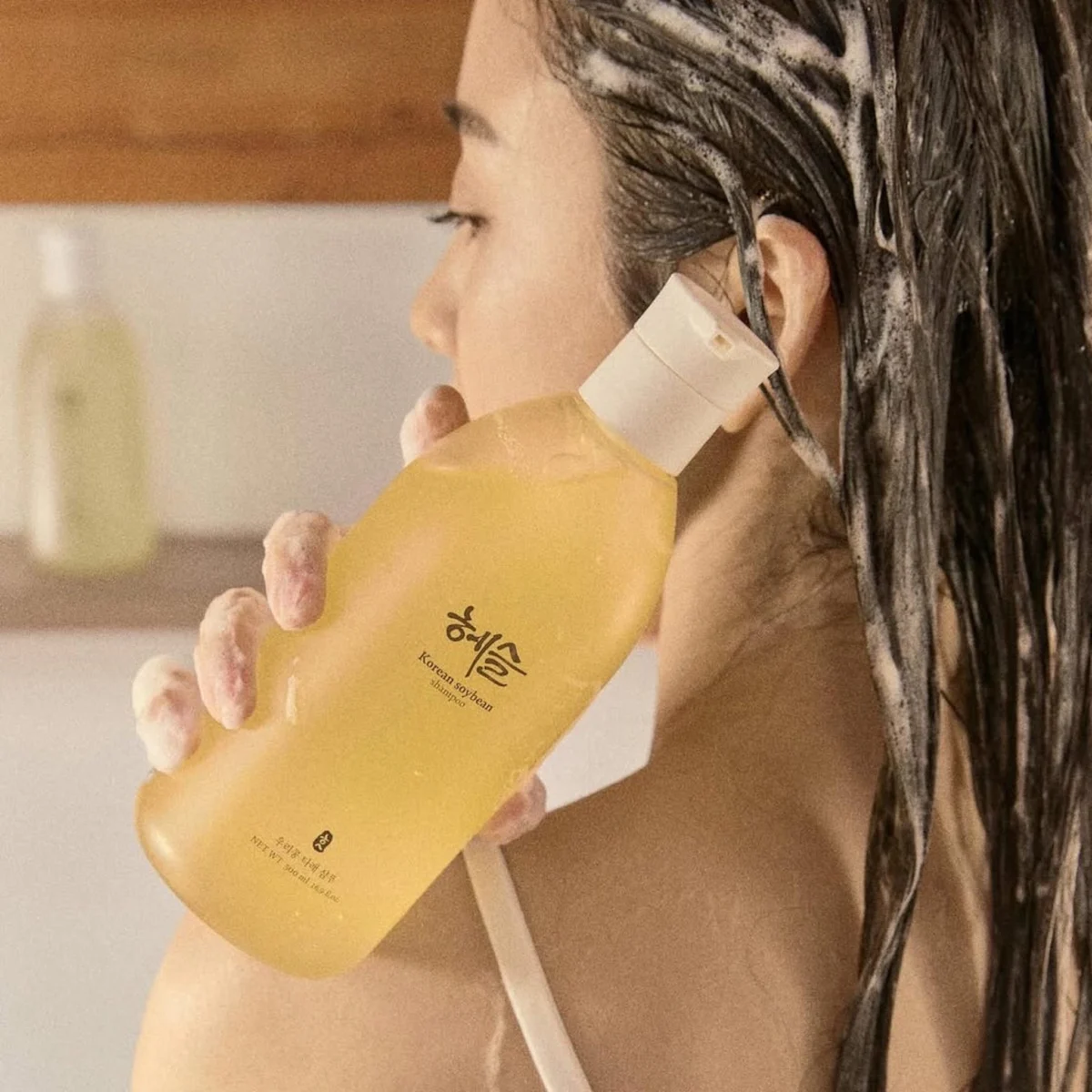
The global beauty market has long looked toward South Korea as a primary incubator for skincare innovation, but in recent years, this "K-Beauty" philosophy has expanded aggressively into hair care. The core principle of Korean hair care, much like its skincare counterpart, is that the health of the hair is inextricably linked to the condition of the scalp. By shifting the focus from simply coating hair strands with silicones to treating the follicle environment, Korean shampoos have garnered a significant international following. These products are increasingly defined by their use of traditional herbal medicine, known as "hanbang," paired with modern, scientifically backed scalp-care technology.

The Shift Toward Scalp-Centric Hair Care
The evolution of hair care in South Korea reflects a broader transition in global consumer habits. Over the last decade, consumers have become increasingly wary of harsh surfactants, parabens, and synthetic fragrances that can disrupt the scalp’s microbiome. In response, Korean laboratories have prioritized the development of formulas that function as an extension of facial skincare.

Historically, the industry relied on harsh chemical cleansers to strip away oil. However, current market leaders in South Korea now utilize sophisticated delivery systems that incorporate probiotics to balance the scalp’s pH, caffeine to stimulate blood flow to the follicles, and botanical extracts like ginseng and mugwort to soothe inflammation. This trend reached a tipping point around 2020, as global supply chains and e-commerce platforms like Amazon facilitated easier access to these specialized products for Western consumers.
Key Players and Formulation Philosophy

Several brands have emerged as industry leaders, each focusing on specific dermatological concerns. For instance, the brand Labo-H has become synonymous with the "scalp microbiome" trend. Their products, such as their flagship scalp shampoo, rely on plant-derived probiotics and caffeine. This approach addresses the root cause of hair fallout by creating a fortified environment for new growth.
Similarly, Dr.ForHair’s Folligen Shampoo has earned recognition from dermatological experts for its targeted approach to thinning hair. By combining salicylic acid for gentle exfoliation with panthenol and ceramides to repair the scalp barrier, the product serves as a clinical intervention for those struggling with hair loss. Dr. Lamm, a consultant dermatologist, notes that such products are "lightweight and clinically targeted," marking a departure from the heavy, oil-based shampoos that were once standard for conditioning.

Ingredients: The Science Behind the Botanicals
The efficacy of these shampoos often hinges on ingredients that have been used for centuries in East Asian medicine, now optimized for modern hair care.

- Ginseng: Widely recognized for its ability to stimulate circulation. When applied topically to the scalp, it is believed to invigorate the follicles, potentially extending the growth phase of the hair cycle.
- Fermented Botanicals and Rice Water: These ingredients are rich in amino acids, which provide the building blocks for keratin, the primary protein in hair. Fermentation breaks down molecules into smaller sizes, allowing for deeper penetration into the hair shaft.
- Cica (Centella Asiatica): A staple in Korean skincare for its anti-inflammatory properties, cica is increasingly used in hair care to calm an itchy or irritated scalp, providing a soothing sensation that reduces the urge to scratch—a behavior that can lead to physical damage.
- Peptides: These short chains of amino acids act as signaling molecules, telling the hair follicles to produce stronger, more resilient strands.
Evaluating the Efficacy and Market Impact
The surge in popularity of these products is not merely a marketing phenomenon; it is supported by measurable user outcomes. For example, brands like Dr. Groot have published internal studies indicating significant increases in scalp hydration—some reporting up to a 23 percent improvement within a single week of use.

From an analytical standpoint, the implications for the hair care industry are profound. Major global corporations are now rushing to integrate these "hanbang" ingredients into their own product lines. The shift suggests that consumers are no longer satisfied with superficial aesthetic results; they are demanding functional, health-focused solutions. The "scalp-first" mentality effectively commodifies the health of the skin beneath the hair, transforming the shower routine into a therapeutic, restorative practice.
Expert Insights and Clinical Guidance

Dermatologists are increasingly validating the use of Korean shampoos, though they offer nuanced advice for different hair types. Dr. Liu, a clinical expert in hair health, emphasizes that while these products are not exclusive to Asian hair, their performance varies based on texture. "There are lightweight, balancing options for oily or fine hair," she explains, "and richer, peptide-based formulas for thicker, damaged, or curlier hair."
However, there is a caveat for consumers with highly textured or extremely coarse hair. Many Korean formulas are designed with the assumption of straighter, medium-density hair. As a result, those with very tight curls or highly porous hair may find some of these products lacking in the intense moisture required to prevent breakage. In such cases, experts suggest using these shampoos as a "scalp treatment" wash, potentially following up with a more intensive, deep-conditioning treatment to address the needs of the mid-lengths and ends.

Chronology of a Beauty Trend
- 2015-2018: The rise of K-Beauty in the West focuses primarily on skincare, specifically the "10-step routine."
- 2019-2021: Hair care becomes the next frontier. Brands like Aromatica and Ryo gain international traction as "clean beauty" becomes a priority for global consumers.
- 2022-2024: Advanced biotech hair care, including bonding technologies (seen in brands like Cosrx and Unove), enters the market. The focus shifts toward repairing chemical and heat-induced damage while maintaining scalp integrity.
- 2025: The trend is now mainstream, with widespread availability via major retailers and a established consensus on the importance of scalp health in preventing hair loss.
Broader Economic and Social Implications

The success of Korean shampoos has forced a recalibration of the competitive landscape in the beauty industry. Traditional Western brands are now under pressure to replace sulfates and harsh chemicals with the gentler, nature-derived alternatives that have become the standard in Seoul.
Furthermore, the emphasis on scalp health has changed how consumers perceive "hair loss." Rather than relying solely on pharmaceutical-grade topicals, users are adopting a preventative, holistic approach. By incorporating ingredients like ginseng, biotin, and niacinamide into their daily wash, consumers are treating the scalp as an organ that requires consistent nourishment rather than just a substrate for styling products.

Conclusion: A Future of Integrated Hair Care
As the market continues to mature, we can expect to see further hybridization of Korean botanical wisdom and Western molecular science. The current lineup of popular shampoos—ranging from the scalp-scaling formulas of Aromatica to the protein-rich bonding treatments of Unove—represents a sophisticated evolution in consumer care.

For the average user, the takeaway is clear: the path to healthier hair begins at the root. Whether one is dealing with excess oil, thinning strands, or the aftermath of chemical processing, the modern Korean shampoo market offers a diverse array of scientifically formulated, scalp-supportive options. By focusing on the microbiome, hydration, and follicular stimulation, these products are setting a new standard for what it means to care for one’s hair in the 21st century. The transition toward these products indicates a permanent change in the industry, where the scalp is no longer an afterthought, but the foundation upon which hair health is built.