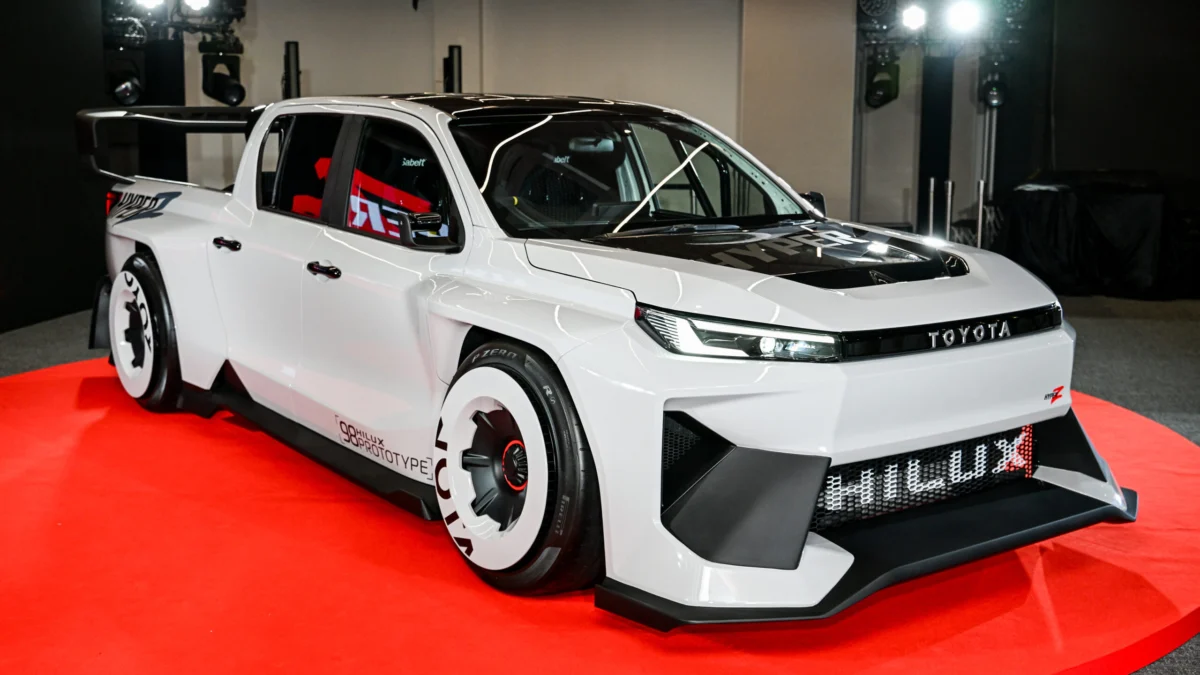
The fundamental ethos of the pickup truck—a vehicle segment defined by utility, cargo capacity, and go-anywhere versatility—has been entirely discarded in the pursuit of automotive theater with the unveiling of the Toyota Hilux Hyper Z. This radical prototype, which debuted as a showcase of extreme customization, represents a departure from the rugged, utilitarian roots of the Hilux nameplate. By sacrificing the traditional load bed for an aggressive aerodynamic configuration and slamming the chassis to within millimeters of the asphalt, Toyota Design Australia has created a vehicle that prioritizes aesthetic drama over the functional expectations of the truck market.
A Chronology of Concept Development
The project began in 2024, originating from a desire within Toyota’s international design divisions to explore the boundaries of the "street truck" aesthetic. Drawing direct inspiration from the burgeoning custom truck scene in Thailand, the development team sought to create a halo concept that would highlight the vast ecosystem of aftermarket accessories available for the Hilux platform.
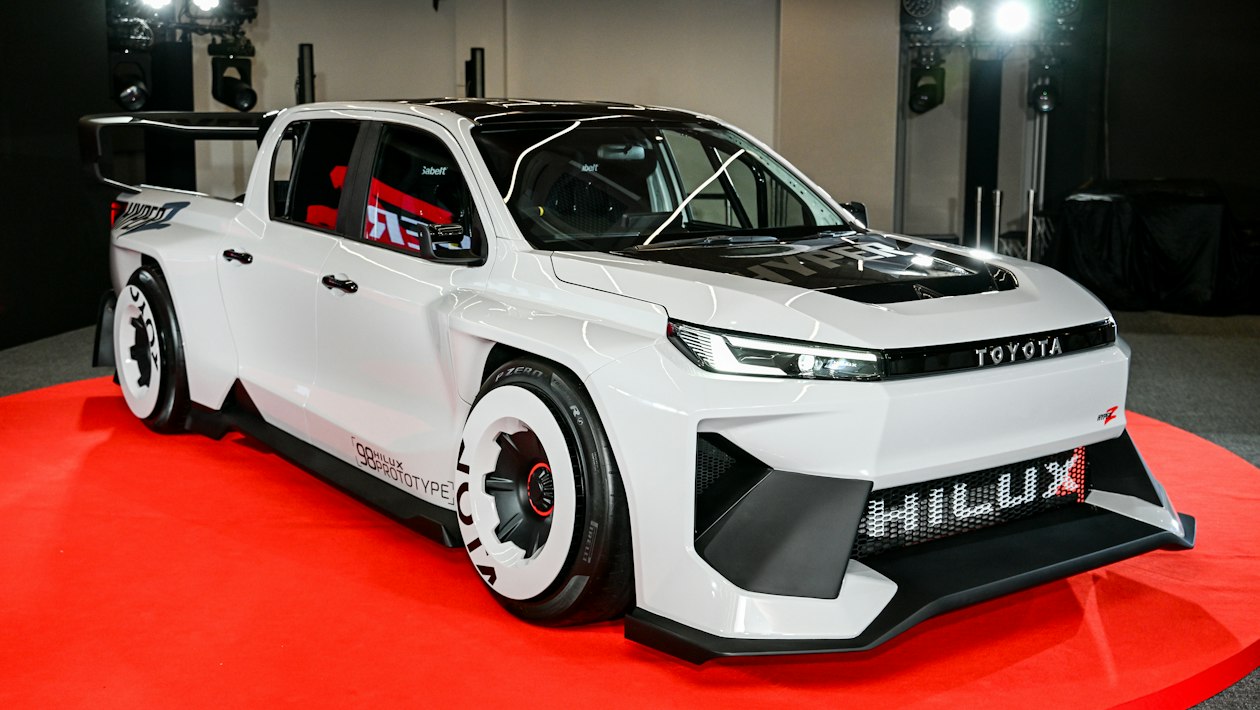
The base for this endeavor was the Thai-market Hilux Travo Z Edition, a model already predisposed to a lower, sportier stance than the global standard. Over the following two years, engineers and designers collaborated to transform the chassis. Unlike a standard vehicle refresh, the Hyper Z project required extensive structural modification. The timeline of the build saw the removal of the traditional tailgate and the permanent alteration of the rear bed, which now serves as a mounting point for a massive, fixed aerodynamic wing and support framework. This evolution from a production-based platform to a specialized prototype illustrates the shifting priorities of regional design hubs, where creating "brand noise" is increasingly valued alongside traditional manufacturing goals.
Engineering Specifications and Design Language
The physical dimensions of the Hilux Hyper Z are indicative of its role as a design study rather than a functional hauler. Measuring 5,360mm in length, the vehicle’s footprint is significantly extended by a prominent, track-ready front splitter and the elaborate rear aerodynamic array. Its width has been pushed to 2,203mm, giving the truck a menacing, wide-body stance that necessitates custom-fabricated wheel arches to accommodate the 22-inch alloy wheels.
The most striking departure from the Hilux lineage is the vehicle’s altitude. Standing at just 1,513mm tall, the Hyper Z is roughly 300mm lower than a standard production Hilux. This reduction in ride height effectively eliminates any off-road capability, transitioning the vehicle into the realm of drift-inspired performance machines. The suspension geometry, which appears to be highly modified based on preliminary imagery, utilizes specialized components designed for track stability rather than load-bearing articulation. Within the cabin, the utilitarian bench seating and work-focused interior have been stripped away, replaced by a pair of Sabelt racing bucket seats, further signaling the shift from a job site tool to a dedicated exhibition piece.

The Role of Aftermarket Ecosystems
The Hyper Z is not merely a design exercise; it functions as a marketing vehicle for the accessories industry. By incorporating parts such as the "Charismo Drift" body kit and specialized Lenso wheels, Toyota is signaling to consumers that the Hilux platform serves as a blank canvas for personalization.
In the automotive sector, this strategy is known as "lifestyle branding." By aligning the Hilux with the aesthetics of drift culture—a segment that prizes speed, precision, and visual impact—Toyota is attempting to broaden the demographic appeal of a vehicle traditionally associated with agriculture and construction. The project acts as a physical catalog, demonstrating how regional aftermarket providers in Southeast Asia can leverage the Hilux’s structural reliability to create high-performance-looking street machines. While the UK and European markets received the new Hilux generation in the summer of 2026 without these extreme modifications, the existence of the Hyper Z suggests that interest in aggressive, lifestyle-focused truck variants is a global trend that manufacturers are monitoring closely.
Technical Limitations and Prototype Reality
Despite its visual intensity, there is no indication that the Hilux Hyper Z is a fully functional, high-performance vehicle in the conventional sense. The lack of detailed performance specifications regarding the powertrain suggests that the focus of this prototype remained on exterior and interior fabrication. In the automotive industry, such "show cars" are often static or limited-function models designed for trade shows and brand awareness.
The integration of the rear wing—which is structural rather than purely decorative in its mounting—implies a design intent rooted in the "pro-touring" or "drift truck" movement. However, the lack of a functional load bed and the extreme reduction in ride height make the vehicle entirely incompatible with the core use cases of a pickup truck. Consequently, the Hyper Z occupies a niche space: it is an intellectual exercise in design, testing the limits of what a pickup truck’s silhouette can convey when divorced from its functional purpose.
Market Context and Implications
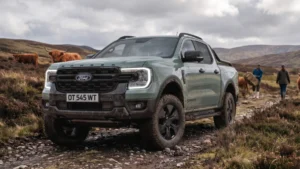
The automotive landscape in 2026 is increasingly polarized between high-utility work vehicles and high-performance lifestyle models. As the Hilux continues to face competition from manufacturers like Ford—whose Ranger model remains a primary rival in global markets—Toyota’s focus on the "Hyper Z" can be viewed as an effort to maintain the brand’s "cool factor."
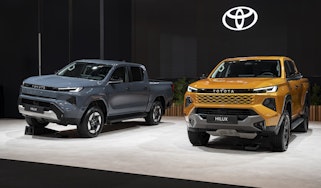
The recent launch of the new Hilux range, which includes mild-hybrid diesel and dual-motor electric configurations, highlights the company’s commitment to modernization. While these production vehicles offer the practical improvements expected by fleet buyers and contractors, the Hyper Z serves a different function. It provides a visual link to the youth-oriented customization scene, ensuring that the Hilux remains relevant in digital media and social spaces where traditional truck marketing often fails to penetrate.
Analysts observe that for major manufacturers, these prototypes act as a buffer against brand stagnation. By partnering with external suppliers and design houses, Toyota avoids the heavy costs of internal R&D for a vehicle that is not intended for mass production. Instead, they foster a symbiotic relationship with the aftermarket industry, which in turn sustains the longevity of the vehicle’s popularity among enthusiast groups.
Broader Impact on the Pickup Segment
The existence of the Hyper Z raises questions about the future identity of the pickup truck. As urban centers become more crowded and the necessity for massive, off-road-capable vehicles declines for many buyers, manufacturers are looking at ways to make trucks more palatable for street use. While the Hyper Z is clearly an extreme iteration, elements of this design philosophy—such as improved aerodynamic efficiency, lower center of gravity, and high-end interior appointments—are likely to bleed into future "sport" trims of standard pickup models.
The contrast between the Hyper Z and the standard Hilux arriving in European markets is stark. While the former is a flamboyant display of customization, the latter represents the reality of 2026 automotive regulations: a focus on emissions compliance, hybrid powertrains, and improved driver-assistance systems. The dichotomy between these two vehicles encapsulates the dual nature of the modern automotive industry, which must simultaneously cater to the demand for sustainable, efficient transport while keeping the flame of automotive enthusiasm alive through radical, performance-oriented design studies.
Ultimately, the Hilux Hyper Z will likely be remembered as a footnote in the extensive history of the Hilux nameplate—a playful, rebellious experiment that challenged the very definition of a utility vehicle. Whether or not it influences the production of a factory-tuned "street-sport" truck remains to be seen, but as a marketing tool, it has succeeded in placing the Hilux firmly in the spotlight of automotive innovation, proving that even the most practical of vehicles can find a place in the world of high-performance design.