While Silicon Valley executives and artificial intelligence leaders routinely command global headlines with warnings about the theoretical, long-term existential threats of rogue superintelligence, a coalition of former Environmental Protection Agency officials is sounding the alarm over a far more immediate and tangible danger. According to a comprehensive new report published by the nonprofit Environmental Protection Network, the rapid, largely unchecked expansion of energy-hungry data centers—fueled by an aggressive regulatory rollback under the Trump administration—presents a profound and imminent hazard to public health across the United States.
The report underscores a stark contradiction at the heart of the modern technological landscape: even as tech oligarchs debate science-fiction scenarios involving rogue algorithms, the physical infrastructure required to train and run these advanced models is actively worsening air quality, straining regional power grids, and dismantling decades-old environmental protections designed to keep American communities safe from toxic industrial pollution.
The Anatomy of a Regulatory Rollback
Since returning to the White House in January 2025, the Donald Trump administration has systematically dismantled or weakened dozens of core environmental safeguards. According to the analysis by former EPA experts, the administration has enacted at least 30 distinct policy changes targeting pollution standards, industrial permitting processes, and routine compliance inspections.
These regulatory retreats have not occurred in a vacuum; they are explicitly designed to grease the wheels for the burgeoning artificial intelligence sector. In a memorandum circulated last year, EPA Administrator Lee Zeldin made the administration’s priorities crystal clear, writing that the agency is fully committed to positioning the United States as the global leader in artificial intelligence. To achieve this, Zeldin stated that the EPA would actively "cut heavy-handed regulations" to ensure that tech developers can rapidly build and power the massive data centers deemed essential to making America the "AI Capital of the World."
This mandate has translated into sweeping operational shifts within the nation’s premier environmental watchdog. Most notably, the administration has gutted the EPA’s main scientific research office—a move that has severely compromised the agency’s ability to independently monitor, model, and evaluate the environmental consequences of industrial expansion.
Furthermore, the agency has reoriented its enforcement priorities toward a "compliance-first" philosophy that discourages aggressive oversight. According to internal directives cited in the report, enforcement staff have been instructed to steer clear of actions that might "unduly burden or significantly disrupt" energy production or power generation.
For veterans of the agency who spent decades crafting and enforcing the Clean Air Act, this pivot represents a betrayal of the EPA’s founding mission. Dan Costa, who dedicated 35 years of his life to studying air pollution at the agency, reflected on the loss during a recent press briefing.
"Over the decades, toxicologists, chemists, atmospheric scientists, modelers, and engineers worked in concert with academic colleagues on behalf of the American people—not on behalf of industry," Costa said. "We wanted to carry out EPA’s mission of protecting people’s health from industrial air pollution. Transforming the nation’s energy system, while diminishing its scientific capacity to understand what the impacts are going to be, makes no sense."
A Relentless Infrastructure Boom Meets Diminished Oversight
The friction between rapid technological growth and environmental protection is rooted in the unprecedented physical demands of modern artificial intelligence. Training and operating large language models and hyperscale data systems requires staggering amounts of electricity.
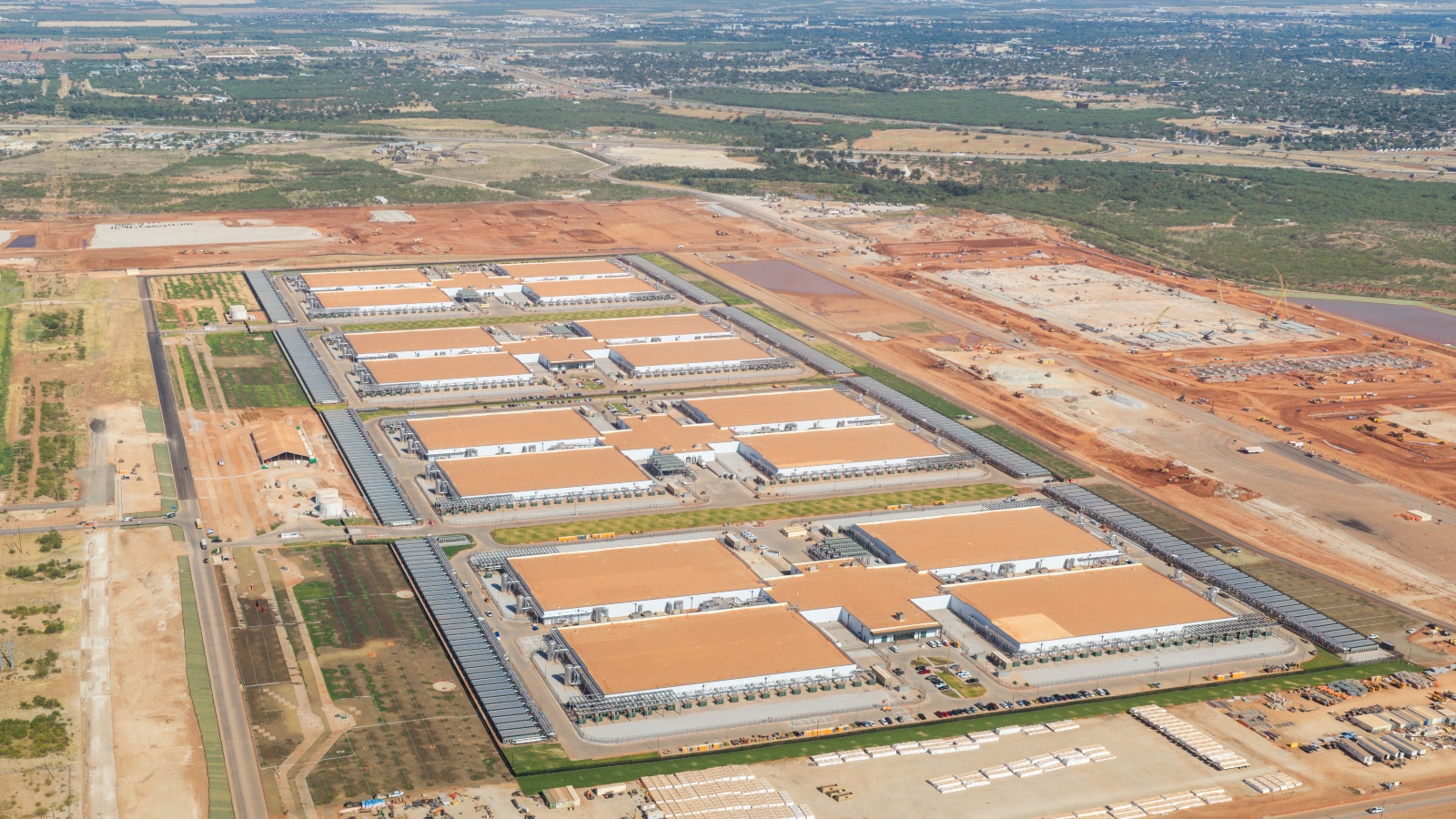
Currently, there are approximately 3,000 operational data centers scattered across the United States. However, this figure is poised to skyrocket; more than 1,500 additional facilities are currently in various stages of planning and construction. Because these facilities must operate 24 hours a day, seven days a week with near-zero tolerance for downtime, they demand immense, reliable baseload power.
Historically, meeting this kind of continuous energy demand would require a methodical, heavily regulated expansion of the electrical grid, coupled with rigorous environmental reviews for any new generation sources. Instead, the current gold rush has short-circuited standard review protocols.
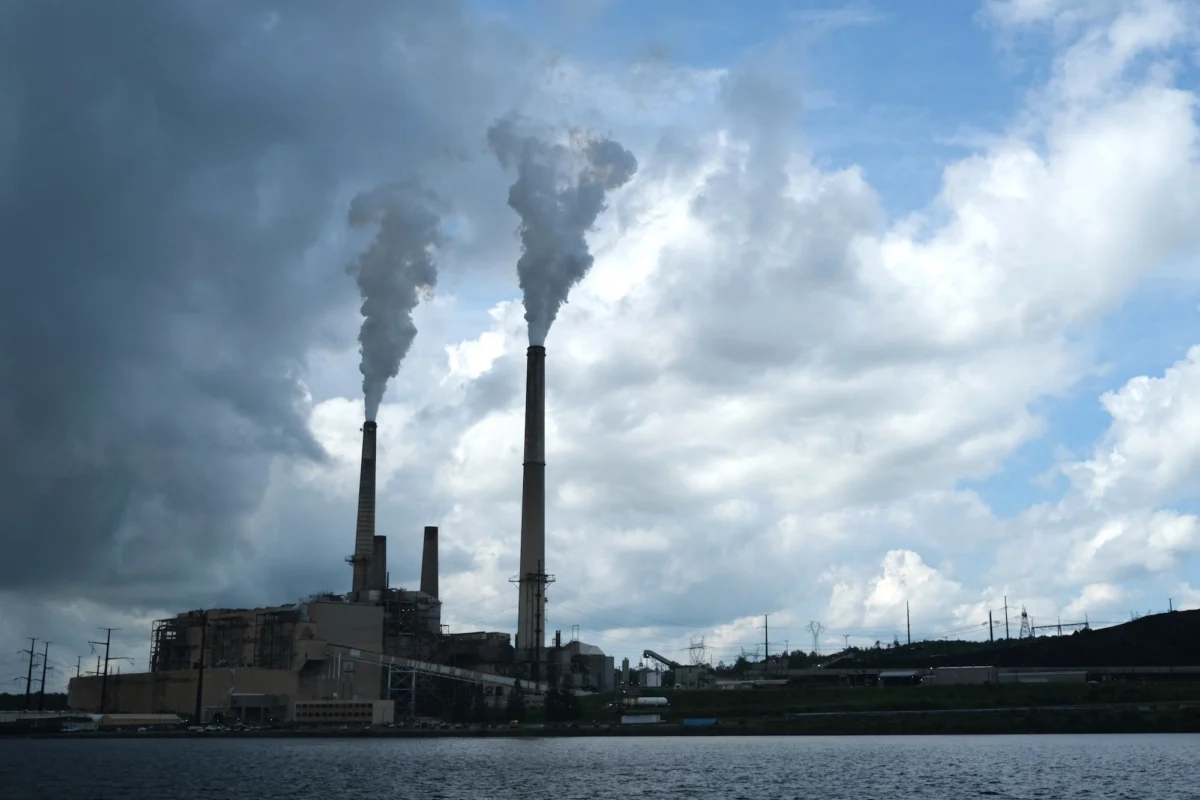
To feed the insatiable energy appetites of these tech hubs, developers and utilities are increasingly turning to fossil fuels. In several regions across the country, deregulation has facilitated the decision to keep aging, highly polluting coal-fired power plants online well past their planned decommissioning dates. Rather than retiring these climate- and health-damaging facilities, utility companies are receiving regulatory nods to keep them running indefinitely to supply the necessary wattage for server farms.
In other instances, tech companies have bypassed the regional grid entirely, opting instead to install massive, onsite fossil-fuel-powered gas turbines. A prominent example includes the infrastructure surrounding xAI’s "Colossus" supercomputer cluster, where the deployment of unmitigated gas turbines has drawn fierce opposition from local residents and environmental justice advocates alike.
Compounding these localized risks, the EPA has proposed sweeping rule changes that would allow developers to begin constructing data centers and their associated captive power plants prior to securing official air pollution permits. By decoupling construction from environmental authorization, the administration is effectively greenlighting industrial-scale emissions before communities have had a chance to evaluate the local health impacts or voice their concerns during formal review periods.
The Human Toll: Quantifying the Health Risks
While the economic and geopolitical arguments for dominating the global AI race are frequently repeated in Washington, the human cost of the supporting infrastructure is rarely factored into national policy debates. Independent scientific studies and public health experts warn that the emissions tied to the data center boom will carry a heavy, measurable toll in human lives.
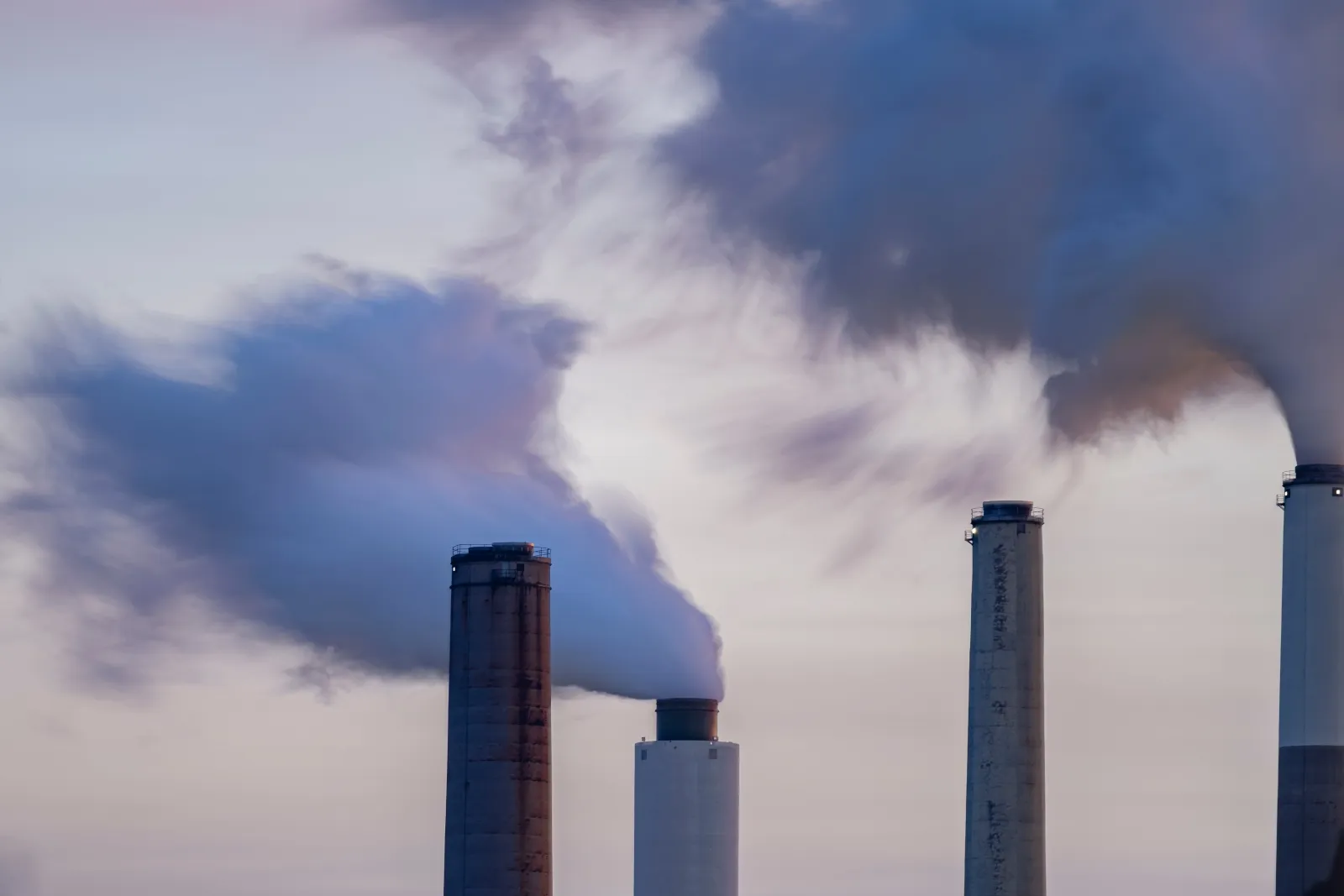
A study cited by the former EPA researchers in their report estimates that the surge in air pollution associated with the AI boom could lead to as many as 1,300 additional premature deaths per year in the United States. These fatalities are primarily driven by an increase in fine particulate matter ($PM_2.5$), nitrogen oxides, and other harmful byproducts of fossil-fuel combustion.
Dr. Lynn Goldman, a pediatrician and former assistant administrator for toxic substances at the EPA, emphasized the cascading health consequences during the recent press conference. Goldman explained that the physiological impacts of increased air pollution manifest across vastly different timelines depending on the health status and age of the exposed individuals.
Immediate risks can include acute asthma attacks, cardiac arrhythmias, and heart attacks triggered by spikes in particulate matter, alongside a heightened risk of low birth weights and premature births for pregnant individuals living near industrial power sources. Chronic illnesses, including various forms of cancer and long-term respiratory degradation, may take years or even decades to fully manifest.
"The AI industry’s race for advantage should not be a matter of life or death," Goldman stated. "Families shouldn’t have to pay for the AI boom with their health."
Furthermore, the geographic distribution of these hazards is rarely equitable. Data centers and their associated power generation facilities are disproportionately sited in rural areas and lower-income communities—frequently dubbed "fenceline communities"—where land is cheap, regulatory resistance is historically lower, and populations already experience elevated burdens of systemic pollution.
Chronology of the Policy Shift
To understand how the federal government arrived at this juncture, it is helpful to examine the swift timeline of events that have reshaped the regulatory landscape:
- December 2024: Independent academic and scientific studies begin highlighting the exponential rise in electricity consumption and carbon emissions linked to the rapid proliferation of generative artificial intelligence models.
- January 2025: Donald Trump returns to the White House, immediately initiating a sweeping government-wide effort to slash environmental regulations in the name of economic competitiveness and energy independence.
- Spring 2025: EPA Administrator Lee Zeldin issues internal memoranda establishing the agency’s primary directive: supporting the technological infrastructure required to make the United States the undisputed global leader in artificial intelligence by removing bureaucratic hurdles.
- Summer 2025: The Trump administration officially dismantles the EPA’s central scientific research office, cutting back independent federal studies on emerging environmental contaminants and shifting staff responsibilities toward industry facilitation.
- Late 2025 to Early 2026: Utility companies across the country announce delays in the retirement dates of dozens of legacy coal-fired power plants, explicitly citing the surging energy demands of newly planned hyperscale data centers.
- Mid-2026: The EPA proposes critical rule changes that would permit developers to break ground on data centers and localized power generation units before securing formal air pollution permits, while enforcement divisions are instructed to avoid disrupting energy production.
- September 2026: The Environmental Protection Network releases its landmark report, authored by former EPA officials and career scientists, detailing the cumulative public health hazards of the more than 30 regulatory rollbacks enacted since January 2025.
Broader Implications and Future Outlook
The collision between the artificial intelligence revolution and public health protections forces a fundamental question upon policymakers: Can a nation sustainably build the digital infrastructure of tomorrow by systematically dismantling the environmental safeguards of the past?
From a geopolitical perspective, the Trump administration’s strategy is designed to ensure that American tech firms outpace international competitors, particularly China, in the race for artificial intelligence dominance. Proponents of this deregulatory push argue that bureaucratic delays and stringent environmental reviews could cause the United States to lose its competitive edge, ceding technological leadership to nations with far more permissive environmental standards.
However, critics, public health advocates, and former regulatory officials counter that this short-term calculus ignores the profound long-term costs. The degradation of local air quality, the resurrection of dirty coal plants, and the increased incidence of chronic respiratory and cardiovascular disease represent a massive, hidden subsidy paid by American citizens in the form of medical bills, lost productivity, and truncated lives.
As the backlog of more than 1,500 planned data centers moves steadily closer to construction, the pressure on local, state, and federal institutions will only intensify. Without federal intervention or reinstated oversight from the EPA, communities across the country are increasingly finding themselves on the front lines of a new industrial era—forced to choose between participating in the digital future and breathing clean air.