The United States judicial system has drawn a sharp line regarding environmental rights and constitutional protections, ruling in a landmark decision that access to clean, safe drinking water is not a guaranteed right under the U.S. Constitution. The September 4 ruling by the Fifth U.S. Circuit Court of Appeals arrived in the wake of a protracted, decades-long public health and infrastructure crisis in Jackson, Mississippi—a municipality where over 80 percent of the population is Black and where poverty rates remain more than double the national average.
In its decision, the appellate panel went a step further, asserting that the Constitution similarly fails to secure a citizen’s "right to truthful information from officials during a public health crisis." The verdict effectively shuts down legal pathways for residents seeking constitutional redress for governmental misrepresentation, leaving marginalized communities to grapple with failing municipal systems while possessing limited federal judicial remedies.
The ruling underscores a deepening systemic vulnerability for Black communities across the United States. According to federal environmental data, minority neighborhoods face disproportionately higher rates of health-based Safe Drinking Water Act violations compared to predominantly white regions. Furthermore, structural environmental research indicates that water infrastructure improvement projects in communities with larger Black populations experience significantly longer delays in receiving funding, engineering oversight, and physical repairs.
The Legal Battle and the Court’s Rationale
The federal appeals court ruling stems from a 2022 class-action lawsuit filed by Jackson residents against the city and former Mayor Chokwe Antar Lumumba. The plaintiffs alleged that municipal and state authorities knowingly allowed lead-contaminated water to reach residential taps while simultaneously issuing false public assurances that the supply was safe for consumption.
The lawsuit further contended that state officials violated federal civil rights laws by systematically redirecting federal funds designated for water safety infrastructure away from Jackson and toward predominantly white communities. Seeking damages and mandatory operational overhauls, the plaintiffs argued that the city’s actions violated their Fourteenth Amendment right to bodily integrity, noting that residents had routinely been forced to contend with brackish, impure water or complete interruptions in service.
Writing for the majority, U.S. Circuit Judge Kurt Engelhardt affirmed a lower court’s dismissal of the lawsuit. While acknowledging that access to safe water is undoubtedly important, the court held that such a safeguard is not a fundamental liberty "deeply rooted in our Nation’s history and tradition"—the legal benchmark required to establish a constitutional right.
Addressing the plaintiffs’ claims regarding official deception, Judge Engelhardt drew a strict distinction between government malfeasance and direct physical intrusion by the state. He wrote that "lying about the presence of lead in the water is a far cry from the state’s physically extracting evidence from a criminal suspect or conducting an invasive medical procedure without consent," ultimately concluding that the Constitution does not provide a remedy for every instance of government wrongdoing.
The decision was not unanimous. In a partial dissent, U.S. Circuit Judge Catharina Haynes argued that the plaintiffs had successfully presented plausible claims that city officials violated their constitutional rights to bodily integrity by knowingly exposing them to severe environmental hazards.
Chronology of a Municipal Infrastructure Collapse
The legal defeat is the latest chapter in a multi-decade crisis that predates national media coverage. Long before the infrastructure failures of 2021 and 2022 brought intense scrutiny to Mississippi’s capital, generations of Jackson residents experienced chronic water instability.
The roots of the crisis lie in decades of deferred maintenance, aging water treatment facilities, frequent water main breaks, chronic municipal staffing shortages, and a shrinking tax base. As industrial flight and suburbanization drained the city’s economic resources, Jackson lost the revenue required to sustain its sprawling public works network.
The timeline of acute failures highlights a compounding emergency:
- March 2020: The U.S. Environmental Protection Agency (EPA) issued an emergency order stating that conditions within Jackson’s water system posed an "imminent and substantial endangerment" to human health, citing critical deficiencies in treatment protocols and distribution infrastructure.
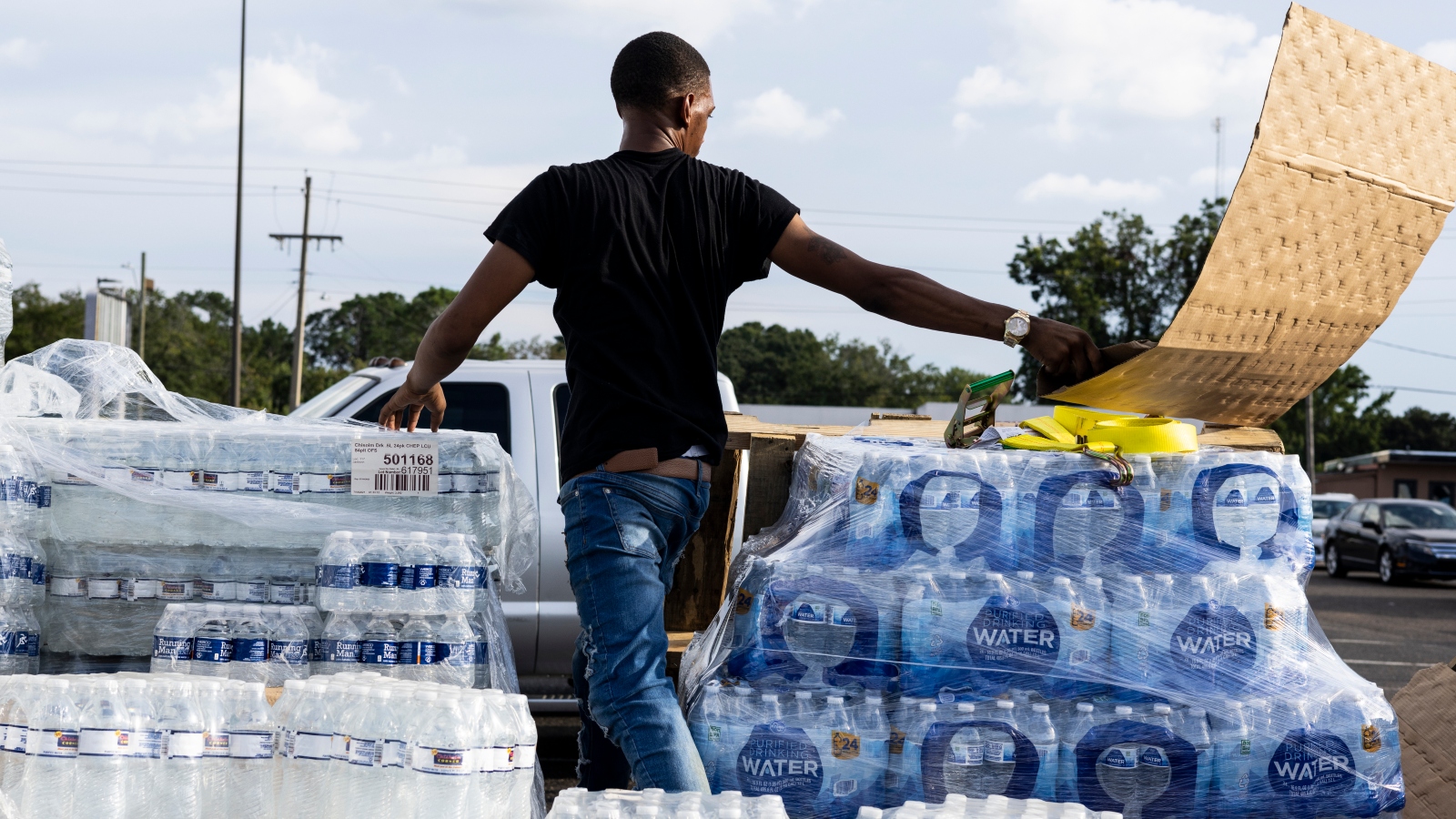
- February 2021: A severe winter storm struck the region, freezing aging equipment and rupturing water lines. The freeze left tens of thousands of residents without running water for weeks, forcing reliance on bottled water distribution and emergency rations.
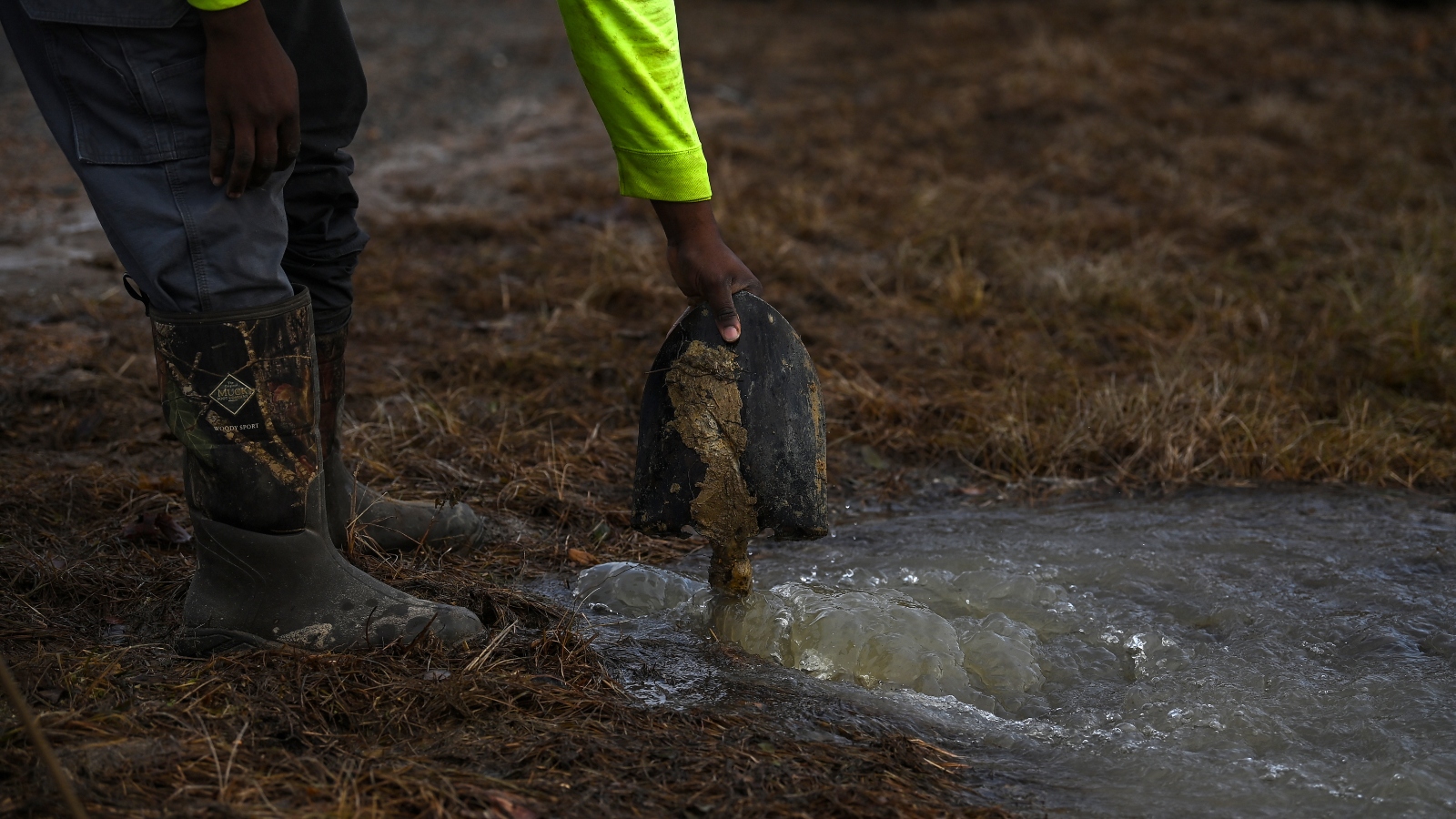
- August and September 2022: Heavy rainfall triggered severe flooding, compounding failures at the O.B. Curtis Water Treatment Plant—the city’s primary water treatment facility. The plant’s collapse left the entire city under a boil-water notice, shut down public schools, and crippled local businesses, prompting direct federal intervention and the appointment of an external third-party manager.
- March 2023–Present: Under federal oversight, court-approved management company JXN Water assumed control of operations. While the utility has worked to stabilize operations and increase revenue, financial recovery efforts have placed a heavy economic burden on residents through escalating service rate hikes.
Socioeconomic Disparities and Health Impacts
The implications of Jackson’s water crisis extend far beyond infrastructure, intersecting heavily with public health and racial equity. Decades of exposure to heavy metals and biological contaminants have left lasting scars on the community.

Public health studies consistently show that childhood lead exposure leads to irreversible cognitive impairment, developmental delays, and long-term neurological damage. Research indicates that race remains the single strongest predictor of lead poisoning risk in the United States, superseding household income.
Local residents have documented severe personal tolls. Families have reported chronic kidney infections, gastrointestinal illnesses, and learning disabilities among school-aged children attributed to long-term consumption and use of contaminated water. Many residents have spent years commuting to neighboring jurisdictions merely to wash clothes, bathe, and secure potable water for daily survival.
Furthermore, community advocates emphasize the compounding financial strain placed on low-income households. Following court-approved rate adjustments, JXN Water implemented a 12 percent rate increase, raising average residential water and sewer bills by roughly $8.88 per month to approximately $88. Additional rate hikes—including proposed increases of 10 percent in 2027, 9 percent in 2028, and 8 percent in 2029—threaten to stretch household budgets in a city where the poverty rate hovers near 30 percent.
Official Responses and Institutional Stances
Reaction to the Fifth Circuit’s ruling has exposed deep divisions between local governance, federal oversight bodies, and community advocacy networks.
In an official statement following the decision, Jackson Mayor John Horhn addressed the legal outcome, stating, "We are pleased that the Fifth Circuit upheld the dismissal of these claims. The City remains committed to the health, safety, and well-being of every Jackson resident." Municipal leaders have maintained that their primary focus is securing federal infrastructure grants and operational stabilization to modernize the water system.
However, grassroots organizers have sharply criticized the judicial and administrative response. Danyelle Holmes, a senior national organizer with Mississippi’s Poor People’s Campaign, condemned the ruling’s implications for impoverished communities.
"Jackson residents did everything this country tells poor people to do. They organized, they testified, they boiled their water, they filed suit, they trusted the courts. And at every step the answer has been no," Holmes said. "What it signals is that the law has told a majority-Black capital city that its suffering is real but its remedy does not exist."
Brooke Floyd, a long-time Jackson resident and community activist, expressed skepticism regarding equal protection under the law. "I do think the ruling would’ve been different if the majority of our city looked different, was in a different tax bracket, and had a different ZIP code," Floyd noted. "The problem the rest of America needs to worry about is, while they were making sure not to guarantee me my rights, they were quietly taking yours, too."
Broader Implications for Environmental Justice
Legal analysts note that the Fifth Circuit’s decision sets a formidable precedent for environmental litigation across the American South, falling within the jurisdiction of a federal circuit widely regarded as one of the most conservative in the nation. By determining that environmental degradation of municipal water systems does not trigger constitutional protections under the Fourteenth Amendment, the ruling severely curtails the ability of citizens to utilize civil rights litigation as a tool for environmental accountability.
Compounding these legal hurdles, the EPA previously determined that Jackson could not secure certain forms of administrative relief or corrective action through Title VI of the Civil Rights Act of 1964, which prohibits discrimination in programs receiving federal financial assistance.
As federal courts close the door on constitutional remedies, advocacy organizations emphasize that reform will likely depend on legislative action, regulatory enforcement, and grassroots political mobilization. Despite the structural setbacks, community leaders maintain that the struggle for safe drinking water transcends traditional partisan divides.
"We are organizing, we are marching to the polls, and we are not waiting on a court to tell us our lives are worth clean water," Holmes concluded. "This is not about left and right. It is about right and wrong."