The traditional approach to real estate lead generation—driving through neighborhoods to identify distressed properties by sight—is increasingly being supplanted by systematic, data-centric methodologies. While visual indicators like neglected landscaping, structural decay, or code enforcement notices remain relevant, experienced investors have identified that these physical cues often lead to inefficient outcomes. Real estate professionals are now shifting their focus toward a "math-first" strategy, prioritizing property equity and financial viability before committing time to on-site physical inspections or outreach.
This transition marks a significant change in how residential and commercial deals are sourced. By leveraging real estate data platforms, investors can now filter thousands of properties based on objective financial markers, such as loan-to-value ratios and tax delinquency status, ensuring that potential leads are not only distressed but also possess the necessary equity to make a transaction feasible.
The Problem of Inefficient Lead Sourcing
For many years, the industry standard for identifying prospective sellers involved "driving for dollars." This practice requires investors to physically traverse neighborhoods to locate properties with visible maintenance issues. While this method can occasionally reveal motivated sellers, it is inherently reactive and prone to high failure rates.
Data from the past decade suggests that a substantial percentage of visibly distressed properties are burdened by significant debt. In many cases, a property may appear to be an ideal investment opportunity due to its poor exterior condition, yet the owner may have recently refinanced or tapped into the home’s equity. If a property has a high loan-to-value ratio, the owner may be legally or financially unable to sell without a capital injection at the closing table. This realization often occurs only after weeks of research, phone calls, and property analysis, leading to a profound loss of professional time and resources.
A Chronology of the Modern Prospecting Workflow
The contemporary approach to identifying high-probability leads follows a strict, time-constrained protocol. By breaking down the prospecting process into a 20-minute window, investors can maintain consistency and avoid the "analysis paralysis" that often accompanies large, unmanageable datasets.
- Minutes 0–3: Geographic Narrowing. The process begins by defining a service area. Whether it is a single county or a specific set of ZIP codes, limiting the search scope is essential. Experts note that attempting to manage a list of 90,000 properties is unsustainable; focusing on a manageable, driveable radius allows for better follow-up and faster response times.
- Minutes 3–8: The Equity Gate. The most critical step in the modern workflow is filtering for equity. Investors typically look for properties with an estimated equity of 50% or higher, or those that are completely "free and clear" of mortgage debt. This step acts as a primary filter, eliminating properties where a sale is mathematically impossible under standard market conditions.
- Minutes 8–14: Layering Distress Indicators. Once the equity requirement is met, investors layer secondary indicators of distress. These include, but are not limited to, tax delinquency, vacant property status, pre-foreclosure filings, or absentee ownership. These markers signal not just a property in need of repair, but an owner who may be motivated to liquidate the asset.
- Minutes 14–17: Prioritization. Rather than treating all leads as equals, investors categorize them based on the frequency of "distress signals." A property that is both vacant and tax-delinquent is prioritized over a property that only displays a single marker. This ranking system ensures that the most urgent situations are addressed first.
- Minutes 17–20: Execution. The final stage involves skip tracing to secure accurate contact information for the property owners. This allows for direct outreach—via phone, text, or professional mailers—targeting the specific decision-makers.
The Economic Implications of Data-First Strategies
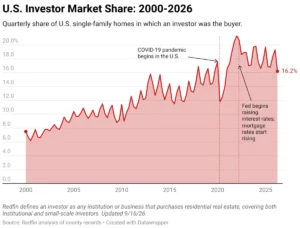
The shift toward data-driven prospecting is largely a response to increased competition and the volatility of real estate markets. As interest rates fluctuate and economic conditions tighten, the margin for error in real estate investing has narrowed.
According to recent market analyses, properties that are identified through multi-layered filtering often yield higher conversion rates. By removing the guesswork, investors can focus their capital and energy on leads that have been pre-vetted for financial feasibility. This methodology also addresses the "time-value" of real estate investing. By spending less time chasing "dead-end" leads—properties that are physically distressed but financially locked—investors can increase the volume of offers presented, which statistically correlates with a higher number of closed transactions.
Expert Perspectives on Effective Outreach
While the data collection process is technical, the human element of the transaction remains paramount. Once a lead has been identified, the initial outreach is crucial. Industry professionals emphasize that the goal of the first contact is not to force a sale, but to establish a line of communication.
Effective outreach avoids aggressive sales tactics. Instead, it relies on neutral, inquiry-based language. For example, rather than stating, "I want to buy your house," successful investors often pose the situation as a question: "I am interested in property in this area and noticed your place. Are you open to an offer, or is that not something you would consider?" This approach provides the property owner with an "easy out," which often increases the likelihood of a candid response. If the owner declines, the investor saves time; if the owner is interested, the conversation proceeds on a foundation of mutual willingness.
Broader Market Impact and Technological Integration
The widespread adoption of platforms like PropStream, which offer over 165 filters and access to millions of property records, has democratized the ability to conduct professional-grade market research. This technology allows individual investors to perform analyses that were previously reserved for institutional hedge funds and large-scale developers.
However, the saturation of these tools has also increased the need for more sophisticated strategies. Because many investors are now using the same filters, the "secret sauce" of successful prospecting is no longer just having access to the data, but having the discipline to run the process consistently.
Investors who succeed in any market are those who recognize that real estate is a relationship business supported by technology. The most effective strategy is to integrate these tools into a recurring schedule—monthly or bi-weekly—to capture new data as it enters the system. A property that enters the tax-delinquency cycle today represents a fresh opportunity that was not present last month. By monitoring these cycles, investors position themselves to reach out before the owner has formally decided to list the property with an agent.
Conclusion: The Future of Lead Generation
The evolution of real estate lead generation reflects a broader trend toward data-driven decision-making in all sectors of the economy. While the physical act of viewing a property remains a necessary step in the due diligence process, it is no longer the starting point for effective prospecting.
By prioritizing equity and financial readiness, investors can streamline their operations, reduce wasted time, and increase their overall efficiency. As markets continue to evolve, the ability to rapidly synthesize large datasets into actionable, high-quality leads will likely remain the most significant competitive advantage for real estate professionals. The "20-minute" methodology, characterized by its brevity and focus, serves as a blueprint for those seeking to remain resilient in an increasingly complex real estate landscape. Those who master this balance of technical rigor and interpersonal communication will be best positioned to capitalize on opportunities, regardless of market conditions.