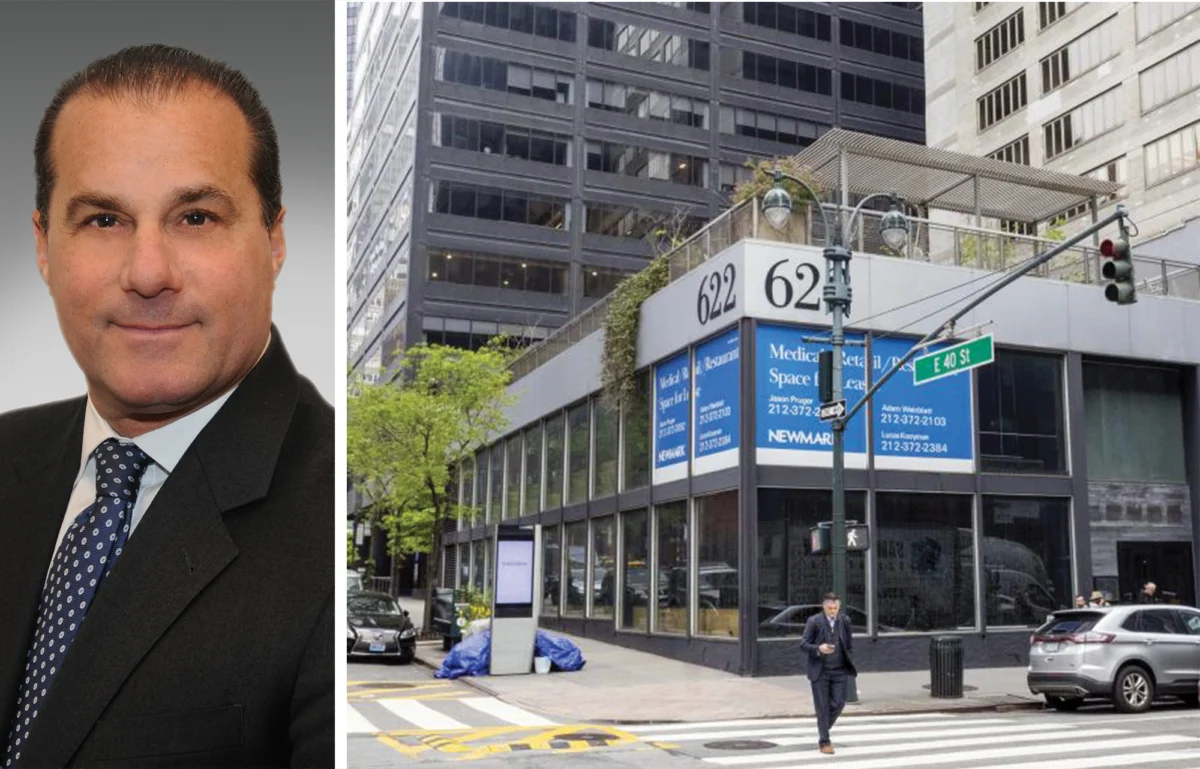
The boutique law firm Thompson, renowned for its specialized legal practice in mergers and acquisitions, tax transactions, and intellectual property litigation, has finalized a strategic relocation of its New York City headquarters. The firm, currently operating out of 75 Broad Street in the heart of the Financial District, will transition its operations to the 16th floor of 622 Third Avenue—a prominent 40-story office tower in Midtown East commonly referred to as Grand Central Plaza. This move marks a significant geographic shift for the firm, signaling a departure from the traditional downtown legal corridor toward the more centrally located Midtown business hub.
Lease Agreement and Financial Terms
The relocation agreement involves a five-year lease for a 4,000-square-foot office footprint. According to data provided by Resolution Real Estate, the firm representing Thompson in the transaction, the asking rent for the space was set at $75 per square foot. While specific concessions and final effective rent figures are typically held confidential in such commercial transactions, the deal underscores the firm’s commitment to maintaining a boutique, highly efficient workspace that aligns with the premium nature of its transactional legal practice.
The transaction was facilitated by Jeffrey Zund and Michael Adler of Resolution Real Estate, who acted on behalf of Thompson. The landlord, Cohen Brothers, managed the negotiation through their in-house leasing department, represented by Marc Horowitz. This move is expected to be completed by the fall of this year, facilitating a seamless transition for the firm’s attorneys and support staff as they integrate into the new Midtown infrastructure.
The Evolution of Grand Central Plaza
The building at 622 Third Avenue, designed by the architectural firm Emery Roth & Sons, remains a fixture in the Midtown East commercial landscape. Positioned between East 40th and East 41st Streets, the tower benefits from its proximity to major transportation arteries, including Grand Central Terminal, which has been a primary driver for office demand in the neighborhood.
To remain competitive in a changing market, the property underwent a substantial $5 million capital improvement program in the early 2010s. These upgrades were designed to modernize the building’s aesthetic, improve energy efficiency, and update common areas, ensuring that the property remains a viable option for boutique firms and established corporate tenants alike. The building’s current roster of tenants reflects a diverse array of industries, including the employment agency TemPositions, industrial outdoor storage provider Zenith IOS, and the commercial real estate financing firm Cooper-Horowitz. The presence of these varied entities highlights the building’s utility for professional service firms seeking central access without the overhead of the city’s trophy-class skyscrapers.
Contextualizing the Financial District to Midtown Shift
The relocation of Thompson from 75 Broad Street to Midtown East reflects a broader trend among mid-sized professional service firms in New York City. For decades, the Financial District was the undisputed home for law firms serving the banking and finance sectors. However, the post-pandemic landscape has forced many firms to re-evaluate their proximity to clients and the accessibility of their office locations for a hybrid workforce.
Midtown East, and specifically the Grand Central submarket, has seen consistent demand due to its superior connectivity to suburban commuter rail lines via Metro-North and the Long Island Rail Road. For a firm like Thompson, which specializes in complex mergers and acquisitions and tax law, being situated closer to the midtown financial hubs where many investment banks and private equity firms maintain satellite or main offices provides a tactical advantage. This proximity facilitates easier face-to-face meetings and enhances the firm’s ability to attract top-tier legal talent who prioritize shorter, more predictable commutes.
Analysis of the Boutique Legal Market
The legal sector in New York City has undergone significant restructuring over the last five years. Boutique firms, characterized by their niche focus rather than a full-service approach, have thrived by offering specialized expertise at price points that often undercut larger "Big Law" competitors. By downsizing or rightsizing their physical footprint—such as Thompson’s 4,000-square-foot requirement—these firms are demonstrating a sophisticated approach to overhead management.
The shift from 75 Broad Street, a location steeped in the history of downtown commerce, to 622 Third Avenue, a modernized Midtown asset, is a testament to the prioritization of "quality over quantity" in office space. Modern law firms are increasingly seeking spaces that favor collaborative hubs and advanced technological infrastructure over large, individual partner offices. The 16th-floor configuration at Grand Central Plaza likely offers the floor plate flexibility necessary to accommodate these modern office design trends, allowing Thompson to optimize its internal workflows.
Official Perspectives and Market Implications
While representatives from Resolution Real Estate and Cohen Brothers have remained reserved regarding the specific nuances of the negotiations, the deal serves as a bellwether for the health of the Midtown East secondary office market. Despite ongoing concerns regarding vacancy rates in older Manhattan office stock, well-maintained buildings in the $70 to $90 per square foot price range continue to attract stable, creditworthy tenants.
The ability of the Cohen Brothers to secure a five-year commitment from a legal firm provides a degree of stability for the property, mitigating the risks associated with the current volatility in the commercial real estate sector. Furthermore, the move is indicative of a "flight to quality," where tenants are migrating away from aging, less efficient buildings toward assets that have recently undergone capital expenditures. For Thompson, the investment in a refreshed office environment is a long-term play aimed at bolstering brand identity and enhancing the client experience.
Broader Economic Implications
New York City’s commercial real estate market remains a critical indicator of the city’s economic health. As legal firms represent a significant portion of the city’s commercial office space absorption, the movement of boutique practices provides insights into how professional services are adapting to the new reality of business in the 2020s.
- Accessibility: The move to 622 Third Avenue emphasizes the importance of transit-oriented development. In a city where time is the most valuable commodity, the ability to reach a client’s office or the courthouse quickly remains a primary driver for location decisions.
- Technological Integration: The renovations undertaken by the building’s ownership have clearly catered to the demands of modern legal practices, which require high-speed connectivity and secure infrastructure to handle confidential client data.
- Talent Retention: With a competitive legal market, firms are utilizing their office environment as a recruiting tool. Moving to a building that houses reputable industry peers and offers modern amenities helps firms like Thompson project an image of success and stability to prospective associates and clients.
Future Outlook for Thompson
As the firm prepares for its move this fall, the transition will likely involve a complete integration of its M&A and IP practice groups into the new space. The boutique nature of the firm suggests that the office will be designed to encourage high-level collaboration. By establishing a presence in Grand Central Plaza, Thompson is effectively positioning itself to capture market share within the mid-market transactional space, an area that has remained resilient despite macroeconomic headwinds.
The move also highlights the firm’s confidence in the New York City market. Despite the shift toward remote or hybrid work, the physical office remains a cornerstone of legal practice, particularly for firms handling sensitive, high-stakes matters that require frequent collaboration and the maintenance of a sophisticated corporate presence.
In conclusion, the relocation of Thompson from the Financial District to 622 Third Avenue is more than a mere change of address; it is a strategic maneuver that aligns the firm’s physical infrastructure with its long-term growth objectives. By securing a footprint in one of Midtown’s most reliable office towers, the firm is well-positioned to maintain its specialized service offerings while benefiting from the increased accessibility and modern amenities that the Grand Central submarket provides. As the firm prepares to open its doors in the coming months, the legal industry will be watching to see how this boutique practice leverages its new environment to further solidify its reputation in the competitive landscape of New York City law.