For generations, the cornerstone of the American Dream has been defined by a tangible, enduring image: a single-family home, often ringed by a white picket fence, standing as a testament to hard work, upward mobility, and personal security. For 26-year-old Sierra Isley, growing up meant absorbing this cultural script through television and societal expectations. Two years ago, when she and her girlfriend, Jamie, decided to relocate from Philadelphia to Asheville, North Carolina, buying their first house felt like the ultimate rite of passage—a chance to claim the foundational milestone that everyone is taught to strive for.
They found a promising three-bedroom brick house boasting abundant natural light and a stately tree in the front yard. Bolstered by financial assistance from their parents, the couple placed a deposit, and the seller accepted their offer. However, routine legal checks during the final closing process revealed a major complication: the property carried a substantial, unresolved lien. After consulting with legal counsel, Isley and Jamie made the difficult decision to walk away from the contract and instead search for an apartment to rent in Asheville.
That administrative hurdle proved to be a profound turning point. Just one month later, while the couple was still unpacking boxes and assembling furniture, the remnants of Hurricane Helene slammed into western North Carolina, transforming Asheville into an unprecedented disaster zone. Although the basement of their rental apartment flooded, Isley and Jamie escaped the catastrophic destruction that befell many of their neighbors, whose homes were reduced to rubble or swept away by raging floodwaters.
The Fragile Foundation of Modern Wealth
For decades, homeownership has been championed not merely as shelter, but as the primary vehicle for generational wealth accumulation—an asset meant to fund children’s higher education and secure retirement. Yet, this economic arrangement has always carried underlying vulnerabilities. Today, as compounding climate hazards such as catastrophic floods, historic wildfires, and intensifying hurricanes batter communities across the United States, pouring a lifetime of savings into residential real estate has grown exponentially riskier.
A comprehensive 2024 report by the climate risk analysis firm First Street, titled Property Prices in Peril, projected that escalating climate threats could strip nearly $1.5 trillion from the value of American residential properties by 2055. Commenting on this shifting socio-economic landscape, London School of Economics sociologist Rebecca Elliott noted that for a growing number of citizens, the traditional dream of homeownership risks becoming a structural nightmare.
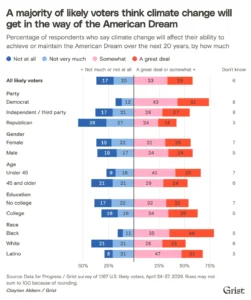
Public anxiety regarding these environmental pressures is increasingly palpable. Exclusive polling conducted for Grist by the progressive think tank Data for Progress reveals that 58 percent of likely U.S. voters believe climate change will directly hinder their ability to achieve the American Dream over the next two decades. Notably, this concern spans political divides, shared by 42 percent of polled Republicans. Voters are increasingly apprehensive that climate-driven disruptions will inflate the cost of living, an economic anxiety carrying heavy weight in national and local political cycles.
A Century-Old Narrative Colliding with Reality
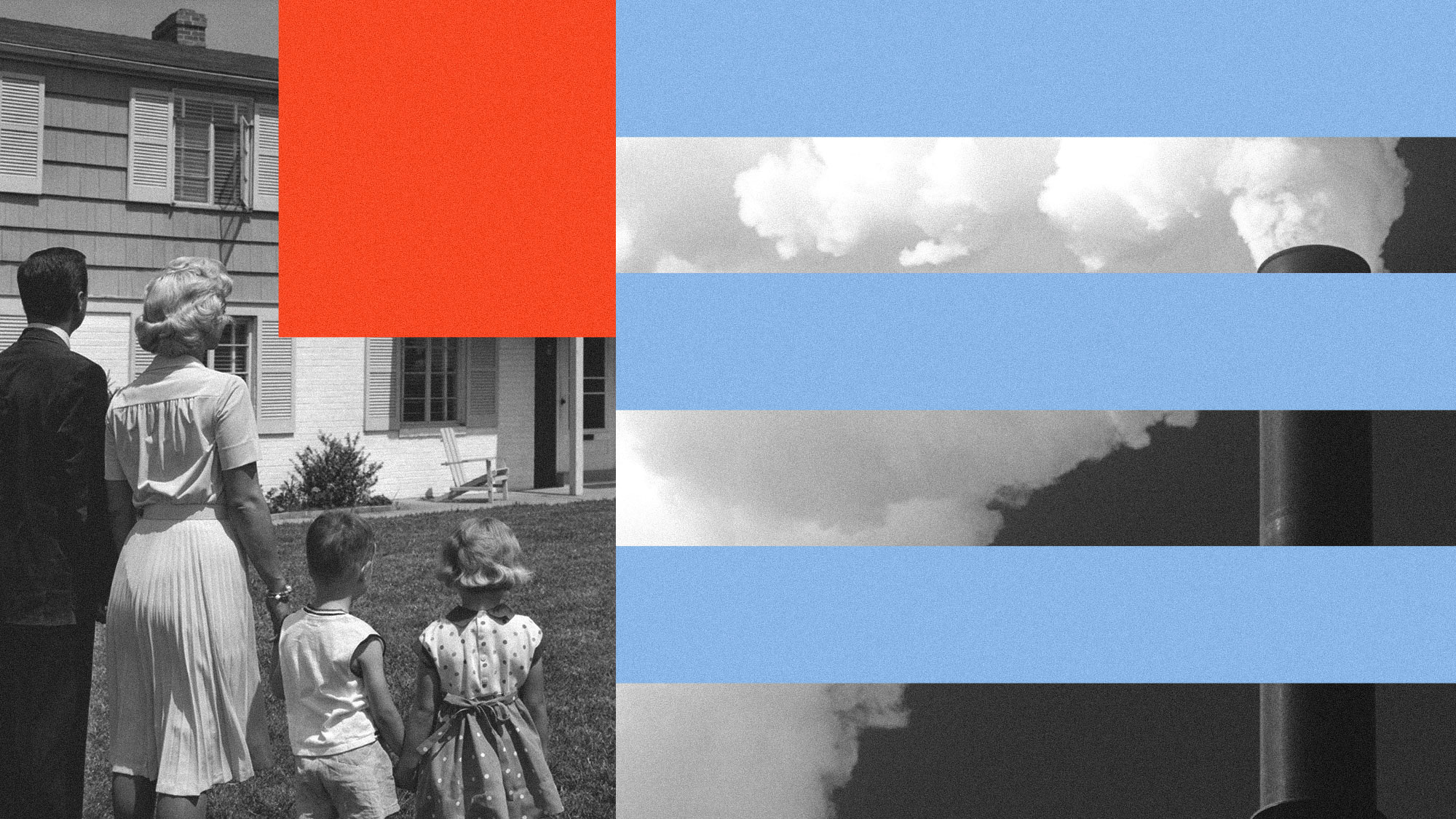
The current crisis exposes a stark historical irony: for the better part of a century, the fossil fuel industry actively marketed oil, gas, and coal as indispensable ingredients of the American way of life. Beginning in the early 20th century, energy corporations spearheaded extensive public relations and advertising campaigns tying their products directly to domestic comfort, mobility, and prosperity.
This cultural narrative has long been deployed by political figures and industry executives to resist aggressive climate action. For instance, the administration of Donald Trump frequently framed environmental regulations as direct threats to the American Dream. When the administration formally rolled back Biden-era vehicle emissions standards and curtailed the Environmental Protection Agency’s regulatory authority over greenhouse gases earlier this year, officials promoted the deregulation explicitly as a measure aimed at "restoring the American Dream."
Yet, scientists and economists argue that the fossil-fueled foundation of modern prosperity is systematically undermining itself. Unchecked greenhouse gas emissions have ushered in an era of severe environmental volatility, disrupting the foundational promise that each successive generation will enjoy a higher standard of living than the last. According to the United Nations Intergovernmental Panel on Climate Change (IPCC), climate change directly imperils the quality of life across United States communities, threatening livelihoods, local economies, and cultural traditions. Sociologists warn that unless society radically reimagines prosperity independent of fossil fuels, climate change will dismantle the traditional American Dream by force.
The Shattered Myth of the Climate Haven
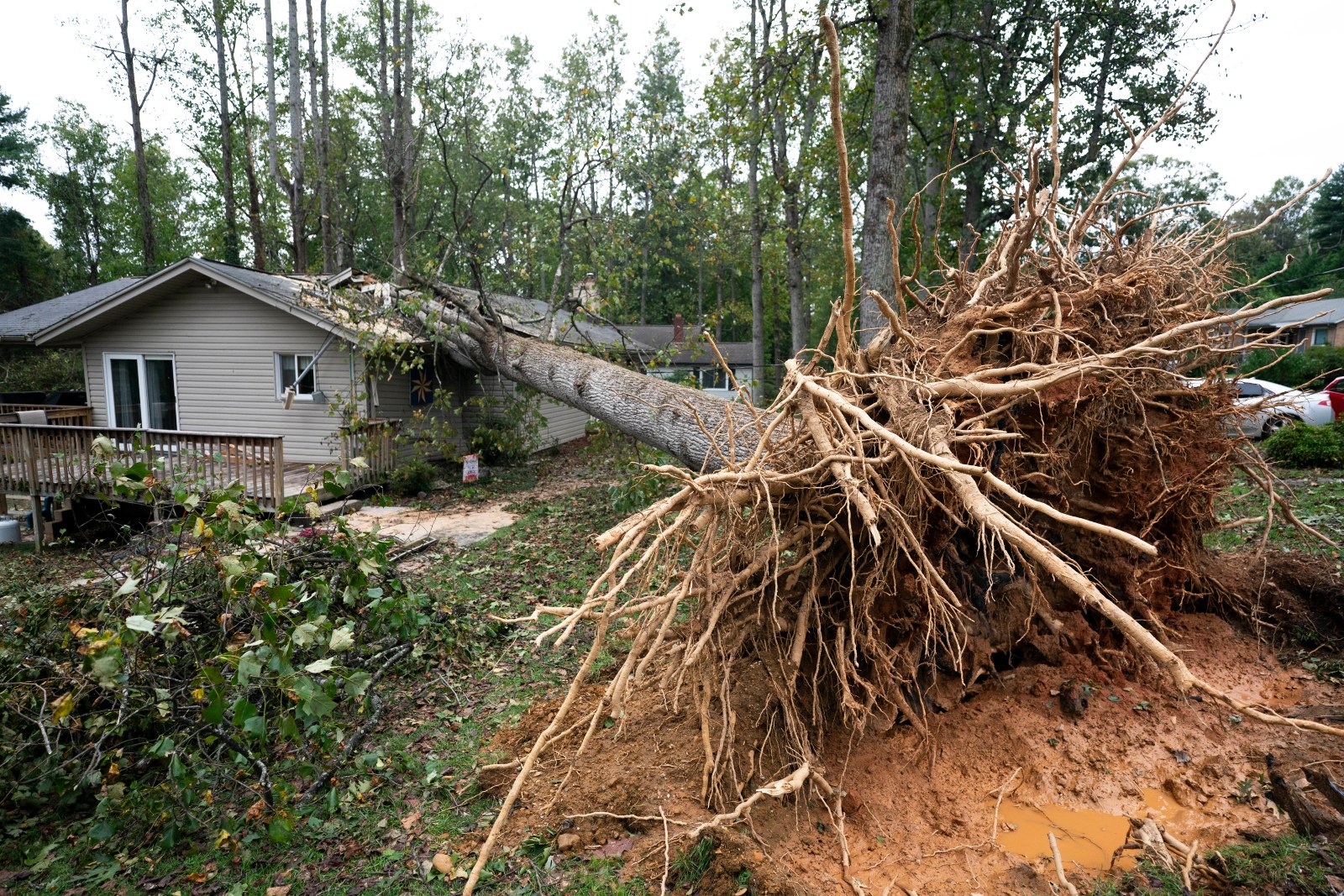
Asheville’s experience during Hurricane Helene in September 2024 upended long-held assumptions about geographic safety. Historically, the Blue Ridge Mountains region had been touted as an ideal "climate haven"—a resilient interior sanctuary expected to weather global temperature rises far better than coastal or southern regions vulnerable to sea-level rise and traditional tropical storms.
Those assumptions evaporated over a brutal 72-hour period when nearly 14 inches of torrential rain fell across Asheville. The French Broad River breached its banks, inundating neighborhoods, devastating the historic River Arts District, and damaging more than 74,000 homes across western North Carolina. Compounding the disaster, data shows that only about 4 percent of affected homeowners carried private flood insurance, leaving residents to absorb an estimated $9.5 billion in uninsured residential property losses.
In the wake of the storm, local housing markets experienced immediate contractions. Average home values in western North Carolina trended downward, with Asheville’s average home price shrinking by approximately 5 percent over the following year, contrasting sharply with a modest 1.2 percent national increase during the same period.
Economic research underscores that housing markets are increasingly pricing in environmental risks. A landmark 2023 study published in Nature Climate Change found that homes located within Federal Emergency Management Agency (FEMA) high-risk flood zones sell for an average of 2.8 percent less than comparable properties outside those boundaries. The study estimated that flood-exposed properties remained overvalued by billions of dollars, identifying the broader Appalachian region as a distinct hotspot of pre-disaster overvaluation. Elliott noted that this uneven devaluation of real estate inflicts severe social and economic harm on vulnerable populations.
The Insurance Crisis: Safety Net or Financial Trap?
As property risks multiply, the insurance industry—historically designed to absorb financial shocks and backstop mortgages—is undergoing severe strain. Douglas Heller, director of insurance at the Consumer Federation of America, describes traditional property insurance as "the safety net for the American Dream." However, ballooning premiums are rapidly making homeownership financially untenable.
According to mortgage technology data, property insurance costs nationwide have surged by nearly 80 percent since 2020, bringing the average single-family mortgage holder’s monthly insurance expense to $209. Homeowners residing in high-risk zones face exponentially higher bills, while insurers in states like California have increasingly cancelled policies or withdrawn entirely from wildfire-prone regions. Simultaneously, severe storm activity has driven up insurance pricing in the American Midwest faster than any other region.
Heller contends that while extreme weather is a primary driver, parts of the insurance sector have adopted opportunistic pricing models, leveraging climate risk narratives to justify excessive rate increases. The cascading financial burden extends directly to renters. According to Federal Reserve research, landlords routinely pass rising property insurance costs directly onto tenants through higher monthly rents. Caroline Nagy, associate director of housing policy at Americans for Financial Reform, emphasizes that whether citizens own or rent, everyone is currently paying the economic premium of living under escalating climate risks, which severely limits their ability to save for the future.
The compounding costs are particularly punishing for fixed-income seniors. Andrew Engler, CEO of Rock Rose Risk, points to elderly residents living on Social Security benefits in condominium complexes near Lake Tahoe, who face skyrocketing homeowners association (HOA) fees levied to cover shared wildfire insurance policies. When these residents attempt to sell and relocate, prospective buyers are deterred by the exorbitant monthly assessments, leaving sellers financially trapped. Economic models developed by the National Bureau of Economic Research estimate that disaster-linked insurance inflation has suppressed home price appreciation by more than $40,000 in the nation’s most vulnerable ZIP codes.
Reimagining the Future
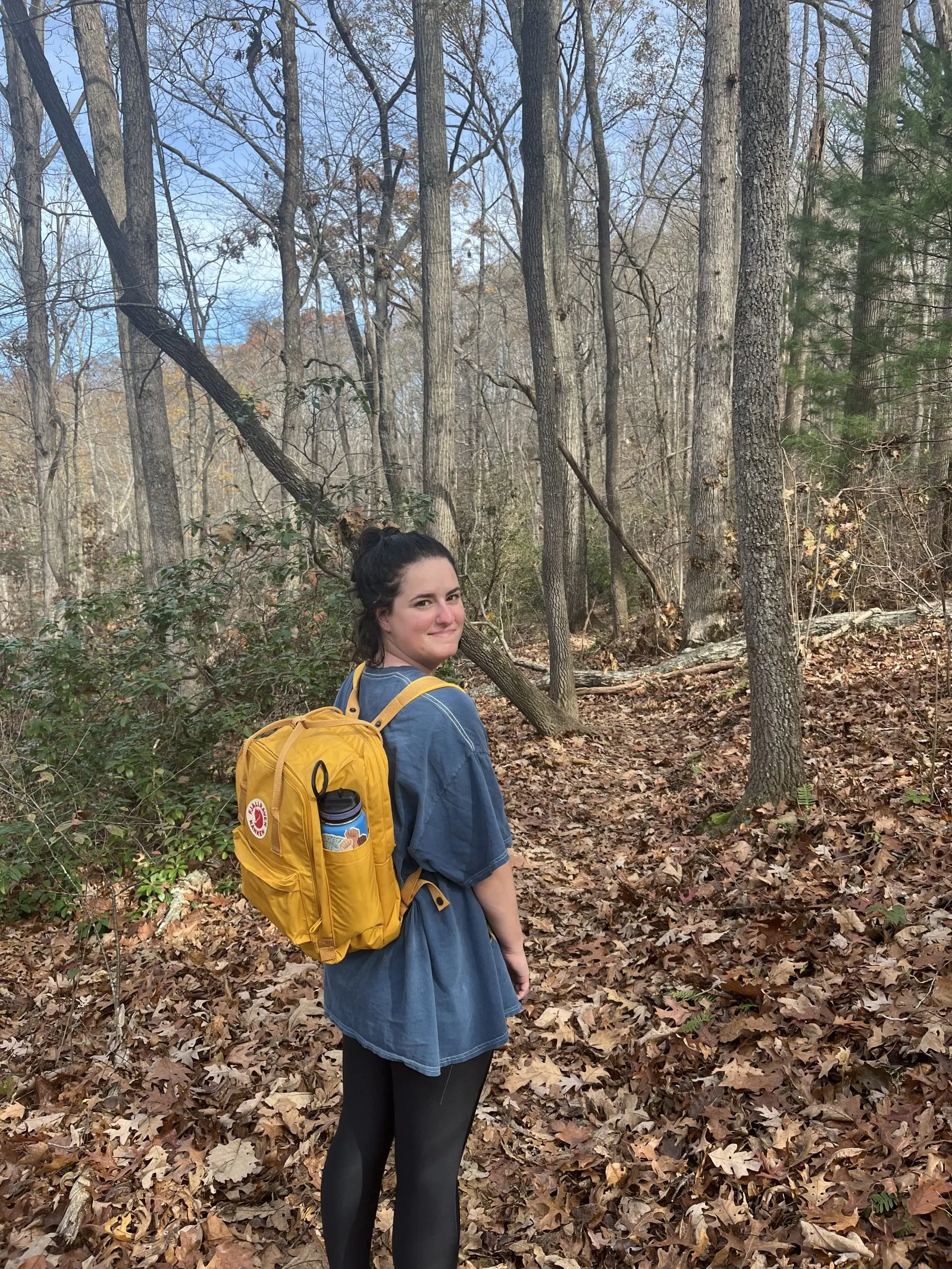
Despite the profound anxieties generated by climate change, communities struck by disaster often exhibit remarkable resilience. In the days following Hurricane Helene, when power, cellular service, and municipal water supplies collapsed in Asheville, residents forged deep bonds of mutual aid. Isley recalls walking the neighborhood streets, sharing information, and congregating at local fire stations to secure fresh water, noting that she had never felt a stronger sense of community.
Sociological research into post-disaster recovery indicates that surviving extreme weather often shifts individuals away from hyper-individualism toward collective local action. Nick Tinoco, a doctoral researcher in sociology at the University of California, Los Angeles, who interviewed survivors of the 2018 Woolsey Fire in Southern California, observed that many residents responded by organizing volunteer fire brigades and committing to defend their neighborhoods against future blazes.
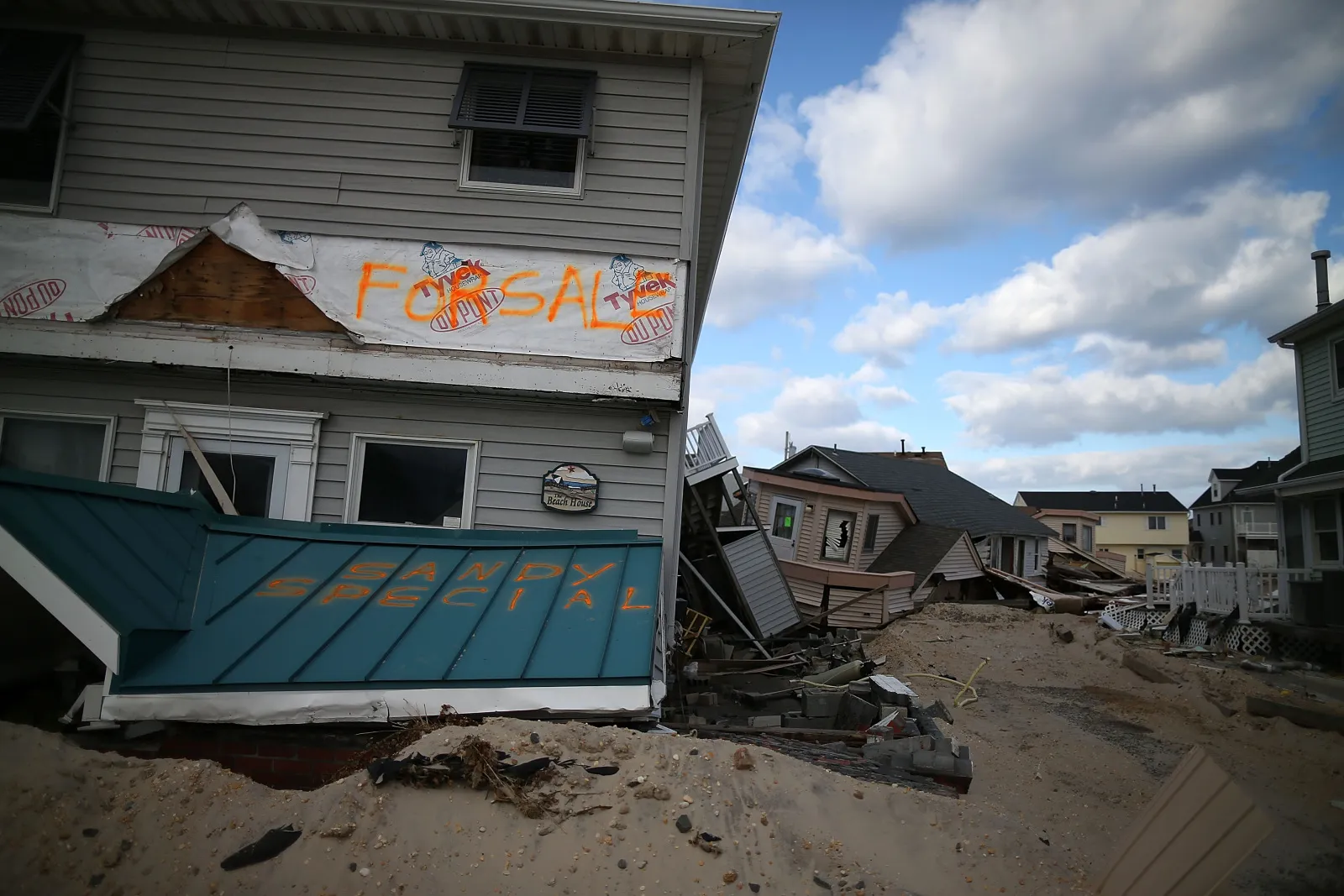
As traditional climate havens experience unprecedented shocks, experts argue that society must abandon the illusion that vulnerable populations can simply relocate out of harm’s way. Instead, urban planners and policymakers face the urgent imperative of fortifying existing communities against environmental hazards.
Concurrently, shifting generational attitudes suggest that the definition of the American Dream is organically evolving. While older generations, such as baby boomers, heavily associate homeownership with personal success, polling data from Ipsos indicates that younger cohorts, including Generation Z, view property ownership through a much more pragmatic lens, leaving ample room for societal values to transform.
For Sierra Isley, surviving Hurricane Helene did more than validate her decision to avoid purchasing a vulnerable home; it fundamentally redirected her life’s trajectory. The crisis inspired a deep commitment to public health and emergency management. Today, she is actively applying to graduate programs to pursue a master’s degree in public health, determined to dedicate her career to helping rural communities build resilience against future climate emergencies.
"I think I owe it to people like me, people in other rural communities who are going to face the same kind of climate change emergencies, to use my skills to help combat climate change and natural disasters," Isley reflected. "I just feel such a calling."