The intersection of national identity, economic security, and environmental policy has long served as a battleground in American politics. As the United States navigates the complexities of the 21st-century economy, the traditional markers of success—homeownership, higher education, raising a family, and financial stability—are increasingly being reevaluated through the lens of ecological shifts. While the current federal administration champions deregulation and the rollback of environmental oversight as pathways to economic revitalization, public perception reveals a much more nuanced reality. A significant majority of Americans now view a warming planet not as a distant ecological concern, but as a direct financial threat to their long-term stability and ability to achieve prosperity.
This dynamic forms the core tension of contemporary economic and environmental discourse. Exclusive polling data highlights a profound disconnect between top-down political rhetoric and the lived experiences of everyday citizens. As policymakers debate the future of energy, infrastructure, and carbon regulation, households across the nation are already absorbing the hidden financial tolls of changing weather patterns, shifting energy markets, and mounting inflation. Understanding this landscape requires examining how climate concerns have shifted from abstract scientific discussions into immediate kitchen-table economic realities.
The Political Landscape and the Deregulatory Push
In his January 2025 inaugural address, President Donald Trump declared that the American Dream would soon return and thrive like never before. To achieve this vision, the administration immediately pivoted toward a sweeping deregulatory agenda aimed at dismantling federal policies designed to curb climate change. Framing environmental rules as a barrier to national prosperity, the administration initiated a series of high-profile rollbacks.
Among these measures were proposals to eliminate mandatory reporting of greenhouse gas emissions through the Environmental Protection Agency, reverse stringent vehicle emission standards, and lift regulatory burdens on the coal industry. The underlying philosophy of these actions is straightforward: by lowering operational costs for traditional energy sectors and removing compliance obligations for corporations, the economy will experience a surge in growth, thereby making the milestones of the American Dream more attainable for working families.
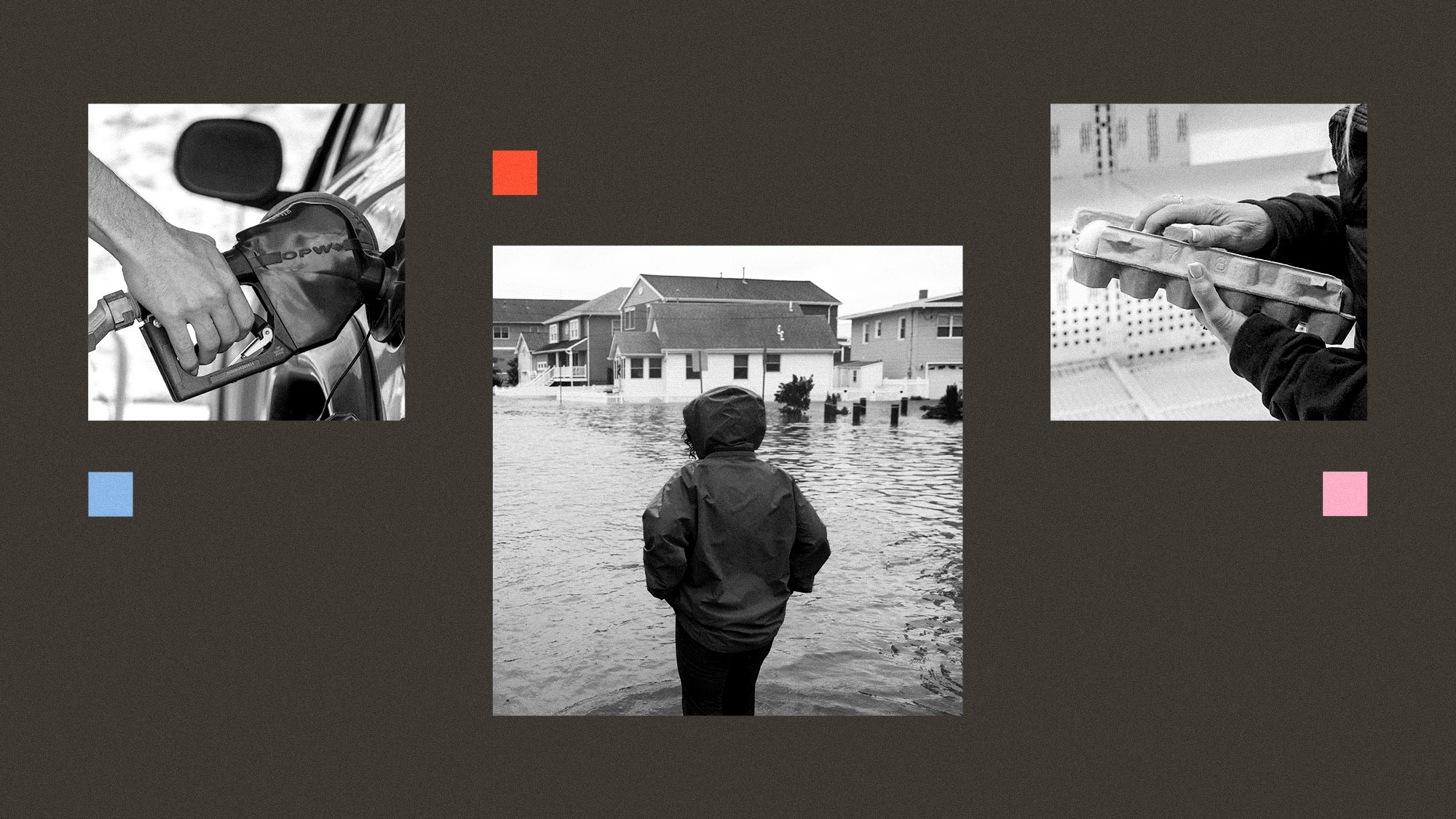
However, this top-down strategy operates on an assumption that environmental protection and economic mobility are mutually exclusive. While federal officials argue that easing regulations will lower costs and stimulate job creation, a growing body of sociological and economic data suggests that voters perceive the inverse relationship. For millions of Americans, the degradation of the environment and the acceleration of global warming are not safeguards for the economy, but rather active destabilizers of their personal financial futures.
Public Perception: Threat vs. Reality in Household Finances
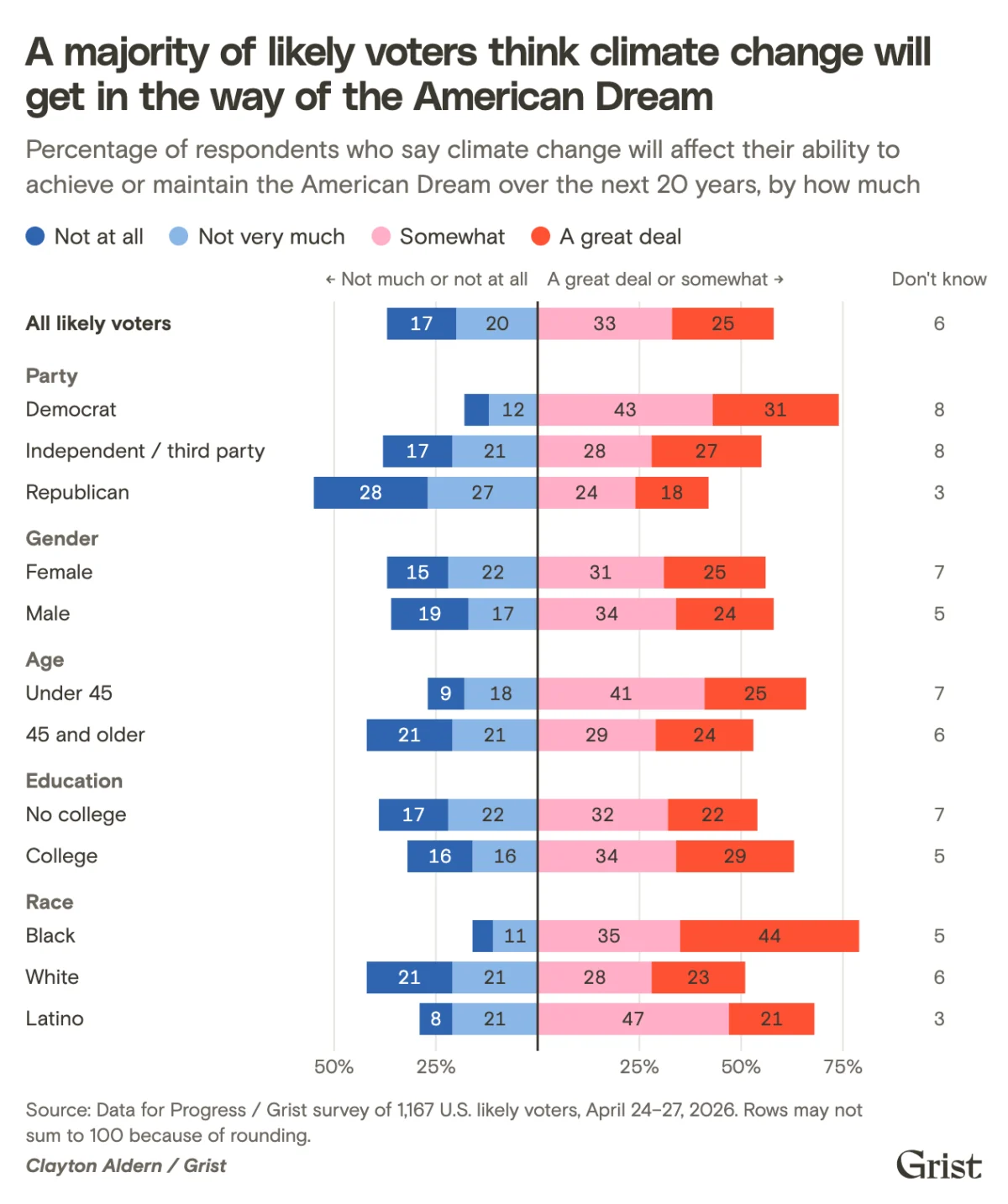
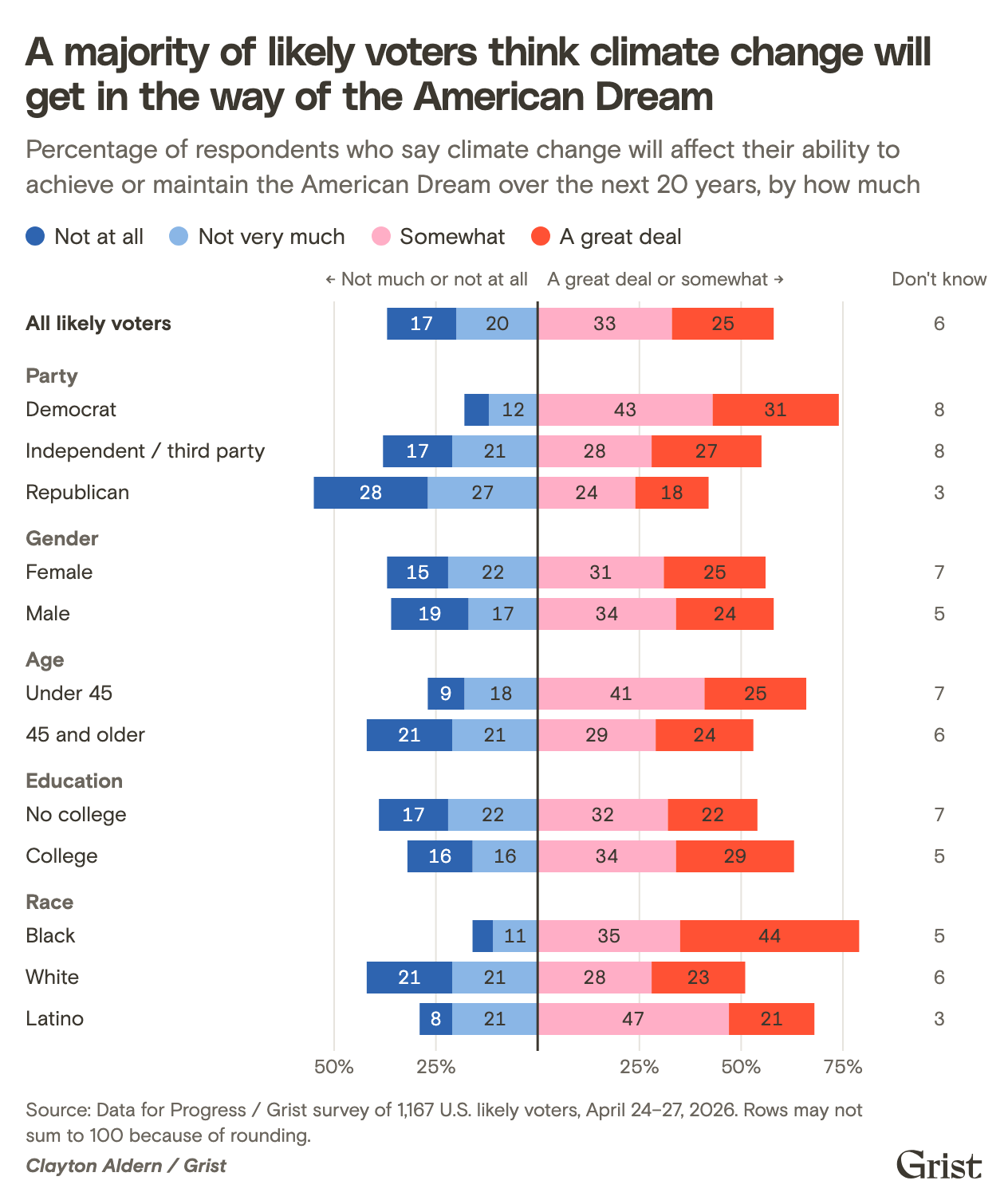
To understand how citizens reconcile these competing narratives, recent surveys conducted by progressive think tank Data for Progress provide critical insight. Polling of likely U.S. voters reveals that 58 percent believe a warming climate will hinder their ability to achieve or maintain the American Dream over the next two decades. This sentiment is not confined to a single political demographic; notably, 42 percent of self-identified Republicans share this apprehension, signaling that climate anxiety transcends traditional partisan boundaries. Grace Adcox, a senior climate strategist at Data for Progress, notes that data clearly identifies a strong and pervasive concern regarding environmental shifts as a direct barrier to personal success.
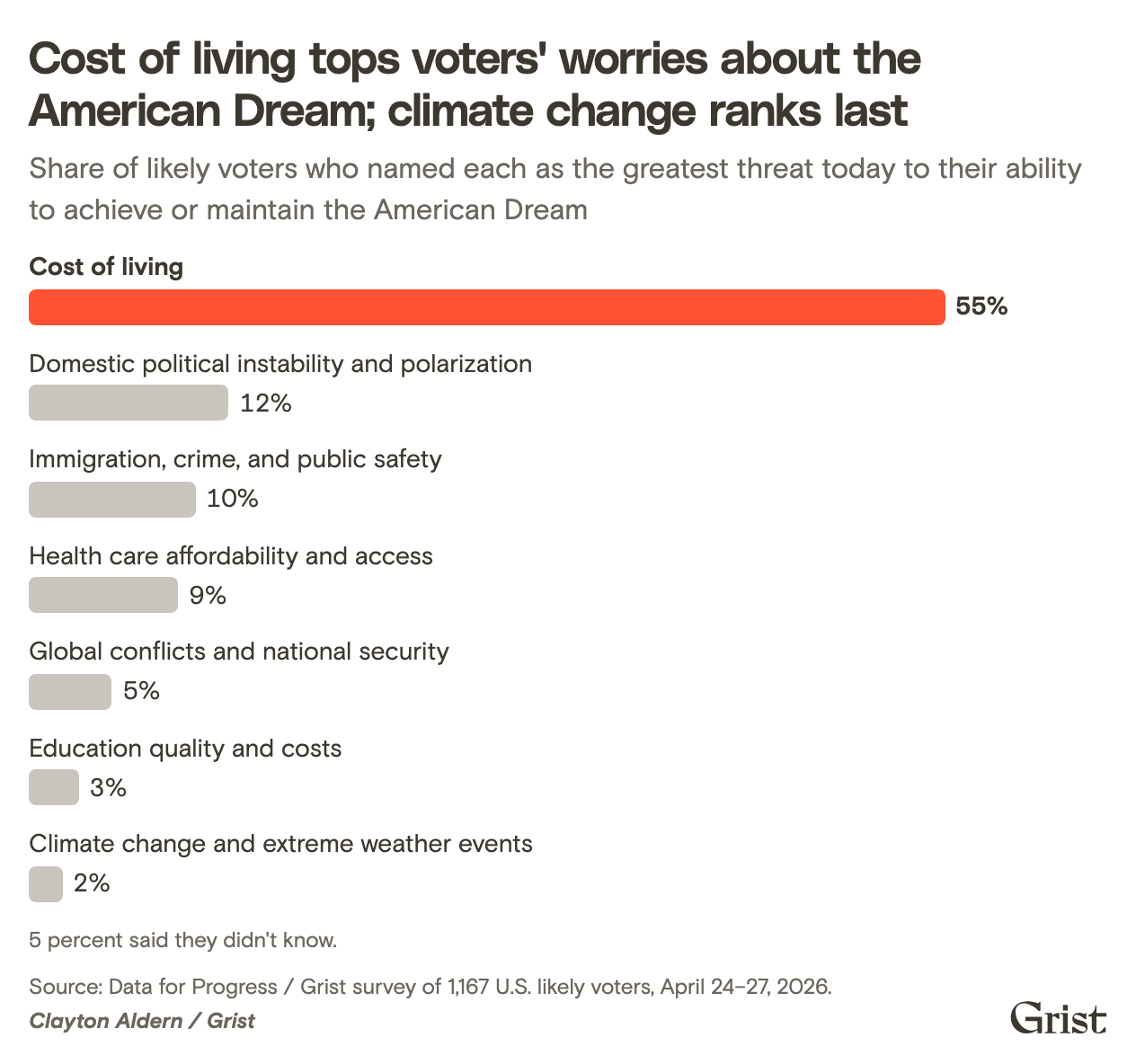
Despite this long-term anxiety, a paradox emerges when voters are asked to identify the single greatest threat to their prosperity today. When presented with a list of contemporary challenges, 55 percent of respondents point directly to the surging cost of living as the primary obstacle to achieving their goals. Domestic political instability and polarization follow far behind at 12 percent, while climate change and extreme weather events rank last as an immediate day-to-day concern, cited by just 2 percent of participants.
This disparity can be reconciled by examining how citizens connect macroeconomic trends to ecological factors. The soaring price tag of the modern American Dream—which economic analyses from firms like Investopedia estimate at roughly $5.3 million per household over a lifetime—is driven by multiple compounding factors, including inflation, housing shortages, and healthcare costs. Yet, more than half of voters express deep concern that climate change will specifically exacerbate these financial pressures over the next 20 years, making life systematically more expensive through rising insurance rates, higher utility bills, and food price volatility.
The Quantifiable Financial Toll on American Households
The fear that climate change will inflate living costs is not merely speculative; it is a measurable economic trend already documented by economists and policy researchers. A comprehensive study released by the Massachusetts Institute of Technology (MIT) Center for Energy and Environmental Policy Research illustrates that American families are already absorbing tangible financial penalties due to global warming.
According to the MIT findings, households across the United States are paying between $400 and $900 more annually as a direct result of climate-related impacts. In regions most severely affected by extreme weather, infrastructure strain, and environmental degradation, these additional yearly expenses routinely surpass $1,000 per household. These costs manifest in several ways:
- Escalating Insurance Premiums: Property insurance providers in high-risk zones, such as coastal areas vulnerable to hurricanes or western regions prone to wildfires, have drastically hiked rates or withdrawn coverage entirely, forcing homeowners into expensive state-backed pools.
- Volatile Utility Expenses: Extreme temperature fluctuations drive up energy demand for heating and cooling, resulting in higher monthly electricity and gas bills.
- Agricultural and Supply Chain Pressures: Droughts, unseasonal frosts, and severe storms disrupt agricultural yields, gradually increasing the cost of groceries and basic consumer goods.
- Infrastructure Repair and Taxation: Municipalities are forced to spend billions upgrading stormwater systems, sea walls, and electrical grids, costs that are ultimately passed down to residents through local taxes and utility fees.
These systemic financial leaks erode the disposable income necessary for families to save for down payments on homes, fund higher education, or build retirement security—the very cornerstones of the American Dream.
Partisan Divides and the Energy Cost Debate
As the political cycle moves toward major legislative and midterm elections, energy affordability has emerged as a central electoral battleground. Climate advocacy groups and progressive organizations have increasingly focused their messaging on the direct relationship between energy sources and household budgets. By championing wind, solar, and modern energy storage as cheaper alternatives to fossil fuels, these groups argue that obstructing renewable energy projects—such as halting offshore wind farms—artificially inflates utility prices for consumers.
Conversely, the political right has historically framed renewable energy mandates and carbon reduction targets as a "Green New Scam" that imposes unfair financial burdens on working-class citizens. However, polling data suggests that this specific rhetorical framing struggles to gain traction among the broader electorate. When surveyed about their underlying views on climate policies, only 6 percent of respondents characterized environmental regulations as an "expensive burden on working people." Even among Republican voters, opposition to climate action was rarely rooted in the idea of financial sacrifice; instead, detractors were more likely to view climate policies as a political distraction or a misguided approach based on flawed information.
Instead, the most common sentiment expressed by survey participants regarding climate policy was that it represents a critical step toward environmental preservation. This suggests that voters may be increasingly immune to political narratives that pit economic survival against ecological stewardship, recognizing instead that the two are inextricably linked.
Broader Implications and Future Outlook
The evolving relationship between climate change and the American Dream carries profound implications for the future of U.S. domestic policy, electoral politics, and economic planning. As public awareness grows regarding the hidden costs of environmental degradation, political platforms that fail to address both economic inflation and ecological resilience risk alienating broad segments of the electorate.
For policymakers, the challenge lies in bridging the gap between short-term relief and long-term mitigation. While voters demand immediate solutions to the high cost of living, data indicates they also recognize the compounding long-term financial risks of ignoring environmental realities. Whether future administrations choose to lean into green technology investments as an economic engine or continue pursuing a deregulatory fossil-fuel strategy, the success of these policies will ultimately be measured by a single metric shared by the public: whether everyday Americans can realistically achieve and maintain financial security and prosperity in a changing world.