This transition has ignited a firestorm of criticism from human rights advocates, legal scholars, and civil society organizations. Opponents of the move argue that the NCP, which has functioned for over 26 years, possesses neither the legal authority nor the structural independence necessary to conduct meaningful investigations into the complex, often high-stakes allegations of environmental and human rights violations occurring in the global south.
A Chronology of Institutional Failure
The decline of Canada’s oversight capacity did not occur in a vacuum. The CORE office was designed to be a robust mechanism for fact-finding and mediation, filling a void that the NCP had historically failed to address. However, the agency’s effectiveness was crippled early in the tenure of Prime Minister Mark Carney. Following the departure of the previous ombudsperson, the post remained vacant for more than a year. During this period of administrative paralysis, pending complaints accumulated, and the office was unable to advance any substantive investigations.

By June 2026, the government declared the office ineffective, citing a lack of productivity, and moved to permanently shutter the agency. Global Affairs Canada, the ministry responsible for the oversight of these mechanisms, stated that the decision was intended to "streamline" the government’s work, integrating existing human rights functions into the NCP framework. For the victims of alleged corporate malfeasance, this announcement was a signal that their grievances were no longer a primary federal concern.
The Limits of the National Contact Point
The NCP model, utilized by 52 countries globally, is grounded in the OECD Guidelines for Multinational Enterprises on Responsible Business Conduct. While these guidelines serve as a vital international standard for ethical behavior, they are nonbinding. NCPs act as nonjudicial grievance mechanisms; they are designed to facilitate dialogue rather than issue binding legal rulings or enforce financial penalties.
Data regarding the Canadian NCP’s performance over the last quarter-century paints a sobering picture for those seeking recourse. Since 2000, only three of the 33 cases submitted to the Canadian office have resulted in a formal joint agreement between the parties involved. In many instances, the process has stalled due to jurisdictional disputes, aggressive legal maneuvers by corporations, or a fundamental lack of trust in the mediation process.

Critics point to the NCP’s structural location as a primary obstacle. Currently housed within the Trade Strategy Bureau of Global Affairs Canada, the office is embedded within the very department tasked with promoting Canadian trade and investment. This configuration has led to persistent concerns regarding conflicts of interest. A 2019 peer review, conducted by international experts from Belgium, Denmark, and the United Kingdom, explicitly noted that the office’s position within the Trade Commissioner Service contributes to a perception of partiality, potentially discouraging civil society from engaging with the mechanism.
The Case of the Kibali Gold Mine
The human toll of this administrative restructuring is perhaps best illustrated by the ongoing struggle of John Namegabe Bugabo. Representing 129 individuals from the villages of Mege and Bandayi in the Democratic Republic of Congo (DRC), Bugabo has sought accountability for the 2021 forced evictions surrounding the Kibali gold mine, a project in which Canadian firm Barrick Mining Corp. holds a 45% stake.
Bugabo’s journey through the Canadian grievance system has been one of repeated disappointment. After an initial complaint to the Canadian NCP yielded no tangible resolution, he turned to the now-shuttered CORE office, hoping for a more rigorous investigation. Following the closure of CORE, Bugabo and other complainants were sent an email offering them two options: transfer their file back to the NCP or abandon their case entirely. For many, including Bugabo, the prospect of returning to a system that had already failed them was untenable.

The allegations in the Kibali case are severe. Residents claim that police and military forces demolished homes, schools, and essential agricultural infrastructure—including fish ponds and orchards—to facilitate a mine expansion. Furthermore, reports suggest that protesters were met with lethal force. Barrick Mining has consistently denied these claims, asserting that the resettlement was managed by the DRC government, not the company. Despite the gravity of these allegations, the NCP’s final recommendations focused on procedural transparency rather than the material compensation sought by the displaced villagers. Five years later, many of those affected remain homeless, and the path to remedy remains obstructed.
Industry Interference and the Sakto Precedent
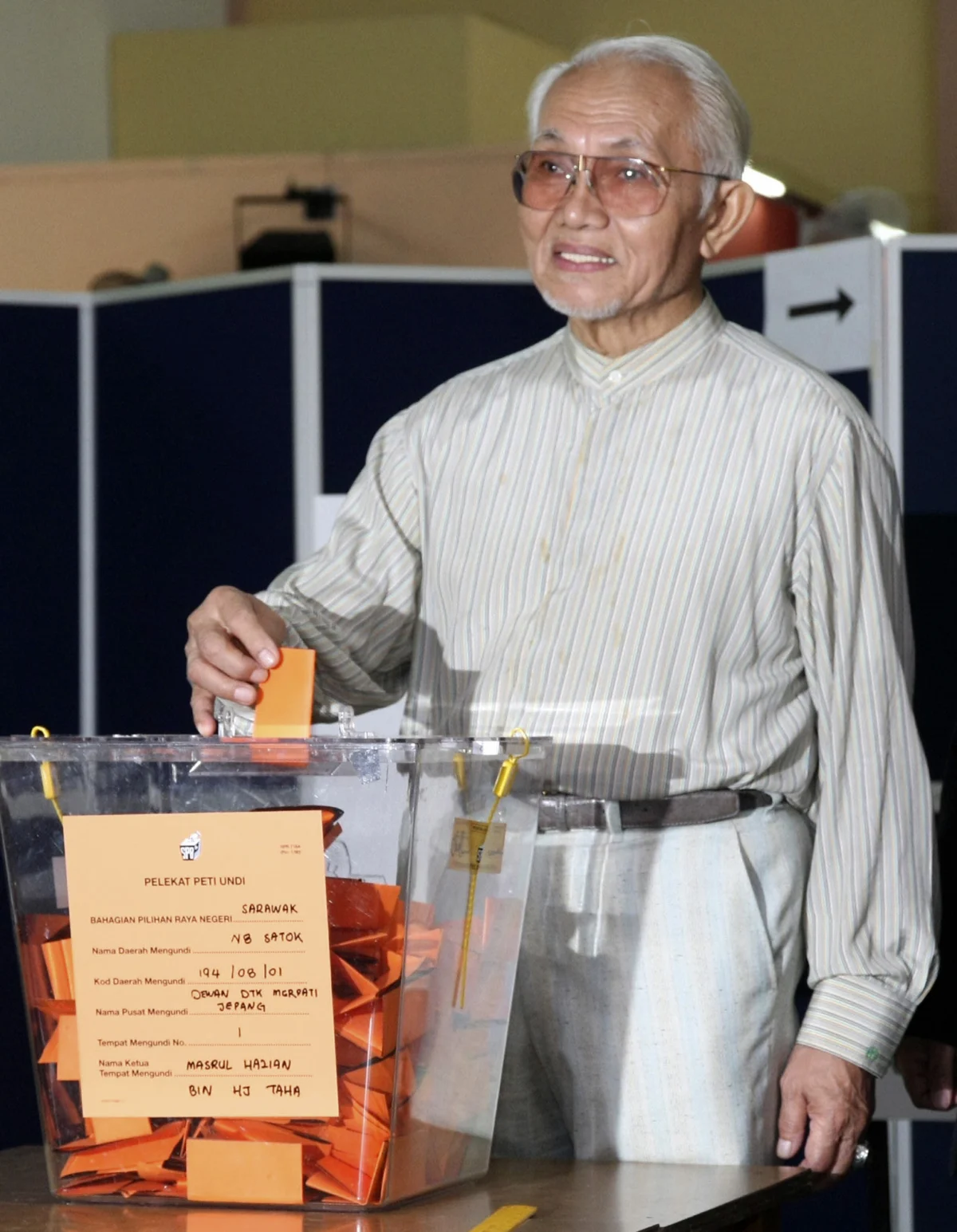
The concerns over corporate influence were amplified by the 2016 case involving the Bruno Manser Fonds (BMF) and the Ottawa-based real estate firm Sakto Corp. The BMF alleged that Sakto was linked to illicit logging kickbacks in the Malaysian state of Sarawak, which had devastated the traditional lands of the nomadic Penan people.
What began as a promising review by the Canadian NCP—which initially recognized the materiality of the claims—devolved into a collapse of the process. Emails later revealed that a Canadian Member of Parliament, Andrew Leslie, had pressured the Minister of International Trade to intervene, criticizing the NCP’s process and accusing the NGO of harassment. The NCP subsequently closed the file, citing "aggressive communications" from both parties. An investigation by OECD Watch later concluded that the Canadian NCP failed in its mandate, noting that the process was characterized by a lack of transparency and an inequitable handling of the proceedings.

Global Implications of Canada’s Retreat
The significance of Canada’s oversight mechanisms cannot be overstated. As a global hub for the mining and exploration industry, Canada hosts approximately half of the world’s publicly traded mining companies. Because these firms operate in diverse jurisdictions—often in nations with weak judicial oversight—the accountability mechanisms established in their home country serve as the final line of defense for affected communities.
International observers, including Joseph Wilde-Ramsing of the Centre for Research on Multinational Corporations (SOMO), argue that Canada is falling significantly behind its peers. The Netherlands NCP, by contrast, is frequently cited as the "gold standard" due to its use of independent, non-governmental experts to mediate disputes. This independence builds the credibility required to bring corporations to the table and ensure that outcomes are fair.
Moving Forward: The Demand for Reform
As the Canadian NCP undergoes its second periodic peer review by the OECD, the calls for systemic change are intensifying. Catherine Coumans of MiningWatch Canada has been a vocal proponent for the reinstatement of an independent ombudsperson. The primary demand is for an agency with the power to compel evidence, subpoena documents, and issue findings of fact—powers that the current NCP model lacks.

For individuals like John Namegabe Bugabo, the technicalities of the OECD guidelines are secondary to the reality of his community’s suffering. He maintains that a robust Canadian watchdog would serve as a powerful deterrent. When corporations know that their actions abroad are subject to legitimate scrutiny at home, they are more likely to prioritize human rights and environmental safety.
The Canadian government faces a critical juncture. By prioritizing "streamlined" trade-oriented bureaucracy over independent human rights oversight, the administration has effectively signaled that corporate protectionism currently takes precedence over international accountability. Unless the government takes decisive action to empower a truly independent investigative body, the nation risks further erosion of its global reputation as a responsible actor in the extractive sector. The current reliance on the NCP is, according to the vast majority of civil society groups, a return to "business as usual"—a status quo that leaves vulnerable populations worldwide without a voice and without a remedy.