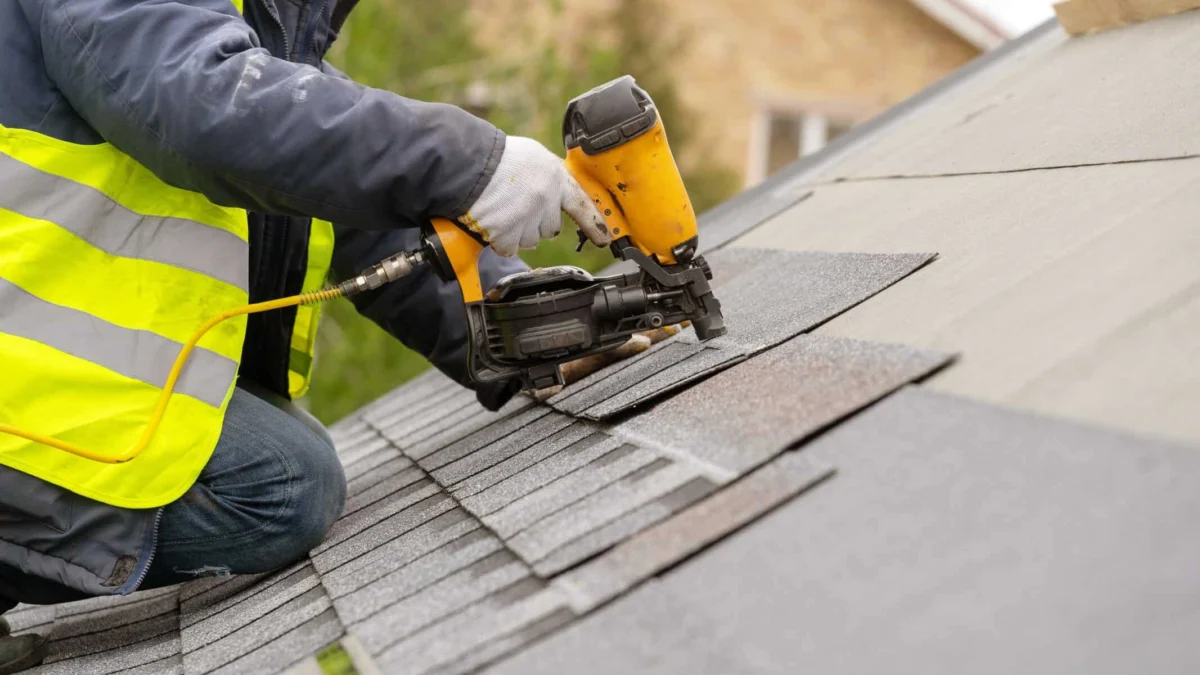
The question of whether a new roof increases home value is a central consideration for homeowners navigating the complex real estate landscape. While the short answer is affirmative, the financial return is nuanced, depending heavily on the baseline condition of the existing structure, the materials selected, local real estate market dynamics, and buyer expectations. Replacing a severely deteriorated or aging roofing system yields vastly different financial outcomes than replacing a roof that still possesses structural integrity and years of useful life.
Real estate professionals across major metropolitan areas—from the mountain climate of Denver, Colorado, to the historic neighborhoods of Boston, Massachusetts—frequently confront this exact dilemma. Evaluating whether to invest in a costly home improvement project or market a property in its current condition requires balancing upfront expenses against potential resale gains, appraisal adjustments, and buyer negotiation leverage.
Financial Returns and National Cost-vs-Value Metrics
To understand the financial implications of a roof replacement, industry data provides a clear baseline. According to national real estate and construction benchmarks, an asphalt-shingle roof replacement commands an average price tag of approximately $31,871. Upon resale, that same project recovers an estimated $21,501 in added home value, translating to a national cost-recoupment rate of roughly 67.5%.
While recouping slightly over two-thirds of the project cost may initially appear modest compared to smaller interior renovations, the raw monetary return fails to capture the broader psychological and transactional impact on prospective buyers. Industry experts emphasize that the presence of a new roof actively removes one of the most significant psychological and financial barriers during property inspections.
Mark Mueller, founder of Mueller Builders, notes that modern roofing systems fundamentally alter market perception. Beyond immediate curb appeal, a newly installed roof offers prospective buyers deep reassurance regarding long-term structural integrity. Crucially, eliminating known deferred maintenance prevents aggressive price concessions during negotiations and frequently accelerates the timeline of the sale.
Furthermore, advancements in manufacturing have dramatically extended the life expectancy of roofing materials. Modern engineering allows contemporary roofing systems to endure anywhere from 40 to 50 years. This longevity transforms a standard maintenance expense into a premier capital improvement. Ken Girard, President of Apex Exteriors, points out that while architectural asphalt shingles often provide buyers with a two-decade window of zero maintenance, high-end alternatives like composite tiles or standing-seam metal roofs extend those timelines even further, directly influencing buyer valuations.
The Role of Roofs in Home Appraisals
Homeowners frequently assume that completing a high-ticket exterior project will trigger a direct, dollar-for-dollar increase in their home’s appraised value. However, the appraisal process operates under a more complex set of criteria. Certified home appraisers do not automatically elevate a property’s valuation by the exact cost of a new roof. Instead, roof condition is evaluated as a single, highly significant component within the broader assessment of overall property condition.
During an appraisal, professionals weigh the home’s square footage, functional utility, specific features, geographical location, and recent comparable sales in the surrounding neighborhood. If a property previously featured a compromised roof plagued by active leaks, sagging deck lines, or severe shingle curling, the appraiser would have historically marked down the property’s overall condition rating. Replacing the roof neutralizes these negative condition penalties, thereby stabilizing or improving the overarching valuation.

Consequently, financial analysts advise against undertaking a roof replacement solely for the purpose of manipulating an appraisal if the existing roof is structurally sound. The financial uplift is most pronounced when correcting an explicit deficiency that would otherwise drag down the appraisal or trigger a lender-mandated repair condition prior to mortgage underwriting.
Strategic Decision-Making: Repair, Partial Replacement, or Full Overhaul?
Determining the appropriate course of action requires a systematic evaluation of the roof’s current physical state, the homeowner’s timeline for moving, and prevailing conditions within the local real estate market. A full tear-off and replacement is rarely the mandatory default option; minor localized issues can often be managed through targeted interventions.
A professional roof evaluation typically categorizes required work into distinct scenarios:
- Isolated Surface Damage: When only a handful of shingles show curling, cracking, or wind damage, spot repairs offer a cost-effective remedy. Homeowners must ensure replacement shingles match the existing color and profile to maintain uniform aesthetics.
- Localized Leaks or Wear: Water stains confined to a single interior ceiling or localized shingle deterioration can often be managed via a partial re-roof. While economical, this measure is finite; structures can only undergo partial fixes a limited number of times before structural wear demands a comprehensive replacement.
- Advanced Age (20+ Years): Roofs nearing or exceeding two decades of service present systemic risks. At this threshold, a full replacement—evaluating options between a complete tear-off versus an overlay—protects the underlying property structure and maximizes market value.
- Structural Sagging: Visible dipping or uneven rooflines signal foundational framing or decking distress. These conditions require immediate professional structural assessment, where a full replacement is mandated to restore baseline safety and stability.
- Excessive Granule Loss: Accumulations of heavy shingle granules collecting in gutter systems indicate advanced weathering. Depending on the scale, this warrants either targeted repairs or a partial re-roof to preserve underlying waterproof barriers.
Cost Breakdown and Regional Pricing Factors
Roof replacement pricing remains subject to significant variance driven by raw material costs, labor rates, and geographical positioning. Standard roofing materials generally command between $4 and $11 per square foot for professional installation. For an average-sized single-family home, total expenditures typically range between $8,000 and $30,000. Premium architectural solutions, including slate, tile, or heavy-gauge metal systems, routinely push project budgets well beyond standard pricing thresholds.
The ultimate cost of any roofing project hinges on three primary variables:
- Total Surface Area and Pitch: Steeper inclines and complex architectural geometries require specialized safety equipment and extended labor hours, elevating labor costs.
- Material Selection: Standard three-tab or architectural asphalt shingles sit at the lower end of the pricing spectrum, whereas specialized metal, tile, and synthetic composite products represent significant upfront capital investments.
- Tear-Off and Disposal Requirements: Removing multiple layers of pre-existing roofing materials adds labor overhead and disposal fees, which are factored directly into contractor estimates.
Market Implications and the Cost of Inaction
Neglecting an aging or visibly damaged roof can carry severe financial consequences during a home sale. Jordan Phillips, President of Liberty Home Remodeling, observes that exterior maintenance items are invariably front and center during buyer viewings. A visibly worn or leaking roof signals deferred maintenance, prompting prospective buyers to extrapolate fear about hidden structural defects elsewhere in the property.
Furthermore, sophisticated buyers invariably commission independent roof inspections during their standard contingency periods. Discovering major roof deficiencies during a home inspection routinely leads to one of two outcomes: the buyer demands a costly seller credit at closing, or they submit a revised offer that discounts the purchase price by an amount significantly exceeding the actual cost of a professional roof replacement. In competitive or cooling housing markets, an unaddressed roof issue can stall a listing indefinitely or cause deals to collapse entirely.
Strategic Summary for Homeowners
Ultimately, investing in a new roof serves as a powerful mechanism to protect and enhance home value, provided the timing aligns with the physical condition of the property and local market realities. Homeowners preparing to list a property with an aged or damaged roof stand to benefit substantially from a replacement, as it eliminates buyer hesitation, streamlines financing approvals, and protects negotiating leverage. Conversely, properties boasting sound, well-maintained roofs rarely justify the capital outlay of a preemptive replacement solely for marginal resale gains. Consulting with licensed roofing professionals and local real estate experts remains the most effective strategy for calculating the precise return on investment for any given property.