For decades, the biological ability of epithelial tissues—the layers of cells that line our skin and organs—to rebound from catastrophic damage has been a cornerstone of regenerative biology. While this phenomenon, known as compensatory proliferation, was first identified in the 1970s, the precise molecular mechanisms governing how cells decide whether to die or to divide remained largely elusive. Recent research from the Weizmann Institute of Science has now illuminated this process, uncovering a sophisticated cellular "survival switch" that allows damaged tissue to rebuild itself. However, this same mechanism appears to be a double-edged sword, potentially providing cancer cells with a blueprint for surviving chemotherapy and radiation, explaining why some tumors return with increased aggression.
A Half-Century of Mystery: The Legacy of Regenerative Research
The scientific journey to understand compensatory proliferation began in the 1970s, a period defined by pioneering experiments in developmental biology. Researchers conducting studies on Drosophila melanogaster (fruit fly) larvae exposed the organisms to intense ionizing radiation. Despite the widespread cellular destruction caused by the radiation, the larvae were observed to regenerate fully functional wings. This discovery challenged the prevailing view that damaged cells were merely passive victims of their environment, suggesting instead that tissues possess an active, highly regulated program for recovery.
For nearly 50 years, the field struggled to determine how cells communicate during this crisis. The standard understanding of apoptosis—a programmed form of cellular suicide—suggested that when cells sustain irreparable damage, they undergo a systematic self-destruction process mediated by enzymes known as caspases. Initiator caspases trigger the pathway, and executioner caspases follow, dismantling the cell’s proteins to ensure it does not interfere with the organism’s health. The Weizmann study, published in Nature Communications, fundamentally shifts this narrative by demonstrating that caspases do not always lead to death.
The Discovery of DARE and NARE Cells
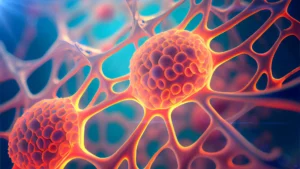
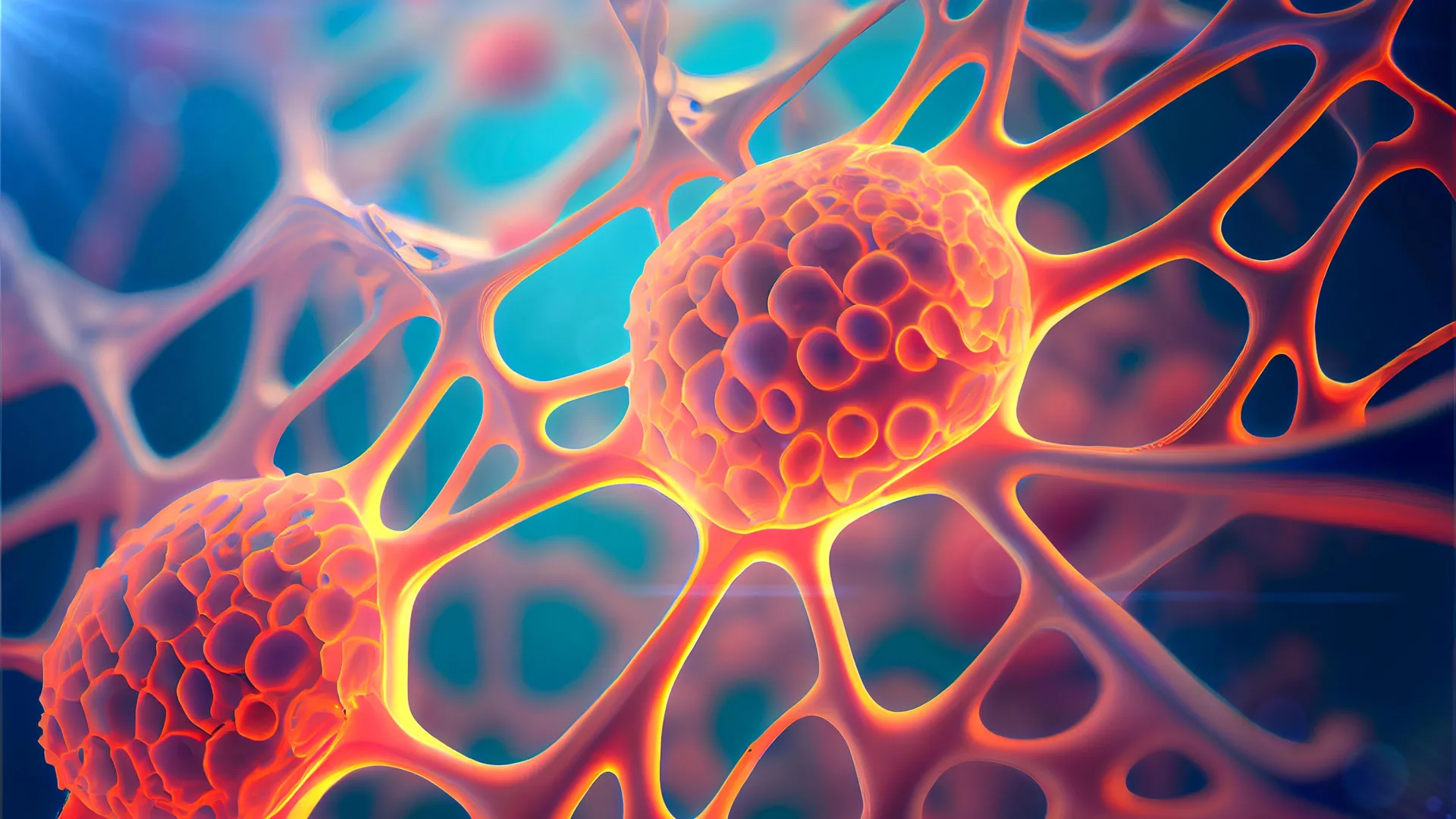
A research team led by Dr. Tslil Braun and Professor Eli Arama of the Weizmann Institute’s Department of Molecular Genetics utilized advanced genetic labeling to observe the regeneration process in real-time. By creating a delayed sensor that tracked cells where the initiator caspase had been activated, the team identified a unique population of cells that they dubbed DARE (Death-Associated Recovery) cells.
"We set out to identify cells that push the self-destruct button but survive anyway," Dr. Braun explained. The data revealed that DARE cells are essentially "stalled" in the death process. While the initiator caspase activates, the cell membrane’s internal machinery halts the progression before the executioner caspases can finish the job. These DARE cells do not merely survive; they become the engines of regeneration, proliferating to replace lost tissue.
Crucially, the team identified a second, complementary population: NARE (Non-Associated Recovery) cells. Unlike their DARE counterparts, NARE cells do not activate the initiator caspase. The interplay between these two groups is highly specific. DARE cells act as the primary responders to injury, triggered by distress signals from their dying neighbors. As they proliferate, DARE cells secrete growth factors that stimulate NARE cells, which in turn produce inhibitory signals that prevent the DARE cells from growing uncontrollably. This elegant feedback loop ensures that tissue repair is precise and time-limited, preventing the runaway growth characteristic of malignancy.
The Dark Side of Regeneration: Implications for Oncology
The discovery of this survival mechanism provides a compelling, fact-based explanation for the clinical observation that recurrent tumors are often more aggressive and resistant to therapy than the original primary tumor. When radiation or chemotherapy is administered, the goal is to induce apoptosis in cancerous cells. However, if a subset of tumor cells possesses the molecular "motor" that tethers the initiator caspase, they may survive the treatment, just as DARE cells do.
Professor Eli Arama, who holds the Harry Kay Professorial Chair of Cancer Research, noted that the same motor protein responsible for stalling the death process in DARE cells has been observed to be overactive in various human cancers. "This suggests that this might be one of the mechanisms that enables cancer cells to evade apoptosis," Arama stated.
The team’s research further demonstrated that this survival advantage is heritable. When the tissue was exposed to a second round of radiation, the descendants of the original DARE cells were found to be seven times more resistant to death than the original, untreated cells. This provides a clear biological timeline for the development of treatment-resistant tumors: the initial assault selects for the most resilient cells, which then pass on their "death-evasion" traits to subsequent generations, effectively training the tumor to withstand future therapeutic interventions.
Scientific Implications and Future Clinical Directions
The broader implications for modern medicine are significant. Current oncology protocols are largely focused on maximizing cell death. However, if clinicians can identify the molecular markers that allow DARE-like cells to flourish in human tumors, they might be able to develop "sensitizing" agents. These agents could theoretically disable the molecular motor or the feedback loop that allows cancer cells to evade apoptosis, thereby making radiation and chemotherapy significantly more effective.
Conversely, for regenerative medicine, the ability to harness the regenerative power of DARE cells could revolutionize the treatment of chronic wounds, organ failure, or damage caused by degenerative diseases. If scientists can safely activate the DARE mechanism in healthy, non-cancerous tissues, it could accelerate recovery times for patients who have suffered severe burns, trauma, or surgical damage.
The Path Forward
The research conducted by the Weizmann Institute is grounded in the use of Drosophila models, a gold standard for identifying conserved biological pathways that often translate to human physiology. While the transition from fly models to clinical applications in humans remains a long-term goal, the clarity of the DARE/NARE mechanism provides a new, actionable target for researchers worldwide.
The collaborative nature of this study—involving international partners from UMass Chan Medical School and the Severo Ochoa Molecular Biology Center—underscores the global significance of these findings. By bridging the gap between the cellular processes of natural healing and the pathological evasion seen in cancer, this work provides a framework for future studies. The challenge now lies in translating these findings into pharmacological interventions that can tip the balance between healthy regeneration and pathological tumor growth. As the scientific community continues to map these pathways, the hope is to eventually turn the cell’s own survival instincts into a precision tool for human health, effectively limiting the "survival" of cancer while maximizing the "regeneration" of the body’s essential systems.