The legal landscape surrounding the gig economy and the liability of ride-hailing platforms faced a significant, if non-precedential, challenge this week following an arbitration ruling that found Uber Technologies, Inc. vicariously liable for the 2023 death of 23-year-old Emily Normandin-Parker. Retired Judge Richard Stone, serving as the independent arbitrator, awarded $40 million to the victim’s parents, Carol Normandin and Ken Parker, concluding that both the company and the driver, Vu Tran, shared responsibility for the events that led to the fatal accident along a Southern California freeway.
The ruling, which surfaced in public records this week, provides a rare, albeit private, window into the legal friction between the corporate operational models of ride-hailing giants and the safety of their passengers. While the arbitration process ensures that such decisions do not establish binding legal precedent for future court cases, the magnitude of the award and the arbitrator’s sharp criticism of Uber’s operational oversight have intensified the debate regarding corporate accountability in the transportation sector.
Chronology of a Tragedy
On the night of the incident in 2023, Emily Normandin-Parker and a friend had utilized the Uber platform to secure transportation home after an evening of socializing. The situation deteriorated when the friend, suffering from the effects of alcohol consumption, became ill and vomited inside the vehicle.
According to the arbitrator’s findings, the driver, Vu Tran, responded to the situation by pulling the vehicle over on the shoulder of Route 73 in Orange County. Instead of seeking a secure location—such as a designated exit or a well-lit parking area—Tran chose to stop at a "gore point," the hazardous, V-shaped area where a highway off-ramp diverges from the main thoroughfare.
The arbitrator’s report notes that an altercation ensued between the driver and the passengers outside the vehicle. In a display of frustration, Tran reportedly abandoned the two young women on the side of the high-speed freeway. Shortly thereafter, Normandin-Parker was struck by passing traffic. The evidence presented in arbitration further indicated that Tran, rather than checking on the welfare of his former passengers, proceeded to the next exit, where he utilized the Uber app to initiate a request for a cleaning fee, prioritizing the vehicle’s condition over the safety of the individuals he had just left in a life-threatening environment.
The Question of Vicarious Liability
Central to the dispute was Uber’s defense, which maintained that it functions merely as a technological conduit—a platform connecting independent contractors with riders. Uber argued that as an intermediary, it should not be held legally responsible for the independent actions of its drivers.
Arbitrator Richard Stone dismantled this defense in his written opinion. He rejected the notion that the independent contractor classification absolves the platform of all liability, particularly when the company maintains significant control over the terms of service, the algorithmic dispatching of rides, and the overall user experience. Stone found that the negligence exhibited by Tran was an extension of the service provided by the platform, declaring Uber "vicariously liable" for the driver’s failure to adhere to basic safety standards.
The arbitrator’s report explicitly stated that Tran’s decision to stop at a gore point was an act of "needless anger" that placed the passengers in immediate, avoidable danger. By failing to ensure the passengers reached their destination safely, the driver violated the implicit duty of care expected in a professional transportation service.
Industry Context and Safety Standards
The case highlights a broader, ongoing tension between ride-hailing companies and regulatory bodies regarding the "independent contractor" status. For years, companies like Uber, Lyft, and others have argued that their business model relies on the flexibility of this labor structure. However, critics and safety advocates argue that this model often creates a vacuum of accountability, where passengers are left vulnerable if a driver chooses to act outside of company policy.
Data regarding ride-hailing safety remains a point of contention. While platforms argue that their services are safer than traditional alternatives due to digital tracking and background checks, the frequency of incidents involving "unsafe drop-offs" has been a consistent concern for consumer advocates. The National Highway Traffic Safety Administration (NHTSA) and various state departments of transportation have periodically issued warnings regarding the dangers of stopping on highway shoulders, yet enforcement remains difficult in the context of on-demand, high-volume ride services.
Official Responses and Corporate Strategy
Uber’s response to the arbitration award was swift and defensive. In a formal statement, the company expressed its disagreement with the ruling, stating, "While we respect the arbitration process, we believe the arbitrator was wrong in holding Uber legally responsible for the tragic events of that night." The company emphasized its ongoing commitment to safety, noting that it has continuously updated its technological safeguards and provided improved guidance to drivers regarding safe drop-off locations.
The company maintains that its work in this area is "never finished" and points to existing features within the app that allow for location tracking and emergency assistance. However, the arbitrator’s warning was clear: if the company does not take more substantive steps to ensure the safety of its passengers beyond mere policy statements, it faces "substantial risk" of further legal and financial consequences.
Impact and Advocacy
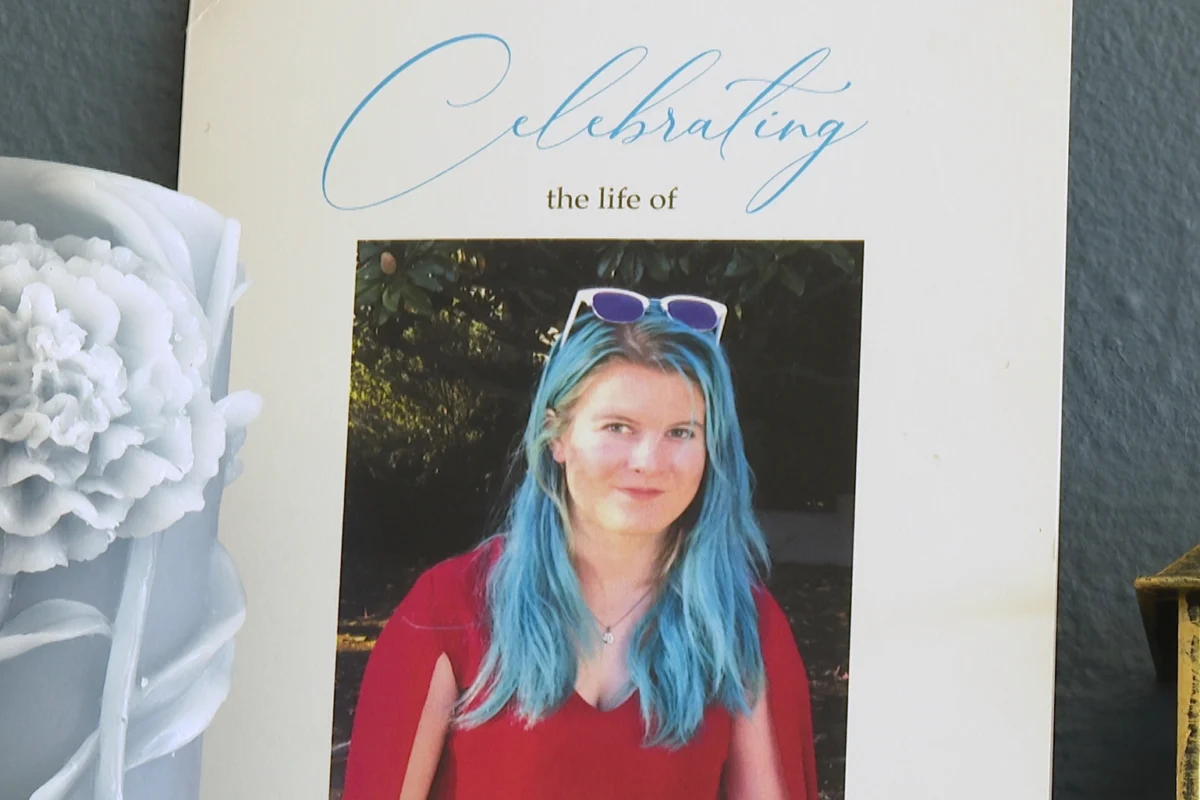
For Carol Normandin and Ken Parker, the $40 million award is not a victory in the traditional sense, but a mechanism for advocacy. They have established the Emily Normandin-Parker Foundation to honor their daughter—a writer, playwright, and advocate for LGBTQ+ rights—and intend to use the funds to support scholarship and mentorship programs.
"I want to do good with it," Ken Parker stated following the announcement. "I never wanted it. No parent would ever want it. The best thing about it is that it’s bringing attention to the issue that sorely needs attention."
The parents were highly critical of Uber’s posture throughout the legal proceedings, characterizing the company’s defense as a reflection of a "pathological inability to admit responsibility." They argue that the company’s business model places profit margins above the fundamental safety of its users, a sentiment that resonates with a growing cohort of critics who argue that gig-economy platforms require more robust federal oversight.
Broader Implications for the Gig Economy
While the arbitration process is private and the ruling does not create a formal legal precedent, the outcome serves as a bellwether for potential future litigation. As more states and municipalities examine the relationship between platforms and drivers, this case provides a blueprint for how plaintiffs might successfully challenge the "independent contractor" defense in cases of gross negligence.
Legal experts suggest that the "vicarious liability" finding by a neutral arbitrator could embolden other families and victims to pursue similar claims. If companies like Uber find that the cost of these legal settlements begins to outweigh the cost of implementing stricter, more direct control over driver conduct, it may force a fundamental shift in how these platforms manage their human workforce.
Furthermore, the case raises questions about the "mandatory arbitration" clauses present in almost all digital platform user agreements. These clauses often prevent plaintiffs from bringing grievances before a jury, where emotional testimony and public scrutiny might result in even higher awards. Despite this, the $40 million award serves as a stark reminder that even within the confines of private arbitration, the demand for corporate accountability remains a potent force in the pursuit of justice.
As the Emily Normandin-Parker Foundation begins its work, the legacy of this case will likely extend beyond the financial settlement. It forces a public conversation about whether current safety protocols—frequently reliant on automated systems and disclaimers—are sufficient for a service that involves the physical movement of people in complex and often dangerous environments. The tragedy on Route 73 may ultimately serve as a catalyst for legislative or regulatory changes that define the responsibility of platforms in a way that modern technology, until now, has managed to circumvent.