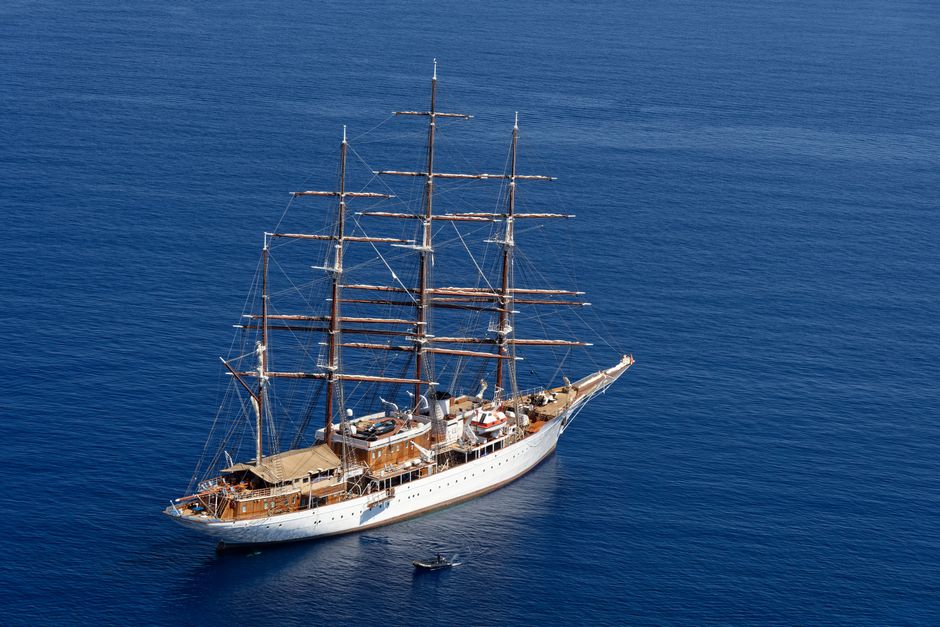
Tall Ship Tourism and the Resurgence of Small Vessel Cruising: A Deep Dive into the Star Clippers Grenadines Expedition
The allure of maritime adventure, once primarily the domain of historical reenactments and dedicated sailing enthusiasts, is experiencing a significant revival through tall ship tourism. This niche sector of the travel industry offers a unique and immersive alternative to conventional cruise lines, emphasizing a more intimate, active, and historically resonant experience. Concurrently, a broader trend towards small vessel cruising, encompassing a variety of ship sizes and styles, is gaining traction as travelers seek more personalized and destination-focused journeys. The Star Clippers Grenadines Expedition serves as an exemplary case study, embodying the principles of tall ship tourism and highlighting the appeal of small ship cruising in a region renowned for its natural beauty and accessible sailing conditions.
Tall ship tourism distinguishes itself by its focus on sailing vessels that evoke the golden age of sail. These are not simply motor-powered ships with sails; their primary mode of propulsion is wind power, with auxiliary engines used for maneuvering in harbors and for safety. This necessitates a different pace of travel, one that is dictated by the elements. Passengers on tall ships often have the opportunity to participate in sailing activities, from hoisting sails to learning knot tying, fostering a deeper connection to the maritime heritage. The limited passenger capacity of these vessels contributes to a more intimate atmosphere, allowing for genuine interaction with the crew and fellow travelers. This stands in stark contrast to the mass-market experience of large cruise liners, which often prioritize onboard entertainment and a broad range of amenities over authentic seafaring experiences. The inherent romance and adventure associated with tall ships, often romanticized in literature and film, are now tangible realities for a growing segment of the traveling public.
Small vessel cruising, while a broader category, shares many of the core appeals that drive the success of tall ship tourism. The emphasis shifts from sheer capacity to quality of experience. Smaller ships, typically accommodating fewer than 200 passengers, can access smaller ports and anchorages that are inaccessible to larger vessels. This allows for more intimate encounters with destinations, bypassing the often-congested main harbors and offering a more authentic immersion into local cultures and environments. The personalized service is another hallmark of small ship cruising. With fewer guests, crew members can often recognize passengers by name and cater to individual preferences, creating a more bespoke and attentive atmosphere. This intimacy extends to the onboard environment, which tends to be more relaxed and less formal than on larger ships. Passengers often find themselves in situations where they can engage in meaningful conversations with their fellow travelers, fostering a sense of community that is often absent on mega-ships. The navigational flexibility of smaller vessels also enables more spontaneous itinerary adjustments, allowing for the pursuit of unique wildlife sightings or the exploration of lesser-known coves.
The Star Clippers Grenadines Expedition is a prime example of how these two trends converge. Star Clippers operates a fleet of modern sailing cruise ships that meticulously replicate the look and feel of classic clipper ships, while incorporating contemporary comforts and safety standards. The Grenadines, a chain of small islands in the southeastern Caribbean, are an ideal playground for this type of expedition. Their geographical configuration, characterized by numerous small islands, sheltered bays, and consistent trade winds, is perfectly suited for sailing. The Star Clippers Grenadines itinerary typically focuses on exploring these islands, offering a blend of pristine beaches, vibrant coral reefs, and charming, laid-back communities.
The operational philosophy of Star Clippers directly aligns with the principles of tall ship tourism. Their vessels, such as the Star Flyer or Star Clipper, are designed to harness the power of the wind. While they do have engines, sailing is the primary mode of transit whenever conditions permit. This means that passengers can experience the sensation of gliding through the water powered by sail alone, a truly exhilarating and unique experience. The onboard atmosphere is deliberately designed to be sophisticated yet relaxed, encouraging passengers to engage with the sailing aspect of the voyage. Crew members are often experienced sailors themselves and are enthusiastic about sharing their knowledge and passion. This can manifest in informal talks about seamanship, opportunities to observe sail handling, and even the chance to participate in supervised deck activities. The limited passenger numbers, typically around 170, further enhance the intimate nature of the experience. This allows for easier access to decks, less competition for prime viewing spots, and more opportunities for personal interaction with the officers and crew.
The Grenadines themselves offer a rich tapestry for small vessel cruising. Unlike larger, more developed Caribbean destinations, many of the Grenadine islands retain a sense of untouched beauty and tranquility. This makes them ideal for exploration by smaller ships that can navigate into shallow bays and dock in charming, less-touristed harbors. The Star Clippers itinerary leverages this by visiting islands such as Bequia, Mustique, Tobago Cays, and Carriacou. Bequia, for instance, is known for its picturesque harbor and boat-building heritage, offering a glimpse into traditional Caribbean life. Mustique, while known for its exclusivity, also boasts stunning natural landscapes and opportunities for exploration. The Tobago Cays are a marine park of exceptional beauty, renowned for their snorkeling and diving opportunities, where the shallow, clear waters are perfectly suited for exploration from a sailing vessel. Carriacou, with its vibrant local culture and historical sites, provides a deeper dive into the human history of the region.
The Star Clippers Grenadines Expedition’s itinerary design is a testament to the advantages of small vessel cruising. Instead of disembarking at large, commercial cruise terminals, Star Clippers ships often anchor in picturesque bays, allowing passengers to be ferried ashore via Zodiacs or tenders. This immersive approach allows for direct access to the natural environment and avoids the hustle and bustle of congested ports. The flexibility inherent in a smaller vessel’s operation means that if a particular beach or snorkeling spot is particularly appealing, the itinerary can be subtly adjusted to allow for extended time. This level of spontaneity is virtually impossible on larger cruise ships. Furthermore, the limited passenger count means that popular snorkeling sites are less crowded, allowing for a more peaceful and rewarding experience. The emphasis is on active engagement with the destination – swimming, snorkeling, kayaking, and exploring by foot – rather than passive observation from a large ship.
The appeal of the Star Clippers Grenadines Expedition lies in its ability to deliver a holistic maritime experience. It caters to travelers who are not simply seeking a vacation, but a journey. This includes individuals who are drawn to the romanticism of sailing, the allure of exploring remote and beautiful islands, and the desire for a more personal and authentic travel experience. The demographic for this type of travel is diverse, but often includes those who have previously experienced larger cruises and are seeking something more engaging, or those who have a pre-existing passion for sailing and maritime history. The educational component, whether formal or informal, of being on a tall ship adds another layer of appeal, allowing passengers to gain a deeper appreciation for the art and science of sailing.
SEO considerations are crucial for maximizing the visibility of content related to niche travel trends like tall ship tourism and small vessel cruising. Keywords such as "tall ship cruising," "sailing holidays," "small ship Caribbean cruises," "Grenadines sailing tours," "Star Clippers expeditions," and "adventure travel Caribbean" are vital for attracting the target audience. The article’s structure, with a clear title and direct entry into the subject matter, is designed to improve readability for both users and search engines. The comprehensive analysis of the Star Clippers Grenadines Expedition provides rich content for these keywords, detailing the specific appeal of this particular itinerary within the broader context of emerging travel trends. The inclusion of specific island names and activities further enhances searchability for individuals planning their own Grenadines adventures.
The rise of tall ship tourism and small vessel cruising represents a conscious departure from the mass-tourism model. Travelers are increasingly seeking experiences that are meaningful, authentic, and that allow for a deeper connection with both the environment and the local culture. The Star Clippers Grenadines Expedition perfectly encapsulates this shift. It offers not just a vacation, but an immersion into the romance of sail, the pristine beauty of the Caribbean, and the joy of genuine discovery. As the travel industry continues to evolve, expect to see further growth in these more personalized and experiential forms of exploration, with tall ships and small vessels leading the charge towards a more conscious and engaging way to see the world. The meticulous attention to detail in replicating classic sailing aesthetics, combined with modern comforts and a commitment to exploring unique destinations, positions Star Clippers as a leading operator in this burgeoning sector. The Grenadines, with their unparalleled sailing conditions and unspoiled charm, provide the perfect canvas for this compelling fusion of historical maritime tradition and contemporary small-ship cruising. The success of such expeditions underscores a fundamental shift in traveler priorities, valuing quality of experience over sheer scale and quantity of amenities.
