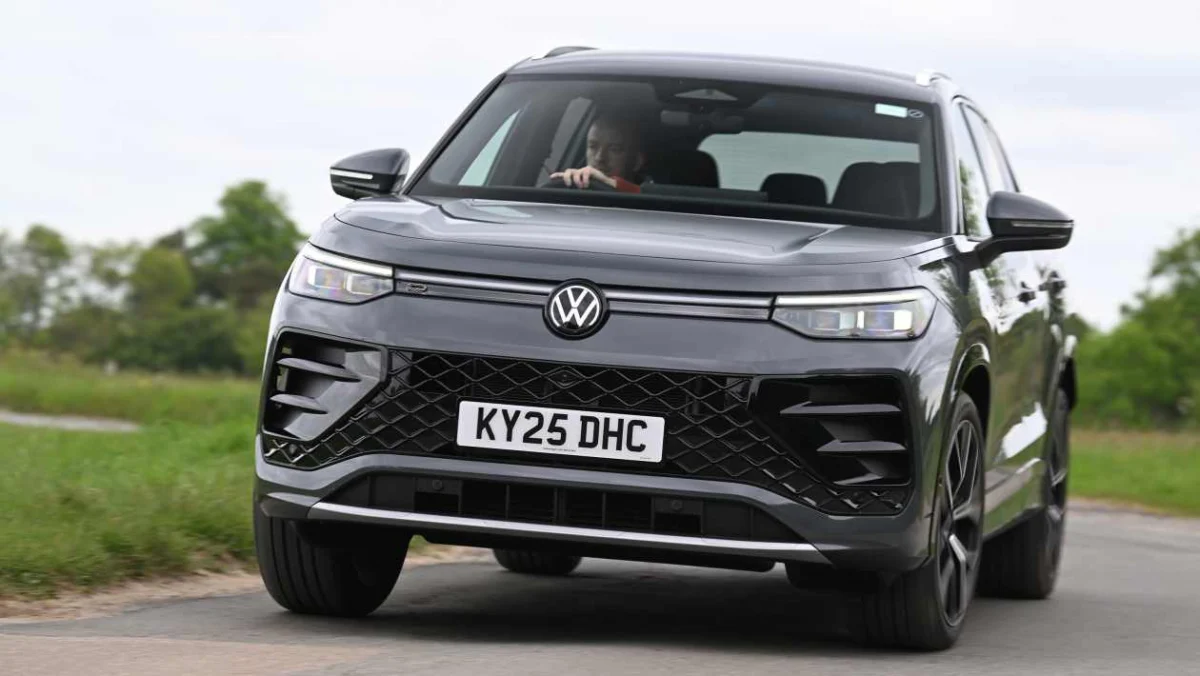
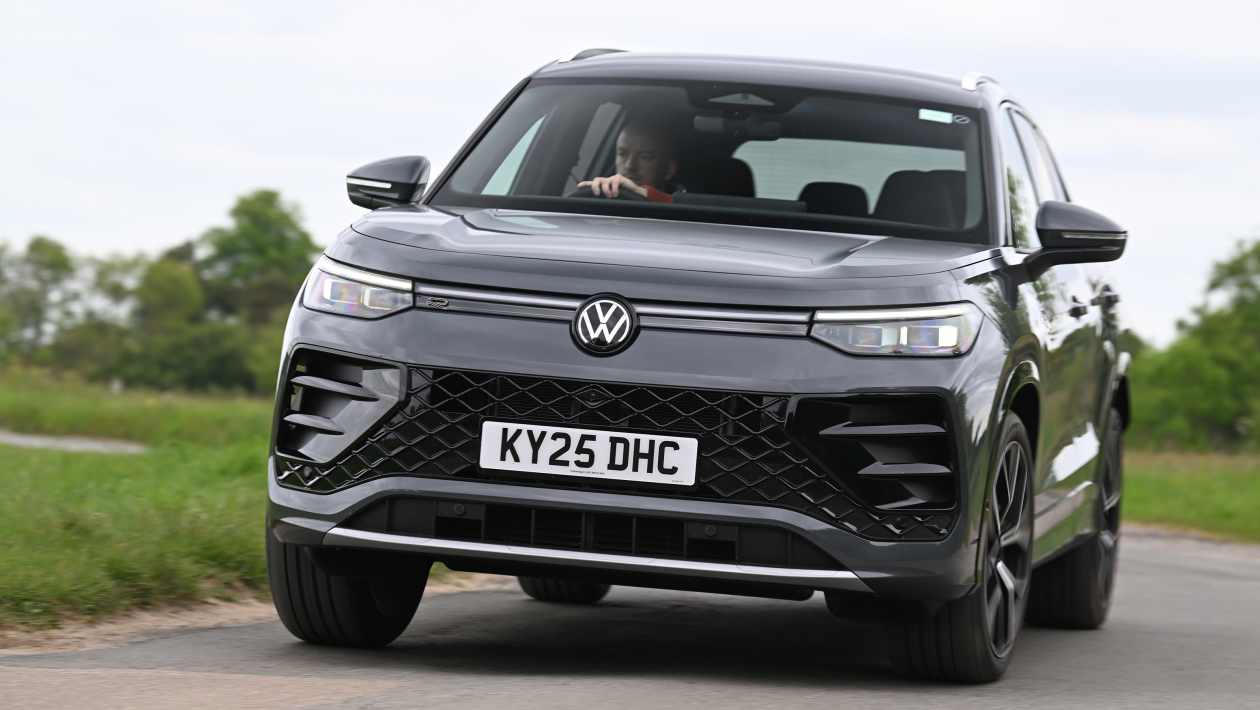
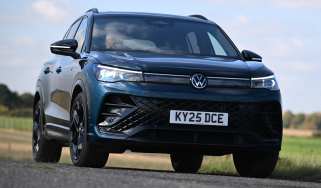
For many motorists, the Volkswagen Tiguan serves as the quintessential family SUV, balancing dimensions, performance, and brand reliability. However, as families expand or the requirements for cargo and passenger capacity shift, the constraints of a mid-size vehicle can become apparent. Volkswagen’s response to this market gap is the Tayron, a larger, seven-seat iteration that bridges the divide between the Tiguan and the flagship Touareg. On 20 September 2026, the Leasing Options Team, via the Auto Express Buy A Car service, has positioned the Tayron as a significant value proposition, offering a two-year lease agreement at £279.91 per month.
Strategic Market Positioning and Deal Structure
The financial mechanics of this offer are designed to entice consumers who might otherwise settle for smaller segments. By pricing the Tayron at a premium of only approximately £10 per month over current Tiguan leasing rates, Volkswagen is aggressively incentivizing an upsell strategy.
The deal is structured around a two-year lease term, though the initial financial outlay—often referred to as the "initial rental"—is set at £3,758. This figure is equivalent to 12 months of standard payments, a common practice in the leasing industry to reduce subsequent monthly overheads. For those seeking a lower barrier to entry, the contract can be adjusted to an upfront cost equivalent to six months, or £2,463 including fees, resulting in a monthly payment of under £350. To put this into perspective, the latter structure remains competitive with lease rates for smaller, less versatile vehicles, such as the Toyota Corolla, highlighting the relative value of the Tayron’s interior volume and utility.

Alternative contract durations are also available to cater to varying consumer preferences. A three-year term starts at £295 per month, while a four-year commitment lowers the monthly expenditure to £223. These sliding scales allow customers to balance short-term cash flow against long-term contractual obligations.
Technical Specifications and Performance
The vehicle featured in this offer is equipped with a 2.0-litre TDI diesel engine, generating 148bhp. This powertrain is widely regarded for its efficiency, capable of exceeding 50mpg, which is a critical consideration for buyers in the current economic climate where fuel costs remain a significant component of the total cost of ownership.
In terms of performance, the vehicle is tuned for comfort rather than outright speed, achieving a 0-62mph sprint in under 10 seconds. This is well-suited to the vehicle’s primary demographic: families and long-distance commuters. The Tayron’s refinement is bolstered by acoustic laminated side glass in the Match trim, which significantly mitigates wind noise during motorway driving. The suspension setup is calibrated to isolate occupants from road imperfections, reinforcing the vehicle’s credentials as a capable long-distance cruiser.
The interior technology suite includes:
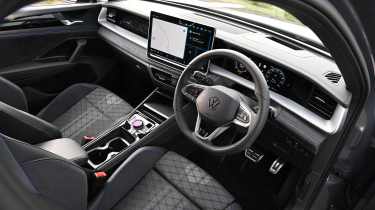
- A 12.9-inch central touchscreen interface.
- Wireless compatibility with Apple CarPlay and Android Auto.
- A 10.25-inch digital instrument cluster for the driver.
- A 360-degree camera system to assist with parking larger dimensions.
- Comfort features including heated front seats, a heated steering wheel, and a wireless charging pad.
Practicality and Capacity: The Seven-Seat Reality
The Tayron occupies a space in the market where the third row of seats is a feature, not a primary residence. Industry data regarding seven-seat SUVs consistently indicates that the rearmost seats are best utilized by children or smaller teenagers. Volkswagen has acknowledged this by incorporating a sliding middle row, which allows for a modular approach to legroom allocation.
When all seven seats are occupied, the boot capacity is 345 litres—comparable to the boot space of a standard supermini. However, the versatility of the vehicle becomes apparent when the rear rows are folded. Flattening the rear seating results in a maximum cargo capacity of 1,905 litres, enabling the vehicle to function as a light-duty transporter for oversized items or equipment.
Chronology of the Segment Expansion
The introduction of the Tayron into the UK market represents a broader trend within the automotive industry: the "SUV-ification" of the family segment. Following the success of the Tiguan, which has been a perennial bestseller for the German manufacturer, Volkswagen identified a segment of customers who required the footprint of a larger vehicle but were unwilling to transition to the luxury price bracket occupied by the Touareg or the ID.6.
- 2023-2024: Volkswagen signaled a strategic pivot toward diversifying its SUV lineup to accommodate varying powertrain requirements and size classes.
- Early 2025: The Tayron was officially introduced to the European market, receiving positive reviews for its blend of Tiguan-like maneuverability and increased passenger capacity.
- September 2026: Market data shows a cooling in new car sales as interest rates remain elevated, leading manufacturers to rely on competitive leasing deals to maintain volume. This specific offer is a reaction to that competitive landscape.
Comparative Analysis: The Value Proposition
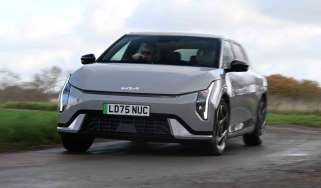
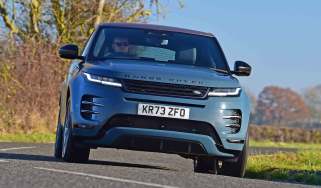
The competitive landscape for the Tayron includes established players such as the Kia Sorento, the Peugeot 5008, and the Skoda Kodiaq. The current leasing offer is approximately £100 per month cheaper than the entry-level lease for the Kia Sorento. This price gap is a significant differentiator for consumers operating on a fixed monthly budget.
By aggressively pricing the Tayron against its rivals, Volkswagen is attempting to capture market share from competitors who may be struggling to offer similar incentives due to supply chain constraints or higher manufacturing costs. Analysts note that such deals are often subsidized by manufacturers to ensure factory utilization rates remain high, benefiting the consumer through lower monthly payments.
Broader Impact and Consumer Considerations
For the average consumer, the shift toward higher-mileage contracts is a notable trend. The base deal includes an annual allowance of 5,000 miles. However, data indicates that the average UK car travels significantly more than this, often closer to 7,500–8,000 miles.
The flexibility built into the Tayron lease—specifically the option to increase the mileage allowance to 10,000 or 13,000 miles per year—demonstrates an understanding of user behavior. While these upgrades increase the monthly cost, the total remains under the £350 threshold, keeping the vehicle accessible even for those with more demanding commuting requirements.
However, potential lessees must consider the volatility of the automotive market. Prices and offers are subject to change based on residual value forecasts, which are influenced by the secondary market demand for diesel vehicles. Furthermore, while the 2.0-litre diesel engine is efficient, prospective buyers should be mindful of future regulatory shifts, such as Clean Air Zones (CAZ) or Ultra Low Emission Zones (ULEZ), though the modern Euro 6-compliant diesel engines generally meet the necessary requirements for urban access.
Conclusion
The Volkswagen Tayron, as presented in this deal, serves as a pragmatic solution for families requiring additional capacity without the significant financial commitment associated with larger luxury SUVs. By providing a high-spec "Match" trim at a price point that competes with smaller hatchbacks and mid-size SUVs, Volkswagen is effectively leveraging its economies of scale to dominate the mid-market SUV segment.
Interested parties are advised that such promotional offers are typically time-sensitive and inventory-dependent. As the automotive industry continues to navigate a transition toward electrification, vehicles like the Tayron, which offer high-efficiency combustion engines, remain a cornerstone of the transition period, providing the necessary utility that many modern households still demand. Potential customers should verify current availability through authorized dealers or the official Auto Express Buy A Car portal, ensuring that the specific terms—including the mileage allowance and initial rental—align with their individual financial profiles.