The automotive landscape in the United States is currently undergoing a significant recalibration as major manufacturers grapple with a cooling retail market for battery-electric vehicles (BEVs). While initial industry forecasts projected a rapid, linear adoption curve for electric mobility, current consumer sentiment—influenced by fluctuating interest rates, the erosion of federal tax incentives, and evolving fuel-economy standards—has forced a strategic retreat among legacy automakers. Hyundai Motor Company, however, is charting a divergent course. Rather than scaling back its manufacturing infrastructure or absorbing massive asset write-downs, the South Korean conglomerate is aggressively repurposing its production capacity to serve the burgeoning autonomous vehicle (AV) and robotaxi sector.
This strategic shift represents a fundamental change in how Hyundai views its relationship with electric platforms. By pivoting from a retail-centric model to a business-to-business (B2B) supply strategy, Hyundai aims to transform its Georgia-based Metaplant from a standard vehicle assembly line into a specialized manufacturing hub for the next generation of autonomous transport.
A Strategic Response to Market Volatility
For much of the last 18 months, the narrative surrounding the American EV market has been defined by caution. Industry giants such as Ford and Honda have publicly announced the deferral of EV projects and significant downward adjustments in their electrification targets. These decisions were largely driven by a realization that the "early adopter" phase of EV growth had concluded, and the transition to the "mass market" was proving more difficult than expected.
Hyundai Motor Company CEO José Muñoz, speaking at a recent industry event in San Jose, California, drew a clear line in the sand between his company and its competitors. While others opted to write down assets in response to lower-than-anticipated retail demand, Hyundai chose a path of optimization. The company’s massive investment in the Savannah, Georgia Metaplant—a cornerstone of its U.S. manufacturing strategy—is being rebalanced to prioritize a more flexible output. The plant is now shifting its production mix to include a higher volume of hybrid vehicles to meet immediate consumer demand, while simultaneously dedicating significant resources to the production of specialized, autonomous-ready electric platforms.
The Rise of the Robotaxi Business Model
The core of Hyundai’s new strategy is the recognition that robotaxi fleets represent a massive, untapped consumer base. By partnering with established autonomous technology companies, Hyundai is positioning itself as the primary hardware supplier for the "Transportation-as-a-Service" (TaaS) economy.
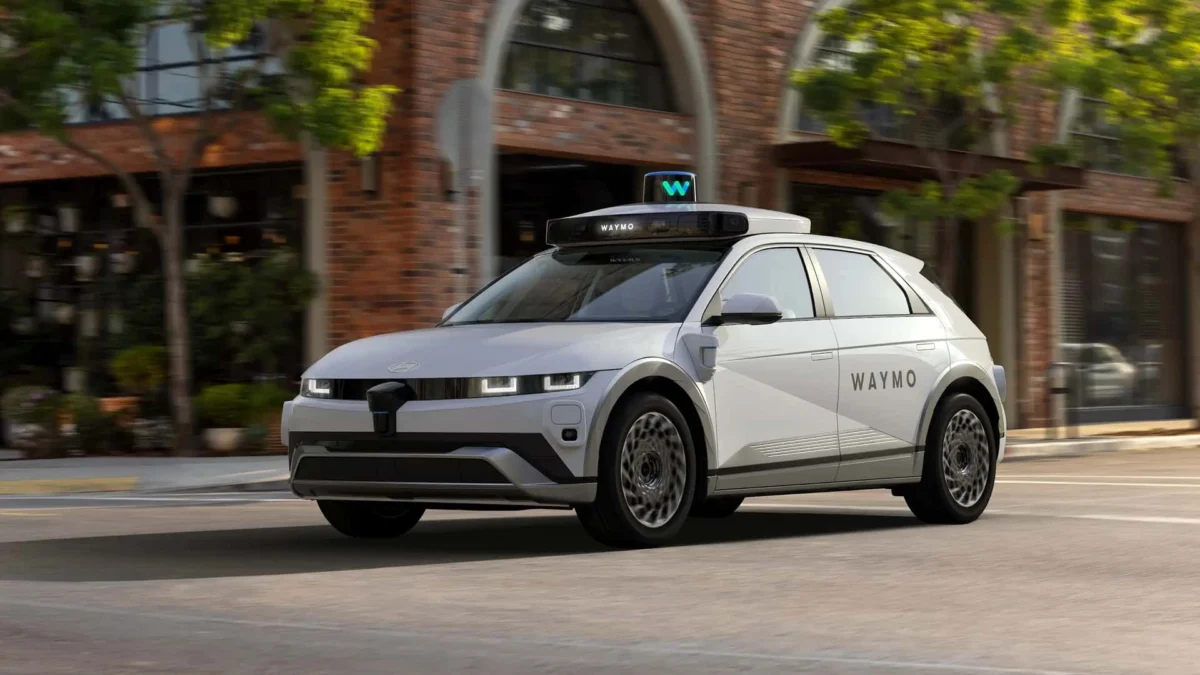
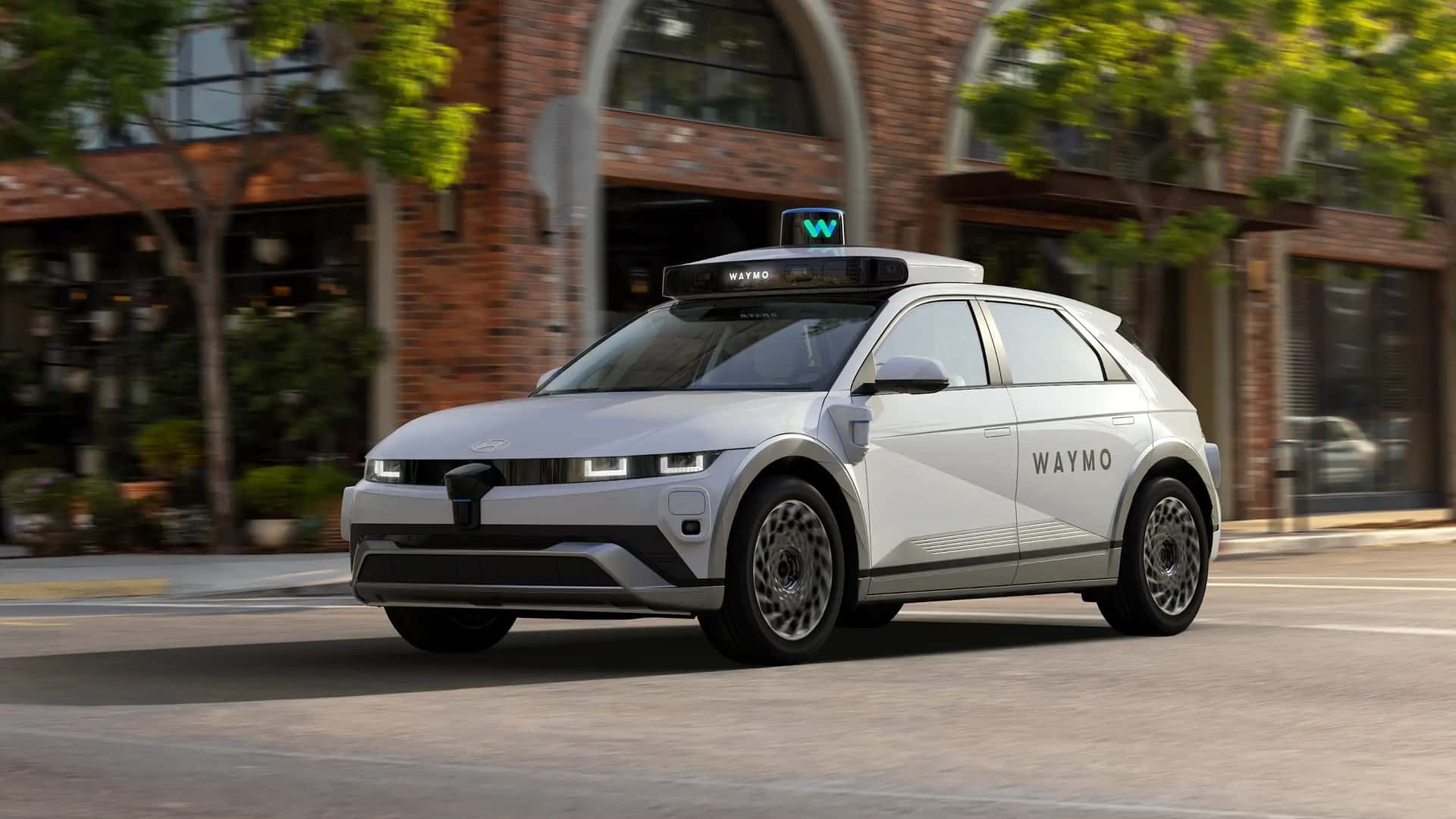
The partnership between Hyundai and Waymo, a subsidiary of Alphabet Inc., serves as the flagship example of this transition. In 2024, the companies formalized an agreement for Hyundai to produce a significant volume of Ioniq 5 models designed specifically for autonomous operation. These are not merely standard vehicles with aftermarket modifications; they are factory-integrated units built to support Waymo’s sixth-generation autonomous driving technology.
This model offers distinct advantages for both parties. For Waymo, sourcing factory-ready vehicles reduces the complexity and cost of retrofitting sensors and software suites, a process that historically required intensive manual labor at specialized facilities, such as the one Waymo operates in Arizona. For Hyundai, it provides a stable, long-term contract that guarantees production volume, insulating the company from the volatility of retail showroom traffic.
Chronology of the Partnership and Fleet Expansion
The trajectory of this collaboration has moved rapidly. In the early stages of the partnership, the focus was primarily on testing and proof-of-concept deployments. However, the scope has now expanded to full-scale manufacturing.
- Mid-2024: Hyundai and Waymo announce a landmark partnership to integrate the sixth-generation autonomous hardware platform into the Ioniq 5.
- Late 2024: Initial preparations at the Georgia Metaplant reach completion, allowing for the specialized assembly of robotaxi-ready chassis.
- Q4 2025 (Projected): Delivery of the first production-intent Ioniq 5 robotaxis to Waymo for commercial operation.
Currently, Waymo operates a fleet of approximately 4,000 vehicles across 14 major U.S. cities. The introduction of "tens of thousands" of Ioniq 5 units, as indicated by CEO José Muñoz, represents a substantial scaling of Waymo’s national footprint. This volume shift suggests that the autonomous taxi industry is moving beyond the pilot phase and into a period of aggressive infrastructure deployment.
Broader Industry Trends and Competitor Activity
Hyundai is not the only manufacturer identifying the robotaxi market as a lifeline for EV production. As retail demand remains tepid, automakers are increasingly looking to fleet sales to maintain manufacturing utilization rates.
Rivian, the California-based EV startup, has moved to secure its own position in this space through a strategic alliance with Uber. The agreement to supply up to 50,000 R2 crossover vehicles is designed to bolster Uber’s autonomous and electrified ride-hailing offerings. Similarly, Lucid Group has entered into agreements with both Uber and Nuro, committing to the supply of at least 35,000 Gravity SUVs for autonomous service. On the international front, Lucid recently announced a partnership with European shared mobility provider Bolt to supply at least 25,000 midsize vehicles.
These agreements indicate a broader industry realization: if individual consumers are hesitant to make the jump to electric, the ride-sharing and delivery sectors are more than eager to bridge the gap. Fleet operators are driven by the long-term total cost of ownership (TCO), where the efficiency and lower maintenance costs of electric powertrains provide a clear economic incentive, regardless of the retail-level charging anxieties that plague the average car buyer.
Implications for Manufacturing and Profitability
The decision by Hyundai to treat its robotaxi manufacturing as a distinct, self-sustaining business unit has significant implications for its balance sheet. CEO Muñoz confirmed that the robotaxi manufacturing arm is already profitable. By separating this division from the consumer retail arm, Hyundai can isolate the unique overhead costs associated with autonomous integration while benefiting from the economies of scale afforded by its massive Georgia facility.
Furthermore, the "significant interest" from other potential partners suggests that Hyundai’s specialized manufacturing capacity may become a competitive advantage. If the company can successfully demonstrate the durability and reliability of its Ioniq 5 robotaxi platform, it could potentially become the primary supplier for a variety of TaaS providers, further diversifying its revenue streams.
Future Outlook and Economic Challenges
While the pivot to robotaxis is a strategic win for Hyundai, the company still faces macro-economic headwinds. The uncertainty surrounding federal EV policy remains a wild card. Without the support of tax credits and the potential for a reversal in fuel-economy standards, the domestic EV market will rely almost entirely on the private sector’s ability to innovate and lower costs.
However, the shift toward B2B autonomy offers a hedge against these risks. By focusing on fleet operators, automakers are effectively insulating themselves from the whims of the individual voter and consumer. If the regulatory environment remains favorable for autonomous operations, the robotaxi segment could potentially grow into the largest consumer of EV battery capacity in the United States over the next decade.
Hyundai’s ability to successfully execute this transition will depend on its continued capacity to balance its retail offerings with the highly specific requirements of its AV partners. For now, the strategy appears to be working. By transforming from a traditional car manufacturer into an infrastructure provider for the autonomous age, Hyundai has found a way to keep its production lines humming, even as the broader retail market remains in a state of flux. The success of the Ioniq 5 in the streets of Phoenix, San Francisco, and beyond will likely serve as the ultimate litmus test for this bold industrial pivot.